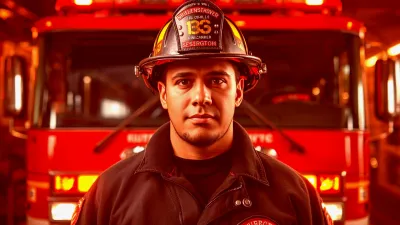

After an arduous four-year negotiation fraught with tension and uncertainty, Chicago’s firefighters have reached a tentative agreement on a new contract with city officials. This agreement marks a significant milestone in a protracted battle that has tested the resolve of both the fire department and municipal leadership, ultimately promising improved working conditions and compensation for those who risk their lives daily to protect the city.
The protracted negotiations have been characterized by deep divisions between the firefighters’ union and city representatives, with each side grappling over critical issues such as pay raises, healthcare benefits, and pension reforms. The deal, though still subject to ratification by union members, offers a glimmer of hope for stability and a renewed partnership between the city’s first responders and its government.
Long Road to Resolution
The dispute began more than four years ago when the firefighters’ union raised concerns about stagnant wages and rising living costs in a city where the demands on emergency personnel are relentless. The union argued that their members deserved fair compensation that reflected their vital role in safeguarding Chicago’s neighborhoods. Conversely, city officials faced budgetary constraints and competing priorities amid economic challenges, complicating the path to a mutually acceptable agreement.
Throughout the negotiation process, the union remained steadfast, emphasizing that firefighters face life-threatening situations daily and deserve recognition through equitable pay and benefits. The city, while acknowledging these risks, maintained a cautious stance, mindful of fiscal realities and the need to balance the interests of all Chicago residents. This impasse led to years of stalled talks, creating uncertainty among firefighters about their futures.
The prolonged deadlock also had ripple effects on the morale within the fire department. Many firefighters expressed frustration and anxiety over the uncertainty that overshadowed their professional lives. As one veteran firefighter poignantly noted, “We put our lives on the line every time we answer a call. It’s not just a job—it’s a promise to our community. We deserve to be treated with respect and fairness.” This sentiment resonated deeply within the ranks, fueling the union’s determination to secure a just contract.
Key Components of the Tentative Agreement
The newly reached tentative deal addresses many of the union’s core demands. It includes a series of incremental pay increases designed to bring firefighter salaries closer to comparable cities, reflecting the high cost of living in Chicago. Additionally, the agreement offers enhancements to healthcare coverage, aiming to alleviate the financial burden of medical expenses on firefighters and their families.
Beyond compensation, the contract introduces measures aimed at improving working conditions. These include provisions for better staffing levels to reduce overtime and fatigue, as well as updated safety protocols to protect firefighters on the job. The city also agreed to invest in modern equipment and training resources, recognizing that well-supported firefighters are better equipped to serve the public effectively.
Importantly, the tentative agreement incorporates pension reforms that strike a balance between sustainability and fairness. While some adjustments were made to ensure the long-term viability of the pension system, union leaders emphasized that these changes will not undermine the retirement security of current and future firefighters. This compromise was critical in breaking the stalemate and moving the process forward.
Implications for Chicago’s Public Safety
The resolution of this contract dispute carries significant implications for the city’s overall public safety landscape. Firefighters are essential frontline responders, and their stability and morale directly impact the quality of emergency services delivered to residents. With a tentative agreement in place, the department can focus on its core mission without the cloud of labor unrest.
City officials have expressed optimism that the contract will foster a renewed spirit of collaboration between municipal management and the fire department. This partnership is crucial as Chicago confronts ongoing challenges such as rising fire incidents, emergency medical calls, and the need for community outreach programs aimed at prevention and education.
Moreover, the deal sends a message to other public sector unions and city workers about the importance of constructive negotiation and mutual respect. It underscores the city’s commitment to honoring the sacrifices made by those who serve and the necessity of investing in public safety infrastructure.
While the tentative contract still requires ratification by union members, the overwhelming sentiment among firefighters is one of cautious relief and hope. “This agreement is more than just numbers on a page—it’s a reaffirmation of our value and dedication,” said a union representative. “We look forward to continuing our work with renewed energy and pride.”
As Chicago moves forward, the lessons learned from this lengthy negotiation process highlight the critical need for ongoing dialogue, transparency, and respect between city leaders and first responders. The lives of firefighters—and the safety of the communities they protect—depend on it.