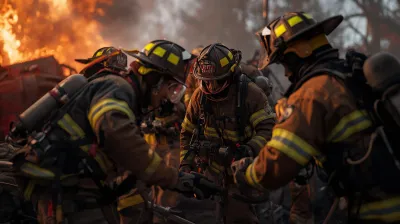

In a dramatic shift, the Eastern United States is beginning to emerge from the haze of smoke that had enveloped vast regions, impacting air quality and daily life. For many residents, the past few days have been marked by an eerie orange sky and the pervasive smell of burning wood, a stark reminder of the devastating wildfires raging in Canada. After a prolonged period of disquiet, officials are cautiously optimistic that the worst is behind them, allowing communities to breathe more freely.
As the smoke began to dissipate, meteorologists reported improved air quality across several states, signaling a much-needed reprieve for millions of citizens. The combination of changing weather patterns and a decrease in wildfire intensity has brought about a sense of hope and relief. Local health departments, which had advised residents to remain indoors to avoid the harmful effects of smoke inhalation, are now encouraging people to step outside, albeit with caution. “After the storm of smoke, we can finally see a glimmer of blue skies again,” said one local resident, capturing the relief felt by many.
Impact of the Wildfire Smoke
The repercussions of the wildfire smoke have been felt far beyond its origin in Canada. The days when the air was thick with particulates saw a surge in respiratory issues, particularly among vulnerable populations such as children and the elderly. Hospitals reported an uptick in visits for asthma-related complications and other respiratory ailments. The smoke, laden with fine particulate matter, posed significant health risks, prompting officials to issue alerts and advisories.
Public places were eerily quiet as residents heeded the warnings to stay indoors. Parks were deserted, and outdoor events were canceled, leaving communities in a state of uncertainty. The environmental impact was palpable, with wildlife habitats disturbed and ecosystems threatened by the fallout from the fires. As the winds shifted and the smoke began to clear, the focus has now turned towards recovery and the path ahead.
Community Resilience and Recovery
As the smoke clears, community leaders are mobilizing efforts to restore normalcy. Local governments are working to assess damage and provide support to those affected by the smoke, while health officials are monitoring the long-term effects on public health. The air quality improvements have allowed many to return to their daily routines, though a sense of cautious optimism prevails.
In the wake of this environmental crisis, resilience has emerged as a defining characteristic of the communities affected. Residents are coming together to support one another, sharing resources and information on how to navigate the aftermath of the smoke. Community centers are opening their doors to provide assistance and information about health services, while local businesses are finding ways to bounce back from the disruptions.
“We have faced challenges before, and we will face them again,” a local community leader stated, emphasizing the strength and unity that can arise in the face of adversity. “What matters is how we come together to support one another.” These sentiments resonate deeply as communities reflect on the shared experiences of the past few days and look towards rebuilding a sense of normalcy.
While the immediate crisis may have subsided, experts warn that the threat of wildfires remains a pressing concern. Climate change continues to drive the frequency and intensity of such events, necessitating a broader conversation about preparedness and resilience moving forward. As the fires in Canada continue to burn, there is a collective awareness that the Eastern U.S. may not be out of the woods just yet.
Looking ahead, it is imperative for communities to engage in proactive measures to safeguard public health and the environment. This includes supporting initiatives aimed at improving air quality, investing in firefighting resources, and fostering community education on the effects of wildfires and smoke. By taking these steps, residents can better equip themselves for future challenges.
The recent smoke event serves as a stark reminder of the interconnectedness of our environment and the far-reaching impacts of wildfires. It highlights the need for a united front in addressing climate-related issues, as well as the importance of community solidarity in times of crisis. As the skies clear and life slowly returns to normal, the lessons learned will undoubtedly shape the future of these resilient communities.
As the Eastern U.S. begins to breathe easier, there remains a lingering sense of vigilance. The experience of smoke-filled days has ignited a conversation about climate resilience and the imperative for systemic changes to protect both people and the planet. Though the immediate threat may have waned, the echoes of this environmental crisis will undoubtedly resonate for some time, reminding us of the fragility of our natural world and the strength found in community.