
Essential Techniques for Firefighter Carry Methods
Overview of Firefighter Carry Techniques
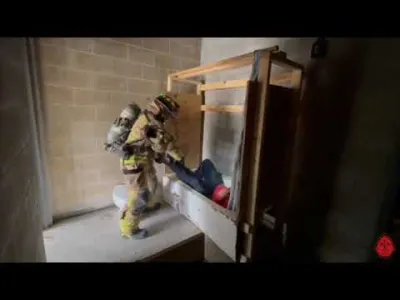
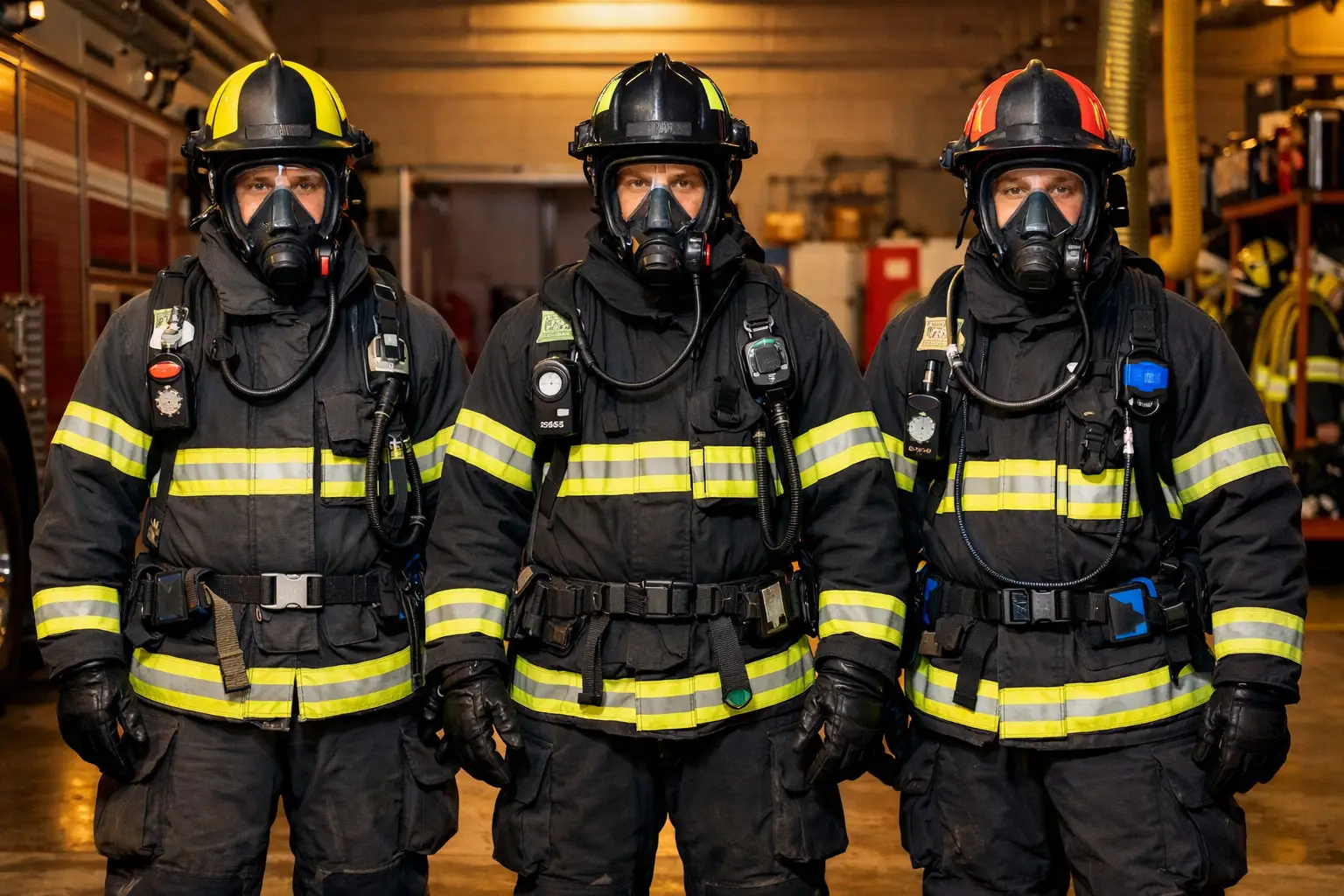
This training focuses on a critical technique in firefighting known as the firefighter carry method. This method is essential for ensuring the safe transport of injured or unconscious individuals during emergencies. The training session is part of a series organized by the North Carolina Office of State Fire Marshal (NCOSFM) aimed at enhancing the skills of emergency responders. Mastering such techniques can save the lives of both rescuers and those they are attempting to rescue.
Key Skills and Techniques
Participants will gain insights into proper body mechanics, positioning, and control methods through this training. The importance of maintaining a balanced stance and minimizing strain during transport operations is emphasized to ensure the safety of both the firefighter and the injured individual. These techniques not only enhance the physical endurance of firefighters but also facilitate the secure movement of casualties. Throughout the training, a strong focus is placed on the skills required to protect one's health while effectively executing rescues without jeopardizing the condition of those being assisted.
Integration of Tools in Rescue Scenarios
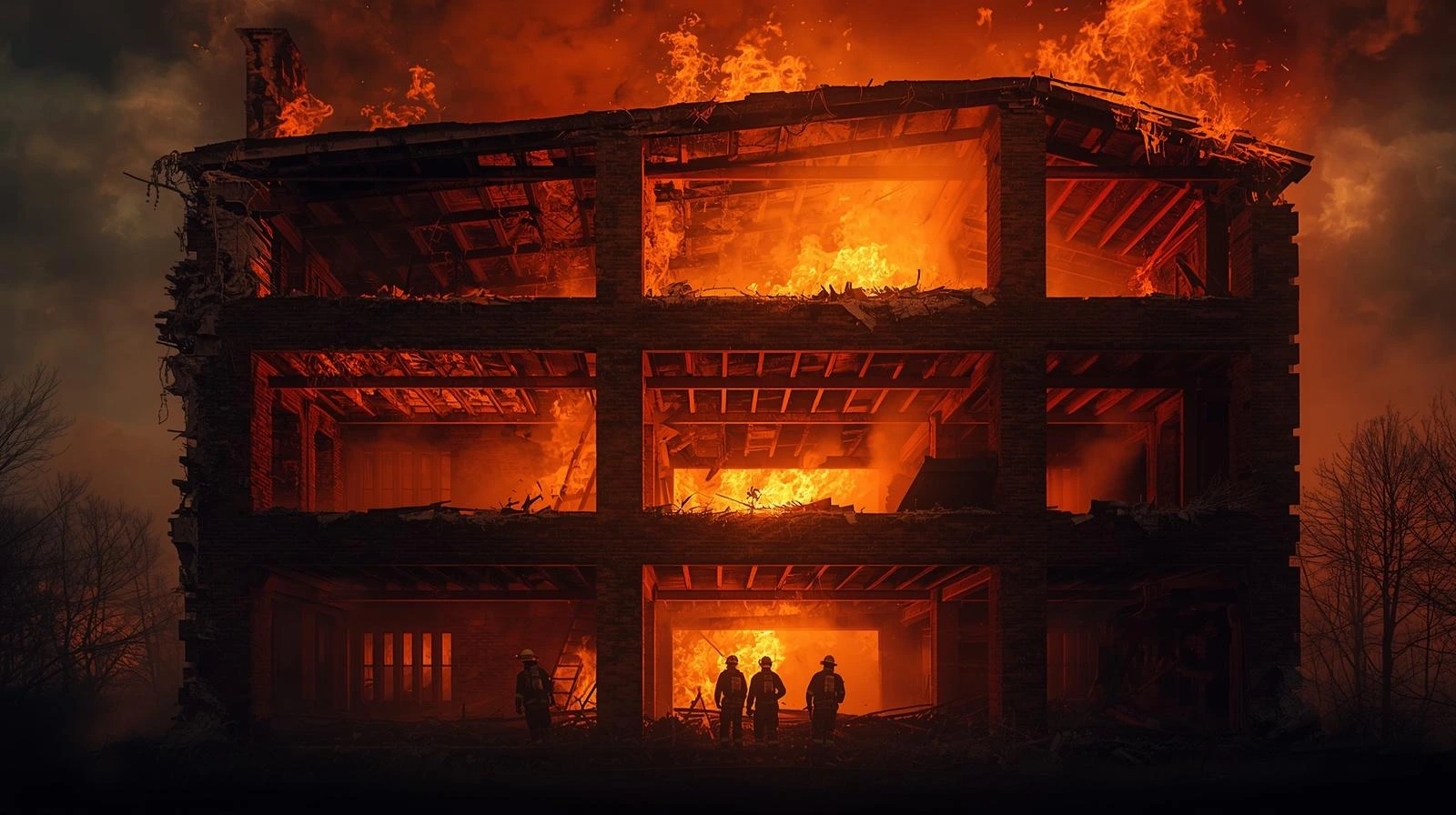
The training also highlights the integration of portable tools in rescue scenarios. These tools offer practical applications that increase operational efficiency in challenging or confined spaces. For instance, the training provides information on how to effectively use specialized equipment for rescuing an injured person trapped in debris or in a fire situation. Such tools enable firefighters to perform their tasks more quickly and safely, underlining the critical nature of time in emergency situations.
Importance of Continuous Training
This training content is designed not only for firefighters but also for rescue personnel. It supports the development of essential skills needed for emergency interventions and the safe evacuation of injured individuals. Participants are given the opportunity to acquire the knowledge and experience necessary to overcome challenges encountered during rescue operations. Remember, every moment counts in saving a life; therefore, participating in such training is crucial for both professional and personal development. By engaging in this training, you can enhance your competence in firefighting and respond more effectively in emergencies.


Comments 0
No comments yet. Be the first to share your thoughts on this video!
Leave a Comment