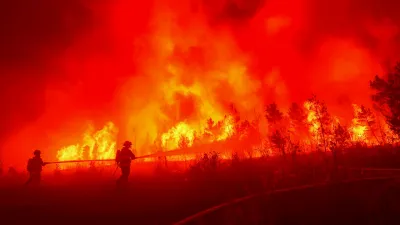

As California braces for what many experts predict will be one of the most perilous wildfire seasons in recent memory, the looming specter of climate change and political mismanagement casts a long shadow over the state's preparedness. With the 2025 wildfire season on the horizon, the combination of prolonged drought, rising temperatures, and a history of forest mismanagement has created a perfect storm for catastrophe. This season, however, the stakes are even higher, as decisions made at the federal level—specifically under the leadership of former President Trump—remain a contentious focal point of concern for communities already grappling with the potential for devastation.
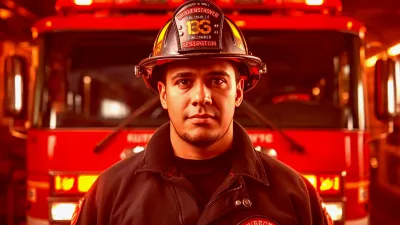
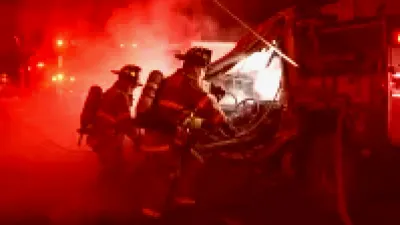
California's wildfire season has historically been marked by destructive flames that ravage homes, wildlife, and air quality. Yet, the urgency of the situation is amplified this year, as residents are reminded that the devastation of past seasons is not merely a memory but a precursor to what could unfold. "We are not just fighting fires; we are fighting for the future of our communities," said a local firefighter, capturing the emotional toll that wildfires exact on both the land and its inhabitants.
The Climate Crisis and Its Impacts
The scientific consensus on climate change is alarming: as temperatures rise and rainfall patterns shift, the conditions that fuel wildfires are becoming increasingly common. In California, the landscape becomes a tinderbox; dry vegetation combined with strong winds creates an environment ripe for ignition. The National Interagency Fire Center has already issued dire warnings for the upcoming season, predicting an earlier onset of wildfires and a longer duration of fire activity. This means that communities should be prepared to face the flames as early as spring, rather than waiting for the traditional peak months of late summer and fall.
Moreover, the effects of climate change are not just theoretical; they are felt in the hearts of families who have lost homes, livelihoods, and even loved ones to the ravages of fire. The 2020 wildfire season, which became one of the worst in state history, left thousands displaced and entire ecosystems destroyed. The aftermath of such events lingers long after the flames are extinguished, with emotional scars that may never heal and a landscape that takes decades to recover.
Political Mismanagement and Its Consequences
The past few years of political decision-making, particularly during Trump’s administration, have raised significant concerns regarding wildfire management strategies. The former president's policies largely emphasized deregulation and reduced federal funding for environmental protection, which many believe has directly contributed to the challenges faced by firefighters and communities today. As federal support dwindles, local agencies are left scrambling for resources, often ill-equipped to battle the ever-increasing threat of wildfires.
Critics argue that the Trump administration's rollback of environmental regulations has exacerbated the wildfire crisis by allowing for more logging and land development in sensitive areas. This not only increases the risk of catastrophic wildfires but also undermines the ecological balance necessary for healthy forests. The result is a landscape that is not only more susceptible to fire but also less resilient in the face of climate change. Advocates for sustainable land management practices urge a return to proactive measures that include reforestation, controlled burns, and restoration of natural habitats. However, these recommendations often clash with political agendas that prioritize short-term economic gains over long-term ecological health.
As California prepares for another season of unprecedented fire threats, the question remains: how can communities mobilize to protect themselves against the inevitable? Local agencies are ramping up efforts to engage residents in wildfire preparedness initiatives, emphasizing the importance of creating defensible spaces around homes and developing community evacuation plans. Neighbors are encouraged to work together to clear brush and debris, reducing the fuel that wildfires need to spread. Ultimately, community resilience will be key in mitigating the impacts of the upcoming fire season and ensuring that families have the resources and knowledge to effectively respond to emergencies.
The emotional weight of the situation is palpable; the fear of losing everything to a fire is a reality for many Californians. Yet, even in the face of such adversity, there is a spirit of determination that shines through. Local leaders, firefighters, and residents are coming together, forging bonds of solidarity to weather the impending storm. "Together, we rise from the ashes," a community leader stated, echoing the sentiment that resilience and unity are the strongest weapons against the flames.
In addition to community efforts, experts also stress the importance of advocating for policy change at both the state and federal levels. As the climate crisis continues to unfold, it is crucial for leaders to recognize the urgency of the situation and invest in sustainable practices that can help mitigate future wildfire risks. This includes revisiting forest management practices, increasing funding for fire prevention programs, and enhancing coordination between federal and local agencies to ensure that resources are effectively allocated where they are needed most.
As California approaches the 2025 wildfire season, there is an undeniable sense of urgency that permeates every corner of the state. The threat is not just a statistic; it is a reality that affects families, communities, and ecosystems. With the combined forces of climate change and political mismanagement, the stakes have never been higher. As Californians prepare to face what could be another devastating season, the call to action is clear: unite, prepare, and advocate for a safer future. Only through collective effort can the state hope to turn the tide against the overwhelming forces of fire and climate change.