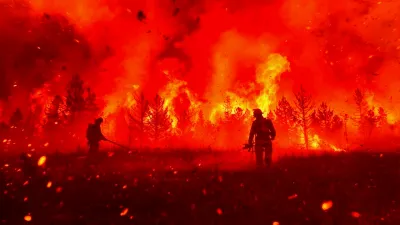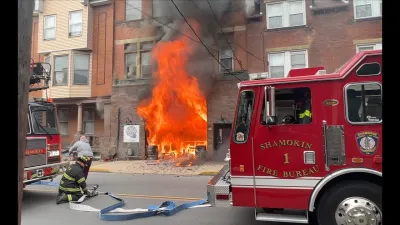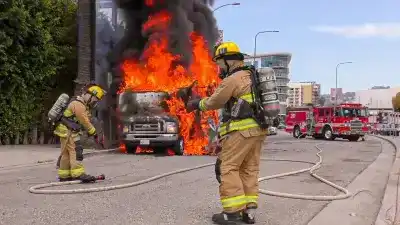

As wildfires rage across vast stretches of Canada and the United States, the skies have become veiled in thick smoke, casting an ominous pall over cities and rural communities alike. The creeping haze is more than just an eyesore—it represents a mounting public health crisis that threatens millions. With air quality deteriorating rapidly, residents face the invisible danger of toxic particles that can penetrate deep into the lungs and bloodstream, exacerbating respiratory illnesses and endangering vulnerable populations. The scale and intensity of these fires have amplified the urgency to monitor, understand, and respond to the shifting patterns of smoke and pollution that travel hundreds, sometimes thousands, of miles.
"The air we breathe should not be a weapon against our health," remarked a local resident, reflecting the deep anxiety permeating communities blanketed by wildfire smoke. This sentiment underscores the pressing need for accurate, real-time information on air quality and the geographic reach of wildfire smoke. As the wildfire season extends and intensifies, fueled by climate change and dry conditions, the challenge grows not only for firefighters battling the flames but also for public health officials and residents striving to protect themselves from the hazardous air.
Mapping Smoke: A Crucial Tool in the Fight Against Wildfire Hazards
One of the most effective ways to combat the health impacts of wildfire smoke is through detailed, dynamic maps that track air quality and smoke dispersion. These tools harness satellite imagery, ground-based sensors, and atmospheric models to provide near-real-time data on particulate matter concentrations and smoke plumes. By visualizing where the smoke is thickest and where air quality is poorest, these maps enable authorities and citizens to make informed decisions—whether it’s issuing health advisories, closing schools, or recommending the use of air purifiers and masks.
For example, during recent wildfire events, these mapping systems have revealed how smoke from fires in western Canada can surge across international borders, engulfing cities in the U.S. Pacific Northwest and beyond. The mobility of smoke plumes means that populations far removed from the actual fires can suffer the consequences, often without warning. This transboundary nature of wildfire smoke challenges traditional localized health advisories and calls for coordinated responses across states and provinces.
Moreover, advances in technology now allow these maps to integrate data from multiple sources, including NASA’s satellites and the Environmental Protection Agency’s air quality monitoring stations. This fusion of information provides a more comprehensive picture of the air people breathe, capturing fluctuations that can change hourly as winds shift and fires evolve. Such granularity is vital for vulnerable groups such as children, elderly individuals, and those with pre-existing respiratory conditions like asthma or chronic obstructive pulmonary disease (COPD).
Health Implications and Community Responses to Deteriorating Air Quality
Exposure to wildfire smoke is not a mere inconvenience—it is a serious health hazard. Fine particulate matter (PM2.5), a major component of wildfire smoke, can penetrate deep into the lungs and enter the bloodstream, leading to a range of adverse health effects. Short-term exposure can cause coughing, throat irritation, and difficulty breathing, while prolonged or repeated exposure increases the risk of heart attacks, strokes, and chronic respiratory diseases.
Hospitals in heavily affected areas have reported surges in emergency room visits related to respiratory distress during peak smoke events. Public health officials emphasize that even healthy individuals can experience symptoms, and those with underlying conditions face exacerbated risks. This health crisis has prompted communities to adapt quickly, opening clean air shelters and distributing masks capable of filtering fine particles.
In addition to immediate health concerns, there is growing evidence that repeated wildfire smoke exposure may have long-term consequences, including increased vulnerability to infections and reduced lung function. The emotional toll also cannot be underestimated—residents living under smoky skies often recount feelings of anxiety and helplessness, compounded by the uncertainty of the fires’ trajectory and duration.
Future Outlook: Preparing for an Era of Intense Wildfires and Smoke
Experts warn that the wildfire seasons in North America are likely to become longer and more severe due to climate change, creating a new normal in which communities must coexist with persistent smoke hazards. This reality demands not only improved firefighting capabilities but also robust public health infrastructure and widespread awareness campaigns to educate the public on protective measures.
Investment in early warning systems and air quality monitoring technology is critical. Equally important is the integration of these data-driven tools into emergency response plans and community outreach. Schools, workplaces, and healthcare facilities need actionable information to minimize exposure and safeguard vulnerable populations. Furthermore, policymakers are urged to consider the cumulative health costs of wildfire smoke in climate adaptation strategies and urban planning.
At the heart of these efforts lies a simple truth: clean air is a fundamental right. As one affected resident poignantly stated, "Each breath caught in smoke is a reminder that we must do more to protect our homes, our health, and our future." This call to action resonates deeply as North America confronts the escalating threat of wildfires and their far-reaching impacts.