
Aspen Acres Fire in Colorado: Damage, Cause, and Insurance Claims Guide
Updated: September 17, 2026
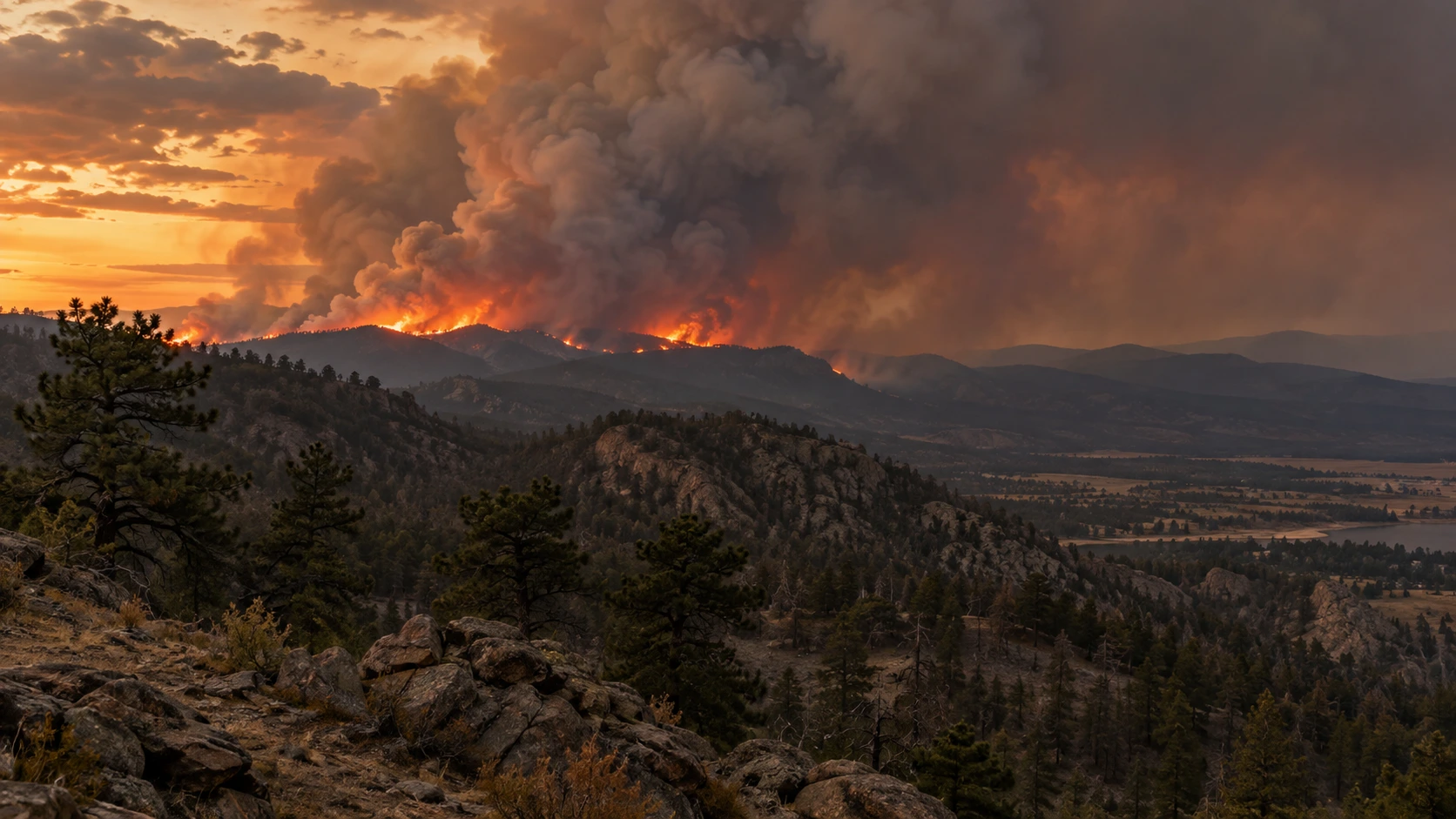
The Aspen Acres Fire is one of the most destructive wildfires in Colorado history, having burned more than 102,000 acres across Custer, Pueblo, and Huerfano counties southwest of Pueblo. Since igniting on June 29, 2026, the fire destroyed 319 homes and damaged or destroyed more than 850 structures in total, forcing thousands of residents from towns including Beulah, Rye, Colorado City, Williamsburg, Coal Creek, and Rockvale. Months later, many of those homeowners are now deep in the insurance claims and rebuilding process. This guide covers what happened, what's known about the cause, and what to expect if you're navigating a claim.
How the Fire Started and Grew
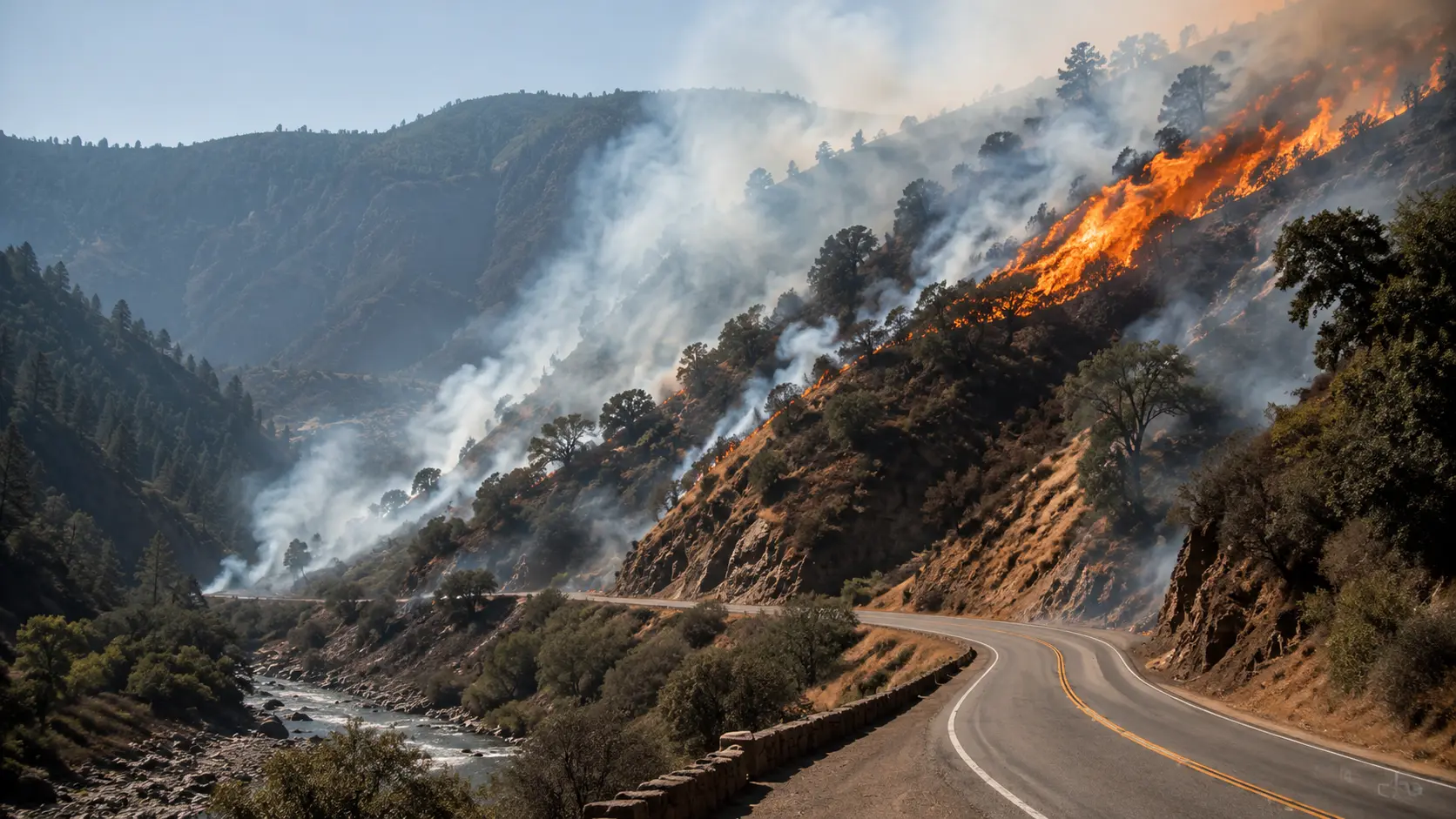
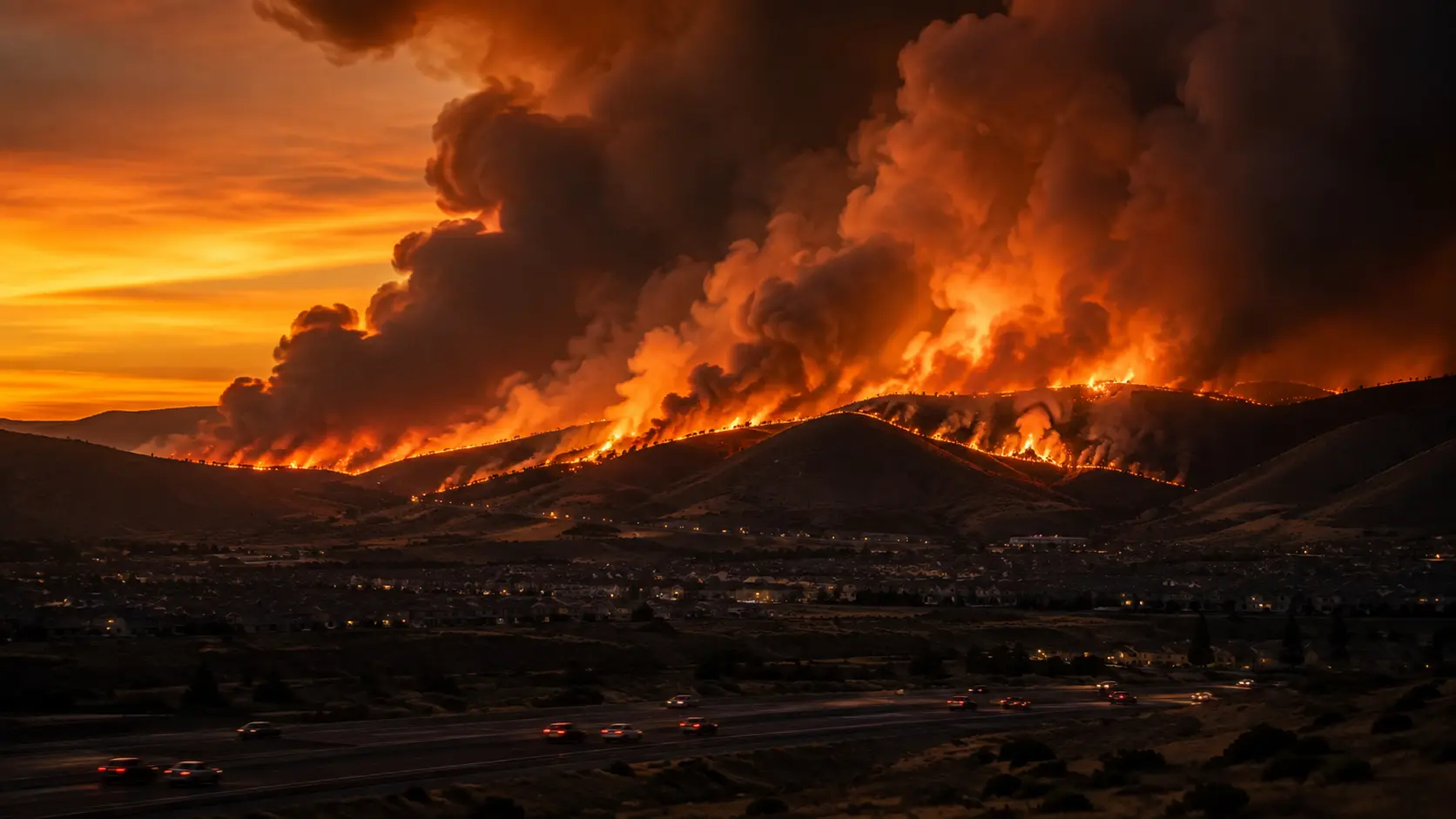
The Aspen Acres Fire was first reported at approximately 6 a.m. on June 29, 2026, about 10 miles northwest of Rye, Colorado, in the San Isabel National Forest. The fire experienced explosive growth in its first days due to record-low fuel moisture, severe drought, and sustained winds over 40 mph with gusts estimated as high as 100 mph. It quickly threatened the small community of Beulah before spreading into additional areas across Custer, Pueblo, Fremont, and Huerfano counties.
- June 29: Fire ignites; grows to an estimated 23,000 acres within days
- Early July: Fire surpasses 91,000 acres, becoming the seventh-largest wildfire in Colorado's recorded history; containment sits in the low double digits
- Mid-July: Fire tops 100,000 acres; containment climbs from 28% to 61% over the course of the month as weather conditions improve
- Late July into August: Fire stabilizes at 102,004 acres; containment continues climbing to 77% and then 82%
- September: Fire activity is minimal, limited to creeping and smoldering; no evacuation orders, warnings, or road closures remain in effect, and the fire poses no current threat to nearby communities
At its peak, more than 1,600 personnel were assigned to the fire, and suppression costs have exceeded $100 million. The fire ranks as the eighth-largest wildfire in Colorado's recorded history by acreage.
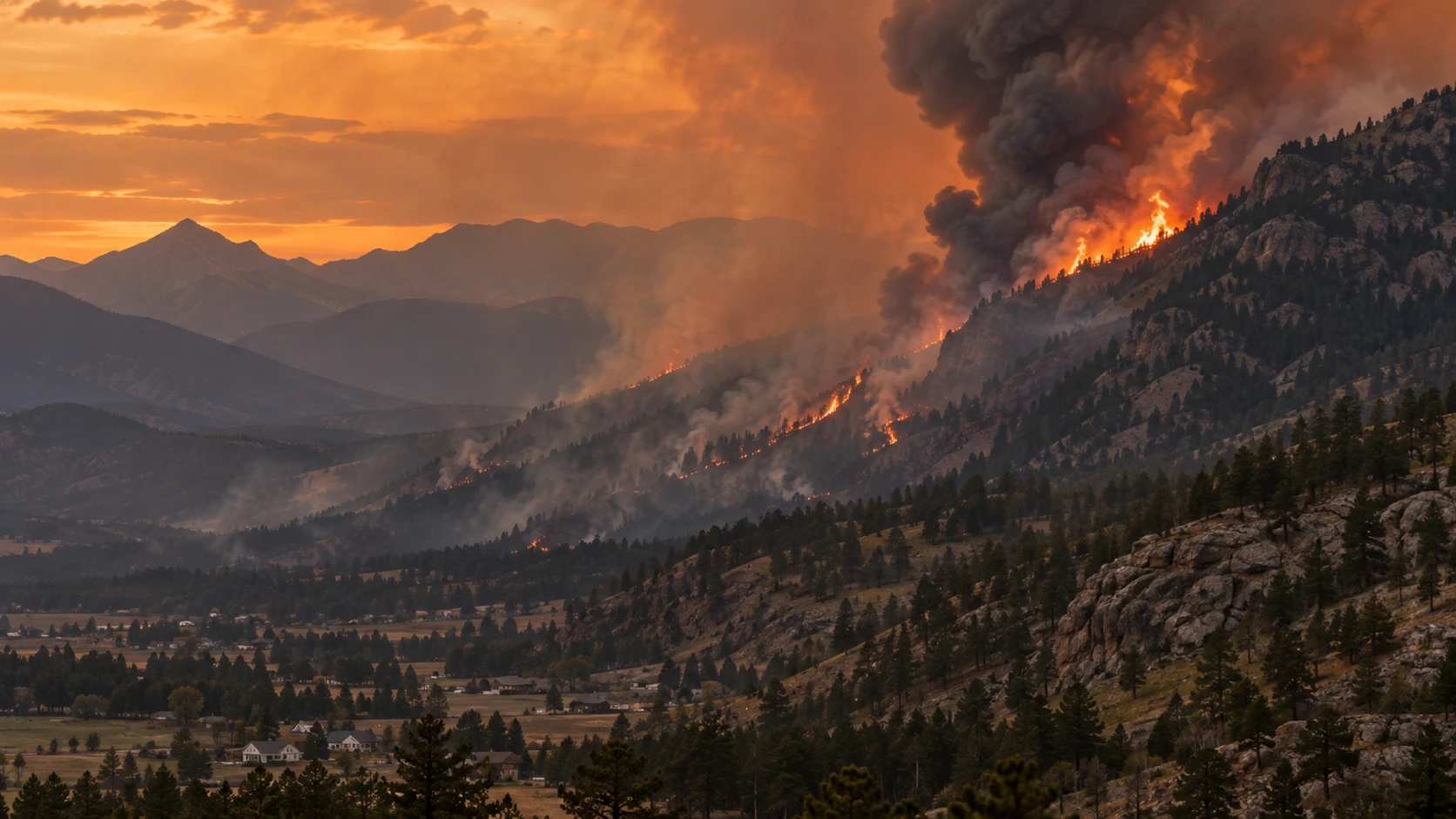
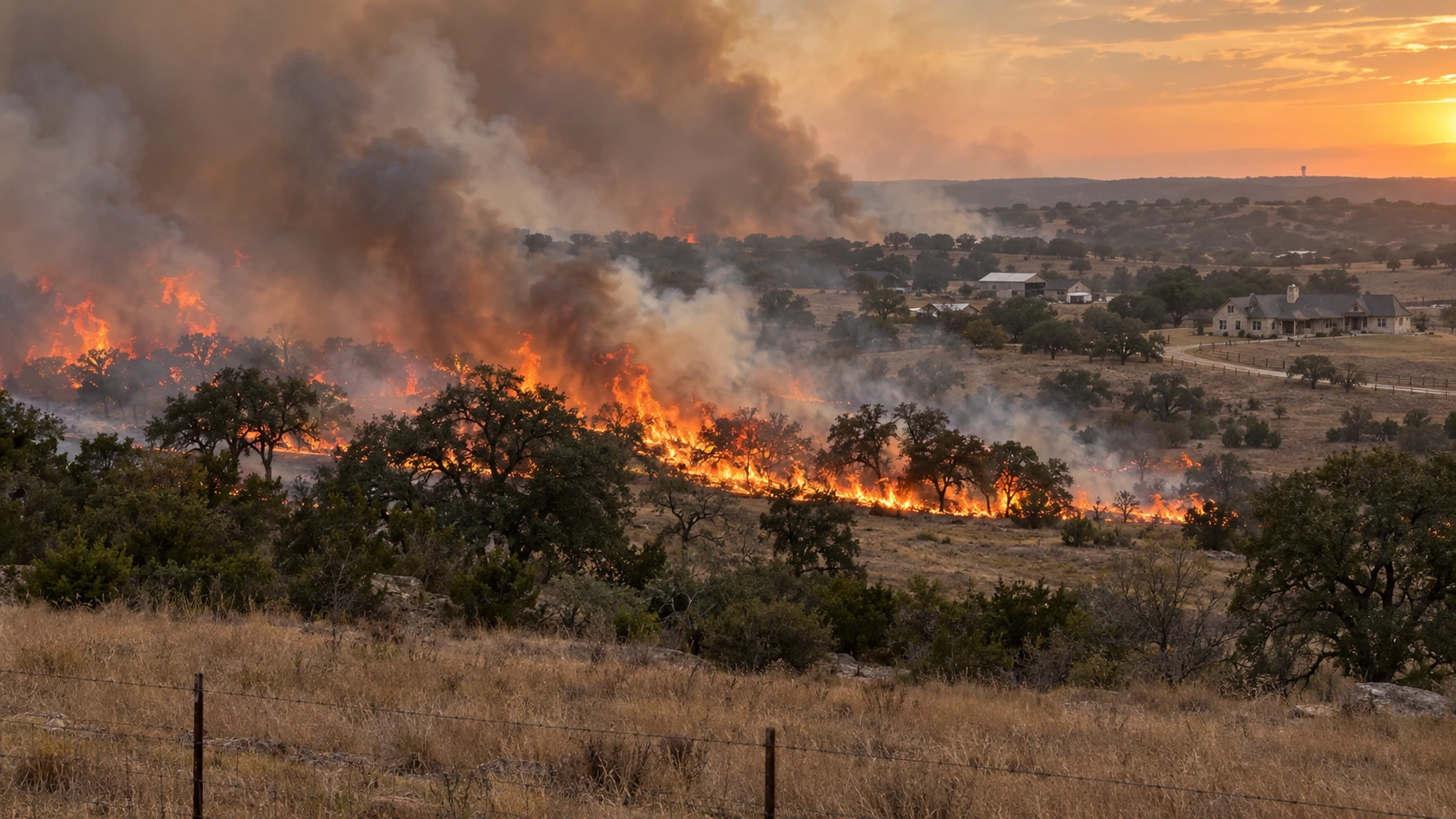
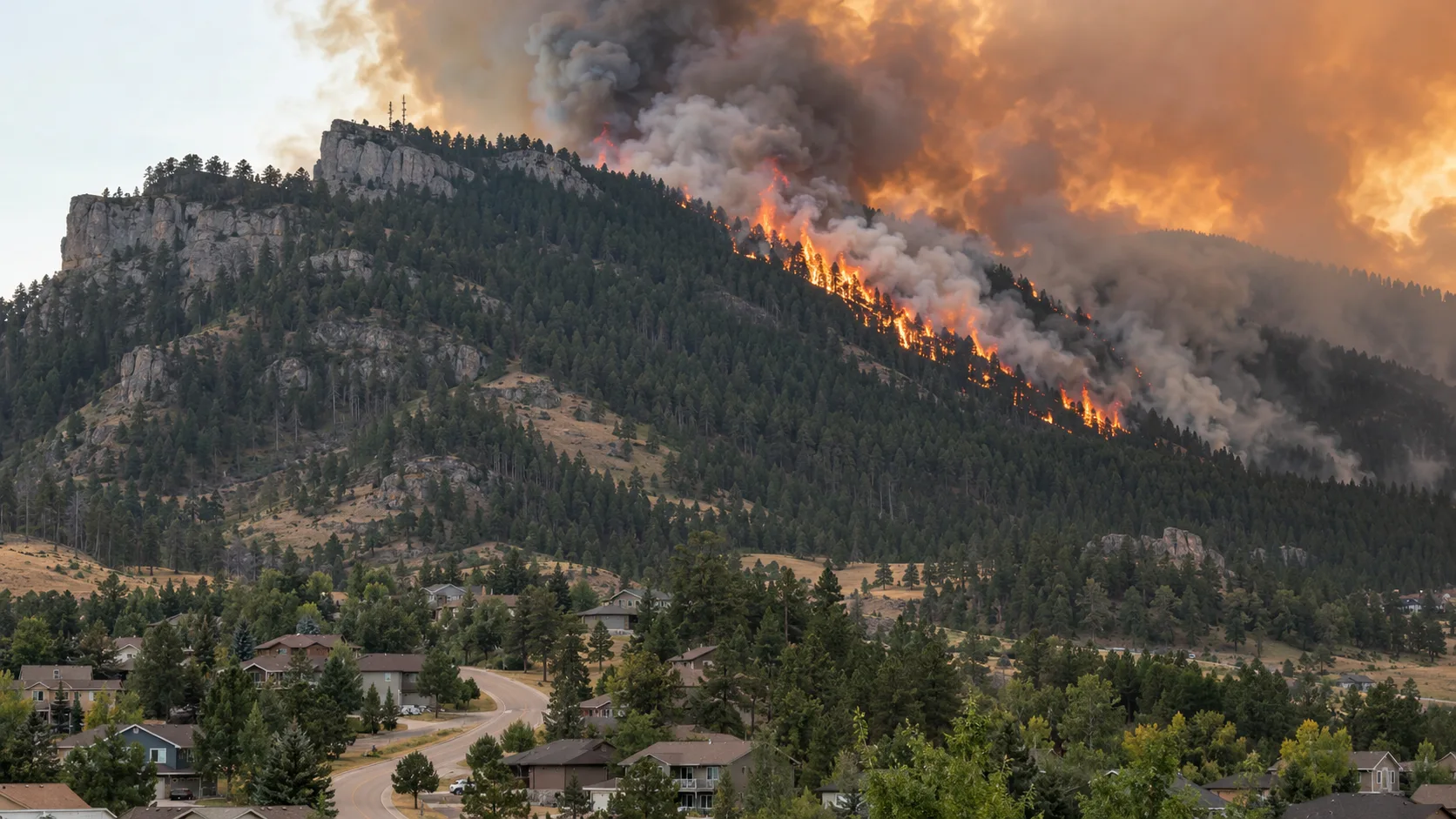
The Aspen Acres Fire burned across Custer, Pueblo, and Huerfano counties in southern Colorado, becoming one of the state's largest and most destructive wildfires on record.
How Many Homes and Structures Were Destroyed?
Damage assessments evolved considerably as crews were able to safely access burned neighborhoods. Early estimates put the number of destroyed homes as high as 337, which was later revised down to a confirmed 319 homes destroyed overall: 241 in Pueblo County and 78 in Custer County. Total structures lost, including outbuildings, garages, barns, and sheds, came to more than 850, according to county officials, with a private aerial imagery analysis suggesting the true number of individual structures lost could be as high as 780 to 851. The town of Beulah alone lost 193 primary residences. No deaths were reported in connection with the fire.
What Caused the Aspen Acres Fire?
Officials have determined the Aspen Acres Fire to be human-caused, though the exact origin and manner of ignition have not been publicly detailed. Governor Jared Polis declared the Aspen Acres Fire, along with several other 2026 Colorado wildfires (the Snyder, Gold Mountain, Willow, Big Sheep, and Ferris fires), as disaster emergencies, a designation that unlocks specific state-level protections for affected homeowners.
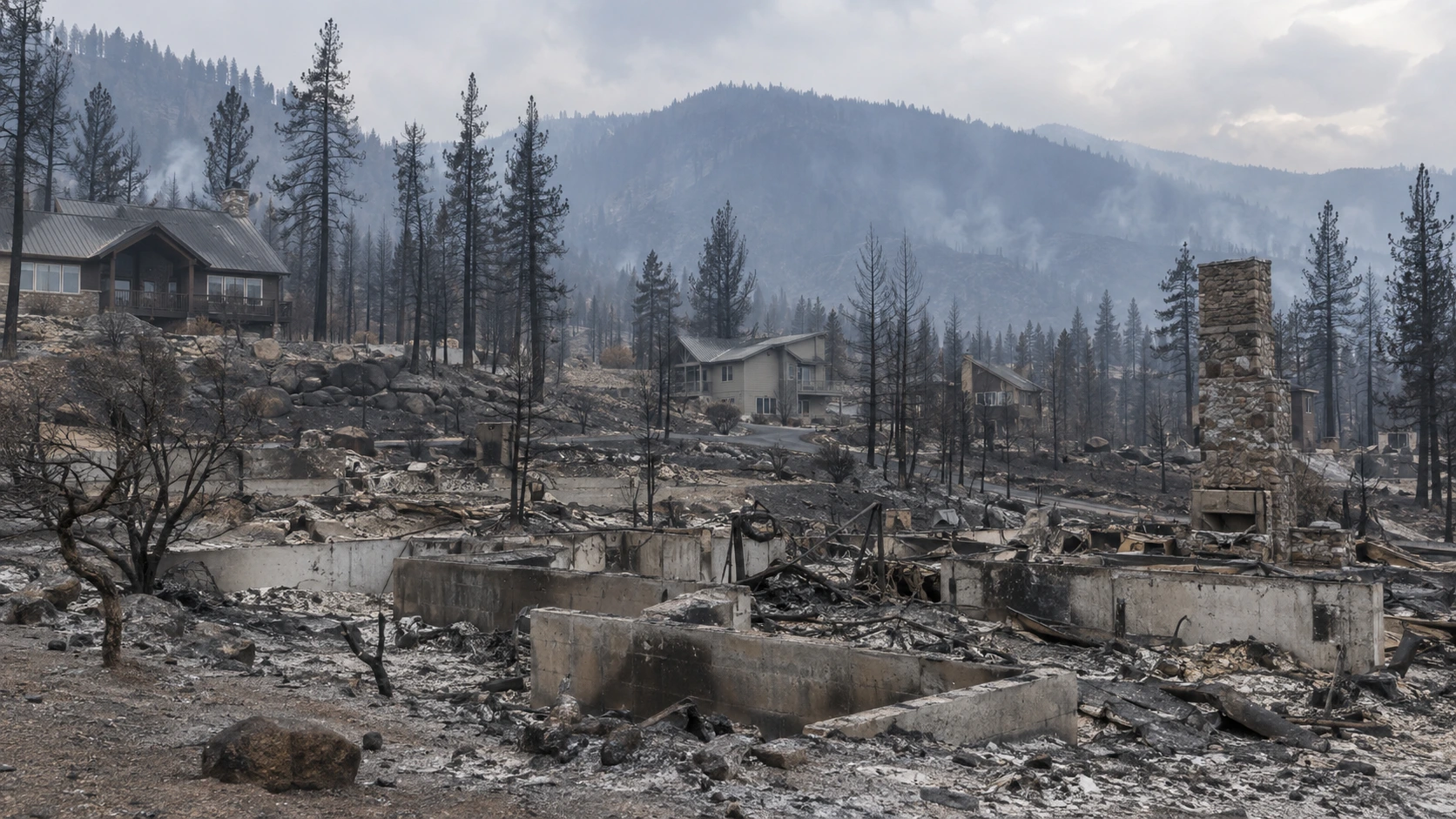
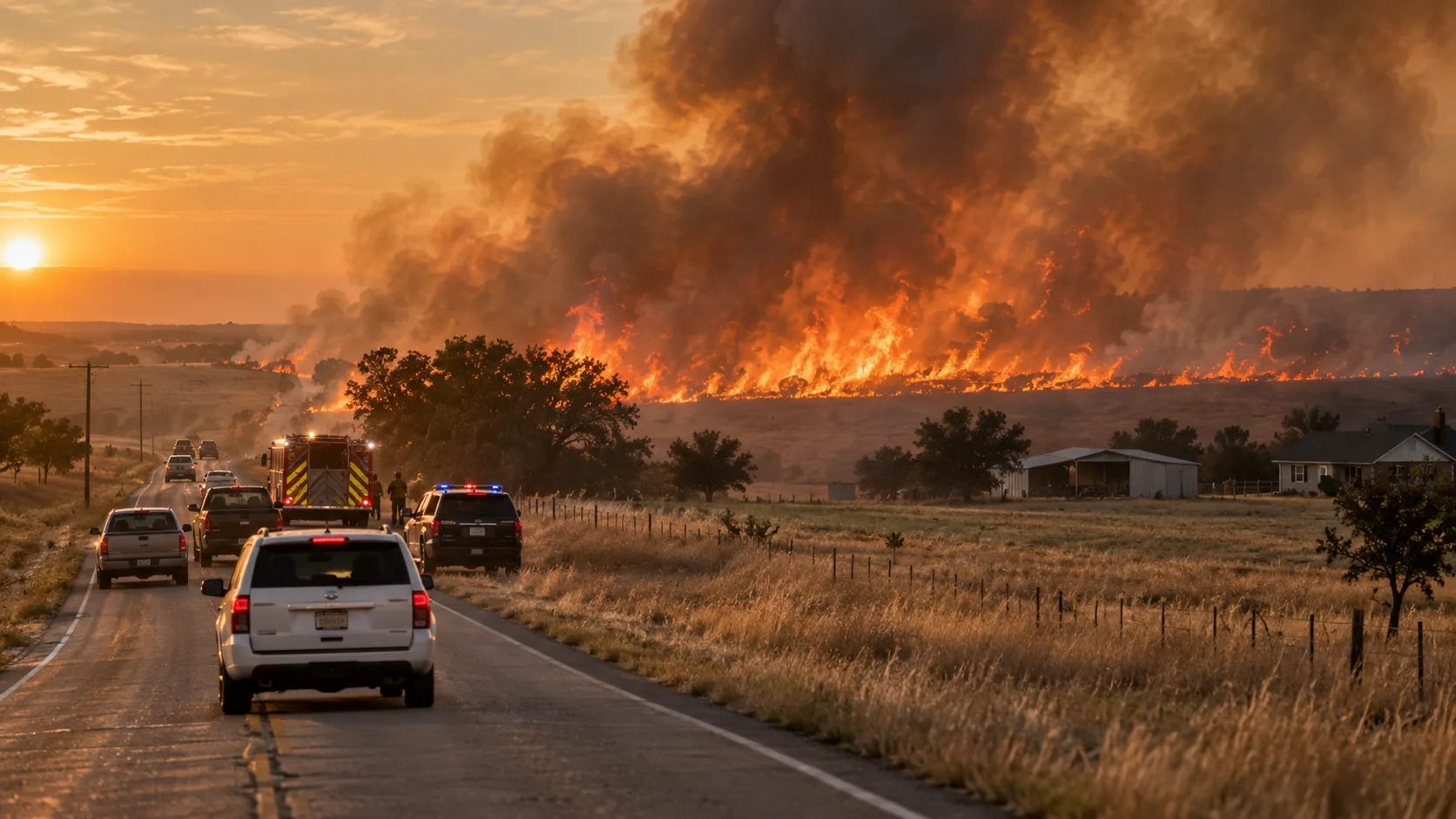
Damage assessments identified 319 destroyed homes and more than 850 total structures lost across Pueblo and Custer counties.
Filing an Insurance Claim After the Aspen Acres Fire
For homeowners who lost a home or suffered damage, the insurance process typically follows a similar path, according to guidance from the Colorado Division of Insurance and consumer advocacy groups working in the affected area:
- Start the claims process quickly. The first payout is often for additional living expenses (ALE), covering short-term costs like rent, utilities, and hotel stays while you're displaced.
- Understand your rebuild options. Under Colorado law (HB 22-1111), insurers must honor a policy whether you choose to rebuild in the same location or relocate elsewhere.
- Watch for underinsurance. A 2022 state study of the Marshall Fire found that destroyed homes were between 36% and 67% underinsured on average, and only about 8% of policies offered full, uncapped guaranteed replacement coverage. Rebuilding costs, driven up by demand after a widespread disaster, often exceed a policy's stated coverage cap.
- Watch for cancellations and non-renewals. The Colorado Division of Insurance adopted an emergency regulation placing a moratorium on certain homeowner policy cancellations and non-renewals in areas affected by the Aspen Acres Fire.
- Document everything. Some damage, like smoke odor, HVAC contamination, staining, or mold from firefighting water, may not show up until weeks or months later. Most policies allow supplemental claims for damage discovered after the initial settlement, so keep photographing and documenting new issues as they appear.
- Be wary of scams. Consumer advocates caution homeowners against signing construction contracts before fully understanding their coverage, since fraud and predatory contractors are common after large-scale disasters.
How Long Does an Aspen Acres Fire Claim Take?
Timelines vary widely depending on the complexity of the loss. Simpler claims may resolve within a few months, while total-loss rebuilds and more complex commercial claims can take a year or longer. Multiple inspections, requests for receipts and item lists, and back-and-forth with adjusters over the scope of damage are common. Public adjusters, who represent the policyholder rather than the insurance company, can help homeowners document the full extent of a covered loss, though they typically charge a fee for that service.
Where to Get Help
- Colorado Division of Insurance Consumer Services: 303-894-7490 or 800-930-3745, or email DORA_Insurance@state.co.us. The division maintains a dedicated 2026 wildfire information hub with claims-filing phone numbers by company and a disaster recovery navigation tool.
- United Policyholders: A nonprofit consumer advocacy group that offers free, insurer-neutral guidance on wildfire insurance claims, cleanup, and rebuilding.
- Local insurance attorneys or public adjusters: Homeowners facing a disputed total-loss valuation or a lowball rebuild estimate may want a professional opinion before signing a final settlement.
Bottom Line
The Aspen Acres Fire burned more than 102,000 acres and destroyed 319 homes across southern Colorado before crews brought it to roughly 82% containment, with activity now minimal and no active threat to nearby communities. For the homeowners affected, the fire itself is largely over, but the insurance claims and rebuilding process is still very much ongoing, and often the harder and longer part of recovery. Starting the claims process early, documenting damage thoroughly, and understanding your policy's replacement cost limits are the most important steps for anyone still working through a claim.
Frequently Asked Questions
Is the Aspen Acres Fire fully contained?
As of the most recent updates, the fire is roughly 82% contained at 102,004 acres. Activity has been minimal for weeks, limited to creeping and smoldering, and no evacuation orders, warnings, or road closures remain in effect.
How many homes were destroyed in the Aspen Acres Fire?
Officials confirmed 319 homes destroyed (241 in Pueblo County and 78 in Custer County), with more than 850 total structures lost, including outbuildings, garages, and sheds.
What caused the Aspen Acres Fire?
The fire has been determined to be human-caused, though the exact origin and circumstances have not been publicly detailed.
Does homeowners insurance cover wildfire damage?
Most standard homeowners policies cover fire damage, including wildfire, but coverage limits, replacement cost caps, and additional living expenses provisions vary significantly by policy, which is why reviewing your specific policy language with your insurer or an advocate is important.
Can I use my insurance payout to rebuild somewhere else?
In Colorado, insurers must honor a homeowner's policy whether they rebuild on the same site or relocate to a new one, under state law (HB 22-1111).
How long does an Aspen Acres Fire insurance claim take to resolve?
It varies. Simpler claims can resolve in a few months, while more complex total-loss or commercial claims can take a year or longer.

Comments 0
No comments yet. Be the first to share your thoughts!
Leave a Comment