GILMER COUNTY, GEORGIA | UPDATED NOVEMBER 21, 2026
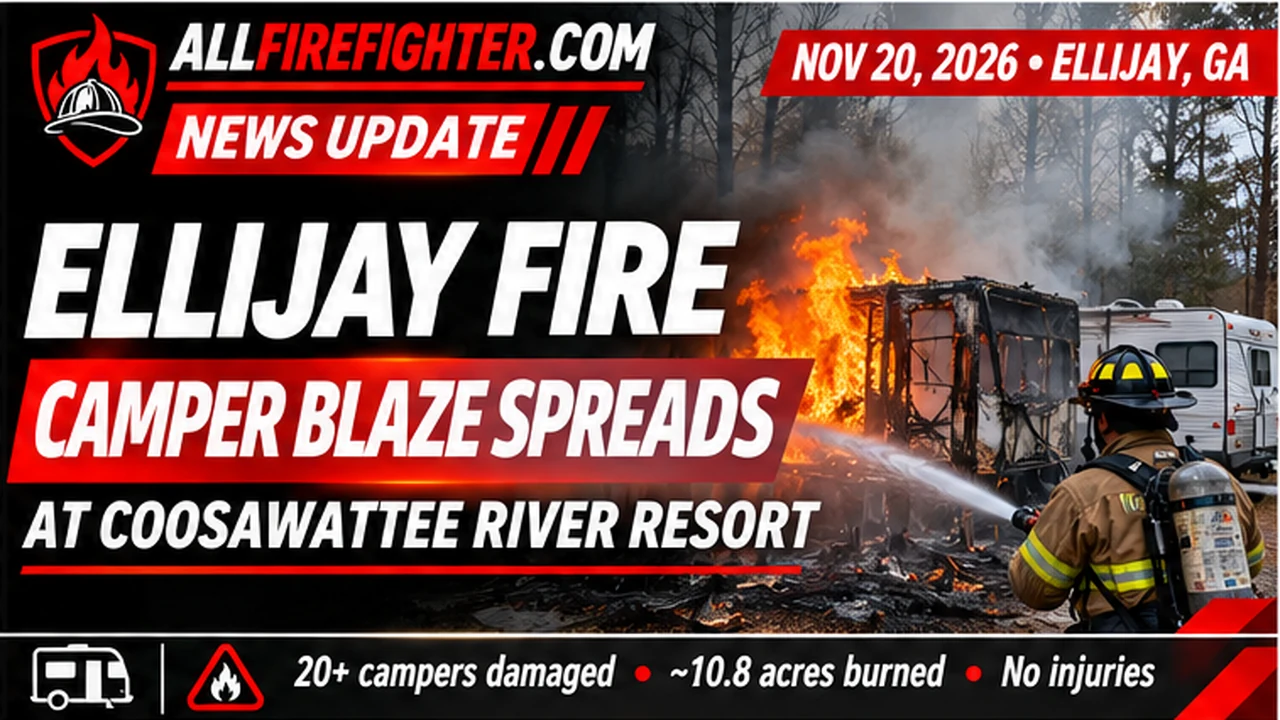
A fire that reportedly began in a camper at Coosawattee River Resort near Ellijay, Georgia, on Friday, November 20, spread through recreational vehicles and nearby wooded land, prompting evacuations before crews brought the fire under control. Local authorities reported the blaze 100% contained on Friday evening. On Saturday, officials began allowing many residents to return, although access and utility conditions remained subject to localized safety restrictions.
Ellijay fire: confirmed facts
- Where: Coosawattee River Resort, Gilmer County, in the Ellijay area of north Georgia.
- Initial report: A camper fire on Ogden Road near 4th Street on November 20, 2026.
- Spread: Multiple recreational vehicles and a wooded area, with concern for nearby homes.
- Scale: Georgia Forestry officials described roughly 10.7 acres during the incident; subsequent reports placed the burned area at about 10–15 acres.
- Initial confirmed losses: At least 13 campers by the sheriff's office's Friday evening count, with later reports indicating more than 20 may have been damaged or destroyed. Figures are preliminary and use different measures.
- Response status: 100% contained Friday evening; hot-spot work and damage assessment continued.
Where did the Coosawattee River Resort fire start?
According to reporting based on the Gilmer County Sheriff's Office, a camper was burning on Ogden Road near 4th Street on Friday afternoon, November 20. Around 2 p.m., deputies were warning that flames were advancing toward 7th Street and nearby homes. That sequence moved the incident from a vehicle fire to a wider vegetation-and-structure exposure emergency. Exact ignition cause inside the camper has not been publicly established in the sources reviewed for this report.
The site is in the Ellijay area of north Georgia. Some early reports identified the fire by the town name, while others used the resort name or Gilmer County. Those labels refer to the same November 20 incident; they are not evidence of multiple separate fires.
What happened on November 20? Fire and evacuation timeline
- About 2 p.m.: Authorities received or reported the camper fire near Ogden Road and 4th Street.
- Early afternoon: Fire spread toward nearby streets and homes. Deputies urged threatened residents to leave promptly and keep roads open.
- After 3 p.m.: Road restrictions expanded, including access around Ogden Road and the Legion Road gate.
- By late afternoon: Multiple RVs and vegetation had burned; a shelter was arranged at the Gilmer County Civic Center, 1561 South Main Street, Ellijay.
- Around 5:35 p.m.: Georgia Forestry Commission official Thomas Barrett told WSB-TV the burned footprint was approximately 10.7 acres and containment stood at about 40%.
- By about 6:27 p.m.: The sheriff's office said the fire was 100% contained. Crews remained to manage hot spots.
- Saturday, November 21: Local officials said residents could begin returning, though some streets and access points remained subject to restrictions and some utility restoration was still underway.
Timings reflect local reporting and updates and should not be treated as a synchronized incident-command event log. See WSB-TV's live chronology and its November 21 return-home report.
How many campers and acres were affected?
The numbers changed as crews moved from emergency suppression into damage assessment. At approximately 6:27 p.m. November 20, the sheriff's office reported at least 13 campers lost, while emphasizing the figure was expected to rise. Some subsequent local coverage reported more than 20 campers damaged or destroyed. A damaged camper is not necessarily a total loss, and early field counts should not be conflated with a final insurance or emergency-management inventory.
Similarly, the Georgia Forestry Commission's roughly 10.7-acre estimate during the fire and later descriptions of about 10–15 acres represent evolving assessments rather than two different incidents. This article does not present one early number as an independently certified final acreage. For an official post-incident total, consult Gilmer County emergency management or the Georgia Forestry Commission if and when they publish a finalized summary.
Were there injuries? Can residents return?
Reports reviewed for this article did not identify confirmed injuries, but the absence of a reported injury total in early coverage is not proof that no one was harmed. Evacuated residents were directed to the Gilmer County Civic Center, where local emergency-management personnel and the American Red Cross were available to help. On Saturday, authorities began allowing residents to return, with some road access restrictions and potential power outages still affecting the area.
Important: A fire being “100% contained” does not mean every hot spot is cold or every structure is immediately safe to enter. Return decisions should follow current instructions from the sheriff's office, fire rescue, resort management and utility providers rather than an older news article.
Why could a camper fire spread across a resort?
RV and campground environments can place multiple combustible exposures close together: vehicle bodies and interiors, awnings, decking, nearby parked vehicles, vegetation and outdoor storage. A fire that starts in one camper may expose adjacent RVs through radiant heat, direct flame contact or wind-driven embers. Where a recreational vehicle area borders wooded land, crews may have to protect both occupied structures and vegetation at once.
Dry conditions and low humidity can make surface fuels more receptive to ignition. WSB-TV reported that Gilmer County was under a high fire-danger weather statement on the day of the incident. The Georgia Forestry Commission treated the spreading vegetation component as a wildfire, according to the station's interviews. These factors help explain why such an event can escalate; they do not establish the unverified ignition cause or the exact route taken by flames between individual campers.
What about propane tanks and fuel systems?
Many RVs contain liquefied petroleum gas cylinders, vehicle fuel, batteries and electrical equipment. Firefighters must assess potential cylinder heating, fuel leakage, energized systems and access limitations based on the specific vehicles involved. No source reviewed here confirms a propane explosion caused the Ellijay fire. It would be misleading to present a generic RV hazard as a documented event at this resort.
The operational challenge: protecting campers, homes and forest
According to local emergency updates carried by WSB-TV, Gilmer County Fire Rescue worked alongside the Georgia Forestry Commission and mutual-aid resources. Road access, changing fire direction, evacuation traffic and threatened structures can make coordinated suppression difficult. A fast-changing perimeter can also require separating residents from responding apparatus and keeping entry points open for emergency vehicles.
The transition from active flame to hot-spot suppression is significant. Once forward spread stops, crews still need to identify residual heat, assess damaged structures, manage hazardous utility conditions and keep the public away from unstable or energized debris. Friday's containment announcement therefore marked a major improvement, not the end of all incident-related work.
Practical campground fire-safety lessons
- Know two ways out: Before setting up camp, identify both the nearest exit and a fallback route if smoke or emergency vehicles block one road.
- Maintain separation: Follow campground and fire-code rules for parking, awnings, grills, fire pits and storage; clearances vary with local rules and conditions.
- Keep access clear: Do not block hydrants, gates, turning areas or narrow emergency lanes with vehicles or equipment.
- Install and test alarms: Use appropriate smoke, carbon monoxide and LPG detection equipment for the RV and maintain it per the manufacturer's instructions.
- Act on official evacuations: If flames are advancing through a campground, leaving early is safer than waiting for a visual confirmation at your site.
- Do not reenter a damaged camper: Electrical faults, batteries, cylinders and structural damage can remain hazardous after flame knockdown.
These are general risk-reduction considerations, not an assessment of rule compliance by Coosawattee River Resort or its residents. The fire's specific cause and spread factors should come from qualified investigators.
Frequently asked questions
Where was the Ellijay fire?
The November 20, 2026 fire occurred in the Coosawattee River Resort area of Gilmer County, Georgia, with the initial camper fire reported near Ogden Road and 4th Street.
Is the Coosawattee River Resort fire contained?
The sheriff's office reported 100% containment by Friday evening, November 20. Crews continued hot-spot work and safety checks.
How many RVs burned in Ellijay?
Officials initially reported at least 13 camper losses Friday evening; later reporting suggested more than 20 may have been damaged or destroyed. A final certified inventory was not available in sources reviewed at this update.
How large was the fire?
Early forestry estimates were approximately 10.7 acres, with subsequent reports describing around 10–15 acres. Both are approximate incident assessments.
Did the fire start from a propane explosion?
Sources reviewed report a camper fire as the starting incident. They do not establish a propane explosion as the cause.
Can residents return to Coosawattee River Resort?
Officials began allowing returns November 21, subject to local road, utility and damaged-area restrictions. Residents should verify current access with local authorities before traveling.
Sources and editorial note
- WSB-TV: live reports and Gilmer County EMA updates, November 20
- WSB-TV: residents begin returning, November 21
- CBS Atlanta: initial camper fire and emergency response
- FetchYourNews: community damage reporting
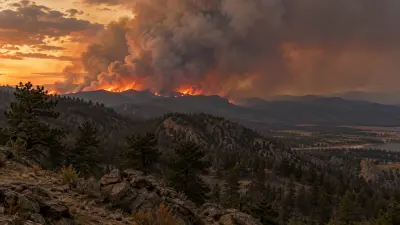
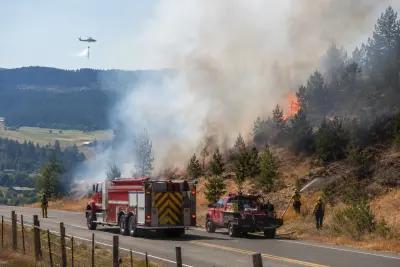
Editorial transparency: This is a documented synthesis of local reporting and public emergency statements, not eyewitness journalism. Casualty counts, damage inventories and access rules can change. Featured art is an illustration, not original incident photography.
Comments 0
No comments yet. Be the first to share your thoughts!
Leave a Comment