Firefighter Cancer Risk: Causes, High-Risk Exposures, and What You Can Do to Reduce It
Cancer is now the leading cause of firefighter line-of-duty deaths in the United States, surpassing traumatic injuries and cardiac events. Firefighters have elevated rates of multiple cancers compared to the general population — not because of genetics or lifestyle choices, but because of occupational exposures that accumulate over a career. This guide covers the specific carcinogens firefighters are exposed to, the cancers most strongly linked to fire service work, and the decontamination and prevention practices that reduce lifetime cancer risk.
Jump to:Cancer data in the fire service · What firefighters are exposed to · PFAS and AFFF foam · Highest-risk cancers · Gross decontamination protocol · Gear contamination · Prevention practices · Cancer screening · Presumptive legislation · FAQ
Cancer Data in the Fire Service
The evidence linking firefighting to occupational cancer is now well-established. Key findings from NIOSH, IAFF, and major research studies:
- Firefighters have a 9% higher overall cancer incidence than the general U.S. population
- Firefighters have a 14% higher cancer mortality rate than the general population
- Certain cancers show dramatically elevated rates: mesothelioma, non-Hodgkin lymphoma, bladder cancer, testicular cancer, and multiple myeloma all appear at significantly elevated rates in firefighters
- The IAFF reports that cancer now accounts for approximately 66% of all firefighter line-of-duty deaths
- Exposure is dose-dependent: more years of service and more interior fire suppression operations correlate with higher cancer risk
This is an occupational hazard, not a personal failure. Firefighters who develop cancer are not victims of their own lifestyle choices — they are experiencing the predictable result of repeated carcinogen exposure that the profession has historically normalized and inadequately addressed.
What Firefighters Are Actually Exposed To
The carcinogen load in structural firefighting comes from multiple sources simultaneously, which makes it difficult to isolate single causative agents. The primary exposure pathways:
Combustion products
Modern buildings contain synthetic materials that produce far more toxic combustion products than natural materials. When polyurethane foam, PVC piping, engineered wood, synthetic carpeting, and electronics burn, they produce:
- Polycyclic aromatic hydrocarbons (PAHs) — Group 1 carcinogens found in fire smoke and soot. Absorbed through skin and inhalation.
- Benzene — Known human carcinogen linked to leukemia. Present in fire smoke from petroleum-based materials.
- Formaldehyde — Produced by combustion of wood and many synthetic materials. Carcinogenic at sustained exposure levels.
- Hydrogen cyanide and carbon monoxide — Acute toxins also present in smoke that indicate other carcinogen co-exposure.
- Asbestos — Still present in many pre-1990 buildings. Disturbed by fire and suppression operations, particularly in older commercial and industrial structures.
- Heavy metals — Lead, cadmium, chromium, and arsenic from burned building materials and electronics.
Dermal exposure: the underappreciated pathway
Research has shown that dermal (skin) absorption may be the primary carcinogen exposure pathway for firefighters — not inhalation. Even with SCBA protecting the respiratory system, carcinogens in soot and smoke penetrate through:
- Exposed skin at the wrists, collar, and face
- Gear that is permeable to certain volatile organic compounds
- Contaminated gear that contacts skin during doffing
- Contaminated hands touching the face, food, and drinks at the scene or during rehab
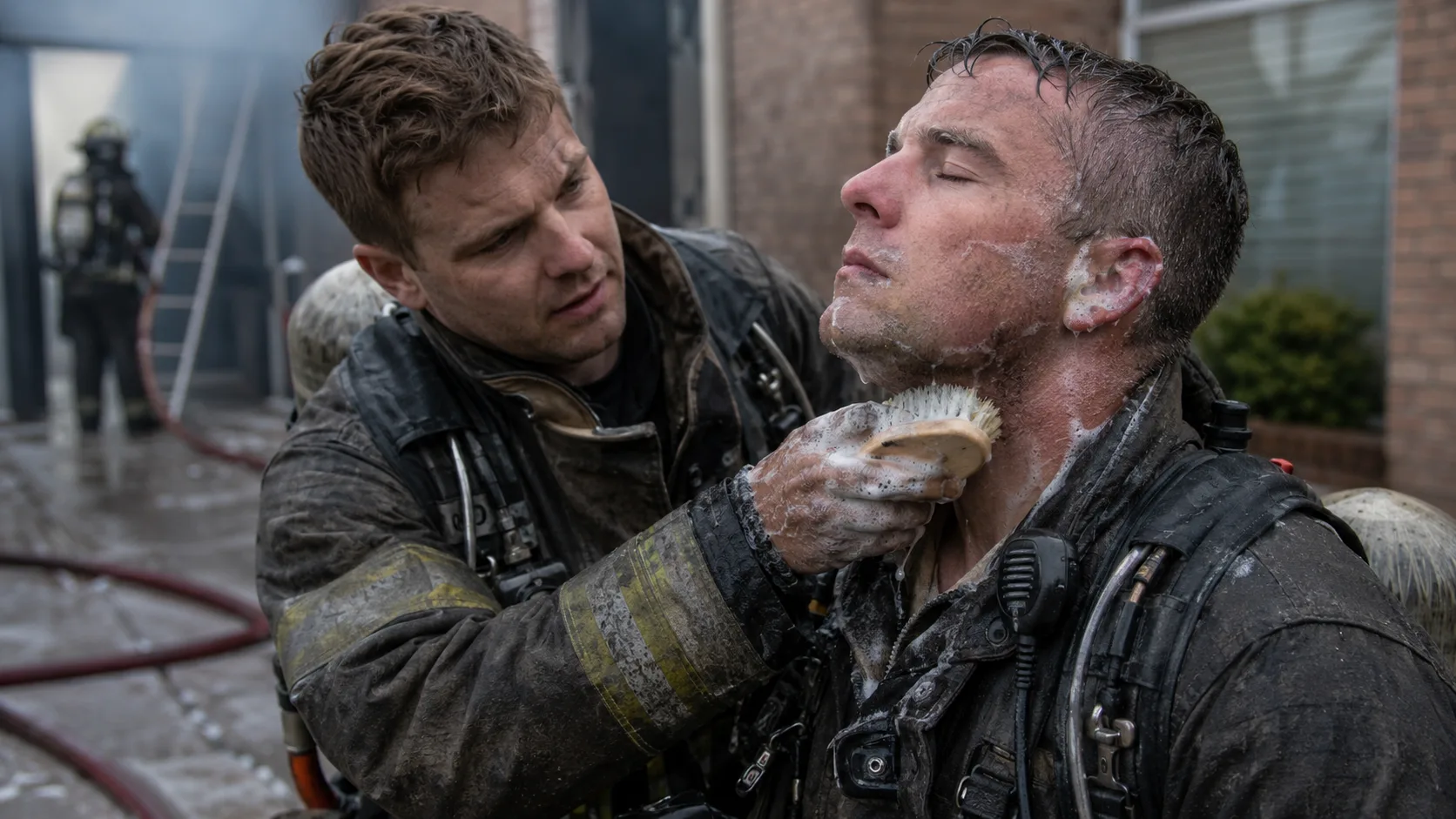
The neck and wrists are the highest absorption zones. The skin at the neck, wrists, and jaw is thinner and absorbs chemicals faster than other areas. These are exactly the zones where turnout gear leaves gaps. Decontamination of these areas immediately after fire suppression is one of the highest-impact actions you can take.
PFAS and AFFF Foam: A Separate Cancer Exposure
Per- and polyfluoroalkyl substances (PFAS) are a class of synthetic chemicals used in Aqueous Film Forming Foam (AFFF) — the Class B suppression foam used on fuel fires, aircraft crashes, and training exercises. PFAS are sometimes called "forever chemicals" because they do not break down in the body or the environment.
PFAS exposure routes in the fire service
- Direct skin contact during AFFF application and training exercises
- Contaminated gear and clothing that continues to off-gas PFAS after use
- Contaminated station environments where AFFF has been used and not fully remediated
- Drinking water from wells or municipal supplies near training facilities and airports that used AFFF
- Inhalation of AFFF mist during high-pressure application
PFAS-linked health effects
PFAS exposure is associated with: kidney cancer, testicular cancer, thyroid disease, ulcerative colitis, elevated cholesterol, immune system suppression, and developmental effects. The EPA has established health advisory limits for PFAS in drinking water. Many fire departments are now transitioning from PFAS-based AFFF to fluorine-free foam (F3) alternatives, particularly for training purposes.
Cancers with Strongest Links to Fire Service Work
| Cancer type | Relative risk vs general population | Primary exposure link |
|---|---|---|
| Mesothelioma | Significantly elevated | Asbestos in pre-1990 buildings |
| Non-Hodgkin lymphoma | Elevated | Benzene, PAHs, other combustion products |
| Bladder cancer | Elevated | PAHs (kidney filters and concentrates carcinogens) |
| Testicular cancer | Elevated | PFAS, combustion products, dermal absorption |
| Multiple myeloma | Elevated | Benzene, PAHs |
| Prostate cancer | Elevated | Combustion products, shift work (circadian disruption) |
| Thyroid cancer | Elevated | PFAS, flame retardants |
| Kidney cancer | Elevated | PFAS, PAHs |
| Brain cancer | Elevated (certain types) | Combustion products, electromagnetic exposure from radio equipment |
| Leukemia | Elevated | Benzene |
Gross Decontamination Protocol: What to Do After Every Fire
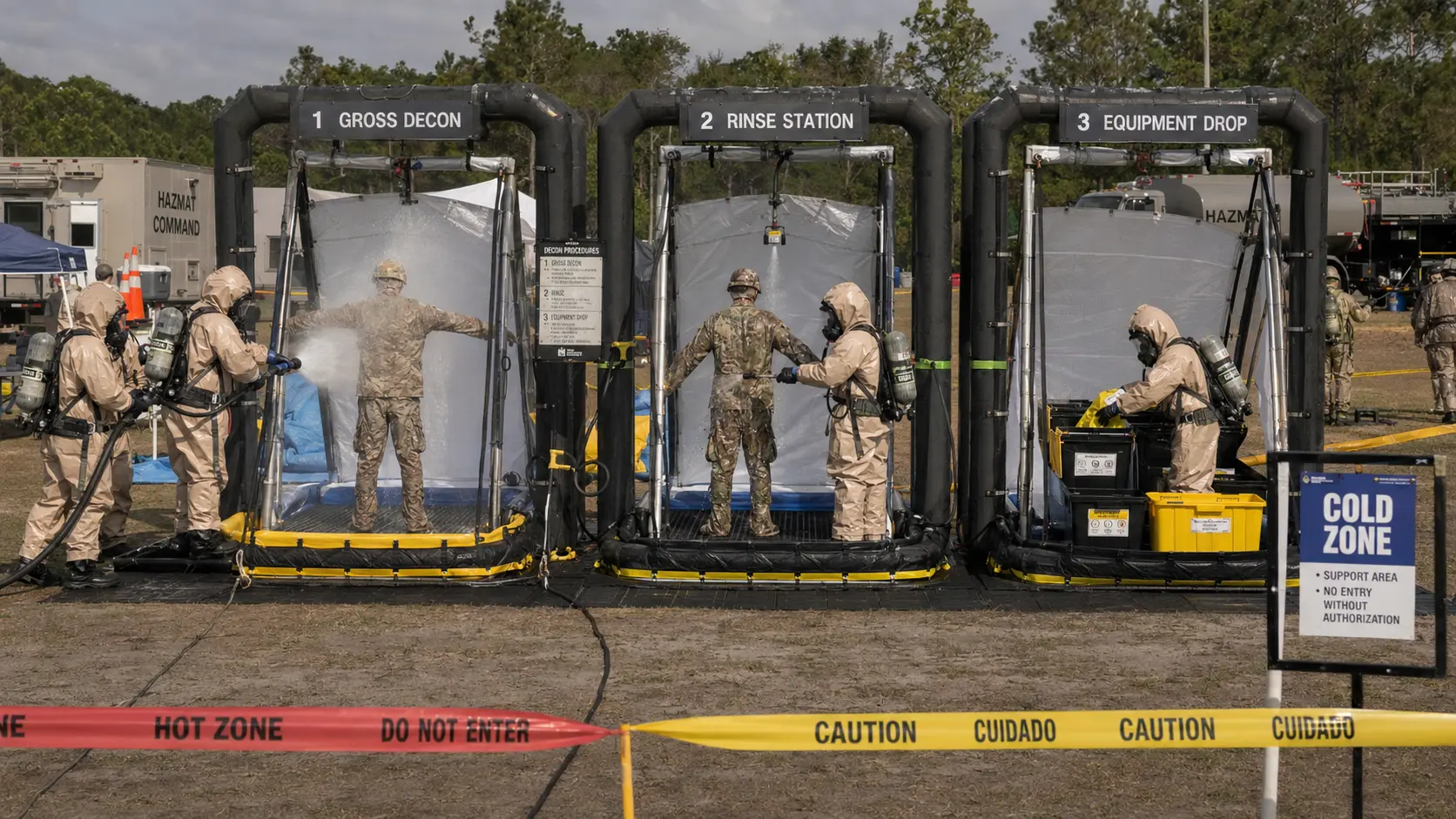
Gross decontamination at the scene — before getting in the apparatus, before removing gear, before eating or drinking — is the single highest-impact cancer prevention practice available to firefighters. The goal is to remove surface contamination before it is absorbed through skin or transported back to the station on gear.
On-scene gross decon sequence
- Wipe exposed skin immediately. Before removing any gear, wipe neck, wrists, jaw, and any exposed skin with a wet wipe or damp towel. Remove as much surface soot as possible before doffing.
- Doff gear carefully. Remove turnout gear in a way that minimizes contact between contaminated exterior surfaces and your body and clothing. If possible, bag contaminated gear at the scene rather than transporting loose in the cab.
- Wash hands and face. Before eating, drinking, touching your face, or getting in the apparatus. This is not optional.
- Change clothing. Structural clothing worn during fire suppression should be changed and washed as soon as possible after the incident, not worn for the remainder of the shift.
- Shower at the station. The "20-minute rule": shower within 20 minutes of returning to the station after a working fire. This dramatically reduces dermal absorption of carcinogens that are still present on skin after gross decon.
The 20-minute shower rule. Research has shown that showering within 20 minutes of fire suppression significantly reduces blood and urine levels of carcinogenic compounds compared to delayed showering. This is one of the most well-evidenced individual cancer prevention practices in the fire service.
Gear Contamination and Storage
Contaminated gear stored in the cab or living quarters continues to off-gas carcinogens into the air firefighters breathe for hours after the fire. Gear management matters:
- Never store contaminated gear in the passenger cab. Use a separate compartment, bag it, or keep it outside the cab after a working fire.
- Wash gear after every structural fire suppression assignment. NFPA 1851 governs gear inspection and cleaning. Advanced cleaning (by an ISP-certified cleaner) is required periodically and after any gross contamination event.
- Do not dry contaminated gear in the living areas. Hanging gear to dry in the station bay or living quarters contaminates the air in those spaces with off-gassed carcinogens.
- Replace gear per manufacturer and NFPA 1851 timelines. Damaged or degraded gear that no longer provides barrier protection against chemical permeation should be replaced, not repaired for continued firefighting use.
- Don't bring it home. Never take contaminated gear home for washing or storage. Home washing machines are not designed for contaminated PPE and can contaminate your home environment and your family's clothing.
Individual Prevention Practices
Beyond decontamination, these practices reduce cumulative carcinogen load over a career:
- Always wear SCBA during overhaul. Not just during active fire attack. Overhaul environments contain smoldering materials that off-gas carcinogens without visible flame or heavy smoke. Many firefighters remove their SCBA during overhaul — this is one of the highest carcinogen exposure periods of a structural fire response.
- Wear hood during all interior operations. The hood covers the neck, jaw, and ear areas — the highest-absorption zones. Thin or damaged hoods dramatically increase dermal exposure.
- Avoid eating or drinking until decontaminated. Carcinogens on hands and face are directly ingested when firefighters eat at the scene or in the apparatus cab before washing.
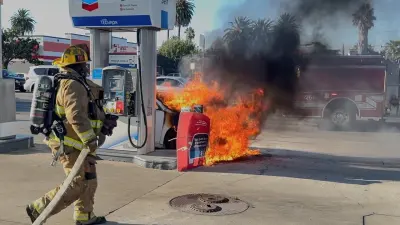
- Use proper PPE during car fires. Vehicle fires produce highly toxic combustion products from burning plastics, electronics, and synthetic materials. SCBA use during vehicle fire suppression and overhaul is as important as during structural fires.
- Clean apparatus cabs regularly. The interior of apparatus cabs accumulates carcinogenic particulate from gear, clothing, and bodies returning from fire scenes. Regular cab cleaning with appropriate products reduces ongoing exposure.
Cancer Screening Recommendations for Firefighters
Because of elevated cancer risk, firefighters should discuss earlier and more frequent screening with their physician. The IAFF and NFPA 1582 provide guidance, but individual screening decisions should be made with a physician familiar with your occupational exposure history.
| Cancer type | General population screening | Firefighter consideration |
|---|---|---|
| Colorectal | Start at 45 | Consider earlier baseline; discuss with physician |
| Prostate (PSA) | Discuss at 50 | Elevated risk — discuss screening timeline with physician at 40 |
| Bladder (urine cytology) | Not standard for general population | Consider periodic urine cytology given elevated bladder cancer rates |
| Thyroid | Not standard unless symptomatic | PFAS-exposed firefighters should discuss with physician |
| Lung (low-dose CT) | Smokers 50–80 with 20+ pack-year history | Non-smoking firefighters with significant smoke exposure should discuss eligibility |
| Testicular | Self-exam; clinical if abnormality found | Same; elevated rate warrants awareness and prompt evaluation of any finding |
Presumptive Cancer Legislation
Presumptive legislation shifts the burden of proof for workers' compensation claims. Instead of requiring a firefighter to prove their cancer was caused by their job exposure (extremely difficult), presumptive laws presume that certain cancers in firefighters are occupationally caused unless the employer can prove otherwise.
As of 2026, the majority of U.S. states have enacted some form of firefighter cancer presumption legislation, though coverage varies significantly by state in terms of which cancers are covered, years of service required, and other conditions. Check your state's specific statute and consult with your union representative or an occupational disease attorney to understand your coverage.
Federal firefighters (Forest Service, BLM, NPS) are covered under federal workers' compensation provisions. PTSD, hearing loss, and certain cancers have presumptive coverage under federal statutes.
Frequently Asked Questions
What cancers are most common in firefighters?
Mesothelioma, non-Hodgkin lymphoma, bladder cancer, testicular cancer, multiple myeloma, prostate cancer, and thyroid cancer all appear at elevated rates in firefighters compared to the general population. The NIOSH firefighter cancer study and IAFF data provide the most comprehensive evidence on specific cancer elevations.
Does wearing SCBA prevent all cancer exposure?
No. SCBA protects the respiratory system, but dermal (skin) absorption may be the primary carcinogen exposure pathway for firefighters. Carcinogens in soot penetrate through exposed skin at the neck, wrists, and face even when SCBA is worn. Gross decontamination of skin immediately after fire suppression is essential even with full SCBA compliance.
Is overhaul more dangerous than fire attack for cancer exposure?
From a cancer exposure standpoint, overhaul may present as much or more risk than active suppression. Smoldering materials continue to off-gas carcinogens during overhaul at levels that may not trigger immediate symptoms but represent significant cumulative exposure. Always wear SCBA during overhaul operations, not just during active fire attack.
What is PFAS and why does it matter for firefighters?
PFAS (per- and polyfluoroalkyl substances) are synthetic chemicals used in AFFF firefighting foam that do not break down in the body or environment. They are linked to kidney cancer, testicular cancer, thyroid disease, and other conditions. Firefighters are exposed through direct contact with AFFF during training and suppression, through contaminated gear, and through contaminated water supplies near training facilities.
What is the 20-minute shower rule for firefighters?
Research has shown that showering within 20 minutes of returning to the station after structural fire suppression significantly reduces blood and urine levels of carcinogenic compounds compared to delayed showering. The sooner carcinogens are removed from skin, the less is absorbed. This is one of the most evidence-based individual cancer prevention practices available to firefighters.
Comments 0
No comments yet. Be the first to share your thoughts!
Leave a Comment