PFAS in Firefighting Gear: Health Risks, Research, and What to Do
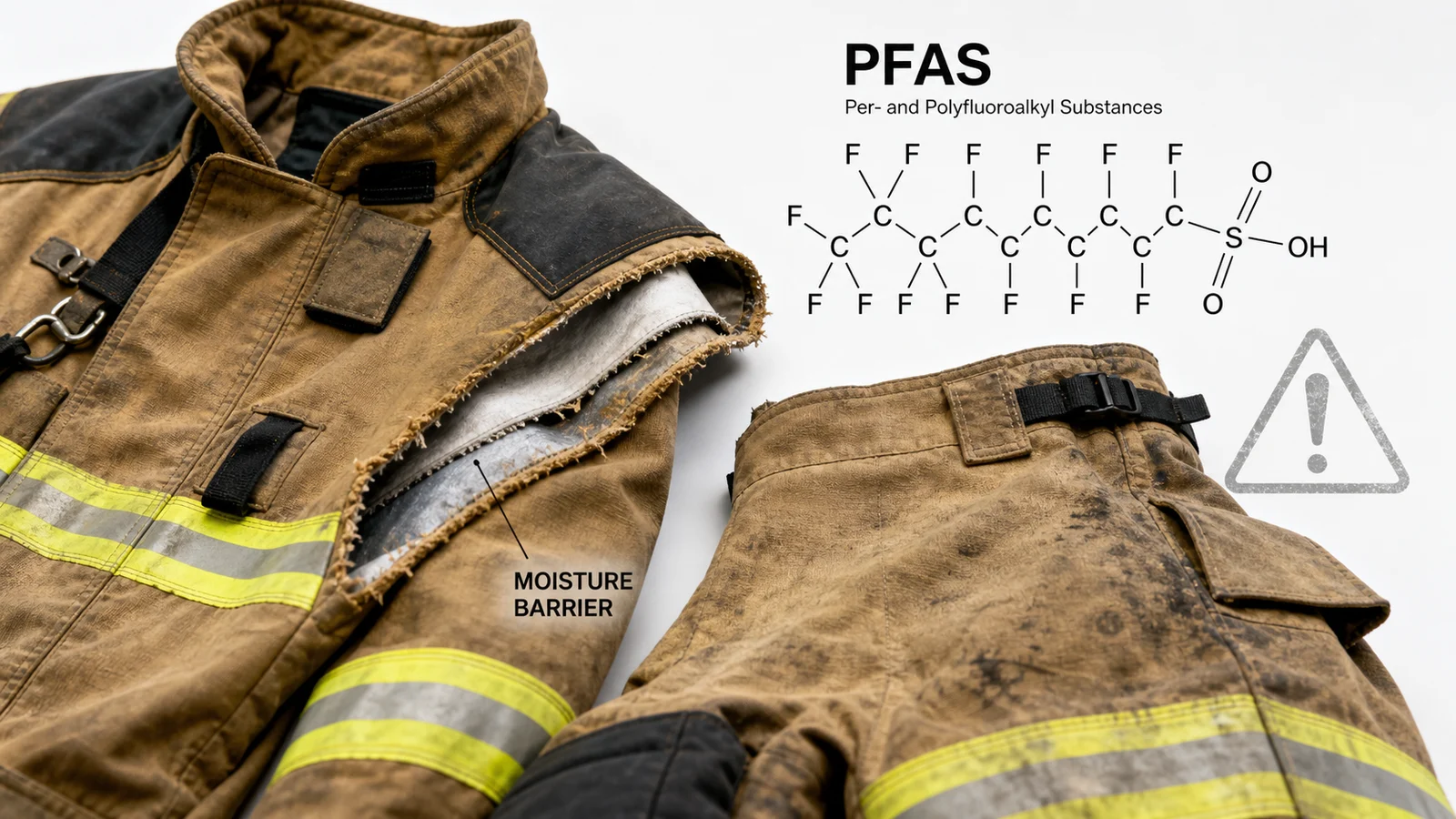
Per- and polyfluoroalkyl substances (PFAS) — commonly called "forever chemicals" — have been used in firefighting equipment for decades. They are in the moisture barriers of turnout gear, in SCBA mask seals and straps, in station wear treatments, and most notably in aqueous film-forming foam (AFFF). Research over the past decade has established that firefighters have significantly elevated PFAS blood serum levels compared to the general population, and that those elevated levels are associated with increased risk of multiple cancers and other health conditions. This is not a theoretical concern — it is an active occupational health crisis in the fire service.
Jump to:What PFAS are · Sources in firefighting · How exposure happens · Health effects · Key research findings · What to do now · PFAS-free gear · FAQ
What PFAS Are
PFAS is an umbrella term for a group of over 12,000 synthetic chemicals characterized by strong carbon-fluorine bonds — one of the strongest bonds in organic chemistry. This bond makes PFAS extremely resistant to heat, water, oil, and biological degradation. They do not break down in the environment or in the human body, which is why they accumulate over time and earned the name "forever chemicals."
The two most extensively studied PFAS — perfluorooctanoic acid (PFOA) and perfluorooctane sulfonic acid (PFOS) — have been largely phased out of U.S. manufacturing under EPA pressure. However, they have been replaced by shorter-chain PFAS compounds whose long-term health effects are less well understood but appear similarly concerning.
Sources of PFAS in Firefighting
| Source | PFAS type | Exposure pathway |
|---|---|---|
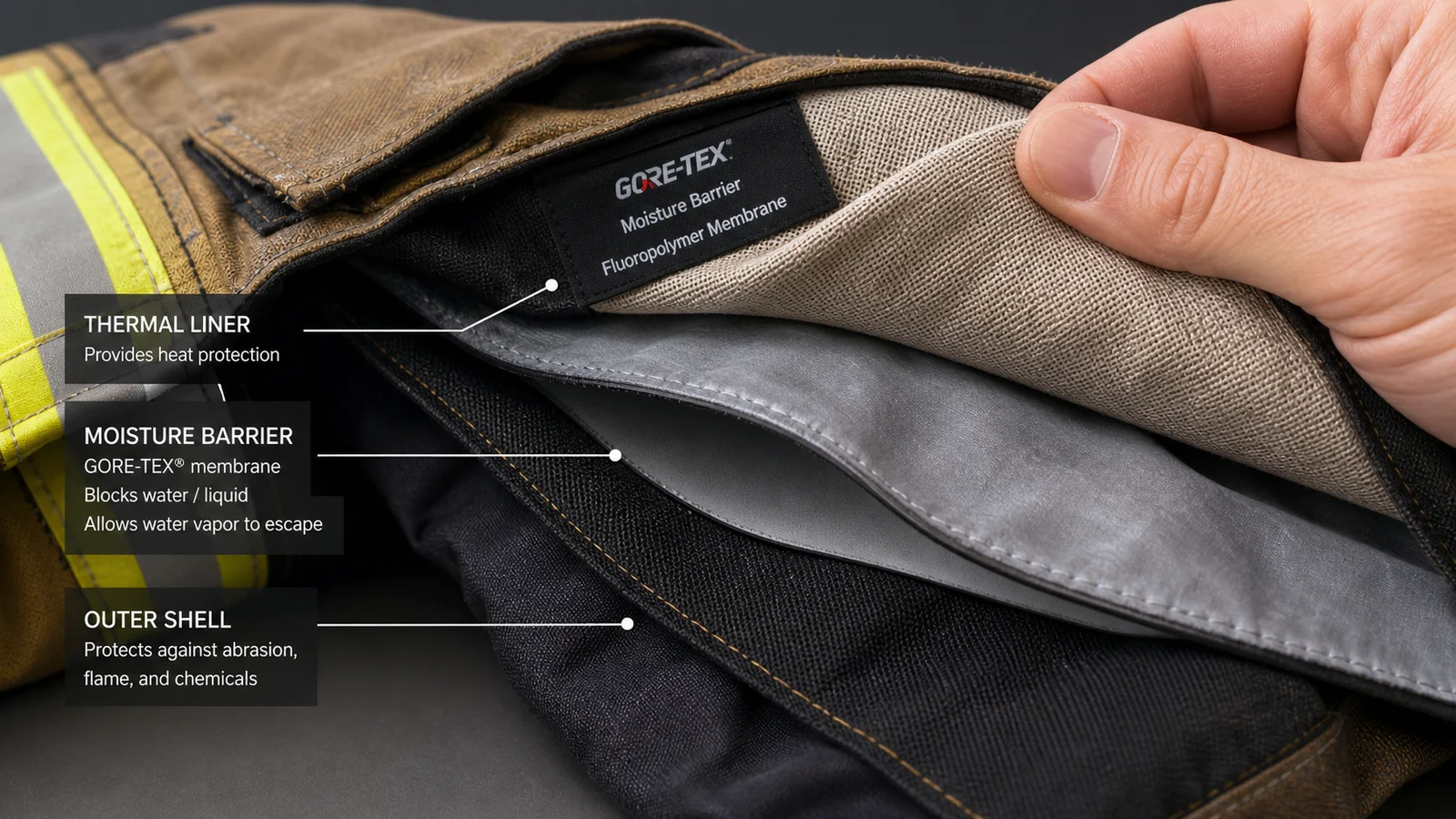
| Turnout gear moisture barriers | Fluoropolymer membranes (ePTFE) | Dermal absorption through skin contact; off-gassing at elevated temperatures |
| Outer shell DWR treatment | C6/C8 fluorochemical finishes | Dermal contact, especially when gear is hot |
| SCBA mask seals and straps | Fluorosilicone, fluoropolymer compounds | Dermal contact with face and head |
| Station wear | Fluorochemical fabric treatments | Continuous dermal exposure during duty hours |
| AFFF fire suppression foam | PFOS, PFOA, short-chain PFAS | Dermal, inhalation, and incidental ingestion during foam operations and training |
| Contaminated fire stations | Various PFAS from historical foam use | Ingestion of contaminated water, dermal contact with contaminated surfaces |
How Exposure Happens
PFAS exposure for firefighters occurs through three primary pathways:
- Dermal absorption: The skin is the largest organ and a significant PFAS absorption route. Hot, sweating skin during firefighting operations absorbs PFAS more readily than cool, dry skin. The face, neck, and wrists — areas where gear coverage may be incomplete — are high-absorption zones.
- Inhalation: PFAS off-gas from heated gear during fire operations. AFFF foam droplets and aerosols are directly inhaled during foam application. Post-fire off-gassing from contaminated gear in the cab of the apparatus exposes all crew members.
- Ingestion: Hand-to-mouth contact after handling contaminated gear, eating or drinking without decontaminating, and contaminated station water supplies all contribute to ingestion exposure.
The cab is a contamination chamber. Research has found PFAS off-gassing in fire apparatus cabs at elevated levels during and after structure fires. Riding in the cab without SCBA after a working fire — when gear is still contaminated and hot — results in significant inhalation exposure. Bag contaminated gear separately; do not store it in the cab.
Health Effects Associated with PFAS Exposure
The International Agency for Research on Cancer (IARC) and U.S. National Toxicology Program have classified PFOA as a Group 1 human carcinogen. Health effects associated with elevated PFAS exposure include:
- Cancers: Kidney cancer, testicular cancer, bladder cancer, thyroid cancer, non-Hodgkin lymphoma, and prostate cancer — all of which appear at elevated rates in firefighter cohort studies
- Thyroid disease: PFAS disrupt thyroid hormone binding, leading to elevated rates of hypothyroidism and hyperthyroidism
- Elevated cholesterol: Consistently elevated total and LDL cholesterol in high-PFAS exposure populations
- Immune suppression: Reduced vaccine response and altered immune function
- Reproductive effects: Reduced fertility, altered fetal development in exposed pregnancies, and altered puberty timing
- Liver effects: Elevated liver enzymes and non-alcoholic fatty liver disease
What Firefighters and Departments Can Do Now
While the transition to PFAS-free gear takes time and budget, there are immediate actions that reduce exposure:
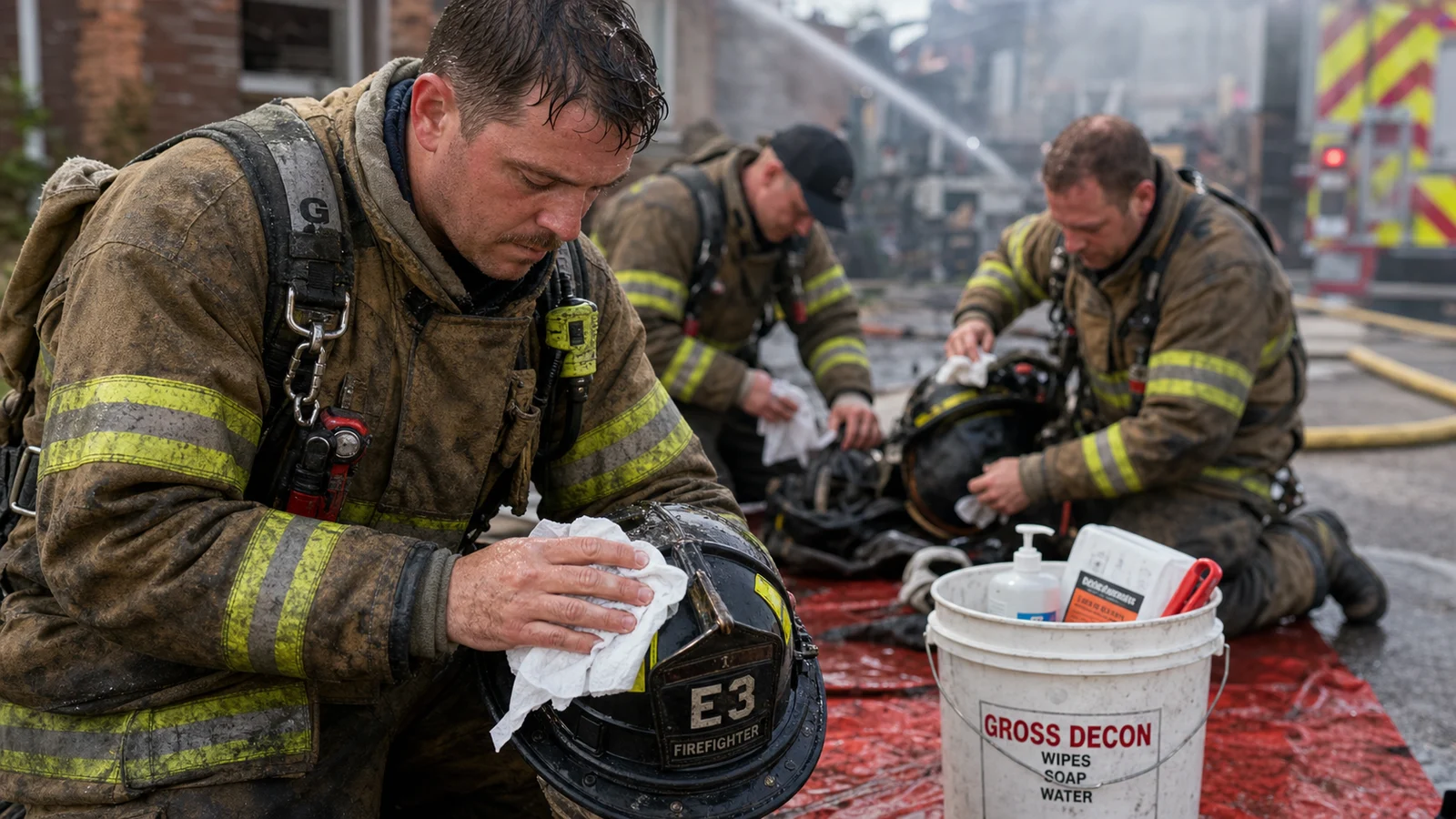
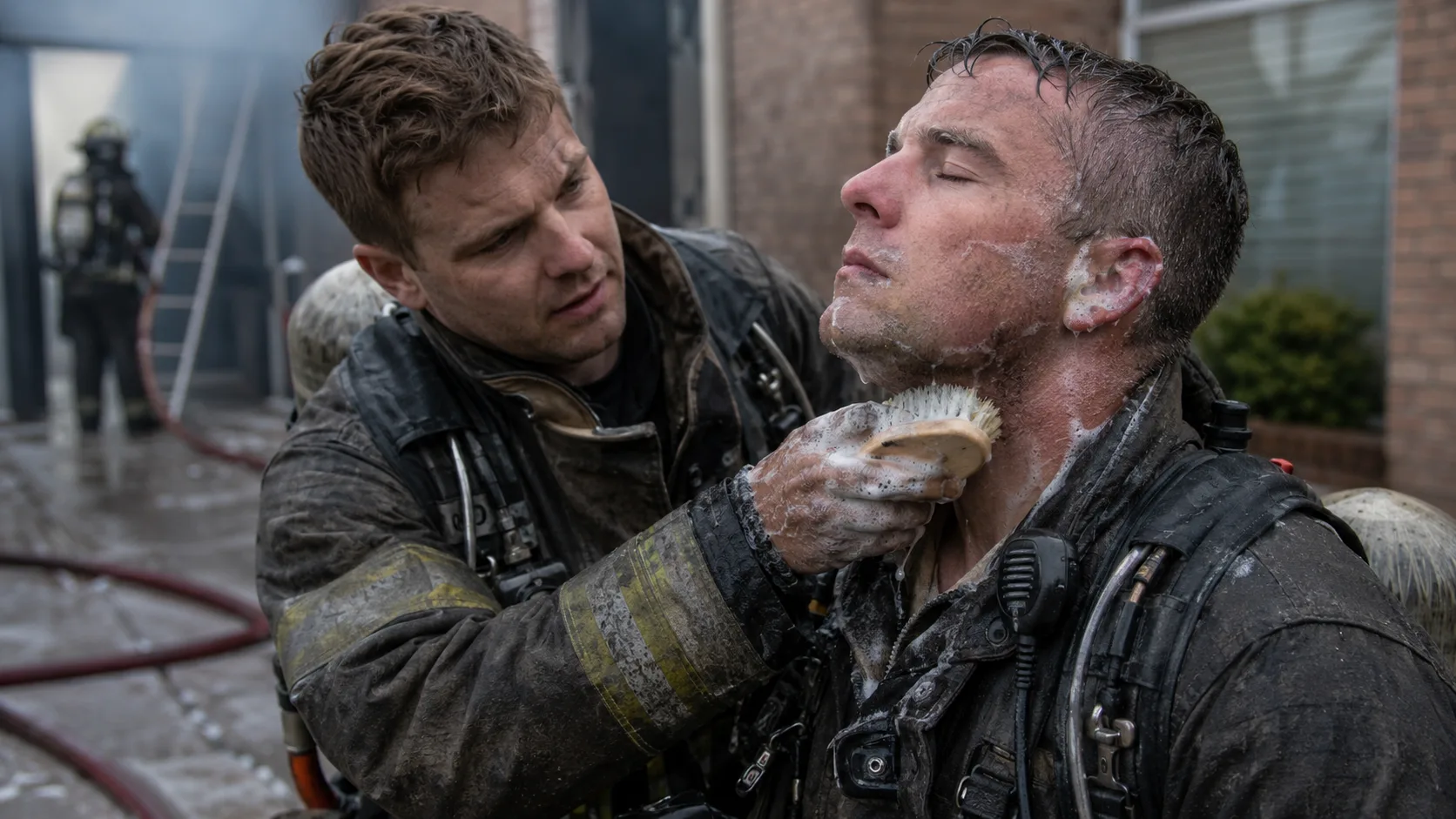
- Gross decontamination at the scene. Wipe down gear with wet wipes before getting in the apparatus. This removes surface contamination before off-gassing begins in the enclosed cab.
- Bag contaminated gear separately. Do not store contaminated gear in the cab or in personal vehicles. Transport in sealed bags.
- Shower before leaving the station. Post-fire shower removes dermal PFAS before it absorbs. The earlier the shower, the better.
- Wash gear regularly. Follow NFPA 1851 guidelines for gear extraction washing. Contaminated gear accumulates PFAS over time.
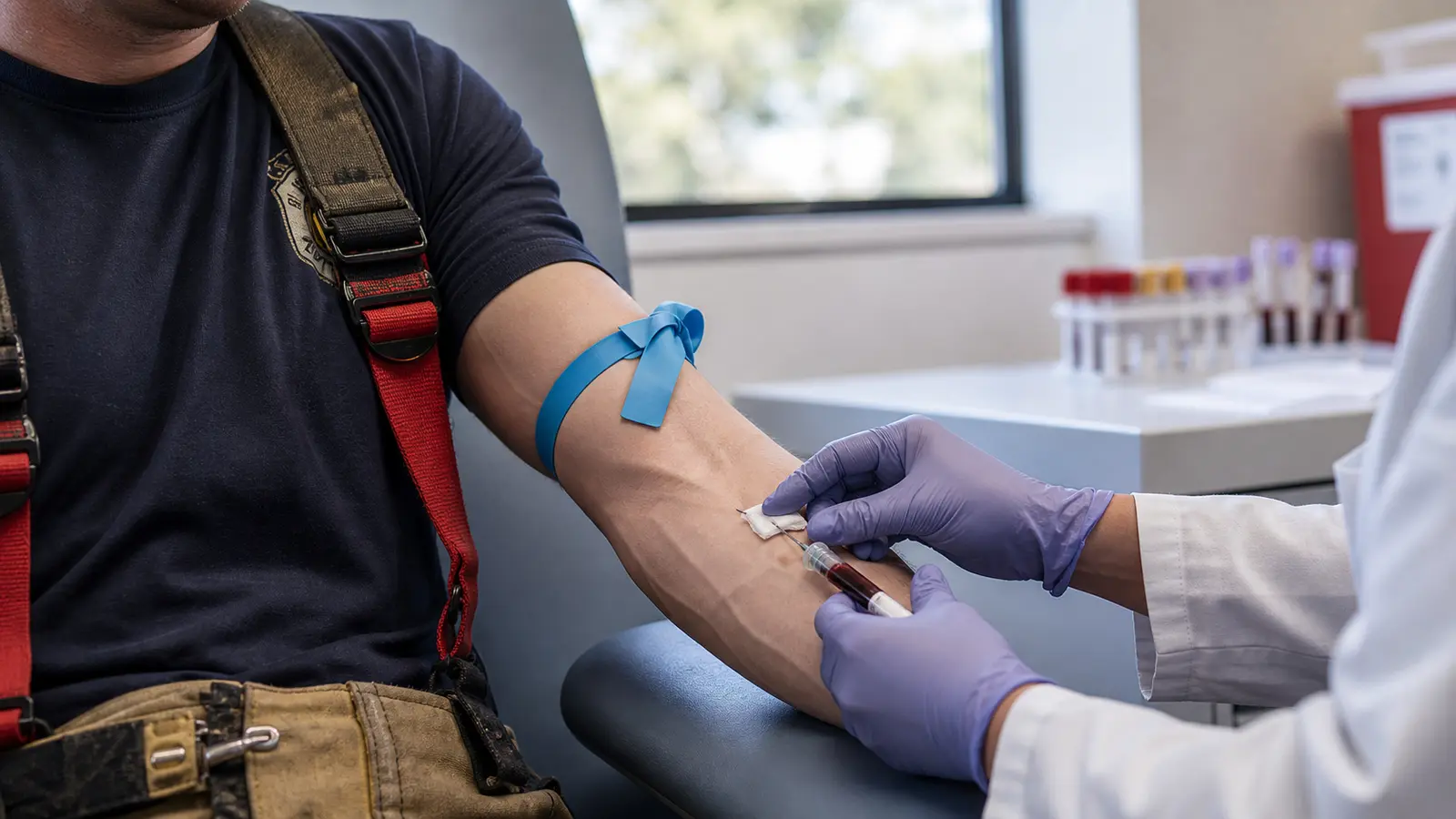
- Test your PFAS blood serum levels. Baseline testing and periodic monitoring allows firefighters to track their exposure levels and make informed health decisions.
- Replace degraded gear promptly. Damaged moisture barriers increase PFAS release. Do not continue using gear beyond its service life.
PFAS-Free Turnout Gear
Several turnout gear manufacturers now offer PFAS-free or reduced-PFAS options that use fluorine-free moisture barriers and DWR treatments. Independent testing has shown these products can meet NFPA 1971 performance standards without PFAS chemistry. The transition to PFAS-free gear for entire departments is a multi-year budget and procurement effort, but individual firefighters can request PFAS-free options when their gear comes up for replacement.
NFPA 1971 (2025 edition) includes provisions for labeling PFAS content in turnout gear components, giving departments better information to make procurement decisions. Request PFAS content disclosures from gear manufacturers when evaluating options.
Frequently Asked Questions
Do all firefighter turnout gear contain PFAS?
Most traditional turnout gear contains PFAS in the moisture barrier layer and outer shell DWR treatment. PFAS-free alternatives are now available from multiple manufacturers and meet NFPA 1971 performance standards. Departments purchasing new gear should specifically inquire about PFAS content.
How can firefighters reduce PFAS exposure?
Key actions: gross decontamination at the scene before cab entry, bagging contaminated gear separately, showering as soon as possible after fire exposure, regular gear laundering, and replacing degraded gear promptly. These steps significantly reduce dermal and inhalation exposure even when PFAS-containing gear is still in service.
Can firefighters get PFAS blood testing?
Yes. Several commercial labs offer PFAS blood serum panel testing. The National Fire Protection Association (NFPA) and IAFF both recommend baseline PFAS testing for career firefighters. Some states and departments now fund this testing as part of occupational health programs. Consult your department's occupational health provider.



Comments 0
No comments yet. Be the first to share your thoughts!
Leave a Comment