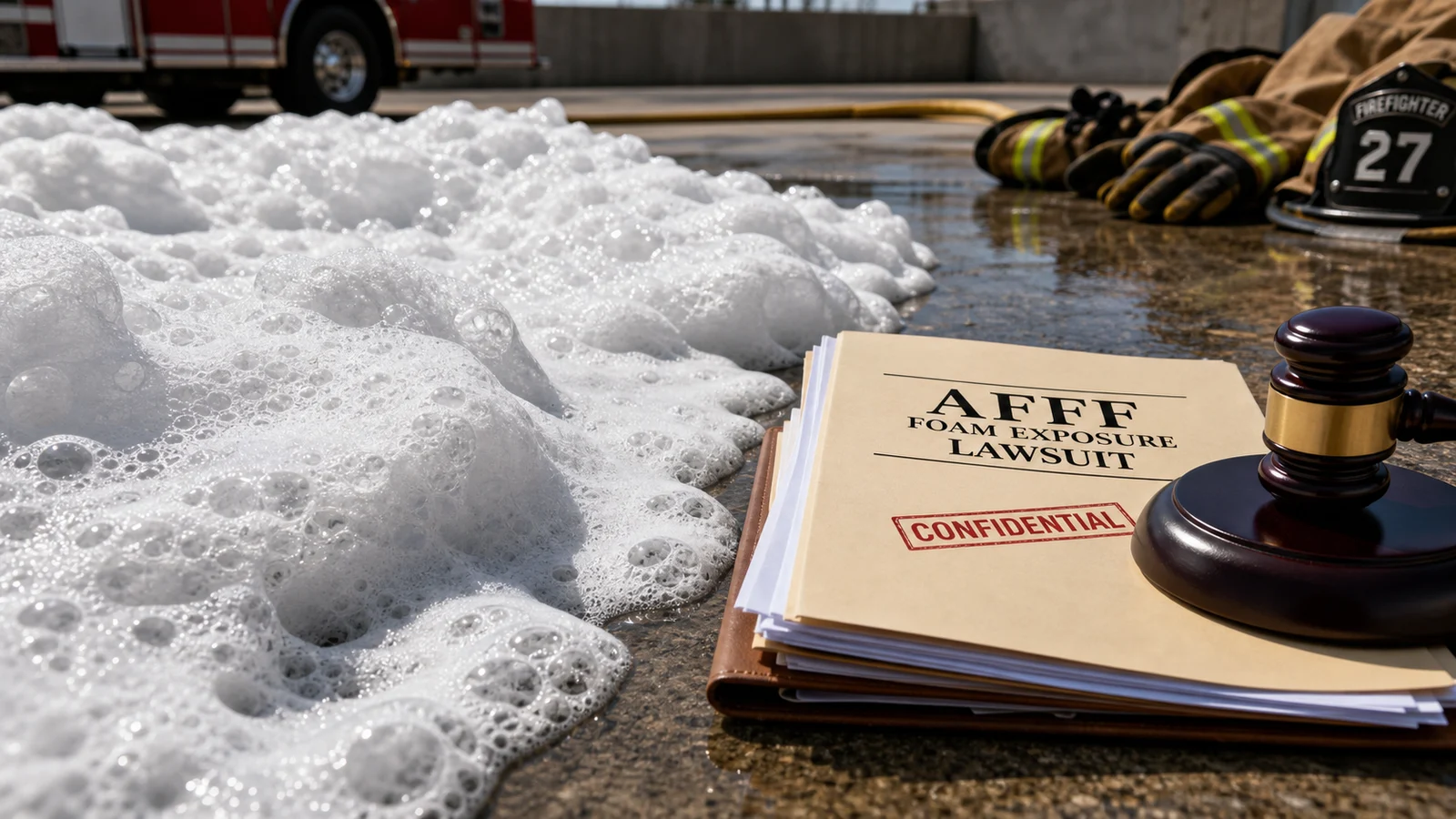

AFFF Firefighting Foam Lawsuit: What Firefighters Need to Know
Aqueous film-forming foam (AFFF) was used for decades at fire training facilities, airports, military bases, and fire departments across the United States. AFFF contains PFAS compounds — including PFOS and PFOA — that have been linked to multiple cancers. Thousands of firefighters, military personnel, and airport workers who developed cancer after repeated AFFF exposure have filed lawsuits against the manufacturers. This guide explains the litigation landscape, which conditions are involved, and what firefighters with a history of AFFF exposure need to do.
This guide is for informational purposes only and is not legal advice. If you believe you have an AFFF-related legal claim, consult a qualified attorney who specializes in PFAS/AFFF litigation. Statute of limitations deadlines vary by state and individual circumstances.
Jump to:What AFFF is · Manufacturers named · The MDL litigation · Cancers linked to AFFF · Eligibility basics · What to do now · FAQ
What AFFF Is and Why It Was Used
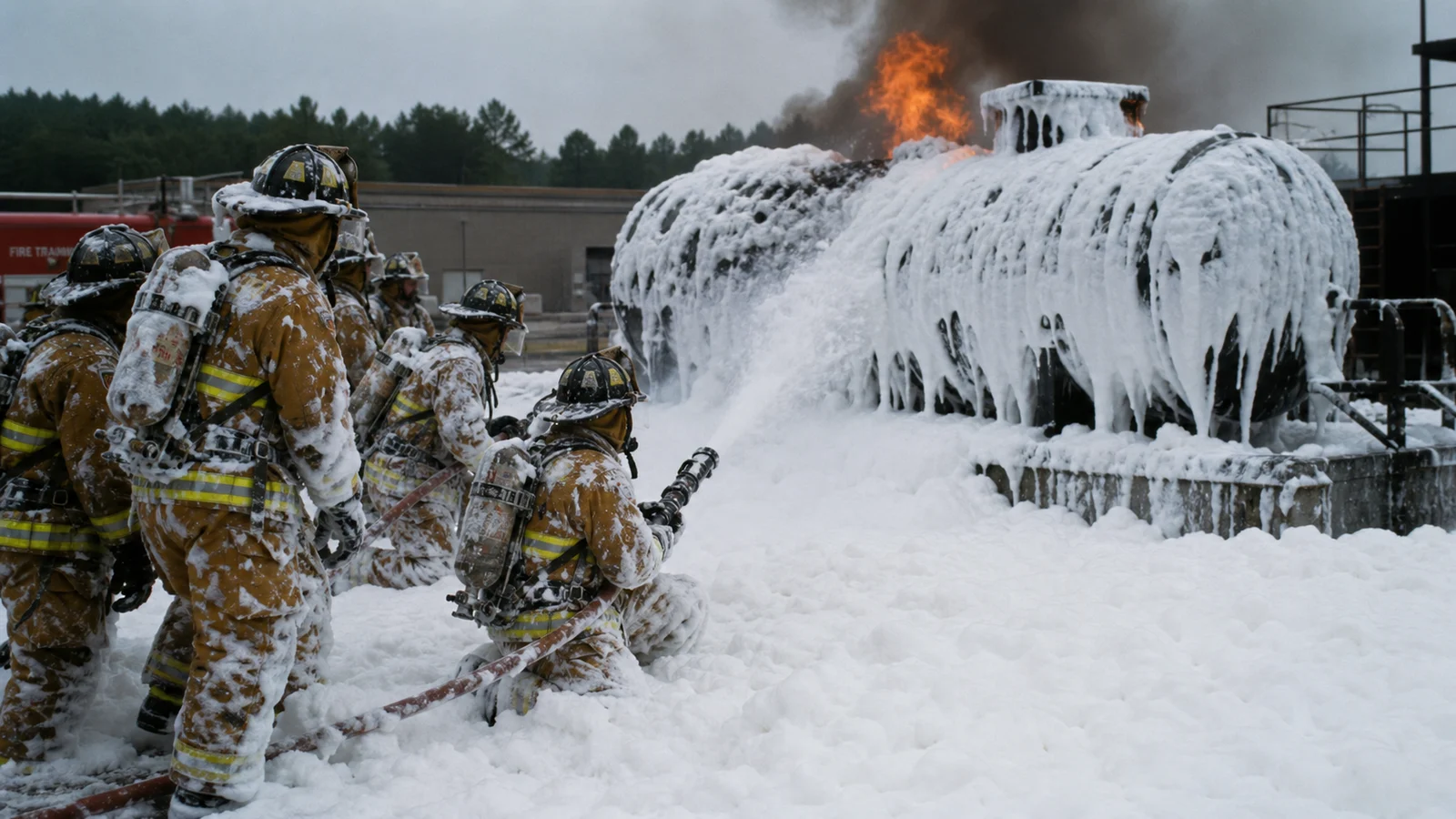
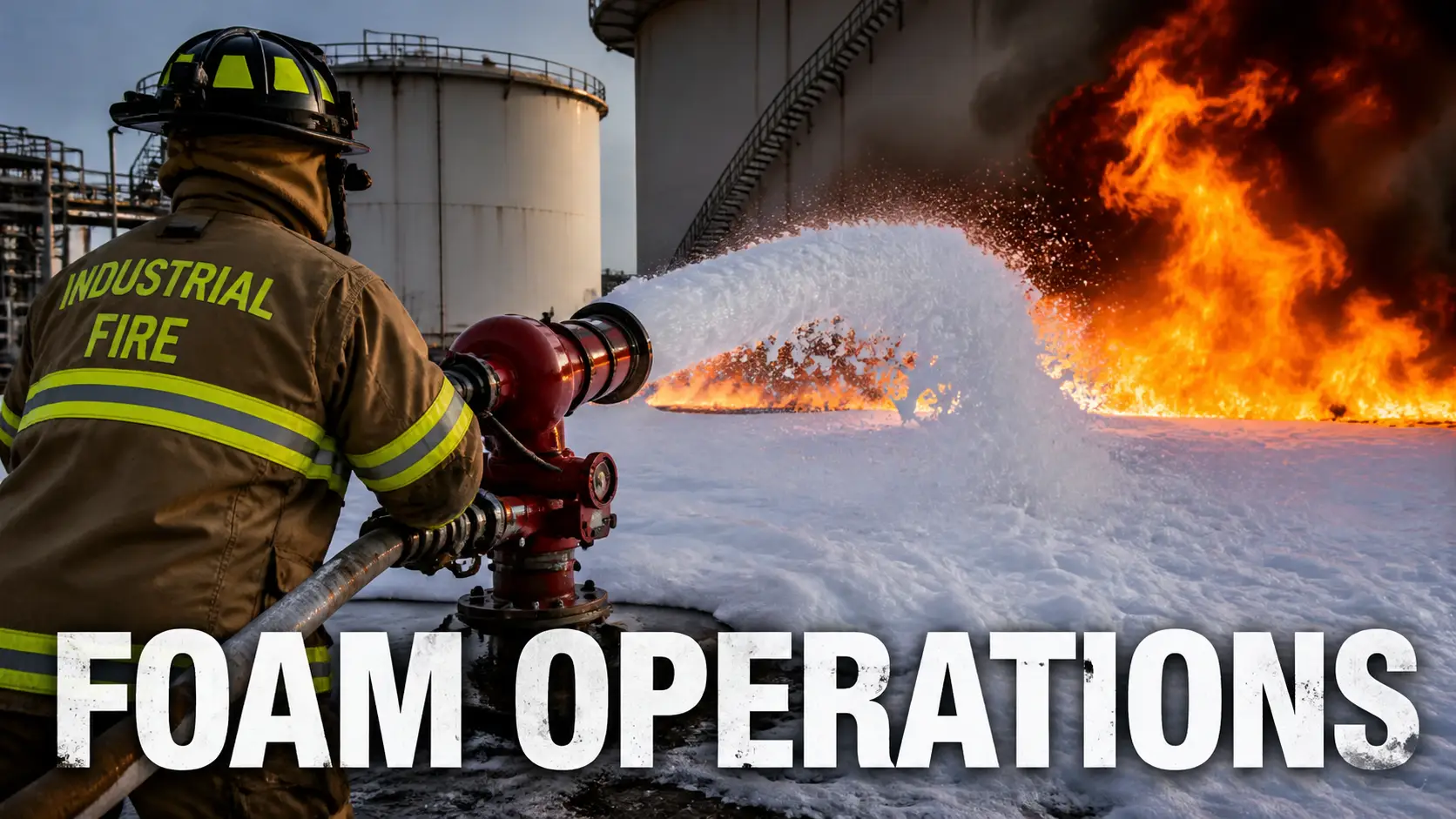
AFFF is a fire suppression foam developed in the 1960s for extinguishing Class B (flammable liquid) fires. It creates a thin aqueous film over the burning fuel surface, cutting off oxygen and preventing re-ignition. Its effectiveness against aviation fuel fires made it standard equipment at airports, military airfields, and fire departments nationwide. U.S. Navy and military aviation standards required AFFF use for decades.
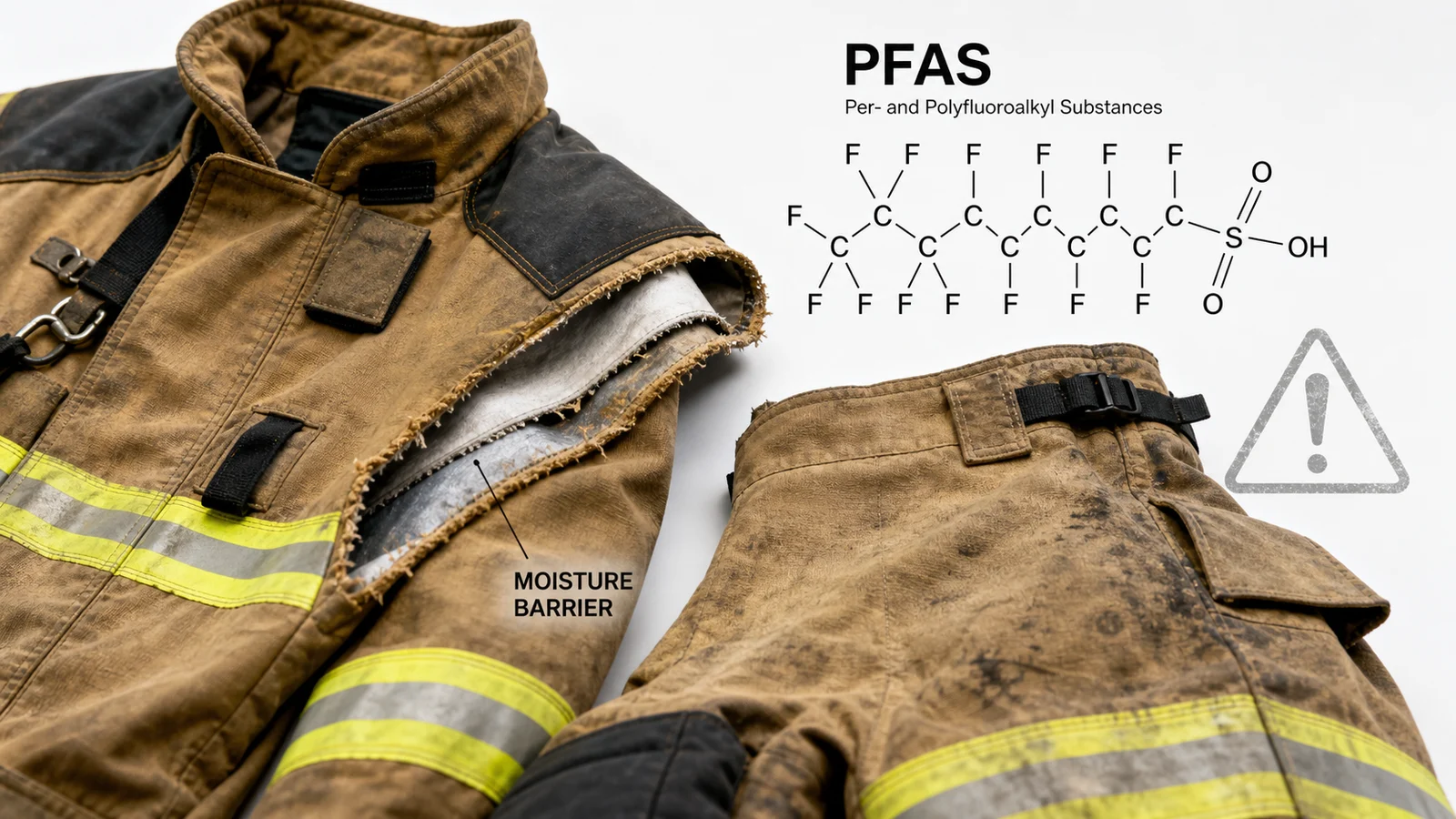
The PFAS compounds that make AFFF effective — particularly PFOS (perfluorooctane sulfonic acid) and PFOA (perfluorooctanoic acid) — are the same compounds now classified as human carcinogens. Firefighters who trained with live AFFF, responded to incidents requiring foam, or worked at facilities with historical AFFF contamination received significant cumulative exposure over their careers.
Manufacturers Named in AFFF Litigation
Multiple chemical manufacturers and foam producers have been named as defendants in AFFF-related lawsuits. The primary defendants include:
- 3M Company — major PFOS manufacturer and AFFF producer; reached a settlement agreement in 2023
- DuPont / Chemours / Corteva — PFOA manufacturers; settlement agreements reached
- Tyco Fire Products / Ansul — AFFF manufacturers
- Kidde-Fenwal — AFFF manufacturer
- Dynax Corporation — PFAS chemical supplier to AFFF manufacturers
- National Foam / Angus International — AFFF manufacturers
The MDL: Multidistrict Litigation in South Carolina
Thousands of individual AFFF lawsuits were consolidated into a Multidistrict Litigation (MDL) in the U.S. District Court for the District of South Carolina, In re: Aqueous Film-Forming Foam Products Liability Litigation (MDL No. 2873). MDL consolidation allows common discovery and pretrial proceedings across thousands of cases while preserving individual case rights.
Key MDL developments:
- 3M Company announced a settlement framework of up to $10.3 billion in June 2023 to resolve AFFF claims related to drinking water contamination
- Separate personal injury litigation (firefighters and individuals with cancer) continues
- Bellwether trials — test cases representing the broader litigation — have proceeded and informed settlement valuations
- Additional settlements with other manufacturers have been announced at various stages
Settlement amounts and eligibility criteria change as litigation develops. The information above reflects the status as of the article date. Consult a current AFFF litigation attorney for the most recent status of available settlements and filing deadlines.
Cancers and Conditions Linked to AFFF Exposure

The following cancers have been most frequently linked to PFAS/AFFF exposure in scientific literature and are commonly included in AFFF personal injury claims:
| Cancer type | PFAS association strength |
|---|---|
| Kidney / renal cell carcinoma | Strong — IARC Group 1 for PFOA |
| Testicular cancer | Strong — multiple cohort studies |
| Bladder cancer | Moderate to strong |
| Thyroid cancer | Moderate |
| Non-Hodgkin lymphoma | Moderate |
| Prostate cancer | Moderate |
| Pancreatic cancer | Emerging evidence |
| Breast cancer | Emerging evidence |
Eligibility Basics
While specific eligibility requirements vary by case and attorney, general factors evaluated in AFFF personal injury claims include:
- Documented AFFF exposure history — employment records, training records, or facility records showing AFFF use at your workplace or training location
- Duration and frequency of exposure — regular training with live AFFF foam, foam operations at incidents, or work at AFFF-contaminated facilities over a period of years
- Diagnosis of a qualifying cancer or condition — medical records confirming diagnosis
- Temporal relationship — cancer diagnosis occurred after a period of AFFF exposure
- Statute of limitations compliance — filing deadline has not expired (varies by state; typically 2–3 years from diagnosis or discovery of connection)
What Firefighters with AFFF Exposure Should Do Now
- Gather and preserve exposure documentation. Employment records, training logs, department foam use records, and any records placing you at AFFF-use facilities are critical to a potential claim.
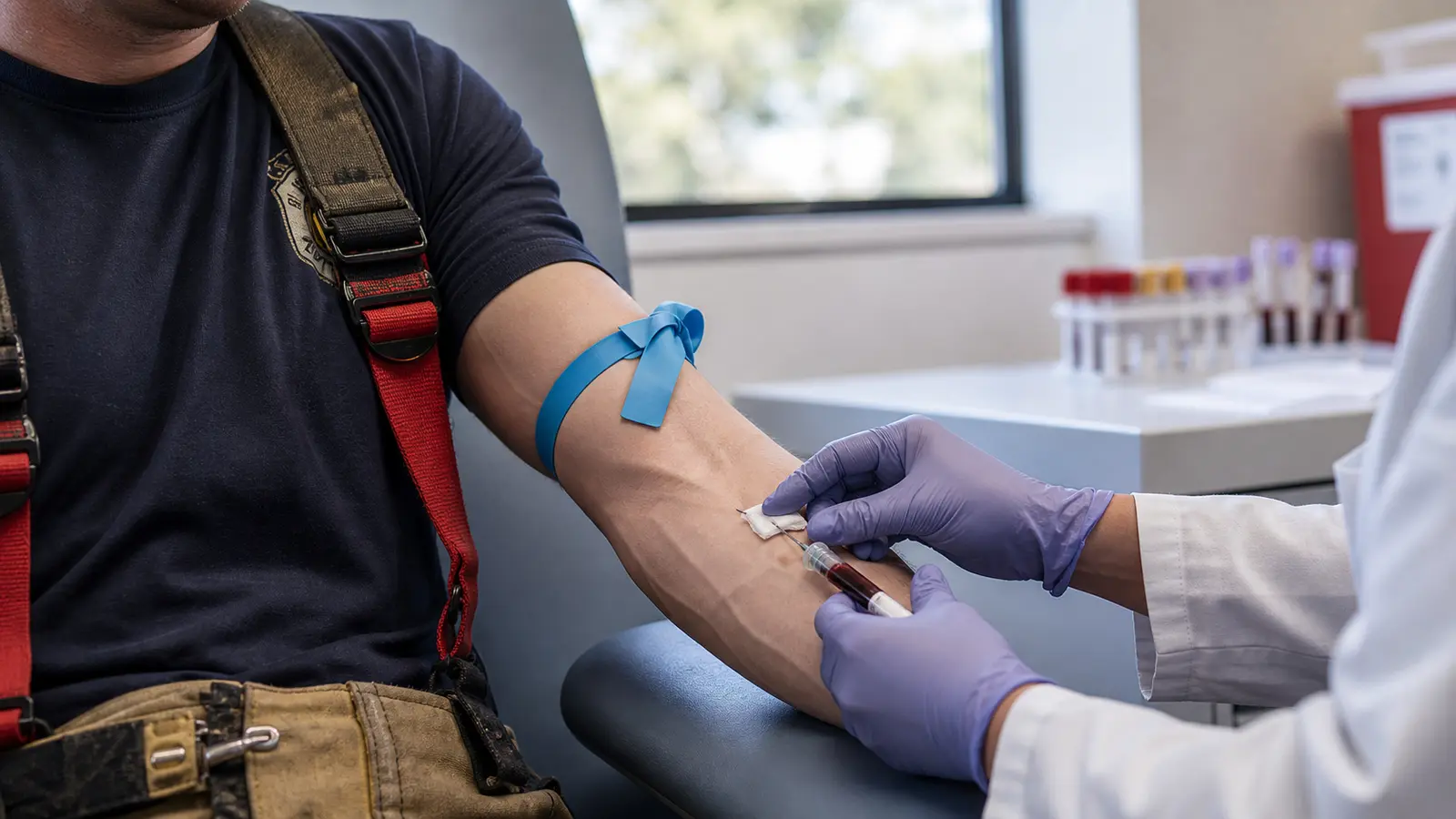
- Obtain PFAS blood serum testing. Baseline testing establishes current PFAS levels and creates a medical record of your exposure status.
- Consult an AFFF-specialized attorney. AFFF litigation is complex and rapidly evolving. Attorneys who specialize in this area work on contingency (no upfront cost) and can evaluate your specific situation.
- Monitor your health. Regular cancer screening appropriate to your age and risk profile. Discuss your AFFF exposure history with your physician so appropriate screenings are ordered.
- Do not delay. Statutes of limitations are real and enforced. If you have a qualifying exposure history and a diagnosis, time matters.

Frequently Asked Questions
Can I file an AFFF lawsuit if I have cancer but I'm not sure if it's from foam?
A qualified AFFF litigation attorney can evaluate whether your exposure history and diagnosis are sufficient for a claim. Many factors are considered, and you do not need to prove causation definitively before consulting an attorney. The attorney's job is to evaluate the merits of your specific situation.
Is there a deadline to file an AFFF lawsuit?
Yes. Statutes of limitations vary by state, typically running 2–3 years from the date of diagnosis or from when you knew or should have known about the connection between your illness and AFFF exposure. Missing the deadline can permanently bar your claim. Consult an attorney promptly if you believe you have a qualifying claim.
Does AFFF exposure from training (not active fires) count?
Yes. Training exercises that used live AFFF foam are a documented major exposure source for firefighters. Many departments conducted regular foam training where firefighters were directly exposed to concentrated AFFF for years. Training exposure history is relevant to both personal injury claims and health risk assessment.



Comments 0
No comments yet. Be the first to share your thoughts!
Leave a Comment