Flash Flood Watch vs. Warning on Burn Scars: What Wildland Crews Need to Know (2026)
Last updated:
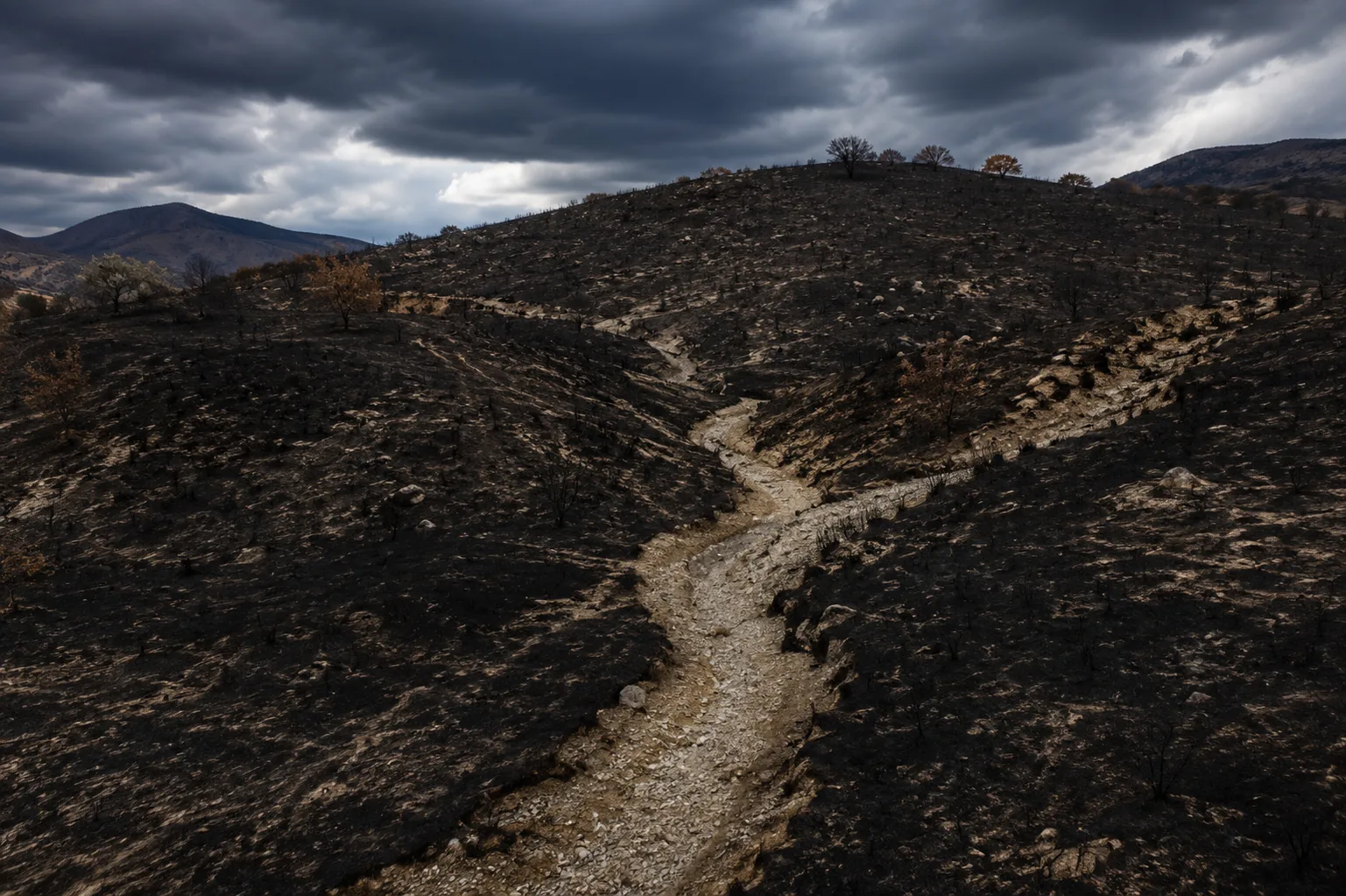
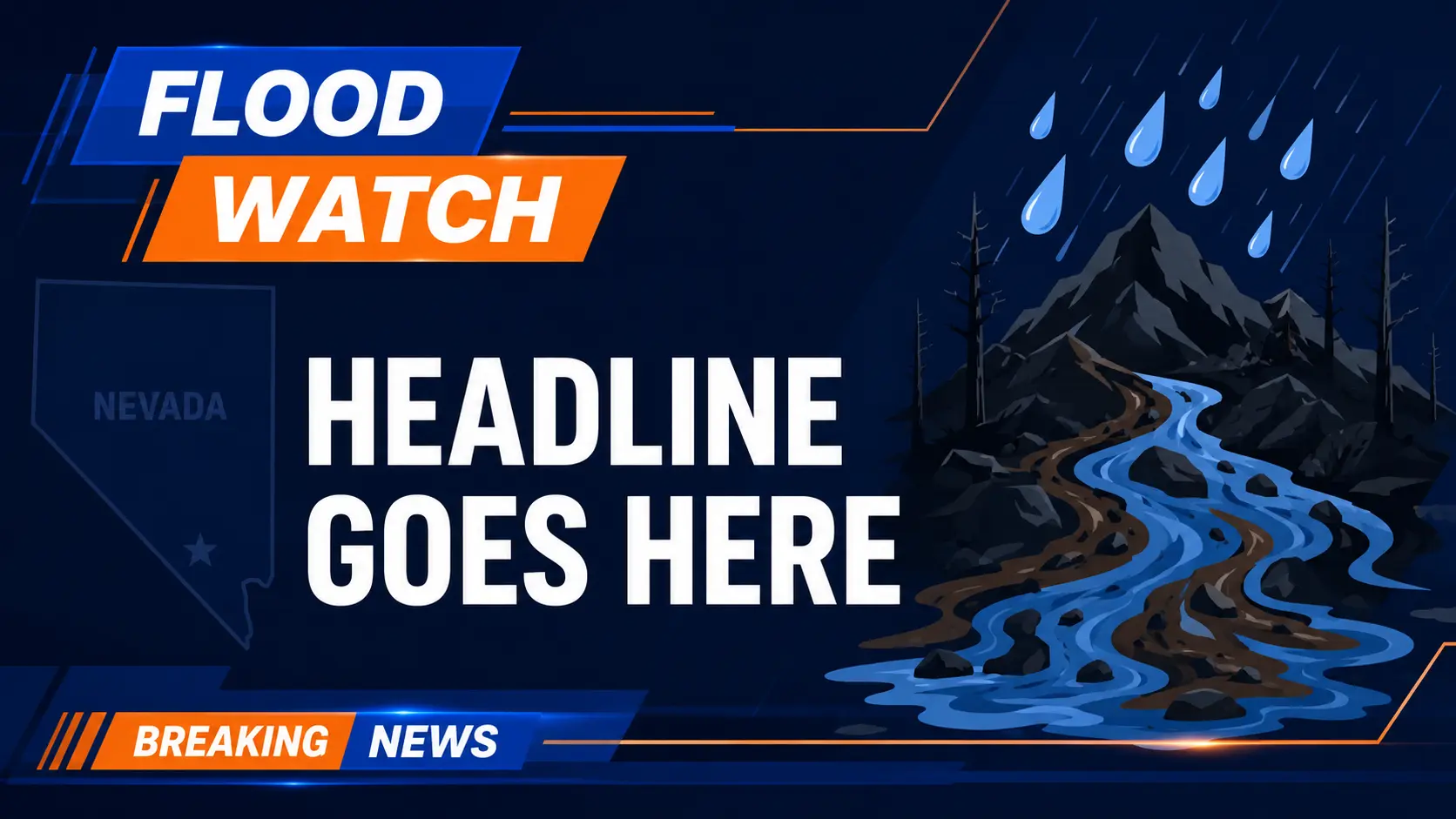
Containing a fire is only half the hazard. Once a wildfire scorches a slope, the ground itself turns into a flood risk — and that risk can outlast the fire by years. Right now, the Bug and Stallion Fire burn scars near Reno are a live example: the same monsoonal thunderstorms firefighters welcome for knocking down fire behavior can trigger fast-moving debris flows over the ground those fires just burned, sometimes within minutes of the first heavy rain. This guide breaks down what a Flash Flood Watch versus a Flash Flood Warning actually means, why burn scars behave so differently from healthy terrain, and exactly what crews and residents should do the moment that alert changes from one to the other.
Following the Reno fires:Flash Flood Watch Issued Over Bug Fire Burn Scar Near Reno · Live tracker:Active Wildfire Map · Gear up:Best Wildland Firefighter Pants
Watch vs. Warning: What the Terms Actually Mean
The National Weather Service issues both products, but they mean different things operationally. A Watch is a planning trigger; a Warning is an action trigger. Confusing the two — or waiting for a Warning to start thinking about egress — is one of the most common ways crews and residents get caught out.
| Product | What It Means | Typical Lead Time | Required Response |
|---|---|---|---|
| Flash Flood Watch | Conditions are favorable for flash flooding; it hasn't started yet | Hours to a day or more | Review your action plan, identify egress routes, monitor weather |
| Flash Flood Warning | Flooding is occurring or imminent based on radar/gauge/spotter data | Minutes | Move to higher ground immediately; treat as a now-event |
| Flash Flood Emergency | Rare, highest-tier product for severe, life-threatening flooding already underway | None — in progress | Seek higher ground now; do not attempt to drive or walk through moving water |
Why Burn Scars Turn Ordinary Rain Into a Debris Flow
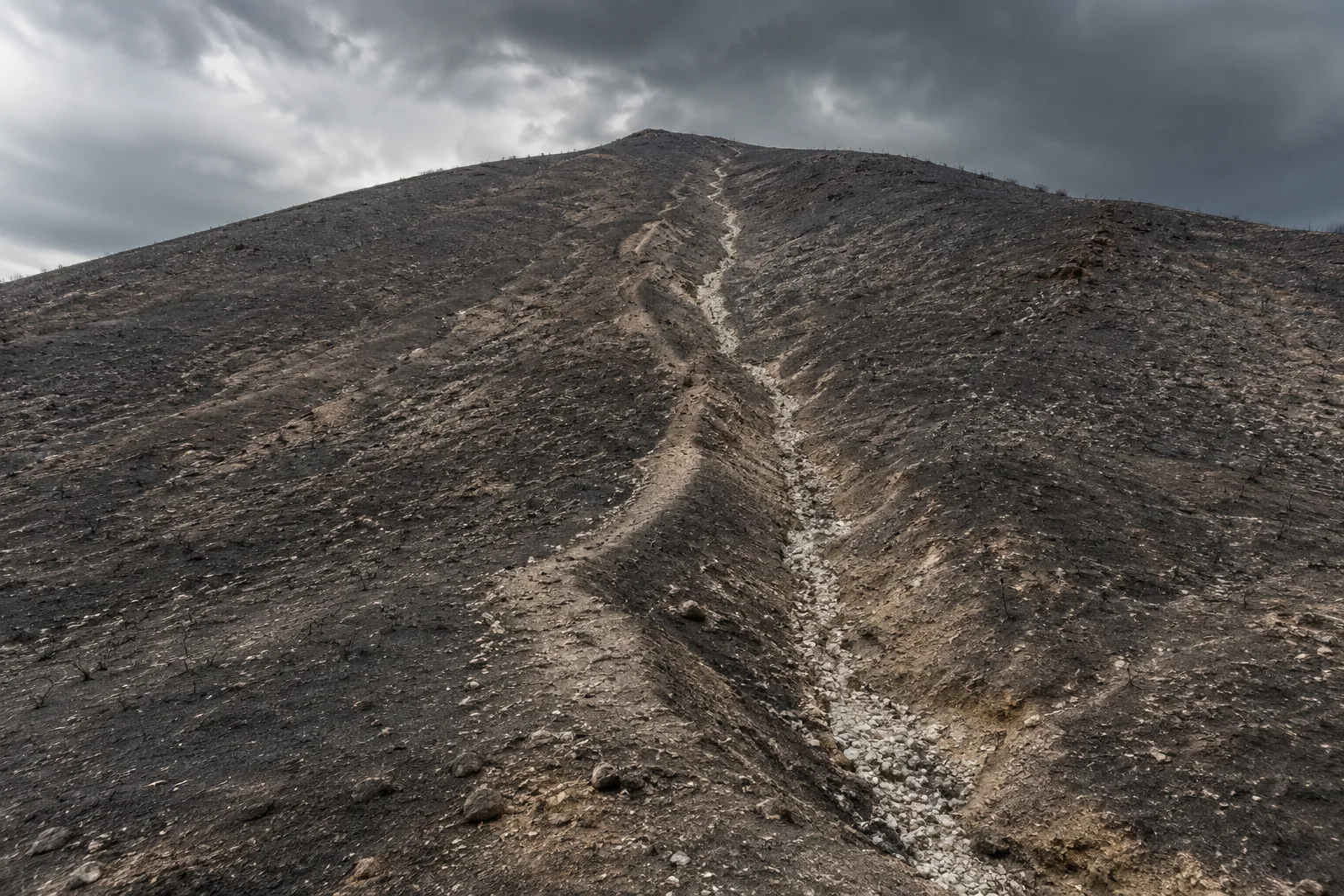
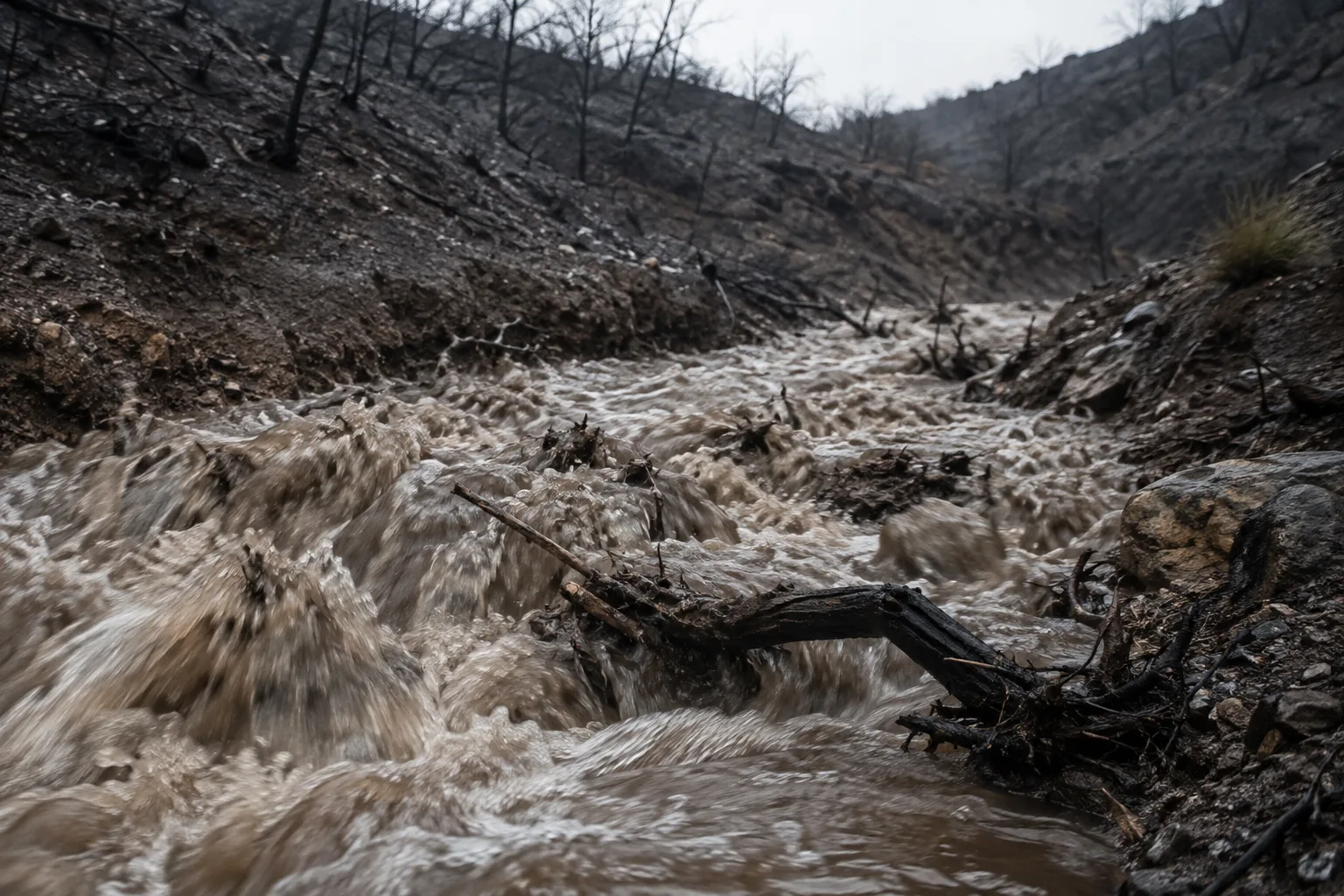
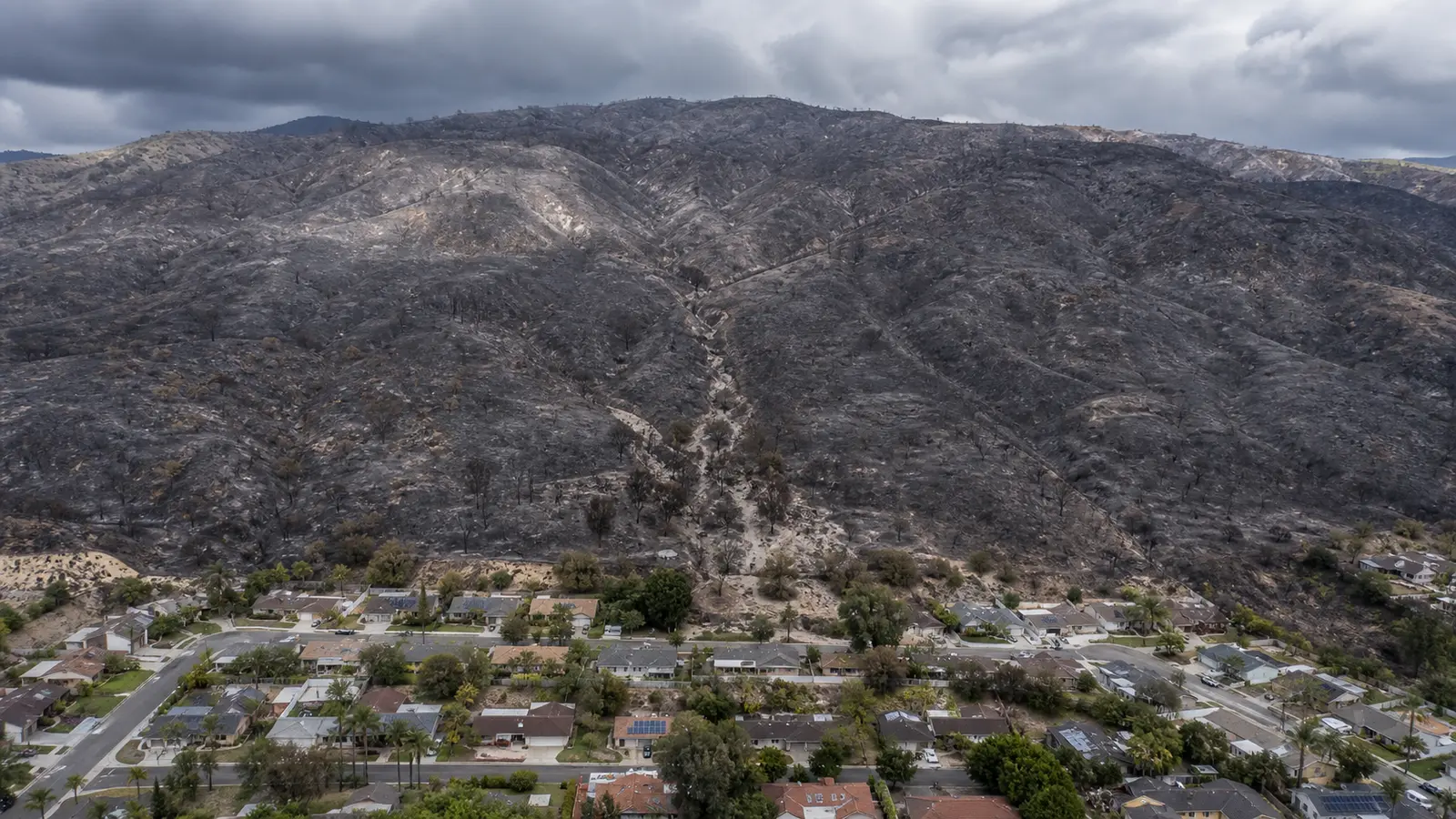
Two things change on a burned slope. First, the canopy and root systems that normally intercept and slow rainfall are gone, so runoff reaches the surface faster and in greater volume. Second, intense heat can bake organic compounds in the topsoil into a waxy, water-repellent layer just below the surface — a condition often called soil hydrophobicity. Instead of soaking in, rain sheets straight off the surface, gathering ash, rock, and burned vegetation as it accelerates downslope. That combination is why the National Weather Service and local fire agencies treat rainfall over a fresh burn scar as a much higher flood risk than the same storm over unburned ground — storms that would cause minor street ponding elsewhere can trigger a fast-moving, boulder-carrying debris flow below a recent burn.
Recent Burn-Scar Flash Flood Events
This isn't a one-off pattern — it recurs almost every fire season somewhere in the West:
| Fire / Burn Scar | Location | Flood Trigger |
|---|---|---|
| Bug & Stallion Fires (2026) | Reno–Carson City–Minden, NV | Monsoonal thunderstorms over active/recent burn perimeters, days after ignition |
| Caldor Fire (2021 burn, 2023 event) | South Lake Tahoe / Alpine & El Dorado Counties, CA | Thunderstorm rainfall two years after the fire still triggered debris flows |
| East Troublesome Fire (2020 burn, 2022 event) | Grand County, CO | Heavy rain caused mudslides that closed a state highway near the scar |
| El Dorado Fire (2020) | San Bernardino County, CA | Scattered summer thunderstorms over the scar prompted a countywide flood watch |
Operational Checklist for Crews Working Near Burn Scars
- ✓Build flash flood risk into the daily risk assessment anytime crews are staging, mopping up, or doing BAER assessment work on or below a recent burn.
- ✓Identify safe zones and egress routes to higher ground before rain arrives, not after a Warning is issued.
- ✓Avoid staging in canyon bottoms, dry creek beds, or drainages below or within a burn perimeter, even if they look dry.
- ✓Monitor NWS alerts continuously during any rain event over an active or recent burn — conditions can go from Watch to Warning quickly with monsoonal cells.
- ✓Coordinate public messaging early with local emergency management for residents downstream of the scar — they may not know their neighborhood's risk changed the day the fire started.
- ✓Never drive or walk through moving water — it's the leading cause of flash flood deaths, and debris-laden burn-scar runoff hides its true depth and force.
Frequently Asked Questions
What's the difference between a Flash Flood Watch and a Flash Flood Warning?
A Flash Flood Watch means conditions are favorable for flash flooding in or near the watch area — it's a heads-up to stay alert and review your action plan, issued hours in advance. A Flash Flood Warning means flash flooding is occurring or imminent based on radar, rain gauge, or spotter reports — it requires immediate action, since flooding can begin within minutes over a burn scar. Crews and residents should treat a Warning as a now-event, not a monitor-and-wait situation.
Why are burn scars more prone to flash flooding than unburned terrain?
Fire consumes the vegetation canopy and root structure that normally slows and absorbs rainfall, and intense heat can bake the top layer of soil into a water-repellent (hydrophobic) crust. On a burn scar, rain that would soak in on healthy ground instead sheets off the surface almost immediately, picking up ash, rock, and debris as it goes — which is why the same storm that causes minor ponding elsewhere can trigger a fast-moving debris flow below a recent burn.
How long after a fire does the flash flood risk from a burn scar last?
Elevated risk typically persists for one to three years, with the first one to two post-fire wet seasons being the most dangerous, since soil hydrophobicity and bare ground are at their worst. Recovery depends on burn severity, slope, soil type, and how much vegetation regrows — steep, severely burned slopes with sparse regrowth can remain flash-flood-prone well into a second or third season.
What should crews and residents do when a Flash Flood Warning is issued over a burn scar?
Move away from drainages, canyon bottoms, and low-lying areas near or below the burn scar immediately, and get to higher ground — debris flows can arrive with little visible warning and move faster than a person can run. Crews staging or working near a burn scar should build flash flood awareness into their operational risk assessment, monitor NWS alerts continuously during rain events, and pre-identify safe zones and egress routes before weather moves in, not after.
Track the fires behind this week's flood risk on the Live Wildfire Map, or read the full story on the Reno burn scar flood watch.
Comments 0
No comments yet. Be the first to share your thoughts!
Leave a Comment