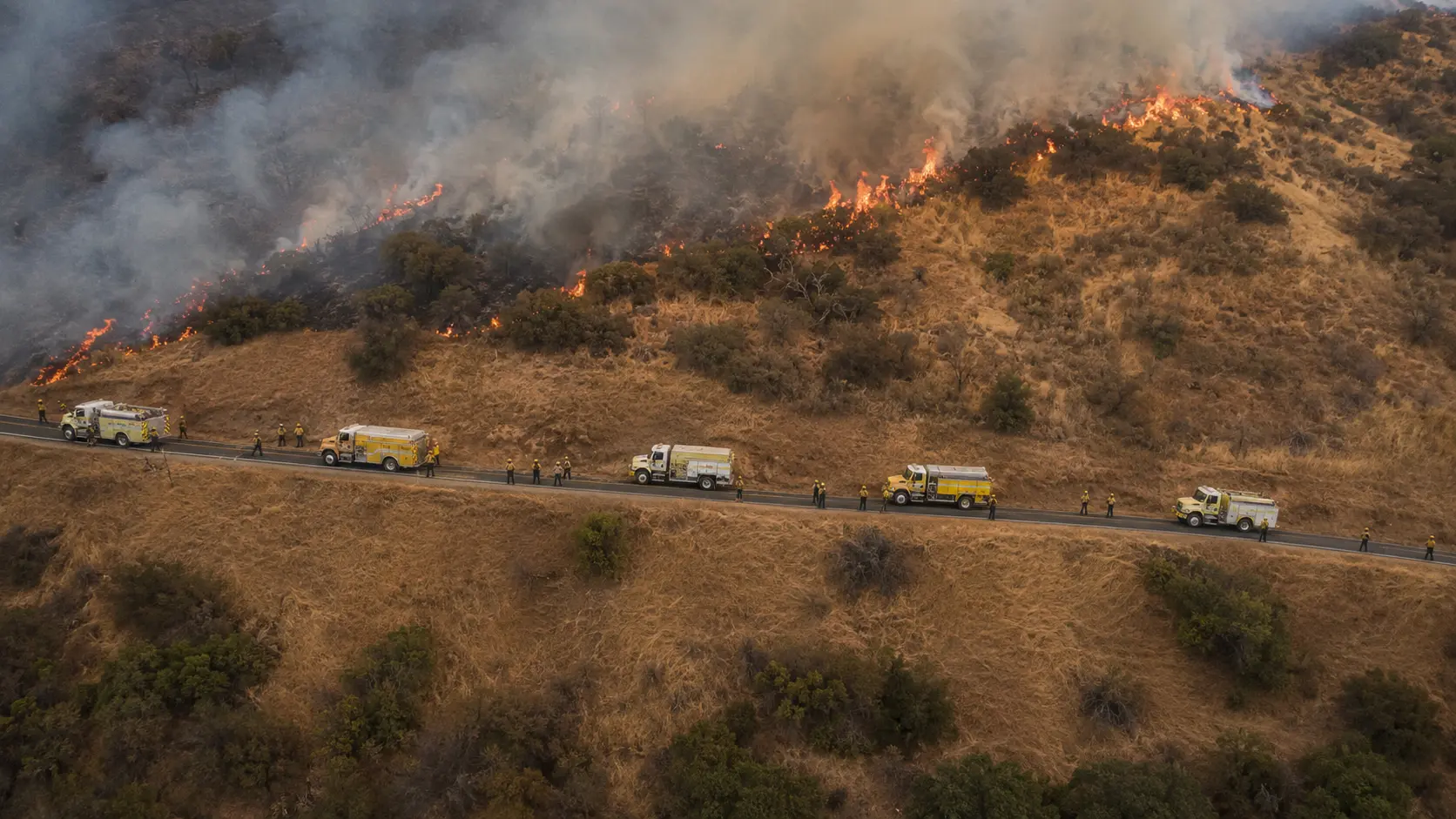
The instinct is to fight every fire. The fire service is built around the response to fire as the problem and suppression as the solution. But wildland firefighting does not always work that way. A fire that is burning in conditions where the rate of spread exceeds what available hand crews and equipment can contain, where the terrain makes escape routes marginal, or where the resources needed for effective direct attack have not yet arrived — that fire is not a suppression problem. It is a management problem, at least for the moment.
Experienced wildland incident commanders distinguish between fires that can be fought and fires that must be managed. The distinction is not defeatism. It is the application of a risk-benefit framework that has been formalized through decades of experience and through specific incidents where the decision to fight a fire that should have been managed killed people.
In this article:
- LCES: the safety framework
- The Ten Standard Firefighting Orders
- The Eighteen Watch-Out Situations
- Anchor-flank-pinch: the suppression tactic sequence
- Confine and contain: when suppression isn't the strategy
- How the decision is made
- Political pressure vs. tactical reality
- Historical incidents that define the boundaries
LCES: The Safety Framework
LCES is the four-element safety framework that must be in place before any tactical wildland fire assignment is executed. The acronym stands for:
- Lookouts: Posted observers with a clear view of the fire and the work area, in communication with the crew, responsible for monitoring fire behavior and communicating changes that affect crew safety. A lookout who cannot see the fire, or who is not in communication with the crew, is not providing the safety function the LCES system requires.
- Communications: Established two-way communication between the crew, the lookout, and the incident commander. A communications failure during a wildland operation is a safety system failure that may require the crew to pull back to a safety zone until communication is restored.
- Escape Routes: Pre-identified, physically walked and timed routes from the crew's working position to the safety zone. An escape route that is untested is an assumed escape route. An escape route that takes longer to traverse than the fire's advance rate to the crew position is not a viable escape route regardless of what the map shows.
- Safety Zones: Areas where the crew can survive without the protection of fire shelters — areas large enough and cleared enough that the fire's radiant heat at the maximum expected intensity does not exceed what people can withstand. A safety zone that is too small for the number of people using it, or too close to the fire, is not a safety zone.
LCES is verified before any crew commits to a position. If any element is not in place, the crew does not commit until it is. This is not a checklist that gets waived under time pressure — it is the minimum safety threshold that all wildland operations must meet.
The Ten Standard Firefighting Orders
The Ten Standard Firefighting Orders have been the foundational decision framework for wildland firefighting since they were developed following the Mann Gulch investigation in the 1950s. They are requirements, not guidelines, and they cannot be legitimately overridden by operational pressure or urgency:
- Fight fire aggressively but provide for safety first.
- Initiate all action based on current and expected fire behavior.
- Recognize current weather conditions and obtain forecasts.
- Ensure instructions are given and understood.
- Obtain current information on fire status.
- Remain in communication with crew members, your supervisor, and adjoining forces.
- Determine safety zones and escape routes.
- Establish lookouts in potentially dangerous situations.
- Retain control at all times.
- Stay alert, keep calm, think clearly, act decisively.
Order 1 frames the framework: aggressive firefighting is the goal, but safety is the constraint. These two objectives are not always compatible — when they conflict, safety takes precedence. This is the operational formulation of the let-it-burn decision: when aggressive firefighting cannot be done safely, it is not done.
The Eighteen Watch-Out Situations
The Eighteen Watch-Out Situations identify specific conditions that historically precede firefighter fatalities. Each is a decision trigger — when a Watch-Out Situation is present, the crew reassesses before continuing:
- Fire not scouted and sized up
- In country not seen in daylight
- Safety zones and escape routes not identified
- Unfamiliar with weather and local factors influencing fire behavior
- Uninformed on strategy, tactics, and hazards
- Instructions and assignments not clear
- No communication link with crew members or supervisor
- Constructing line without safe anchor point
- Building fireline downhill with fire below
- Attempting frontal assault on fire
- Unburned fuel between you and the fire
- Cannot see main fire; not in contact with someone who can
- On a hillside where rolling material can ignite fuel below
- Weather is getting hotter and drier
- Wind increases and/or changes direction
- Getting frequent spot fires across line
- Terrain and fuels make escape to safety zones difficult
- Taking a nap near the fireline
Multiple Watch-Out Situations occurring simultaneously is the risk pattern that precedes the highest-consequence incidents. Mann Gulch 1949 involved several simultaneously: the crew was in country they had not seen in daylight, they did not have a safety zone identified for the terrain they were working in, and the fire was below them on a steep slope when it transitioned.
Anchor-Flank-Pinch: The Suppression Tactic Sequence
When conditions support direct attack, the standard tactical sequence for containing a wildfire is anchor-flank-pinch:
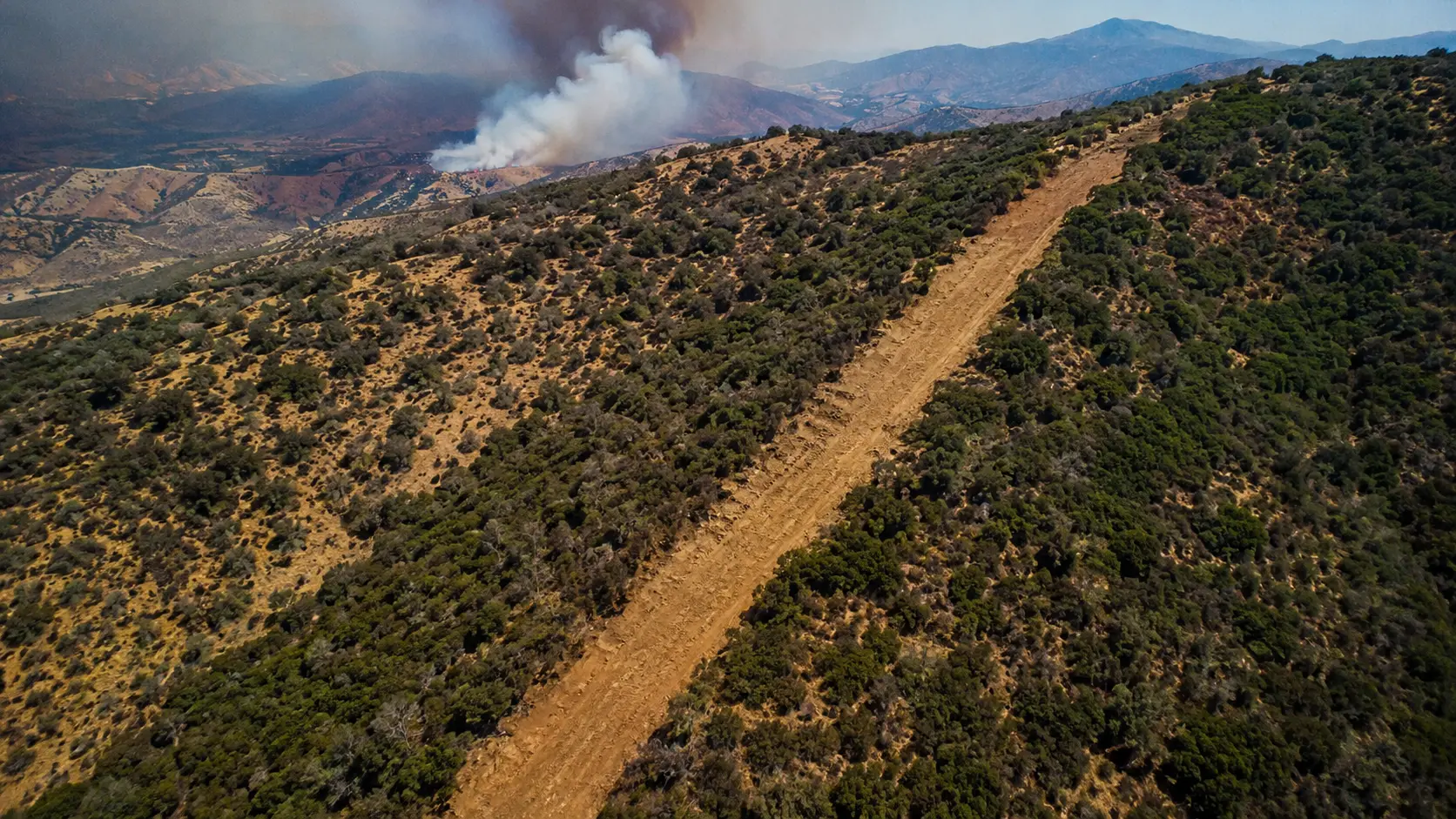
Anchor: Establish the first point of the control line at a secure anchor point — a natural firebreak (road, river, rocky outcropping), a previously burned area, or a prepared safety zone. The anchor is the point from which the control line extends without risk of the fire flanking around behind the crew. Building line without a secure anchor creates the situation where the fire can wrap around the open end of the line and trap the crew between the line they are constructing and the fire that has moved behind them.
Flank: From the anchor, the line extends along the flanks of the fire — the sides, not the head. Attacking a fire's head directly is listed in the Watch-Out Situations as a danger indicator because the rate of spread at the head is highest, the fire behavior is most intense, and the escape options for a crew working ahead of the head are most constrained. Flanking the fire, where spread rate is lower and fire behavior is less extreme, allows line construction to proceed with more control and better safety margins.
Pinch: As the flank lines extend from the anchor points on both sides, they eventually meet — closing the fire perimeter and completing containment. The pinch point is at the head of the fire, where the flanks come together. This is the last and most difficult part of containment, at the location where fire behavior is most intense. Reaching the pinch with adequate resources, adequate safety margins, and a defensible control line is the objective of the suppression operation.
Confine and Contain: When Suppression Isn't the Strategy
Confine and contain is the management strategy applied when direct suppression of the active fire front is not feasible with available resources or cannot be done within acceptable safety parameters. Instead of attacking the fire directly, resources are positioned on natural and constructed barriers to prevent the fire from crossing into specific areas — communities, critical infrastructure, high-value resources — while allowing it to burn within the containment boundary.
Confine means keeping the fire within the natural boundaries defined by terrain, fuel breaks, and existing control lines — not necessarily reducing the fire's area. Contain means establishing a complete perimeter of control lines around the fire — which may include burnout operations that widen the effective break — so that the fire cannot expand further in any direction once the perimeter is complete.
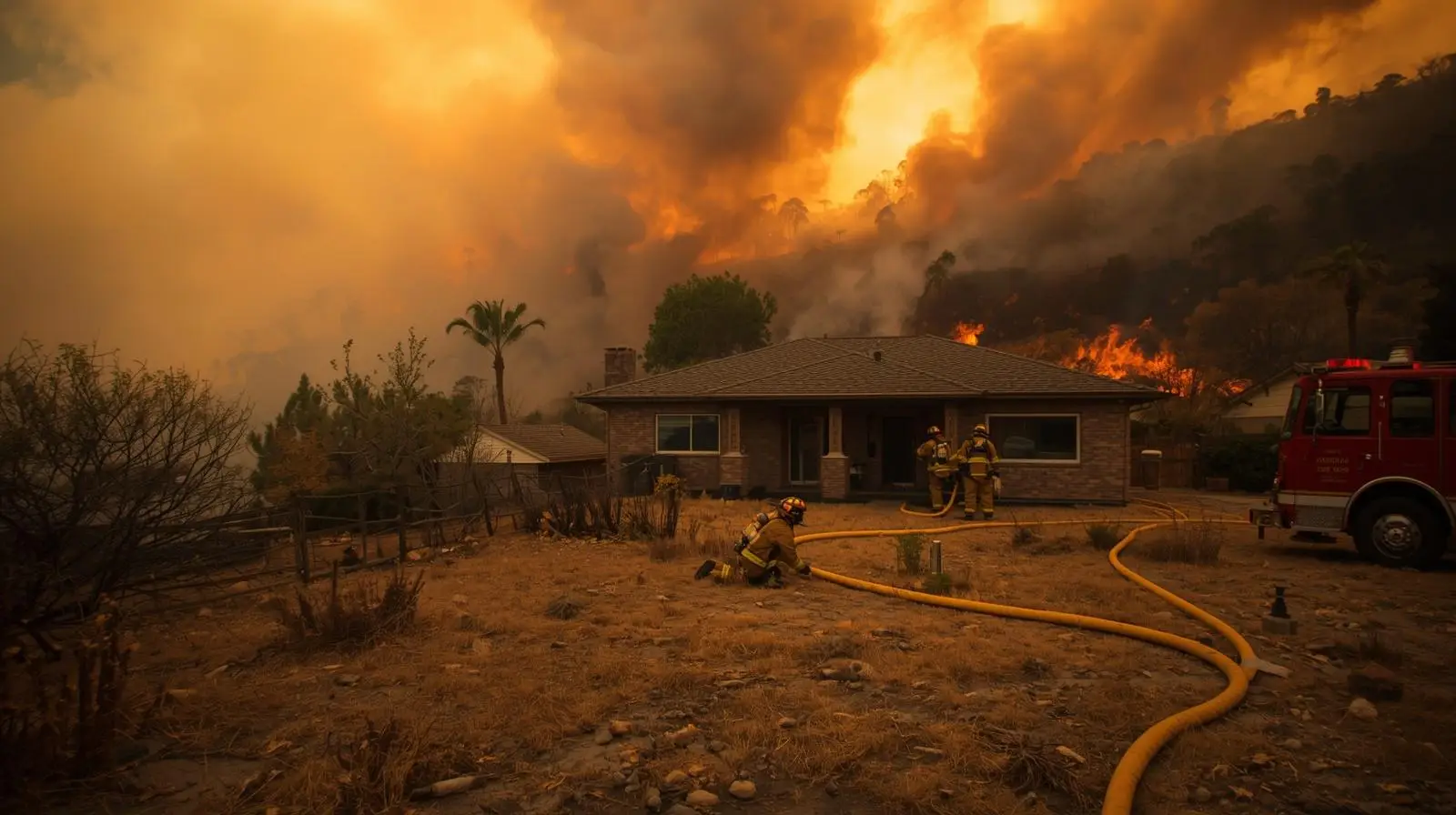
Large fires managed through confine-and-contain strategy are not being ignored. Resources are actively deployed on the containment perimeter. Burnout operations are conducted to strengthen the perimeter. Structure protection resources are positioned in communities within the fire's potential spread area. The distinction from suppression is that no resources are committed to direct attack on the active fire head under conditions where doing so would violate LCES or the Standard Orders.
How the Decision Is Made
The suppression-vs-management decision at the incident commander level integrates several information streams:
- Fire behavior forecast: What will the fire do over the next operational period? A fire that is burning at moderate intensity in stable weather may be suppressible. The same fire under a Red Flag Warning forecast is likely to exceed any suppression capability during the forecast period.
- Resource assessment: Are there enough crews, engines, and aircraft to make meaningful containment progress on the fire's perimeter? A 500-acre fire with 10 crews available has a different answer than a 5,000-acre fire with the same resources.
- Safety assessment: Can crews work on this fire in positions that have viable LCES? If the escape routes are marginal, safety zones are inadequate, or the fire behavior is producing conditions where the Watch-Out Situations apply, the safety answer drives the decision regardless of the resource answer.
- Values at risk: What is threatened? A fire burning in remote wilderness away from human values may be managed with minimal direct attack resources. The same fire approaching a community triggers maximum resource commitment — but with the safety constraints still in place.
Political Pressure vs. Tactical Reality
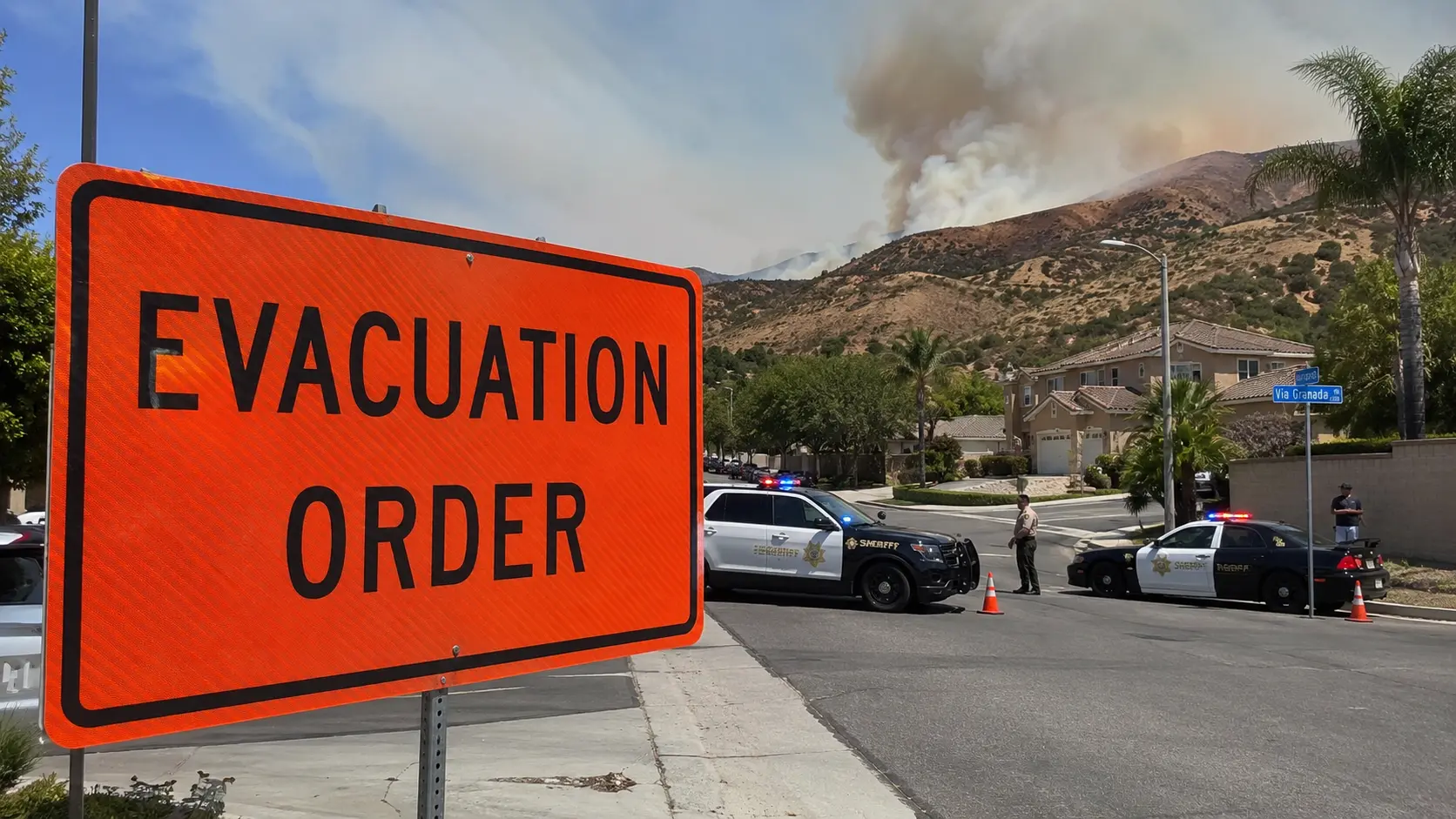
The suppression-vs-management decision is made by the incident commander — the person responsible for crew safety and tactical effectiveness. But it is not made in a vacuum. Political pressure from communities, property owners, elected officials, and agency administrators to "do more" to suppress a fire is a constant presence at major wildland fire incidents.
Incident commanders who have internalized the Standard Orders and the LCES framework can resist this pressure from a position of documented rationale — the decision not to commit crews to direct attack is not a decision not to try. It is a decision that the specific conditions do not support the specific tactic. When conditions change — when weather moderates, when resources arrive, when darkness and cooling bring the fire to a manageable behavior — the tactical posture changes accordingly.
The incidents where political pressure has contributed to suppression decisions that violated safety margins are documented in fatality investigations. The pattern is not uncommon: a fire that is receiving significant community attention, an agency administrator or political official applying pressure to show visible progress, an incident commander who compromises their safety assessment to demonstrate responsiveness. The result is crews in positions that LCES would have kept them out of under normal tactical decision-making.
Historical Incidents That Define the Boundaries
The Mann Gulch fire of 1949 — 13 people killed on a steep slope in Montana when a fire that was supposedly being contained blew up and overtook the escape route — is the foundational incident that drove the development of the Ten Standard Orders and the Watch-Out Situations. The investigation found that the crew was in a position that violated multiple safety principles and that the escape route was physically inadequate for the fire behavior they encountered.
The South Canyon fire of 1994 — 14 people killed on Storm King Mountain in Colorado — involved a crew working on a downhill line in steep terrain with unburned fuel below them, without a safety zone they could reach in the available time, when a wind shift drove the fire up the slope faster than anyone could outrun. The post-incident report produced the most detailed tactical failure analysis in wildland fire history and drove significant updates to how escape routes are defined, timed, and verified.
Both incidents are studied in every wildland firefighter training program in the country. The specific failures that killed people in each incident are the specific conditions that the Ten Orders and Eighteen Watch-Outs are designed to prevent from occurring again. They are not historical footnotes — they are the reason the decision framework exists in its current form.
Comments 0
No comments yet. Be the first to share your thoughts!
Leave a Comment