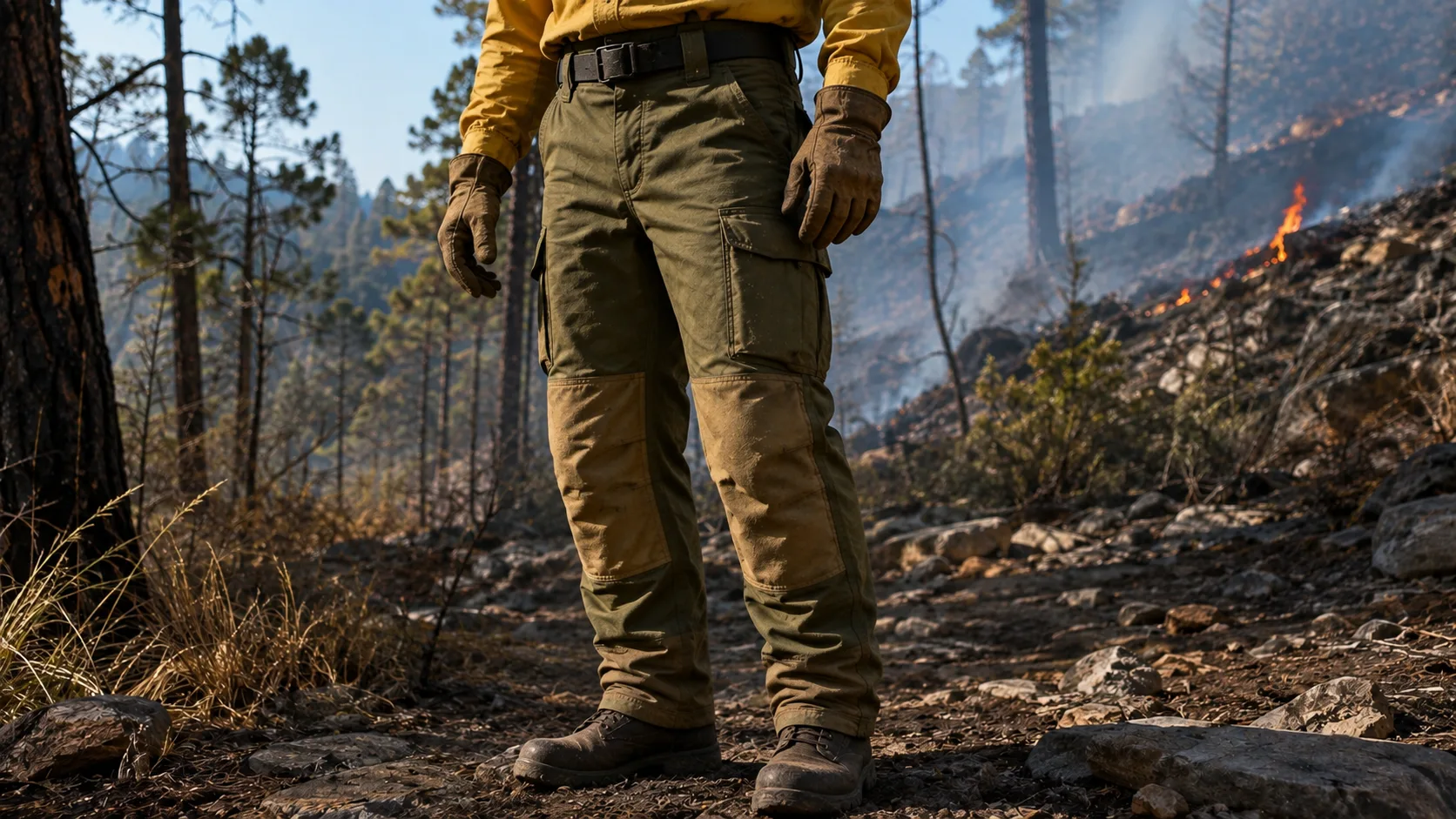
Best Wildland Firefighter Pants (2026) – NFPA 1977 Brush Pants Compared
Last updated:
Wildland brush pants live and die on one tradeoff: protection versus heat stress. Every pant on this list is certified to NFPA 1977, the standard that governs protective clothing for wildland fire fighting — but certification is the floor, not the differentiator. Fabric weight, weave, cut, and pocket layout are what decide whether a pant survives a full fire season of brush, boots, and repeated washing, and whether you're still moving well on hour ten of a shift. This guide breaks down what the standard actually requires, how the major fabrics compare, and which pants earn their price.
Training for the season?Wildland Firefighter Pack Test Guide · Getting hired:How to Become a Wildland Firefighter · Structural PPE:Turnout Gear Guide
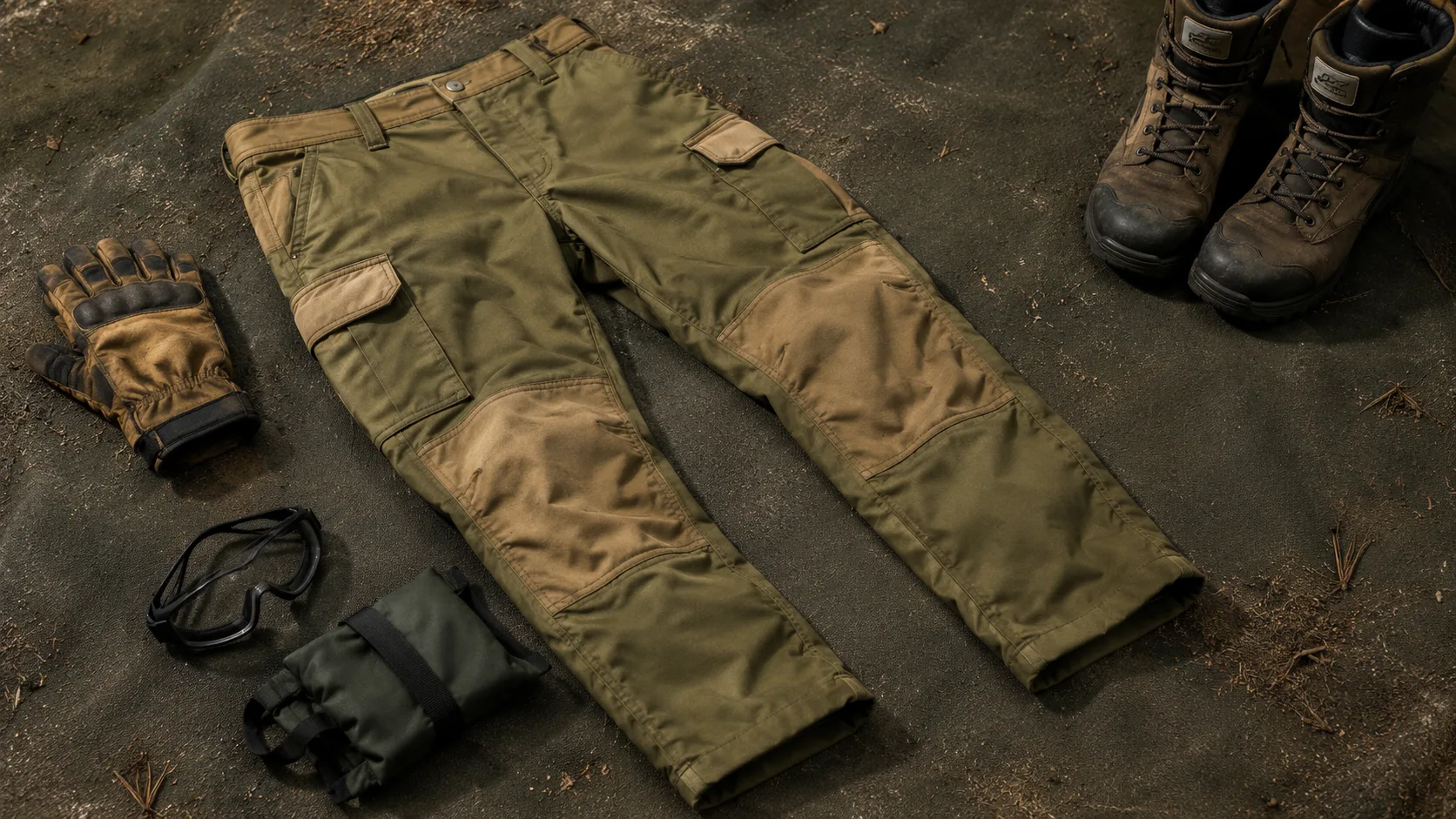
What NFPA 1977 Actually Requires
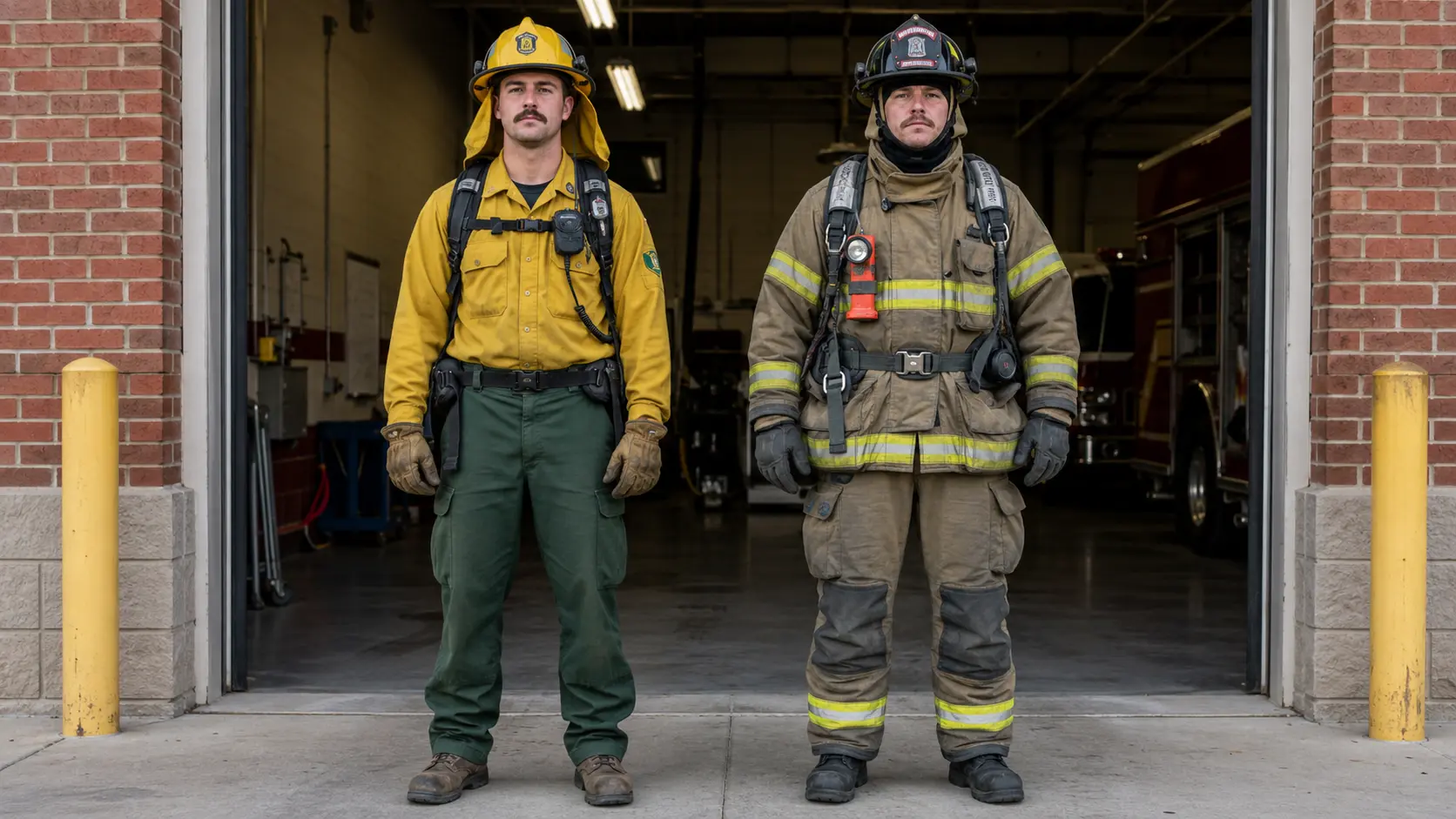
NFPA 1977, Standard on Protective Clothing and Equipment for Wildland Fire Fighting, sets the baseline for brush pants, coats, and gloves used on wildland incidents. It's a different standard from NFPA 1971, which governs structural turnout gear — wildland pants are built for heat and mobility over a long shift, not for the sustained direct-flame contact of an interior structural attack. Pants certified under NFPA 1977 must pass thermal shrinkage, tear resistance, and flame-resistance testing, and most federal wildland positions (USFS, BLM, NPS, state agencies) require it as a condition of assignment. Some pants are dual-certified to NFPA 1977 and NFPA 1975 (station/work uniforms), which lets a single pant cross over between engine-company station wear and line duty.
Fabric: Nomex vs Tecasafe Plus vs Blended Weaves
| Fabric | Typical Weight | Strengths | Tradeoffs |
|---|---|---|---|
| Nomex (aramid) | 6.0–7.5 oz | Flame resistance is inherent to the fiber — doesn't wash out, carbonizes rather than melts, decades of field track record | Heavier and less breathable than newer blends at the same protection level; higher cost per yard |
| Tecasafe Plus | 6.0–7.0 oz | Modal/lyocell-lyocell FR blend, softer hand-feel, generally more breathable and lighter than comparable Nomex weight | Slightly shorter usable lifespan under heavy abrasion in some crew reports; confirm agency approval before ordering |
| Blended weaves (e.g. CX DefenseCore + Nomex reinforcement) | 6.0–7.5 oz combined | Lighter primary fabric with Nomex reinforcement at knees, seat, and instep — targets protection where wear is highest | Usually the highest price point in a given lineup |
Ounce weight is a proxy for durability and heat retention, not a strict better-or-worse scale. A 6.0 oz pant breathes better on a long, hot initial-attack shift; a 7.5 oz pant holds up longer against brush abrasion and repeated laundering over a multi-month assignment. Crews on long fire seasons in dense fuel types often lean heavier; engine crews doing shorter, more frequent shifts often prioritize the lighter weight.
How the Major Brush Pants Compare
| Pant | Fabric | Certification | Best For | Typical Price |
|---|---|---|---|---|
| CrewBoss Gen II Tactical Pant | 6oz CX DefenseCore w/ 6oz Nomex at knee, seat, instep | NFPA 1977 & 1975 | Crews wanting station-wear looks that still hold up on the fireline; developed with DHS and Army Natick research input | ~$300–$350 |
| CrewBoss CAL FIRE Tactical Pant | 7.5oz TenCate FireBreak 469 (Nomex) | NFPA 1977 & 1975 | Heavier-duty durability for full-season line assignments | ~$280–$300 |
| Propper Wildland Brush Pant | Nomex | NFPA 1977 & 1975; USDA Forest Service certified | Budget-conscious crews and departments buying in bulk; dual-compliant option pulls double duty as station wear | ~$120–$180 |
| True North Wildland Pant Pro | Nomex | NFPA 1977 | Fit-focused buyers — micro-adjustable waistband, adjustable ankle straps to keep debris out | ~$180–$220 |
| Cascade Strike Team Pant | 7.5oz Nomex | NFPA 1977 & 1975 | Full-cut fit for crews prioritizing freedom of movement over a tailored silhouette | ~$150–$200 |
Prices are approximate street pricing as of mid-2026 and vary by size, color, and retailer. Always confirm your agency or department's specific procurement contract and required NFPA edition before purchasing — some agencies maintain approved-vendor lists that supersede individual preference.
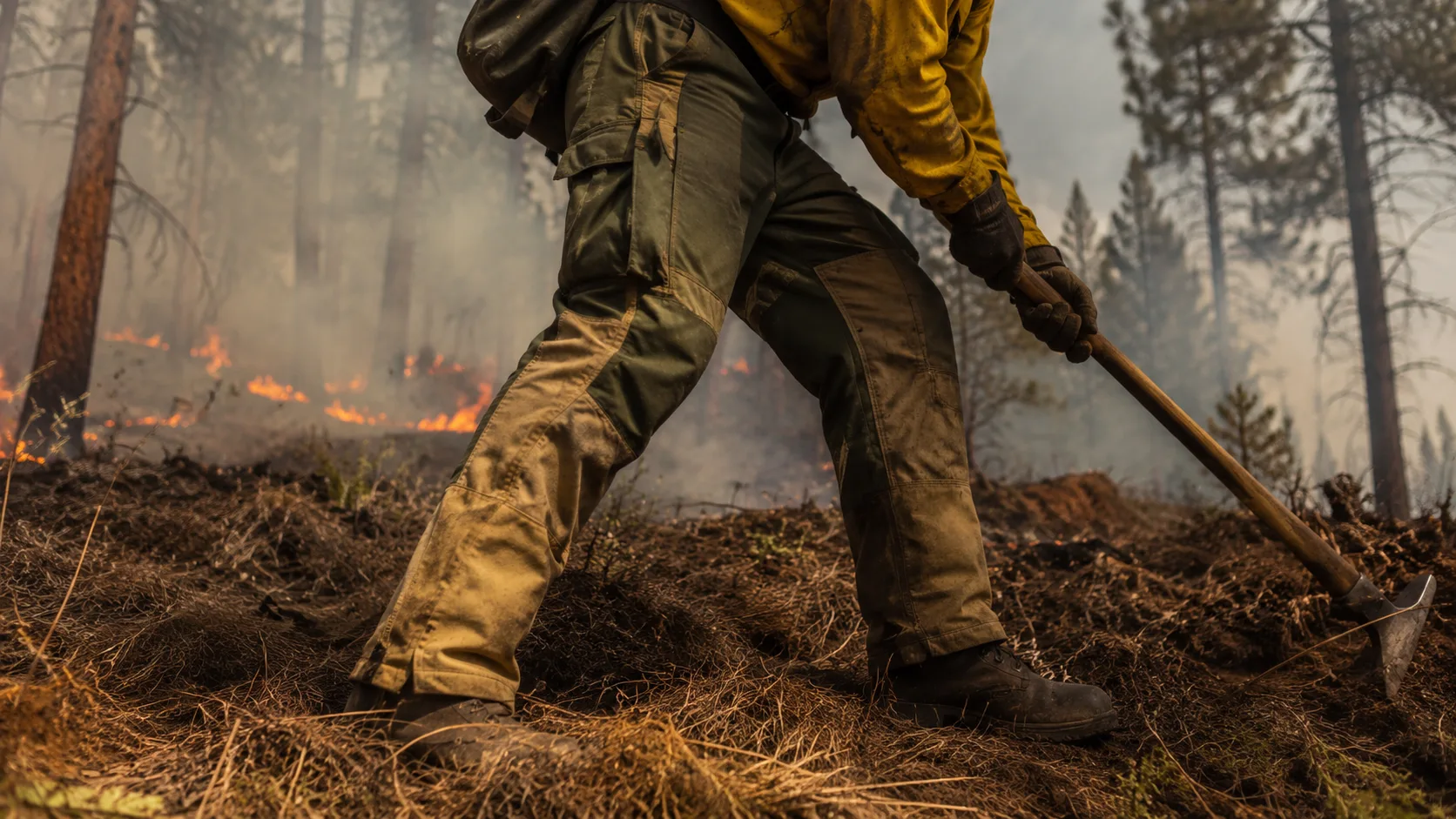
What to Check Before You Buy
- ✓NFPA 1977 certification label sewn into the garment, not just claimed on a product page — this is what your agency's Red Card process will check.
- ✓Cargo pocket placement — unidirectional or angled thigh pockets snag less on brush than straight-cut pockets.
- ✓Reinforced knees and seat — the areas that wear out first from kneeling, crawling, and pack straps.
- ✓Ankle closure system — hook-and-loop or adjustable straps that seal against boot tops keep embers and debris out.
- ✓PFAS-free construction where available — several current-generation pants have moved away from PFAS-based durable water repellent finishes.
- ✓100% cotton or FR-rated base layer underneath — NFPA guidance and most agency policy require this; synthetic underlayers can melt against skin under heat.
Care and Lifespan
Flame resistance in Nomex and Tecasafe Plus is built into the fiber itself, so it doesn't wash out the way a topical FR treatment would — but the garment still wears out mechanically. Inspect seams, pocket stitching, and the ankle closure system before each assignment, and retire pants with holes, thinning fabric at the knees or seat, or a failed closure system rather than patching them for another season. Machine washing per the manufacturer's care label is standard; avoid fabric softeners and household bleach, both of which can degrade FR fibers over repeated washes.
Frequently Asked Questions
What's the difference between NFPA 1977 and NFPA 1971 pants?
NFPA 1971 covers structural turnout gear built for direct, sustained flame contact during interior structure fires, with a multi-layer moisture barrier system. NFPA 1977 covers wildland gear built for radiant heat and long-duration wear in the field, prioritizing breathability and mobility over the heavier layered protection of structural gear.
Is Tecasafe Plus as protective as Nomex?
Both fabrics are used in garments certified to the same NFPA 1977 standard, so both meet the same tested protection threshold at their respective weights. Nomex has a longer field track record and is generally considered more abrasion-resistant over time; Tecasafe Plus tends to run lighter and more breathable at a comparable protection level. Check your specific agency's approved-fabric list before purchasing, since some contracts specify one over the other.
How often should wildland brush pants be replaced?
There's no fixed federal replacement interval the way there is for structural gear under NFPA 1851. In practice, most seasonal wildland crews replace brush pants every one to three seasons depending on assignment intensity, laundering frequency, and visible wear — any pant with compromised seams, thinning fabric, or a failed closure system should be retired regardless of age.
Can wildland brush pants be worn as station wear?
Only if the specific garment is dual-certified to both NFPA 1977 and NFPA 1975. Several manufacturers, including CrewBoss and Propper, sell dual-compliant pants specifically so one pant can move between station duty and the fireline — a standard single-certified brush pant is not automatically rated for station/work uniform use.
Gearing up for fire season? See the Best Firefighter Boots guide next, or check the Pack Test Guide to make sure your fitness is squared away before the physical requirements catch you off guard.
Comments 0
No comments yet. Be the first to share your thoughts!
Leave a Comment