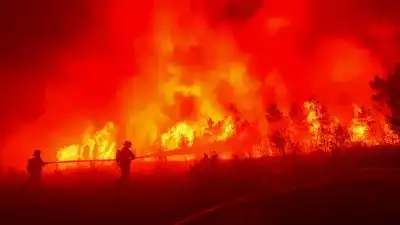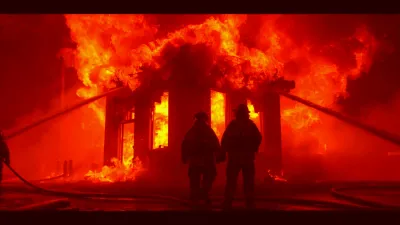

As the flames of wildfires rage across Canada, the smoke produced is not only a testament to the ferocity of these blazes, but it also poses a significant health risk to millions of Americans as it drifts southward. The air quality has deteriorated, leading to alarming warnings from health officials and environmental agencies. The smoke carries fine particulate matter and toxic chemicals that can exacerbate respiratory issues and lead to long-lasting health problems. As the saying goes, "Until the smoke clears, the real damage remains unseen."
The smoke from these wildfires is carried by prevailing winds, spreading across vast distances and affecting cities and towns far from the fire's epicenter. The situation underscores the interconnectedness of environmental health and climate change, as rising temperatures and prolonged droughts create ideal conditions for such fires. As communities in the United States brace for the onslaught of this hazardous smoke, experts are sounding the alarm about the potential consequences for public health.
The Composition of Wildfire Smoke
Wildfire smoke consists of a complex mixture of gases and fine particulate matter, including carbon dioxide, carbon monoxide, volatile organic compounds, and various other toxic substances. The most concerning components are the particulate matter known as PM2.5, which can penetrate deep into the lungs and even enter the bloodstream. As these particles travel through the air, they can trigger a range of health issues, from mild irritations to severe respiratory diseases.
Individuals with preexisting health conditions, such as asthma or chronic obstructive pulmonary disease (COPD), are particularly vulnerable. Children and the elderly are also at heightened risk due to their developing or weakened respiratory systems. The Centers for Disease Control and Prevention (CDC) warns that exposure to wildfire smoke can lead to symptoms like coughing, throat irritation, and difficulty breathing, while also aggravating chronic heart and lung conditions.
Beyond immediate health concerns, the long-term effects of exposure to wildfire smoke are still being studied. Researchers are investigating potential links between smoke exposure and chronic illnesses, including cardiovascular diseases and even cognitive impairments. The complexity of smoke composition means that its impacts can vary greatly from person to person, further complicating public health responses.
Public Health Responses
In response to the encroaching smoke, health officials are advising residents in affected areas to take precautionary measures. These include staying indoors as much as possible, using air purifiers, and keeping windows and doors closed. Additionally, wearing masks designed to filter out fine particles can provide a layer of protection when venturing outside.
Local governments are also mobilizing resources to address the challenges posed by the smoke. Emergency services are working to provide shelter for those who may be affected by the air quality, particularly for vulnerable populations. Community outreach programs are being initiated to inform residents about the risks and protective measures they can take. As the situation evolves, public health officials emphasize the importance of staying informed through reliable sources.
The National Weather Service has been actively monitoring air quality levels and issuing warnings as needed. Real-time air quality indexes are made available to help residents understand the current state of their environment. With the smoke's unpredictable nature, these updates are critical for those living in regions impacted by wildfire smoke.
The Broader Implications of Climate Change
The increasing frequency and intensity of wildfires are directly linked to climate change, which has created conditions conducive to such disasters. Rising temperatures, prolonged dry spells, and the prevalence of invasive species all contribute to the fuel load that allows wildfires to ignite and spread. As climate patterns shift, the likelihood of future wildfires becomes a pressing concern for both public health and environmental sustainability.
Experts warn that the phenomenon of wildfire smoke is not an isolated issue but rather part of a larger pattern of environmental degradation exacerbated by human activity. The implications of this trend extend beyond immediate health risks; they reflect broader challenges related to air quality, biodiversity loss, and the need for sustainable land management practices.
As communities grapple with the consequences of wildfire smoke, discussions about climate resilience and adaptation strategies are becoming increasingly urgent. Stakeholders from various sectors are beginning to collaborate on innovative solutions to mitigate the impacts of climate change, including improved forest management techniques and investment in renewable energy sources.
In the face of these challenges, public awareness and education play a crucial role. The more individuals understand the connection between climate change and extreme weather events, the better equipped they will be to advocate for policies that promote environmental stewardship. Providing resources and support for affected communities is essential in fostering resilience and preparing for future challenges.
As the smoke from Canadian wildfires continues to drift into the United States, it serves as a reminder of the ever-pressing need to address climate change and its far-reaching effects on health and the environment. The fight against wildfires is not just about controlling flames; it is about safeguarding the health of our communities and the planet for generations to come.
In these times of uncertainty and danger, it is vital to remember that we are all interconnected. The smoke that rises in one part of the world can have repercussions that reach far beyond its origins. It is a collective responsibility to take action and prioritize the health of our environment and the well-being of those around us.
In conclusion, as we navigate through the haze of wildfire smoke, let us remain vigilant, informed, and united in our efforts to combat the growing threats posed by climate change. The time to act is now, not just for ourselves, but for the future of our planet.