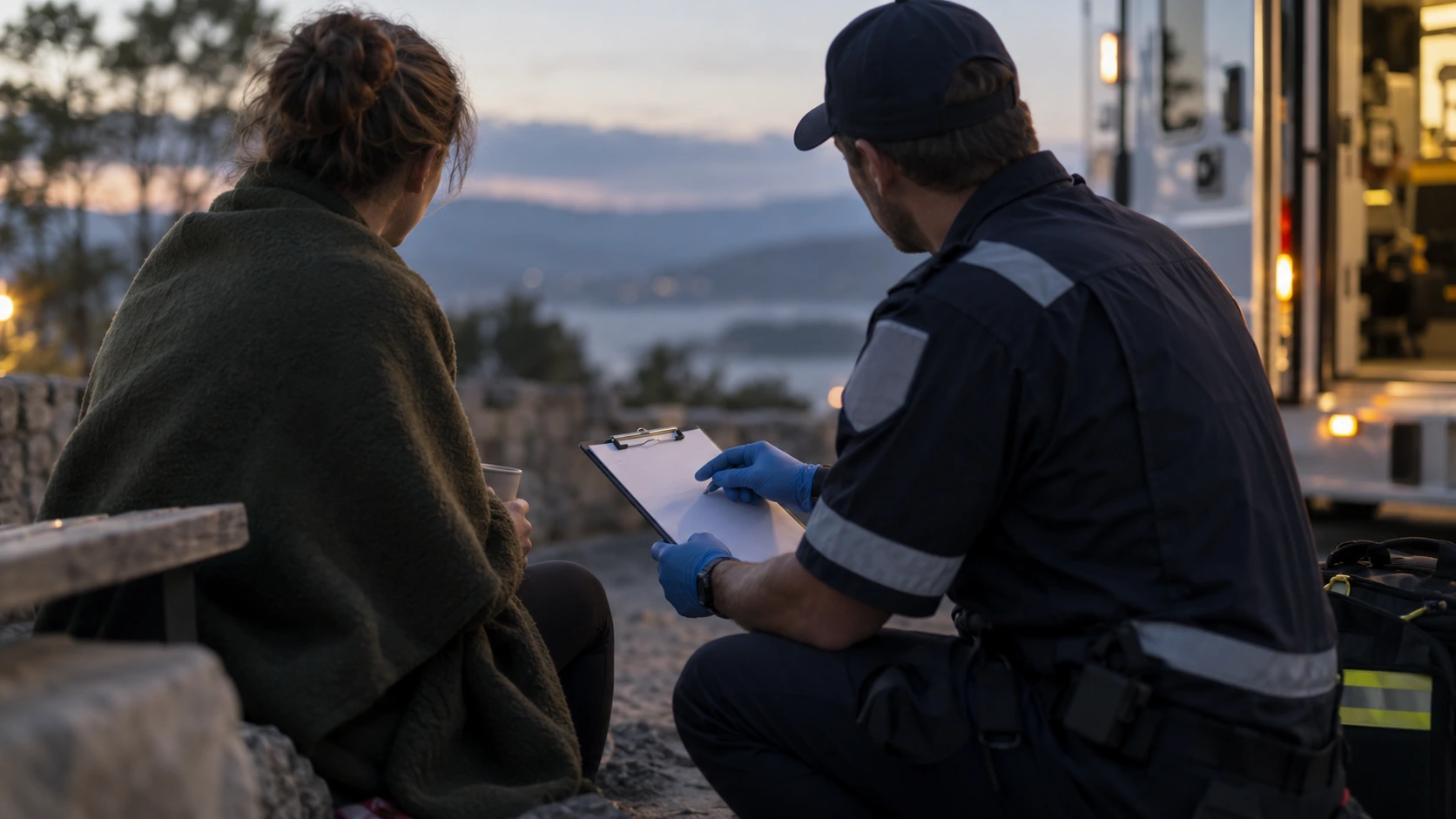

Short answer: Yes. If you're a conscious, competent adult, you generally have the legal right to refuse ambulance transport even after calling 911 — paramedics can evaluate and treat you on scene, but they cannot force you into the ambulance. You'll typically be asked to sign a "Refusal of Medical Assistance" (RMA) form documenting the decision.
Calling 911 doesn't create an obligation to go to the hospital. Plenty of people call for a scare that turns out to be minor, get checked out by paramedics on scene, and decide they'd rather drive themselves or simply don't need further care. Here's what your rights actually look like, when refusing isn't allowed, and how it affects your bill.
In this article:
Your Right to Refuse Transport
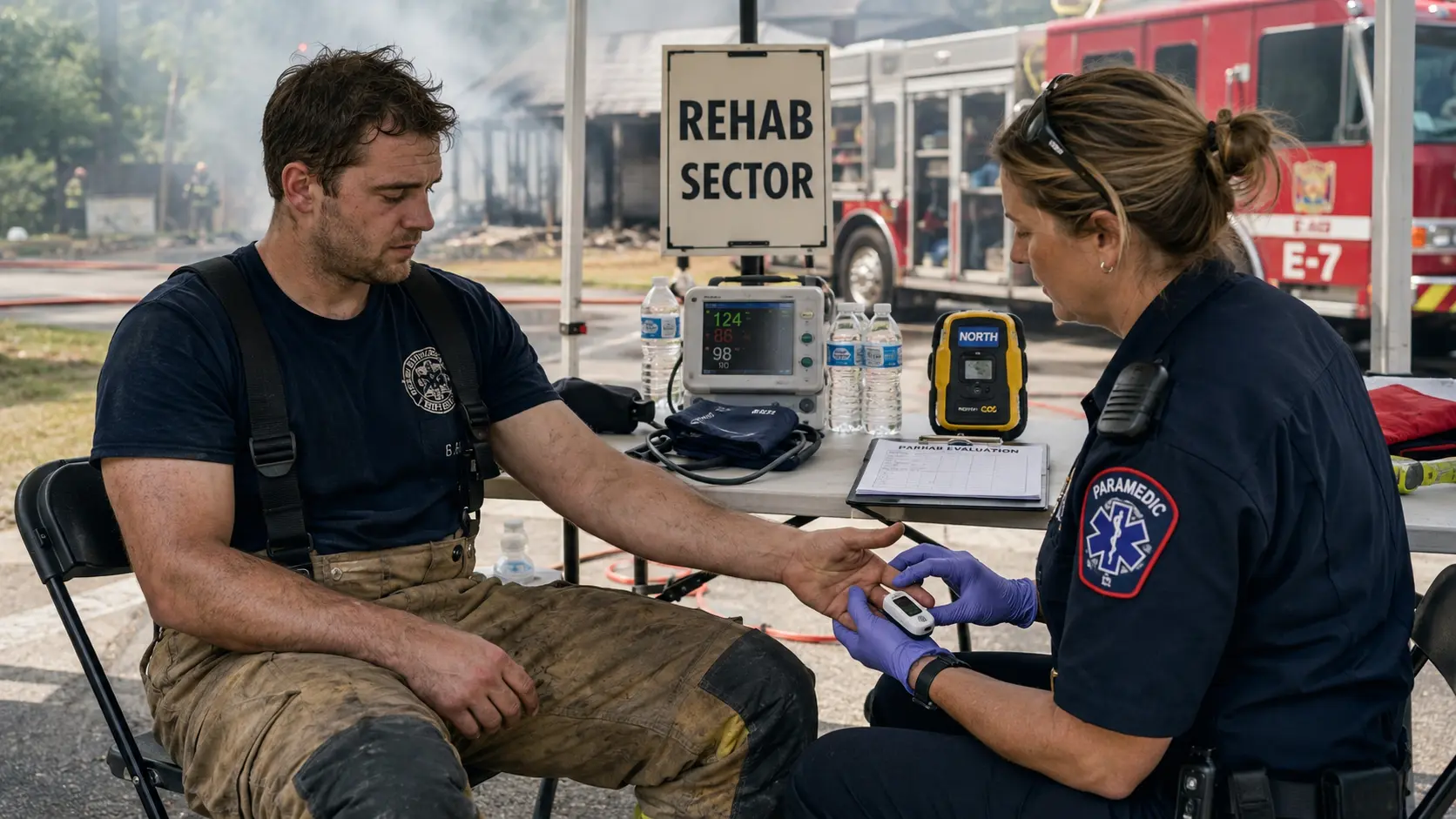
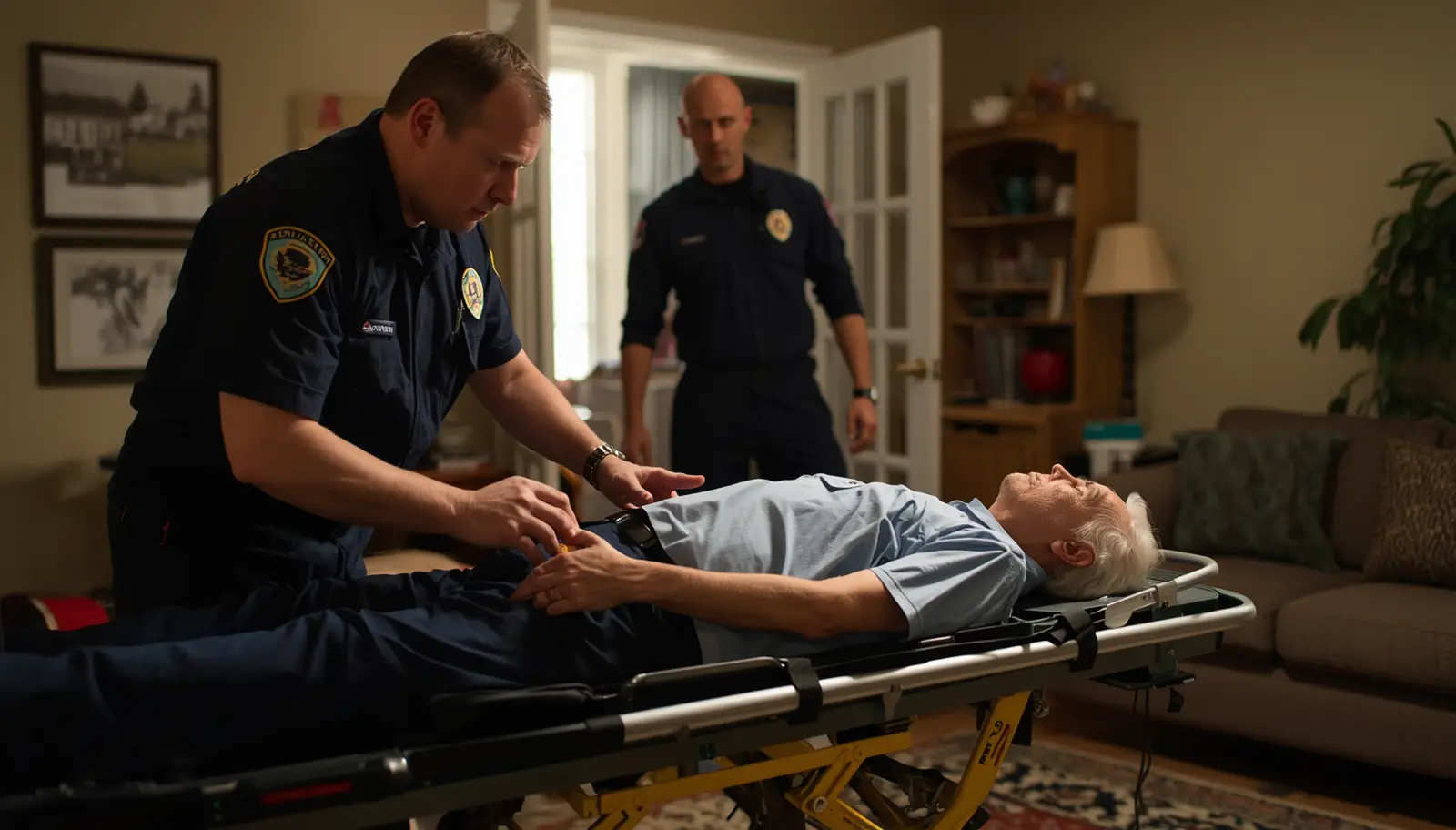
Adults with the capacity to understand their situation and the consequences of their decision have the right to refuse medical treatment and transport, even in an emergency response context. This is rooted in the same informed-consent principle that applies throughout medicine: paramedics can strongly recommend transport, explain the risks of refusing, and document their concerns, but they cannot physically force a competent adult into an ambulance.
What Is a "Refusal of Medical Assistance" Form?
When you decline transport, paramedics will typically ask you to sign an RMA (sometimes called an "Against Medical Advice," or AMA, form). This document records that they explained your condition, recommended transport, and that you understood the risks but chose to decline anyway. It protects both you and the EMS crew by creating a clear record of an informed decision, rather than crews simply leaving without documentation.
When You Can't Refuse
- ✗Altered mental status. If you're confused, disoriented, intoxicated to the point of impaired judgment, or unconscious, paramedics and law enforcement can determine you lack the capacity to refuse.
- ✗Minors. A parent or legal guardian generally must be involved in the decision to refuse care for a child; a minor typically cannot refuse on their own.
- ✗Danger to self or others. If a person is deemed an active danger to themselves (such as an active suicide attempt) or others, involuntary transport for evaluation may be legally authorized, often involving law enforcement.
- ✗Certain psychiatric holds. Under some state laws, a person under an involuntary psychiatric hold cannot refuse transport for evaluation.
Does Refusing Transport Mean No Bill?
Not necessarily anymore. In many jurisdictions, refusing transport still means no bill at all, since transport is historically the only billable event. However, a growing number of cities and private EMS providers now charge a smaller flat "treatment, no transport" or assessment fee for on-scene evaluation and care, even without a hospital trip. Whether you're billed for a refusal genuinely depends on your local EMS provider's fee policy — see our full breakdown in how much an ambulance costs without insurance for typical fee structures.
When Refusing Is Genuinely Risky
This is not medical advice, and cost should never be the deciding factor for symptoms like chest pain, stroke symptoms (facial drooping, slurred speech, arm weakness), severe bleeding, difficulty breathing, or major trauma. Paramedics are trained to evaluate whether a condition may be more serious than it looks; if a crew is recommending transport for symptoms like these, that recommendation is worth taking seriously regardless of billing concerns.
Paramedics aren't perfect judges of severity in every case, but the situations where they most strongly push for transport are usually the ones with the highest stakes if something is missed. If you're on the fence, ask the crew directly what they're concerned about and what could happen if you decline — that conversation is part of informed consent, and a good crew will walk through it with you.
Frequently Asked Questions
Can you refuse an ambulance after calling 911?
Yes, if you're a conscious, competent adult. Paramedics can evaluate and recommend transport, but they cannot force you to go if you understand and accept the risks of declining.
What is a Refusal of Medical Assistance (RMA) form?
It's a document you sign confirming paramedics explained your condition and the risks of refusing transport, and that you chose to decline anyway. It protects both you and the EMS crew.
Can a child refuse an ambulance?
Generally no. A parent or legal guardian typically needs to be involved in any decision to decline care or transport for a minor.
If I refuse transport, will I still get a bill?
It depends on your local EMS provider. Some jurisdictions only bill for actual transport, while others charge a smaller "treatment, no transport" fee for on-scene evaluation even if you decline the ride.
Bottom line: You have the right to decline ambulance transport as a competent adult, but that right exists for genuinely minor situations — not as a way to avoid a bill during a real emergency. When in doubt, trust the crew's recommendation.


Comments 0
No comments yet. Be the first to share your thoughts!
Leave a Comment