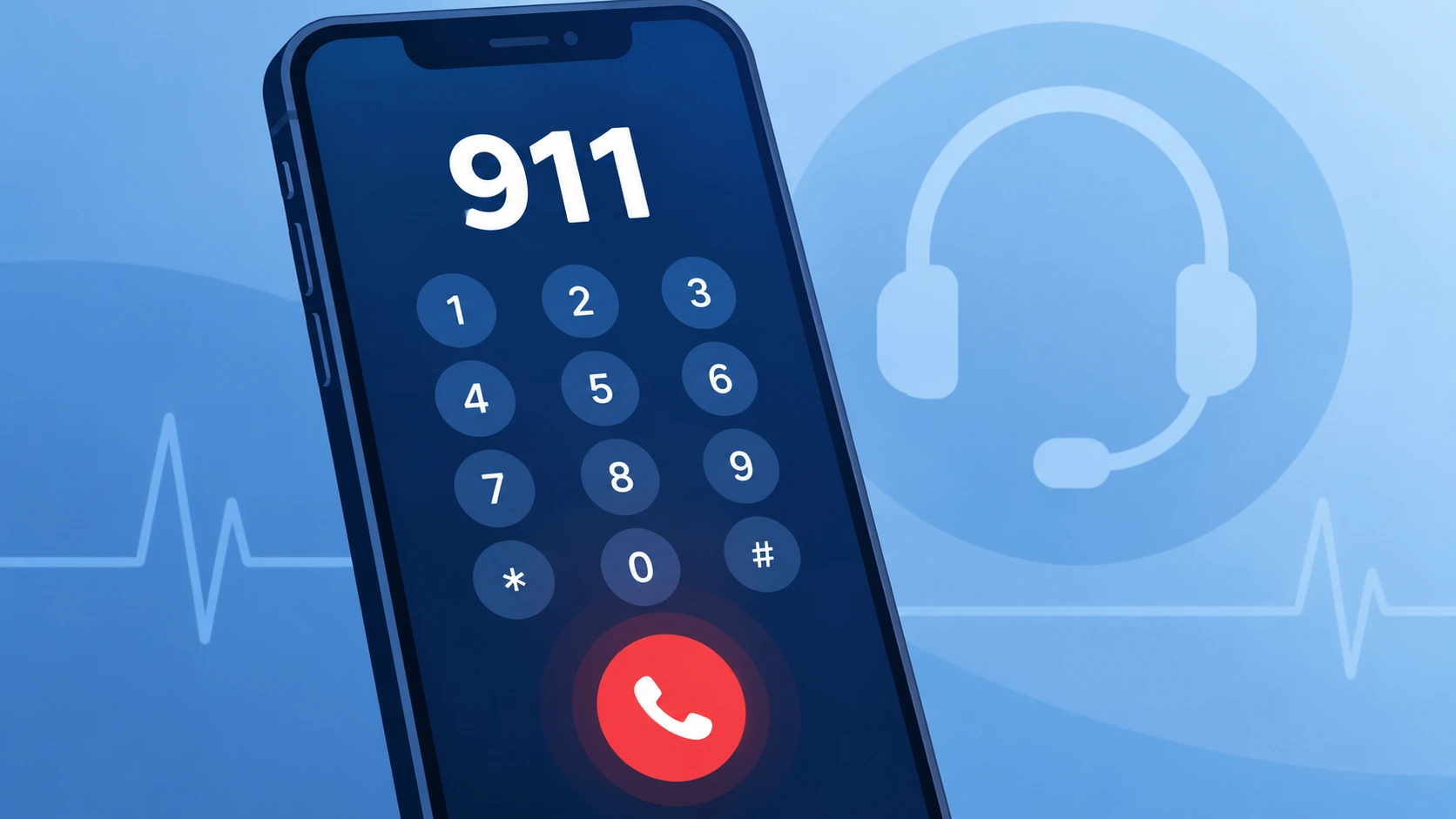

Short answer: Dialing 911 itself is always free — there's no per-call charge to you, whether you're on a landline, cell phone, or VoIP service. What can cost money is what happens after the call, specifically if an ambulance is dispatched and either transports you or, increasingly, just evaluates you on scene.
Most people never think about what a 911 call costs until a bill shows up weeks later. The confusion makes sense: police and fire response are funded through your taxes and never billed to you directly, but emergency medical services (EMS) usually work on a completely different financial model. Here's exactly where the free part ends and the billing begins.
In this article:
Is the 911 Call Itself Free?
Yes. Placing a 911 call carries zero per-call charge, no matter what device you're calling from. There's no subscription fee, no activation cost tied to the call, and no hidden per-minute rate. Most households and businesses already pay a small monthly 911 surcharge on their phone bill — usually a dollar or two — and that fee is what funds the dispatch center itself, regardless of how many times you actually call.
Even a phone with no active service plan can typically still reach 911 in the U.S., and calling by accident is not something you'll be billed or penalized for — just stay on the line long enough to tell the dispatcher it was a mistake so they don't send help unnecessarily.
Police and Fire Response: Free
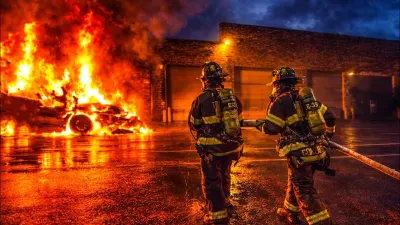
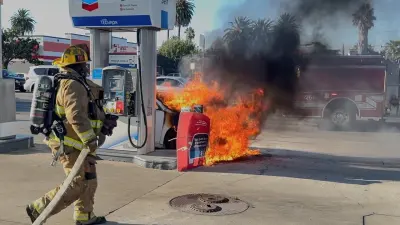
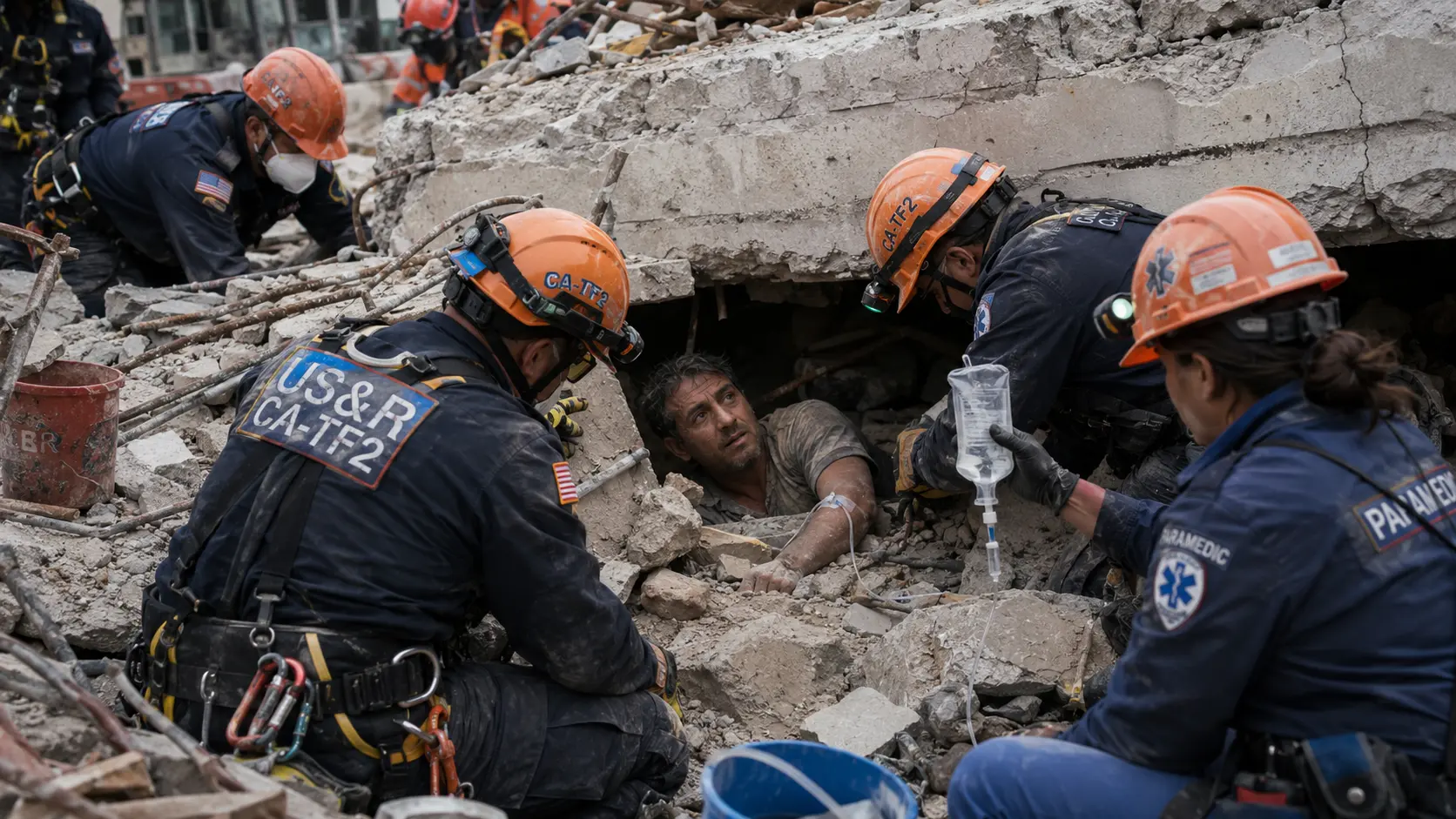
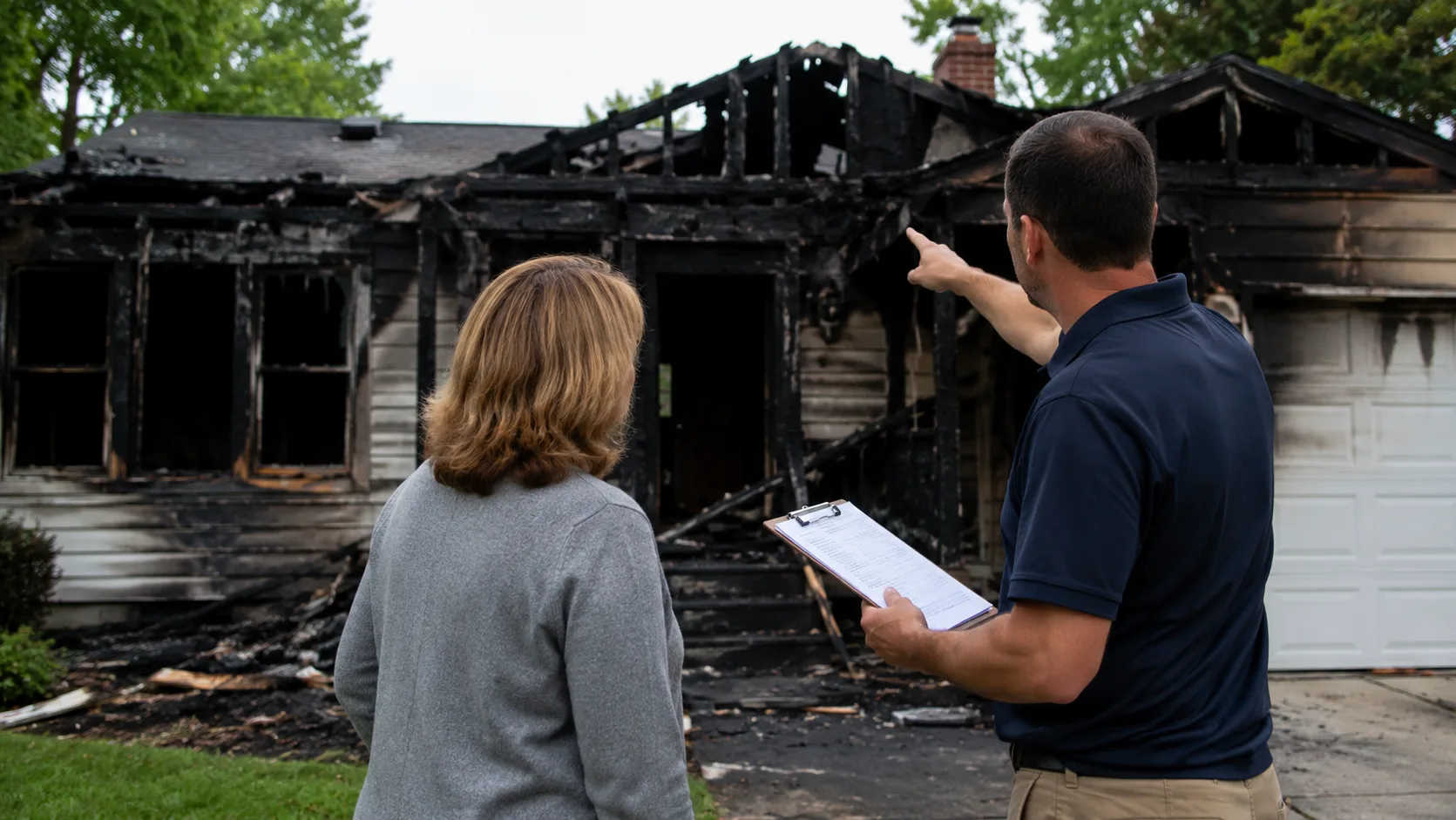
When your 911 call sends police officers or firefighters, that response is covered by the taxes that already fund those departments. You won't get an invoice for a squad car showing up or for firefighters extinguishing a fire or performing a rescue. For a full breakdown of when fire departments do and don't bill, see our guide on whether the fire department is free.
Ambulance Response: Usually Billed
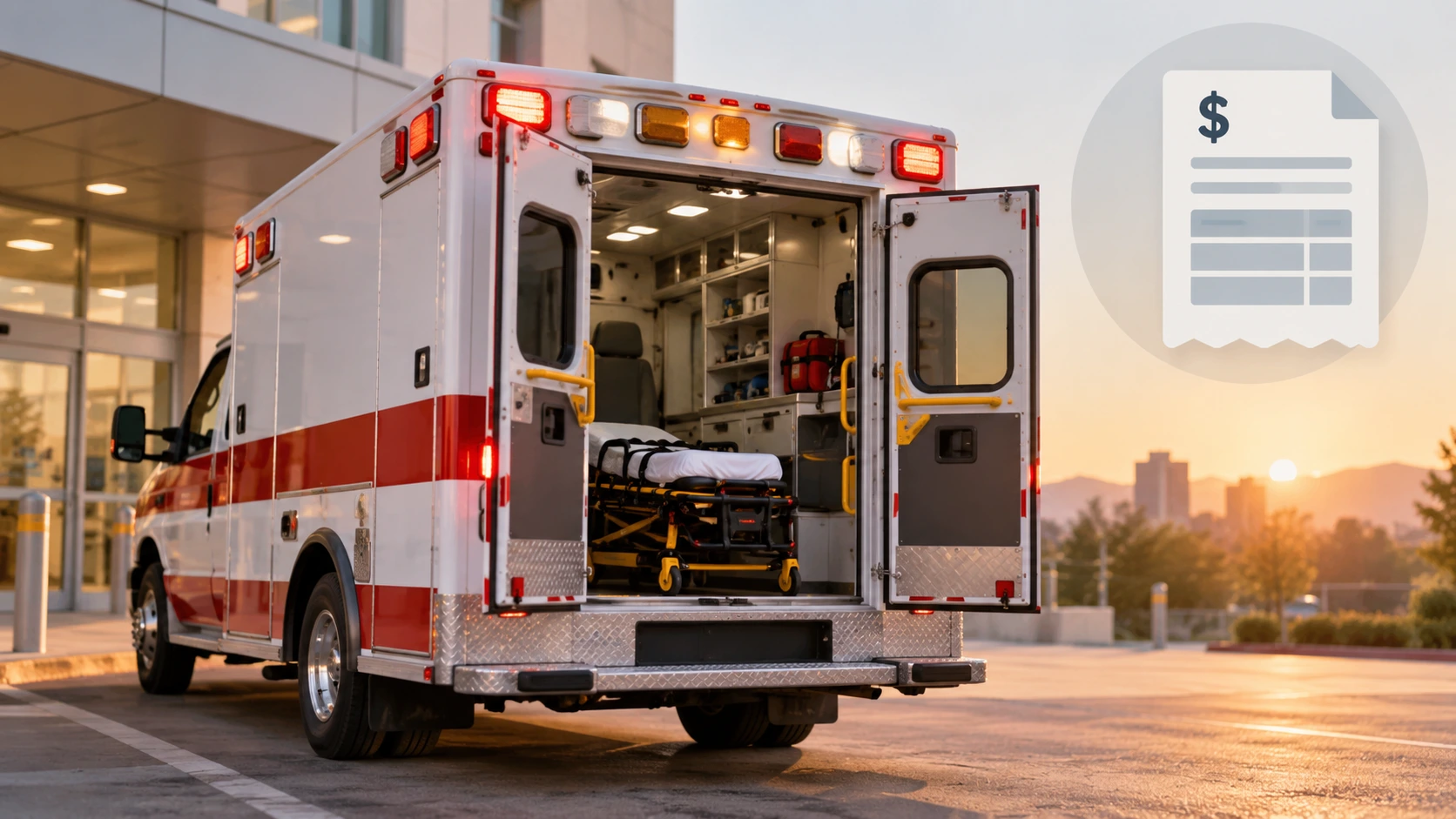
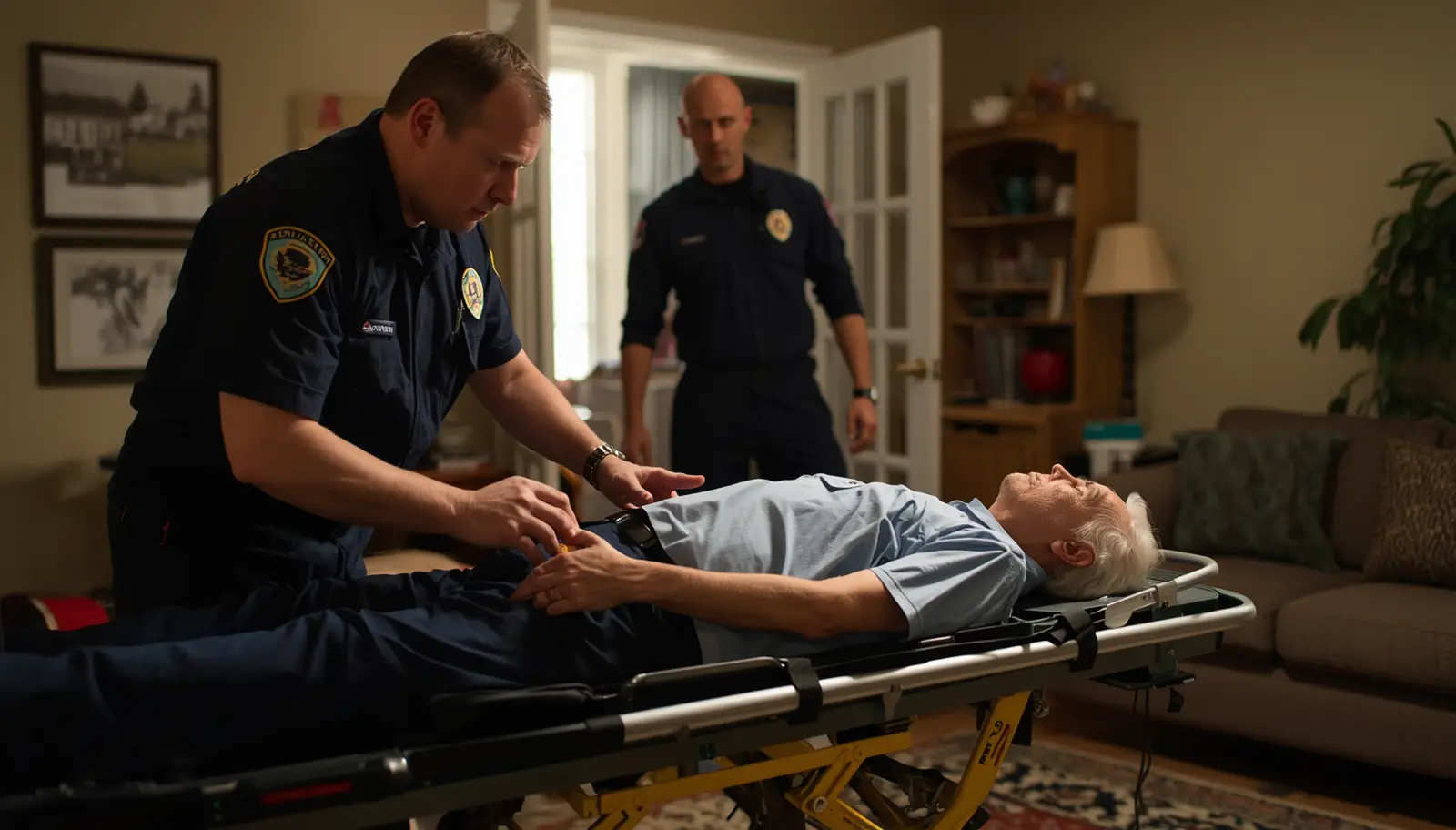
This is where most of the confusion — and most of the surprise bills — come from. Unlike police and fire, ambulance transport is treated as a medical service and billed like one, whether the ambulance is run by the fire department, a hospital, or a private company. If paramedics take you to the hospital, expect a bill sent to you or your insurance afterward, based on the level of care provided (Basic Life Support or Advanced Life Support) plus a per-mile charge for the trip.
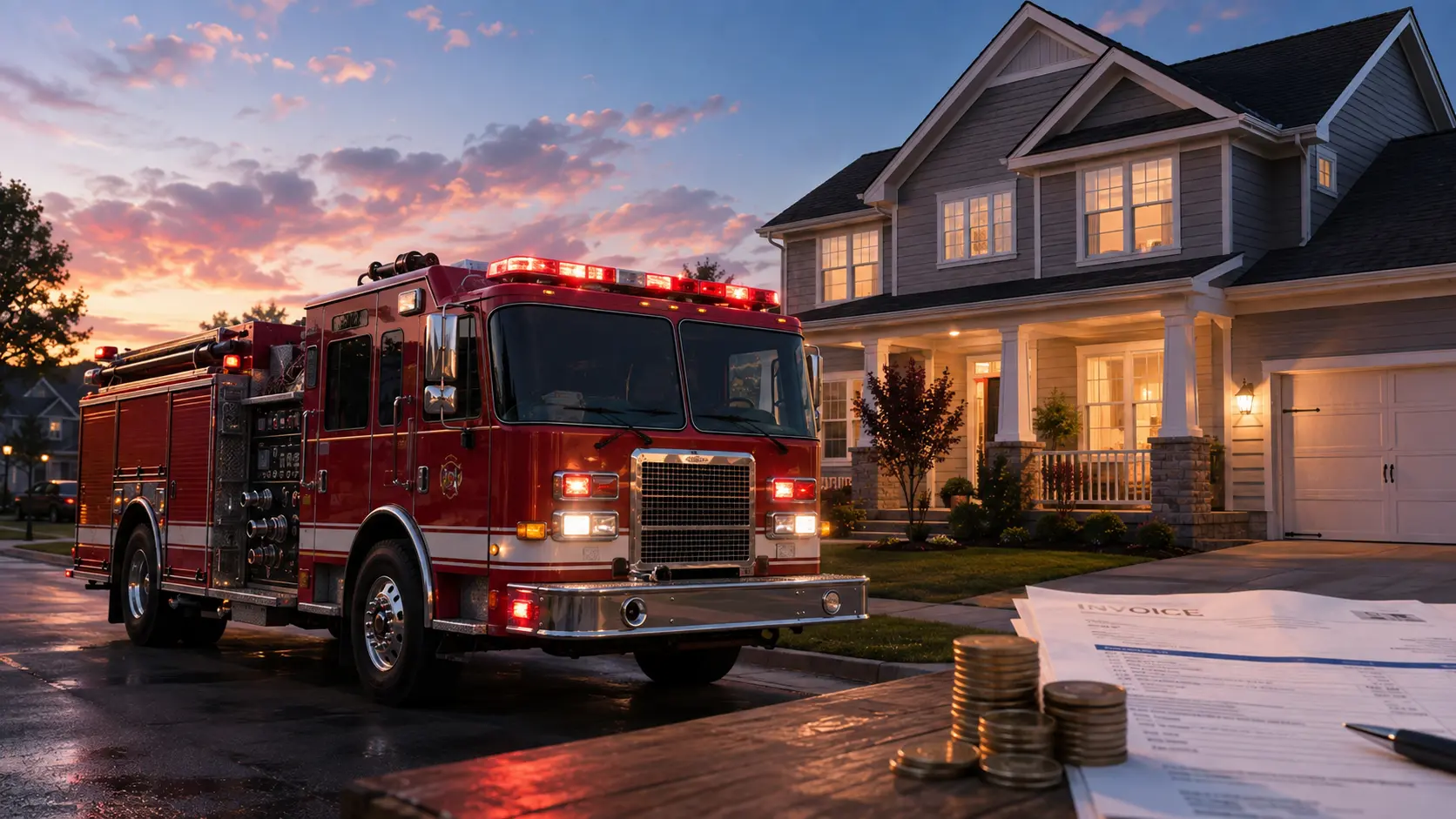
Real-world range: Ambulance transport bills in the U.S. commonly run anywhere from $500 to $3,600+ before insurance, depending on the city, the level of care, and mileage. For a full cost breakdown by fee type, see how much an ambulance costs without insurance.
The Rise of "Treatment, No Transport" Fees
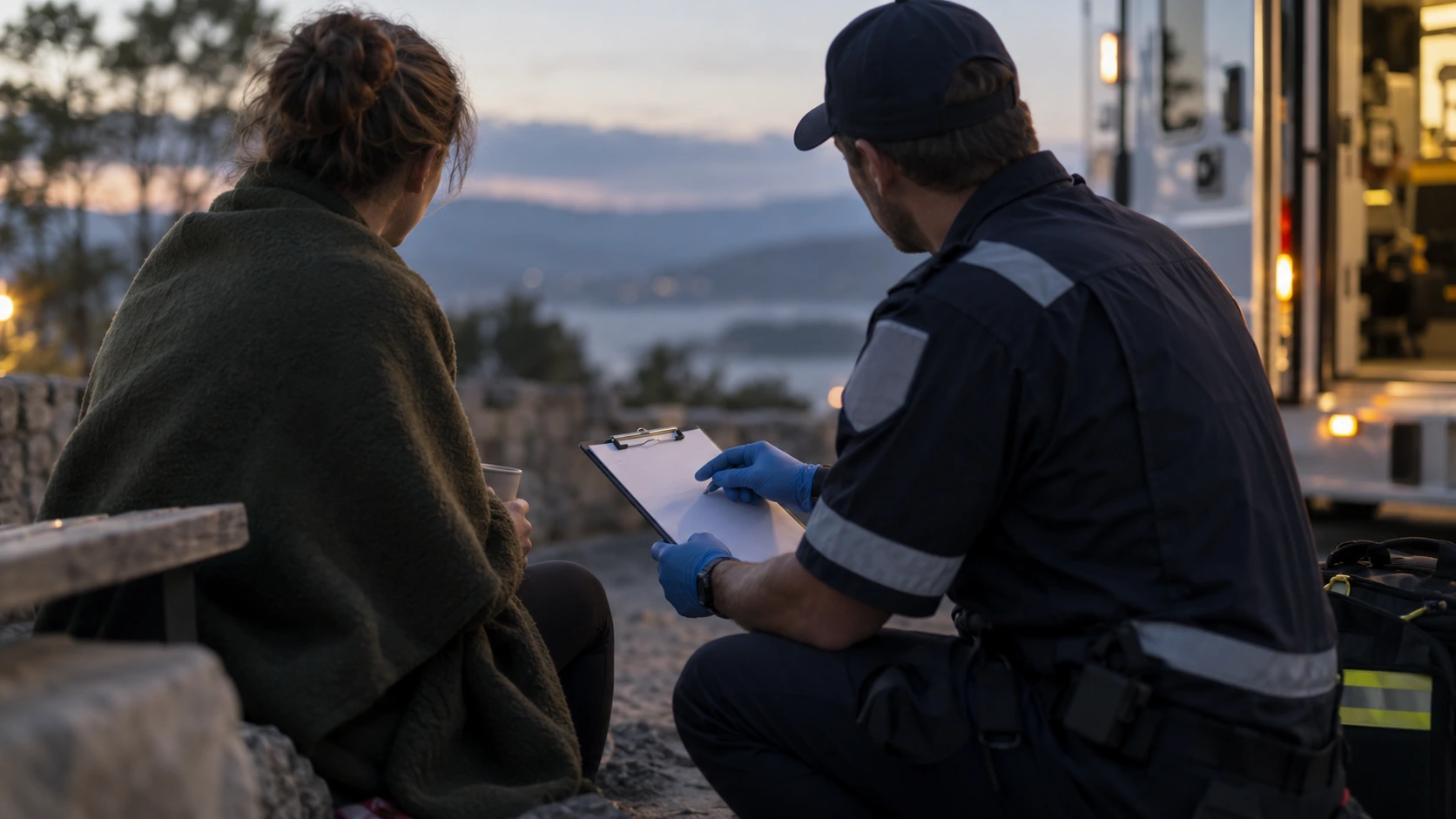
Historically, if paramedics evaluated you on scene and you didn't go to the hospital, there was no bill — transport was the only billable event. That's changing. A growing number of cities and private EMS providers now charge a flat "treatment, no transport" or "assessment fee" simply for paramedics checking your vitals, running an EKG, or providing on-scene care, even if you never get in the ambulance. Some cities still don't charge for this at all, so the answer genuinely depends on where you live.
You generally have the right to decline transport if you're conscious and competent to make that decision. For the full picture on your rights and what a refusal actually means for your bill, see can you refuse an ambulance after calling 911.
What If I Call 911 by Accident?
- ✓Stay on the line. Hanging up on an accidental call can prompt dispatch to send officers to check on you anyway.
- ✓Tell the dispatcher it was a mistake. You will not be charged or penalized for an honest accidental dial.
- ✗Don't repeatedly call 911 as a "test" — dispatch centers rely on those lines staying open for real emergencies.
Frequently Asked Questions
Does calling 911 cost money?
No, the call itself is free. It's funded by a small monthly 911 surcharge already included on most phone bills, not billed per call.
Will I get a bill if police or firefighters respond to my 911 call?
Generally no. Police and fire response is funded through taxes and isn't billed per incident in most U.S. cities.
Do I get billed if an ambulance comes but doesn't take me to the hospital?
It depends on your city. A growing number of jurisdictions now charge a "treatment, no transport" or assessment fee even without a hospital trip, while others still only bill for actual transport.
Am I in trouble if I call 911 by accident?
No. Stay on the line, tell the dispatcher it was accidental, and you won't face charges or a fee for the mistake.
Bottom line: Never hesitate to call 911 out of fear of a bill for the call itself — that part is always free. Cost concerns only come into play if an ambulance transports you or evaluates you on scene, and even then, insurance typically covers most of it.

Comments 0
No comments yet. Be the first to share your thoughts!
Leave a Comment