In June 2021, a heat dome settled over the Pacific Northwest. Portland reached 116°F. The town of Lytton, British Columbia hit 121°F — a temperature that had never been recorded in Canadian history — and then burned to the ground the following day when a fire ignited in the surrounding forest under conditions so extreme that the fire went from ignition to destroying most of the town in approximately 15 minutes. The death toll from the heat event itself exceeded 1,400 people across the Pacific Northwest and British Columbia.
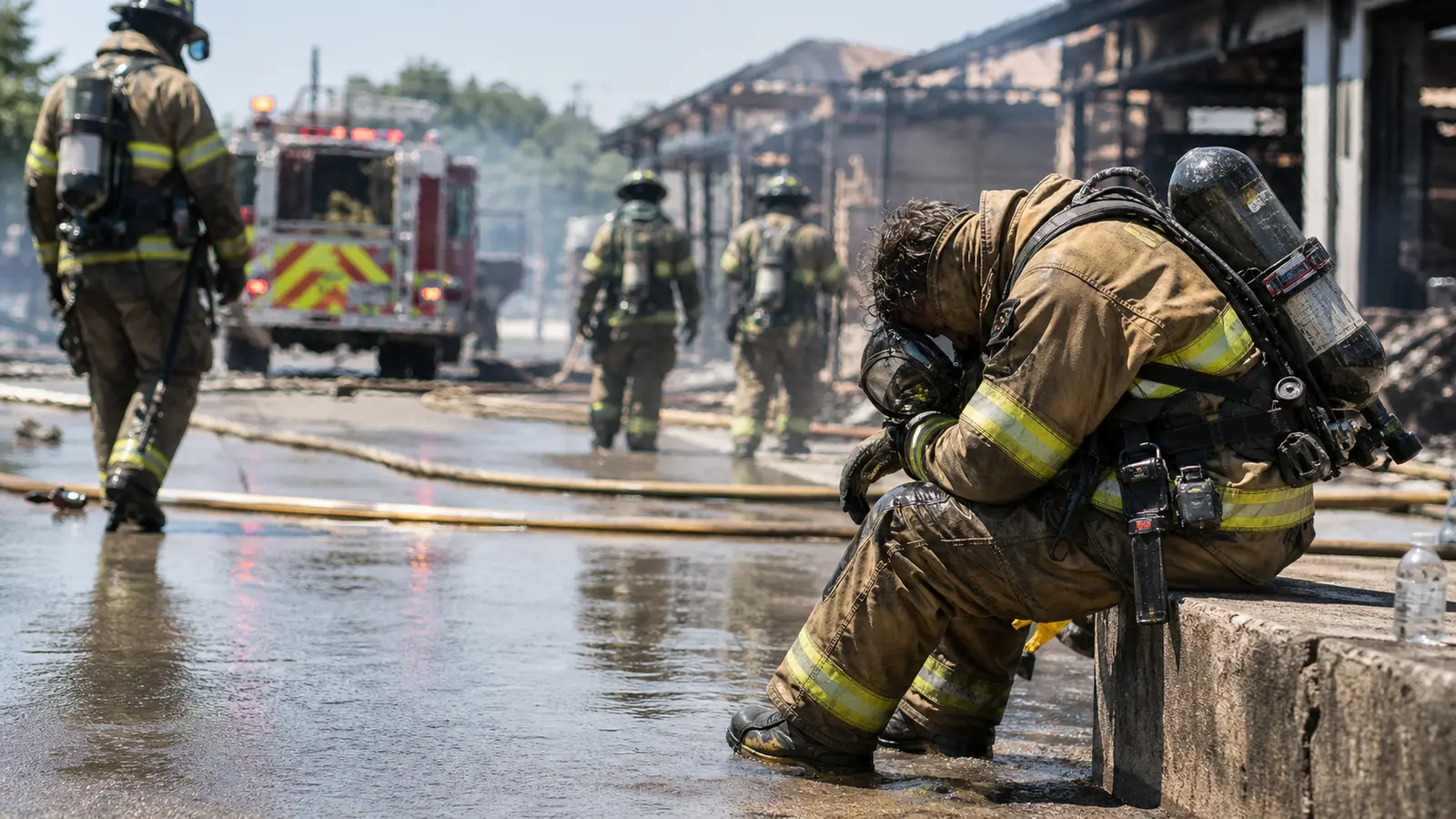
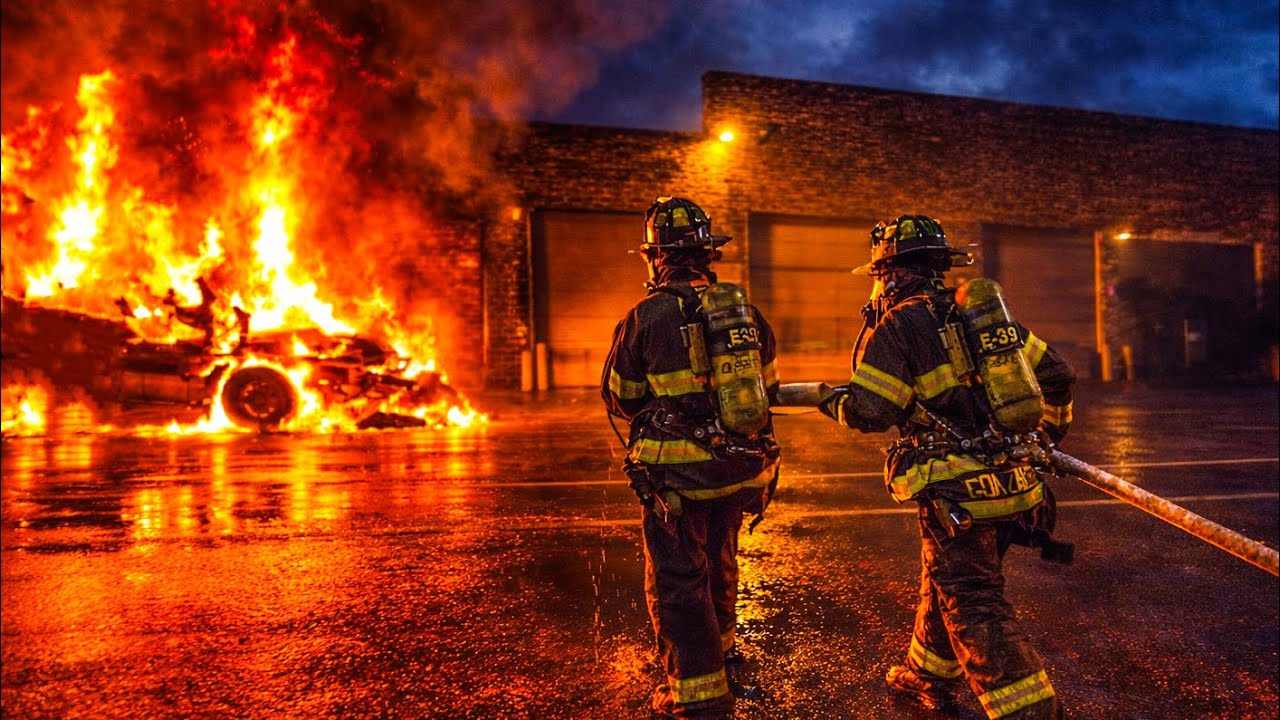
For firefighters, the convergence of extreme heat and active fire response is one of the highest physiological stress environments that exists in occupational medicine. A structural firefighter in full personal protective equipment working in 100°F ambient heat generates core temperatures that can reach dangerous levels within minutes. A wildland firefighter working a fire perimeter in a heat dome environment faces both the direct thermal stress of extreme ambient temperature and the radiant heat from the fire itself — a combination that has killed firefighters on days when the fire behavior itself was not the immediate hazard.
The 2026 fire season is running in parallel with a western US heat pattern that is producing temperatures well above historical averages across the regions with the most active fires. Understanding what heat does to firefighter physiology, how departments are adapting operations, and what the public should know about fire department response capacity during extreme heat events is both an occupational health question and a public safety one.
In this article:
- What extreme heat does to a firefighter's body
- How PPE amplifies heat stress
- Heat, cardiac risk, and the firefighter cardiovascular profile
- How departments modify operations during heat dome conditions
- Active cooling protocols — what actually works
- Wildland firefighting in extreme heat — the specific hazards
- What the public should know about fire response in heat emergencies
What Extreme Heat Does to a Firefighter's Body
The human body generates heat during physical exertion and dissipates it primarily through sweat evaporation. In high ambient temperatures — especially when combined with high humidity that reduces evaporative cooling efficiency — the body's ability to dissipate heat cannot keep pace with generation. Core temperature rises. The physiological response to rising core temperature is a cascade of adaptations — increased heart rate to move blood to the skin surface, expanded blood plasma volume, elevated stroke volume — that place significant demand on the cardiovascular system simultaneously with the demand of physical work.
Heat illness exists on a spectrum. Heat cramps — painful muscle spasms from electrolyte loss in sweat — are the earliest warning. Heat exhaustion follows: heavy sweating, pale skin, weakness, nausea, dizziness, and a core temperature that may be normal or slightly elevated. Heat exhaustion is treatable with rest, cooling, and hydration; it typically resolves without lasting harm. Heat stroke — a core temperature above 104°F with neurological symptoms, confusion, and absent sweating in classic presentations — is a medical emergency with organ damage potential and a mortality rate that increases sharply with time to cooling treatment.
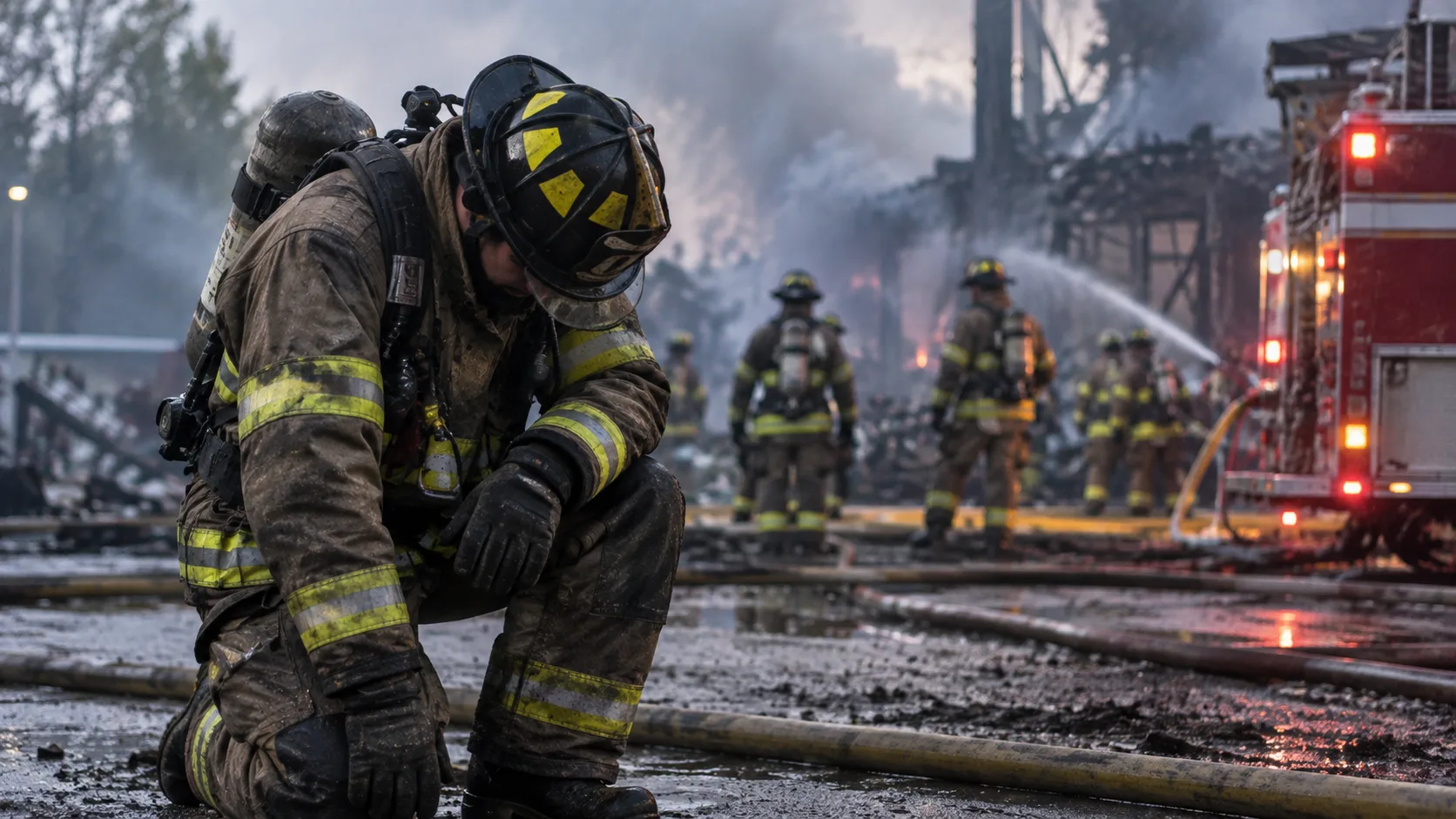
Firefighters in full structural PPE can reach heat exhaustion levels within 15 to 20 minutes of heavy exertion in high ambient temperatures. The gear creates a microclimate around the body that traps heat and prevents evaporative cooling at the skin surface. The combination of gear-induced insulation and physical work in high ambient temperature produces the highest rates of heat illness of any occupational group in conditions where other outdoor workers may simply feel uncomfortable.
How PPE Amplifies Heat Stress
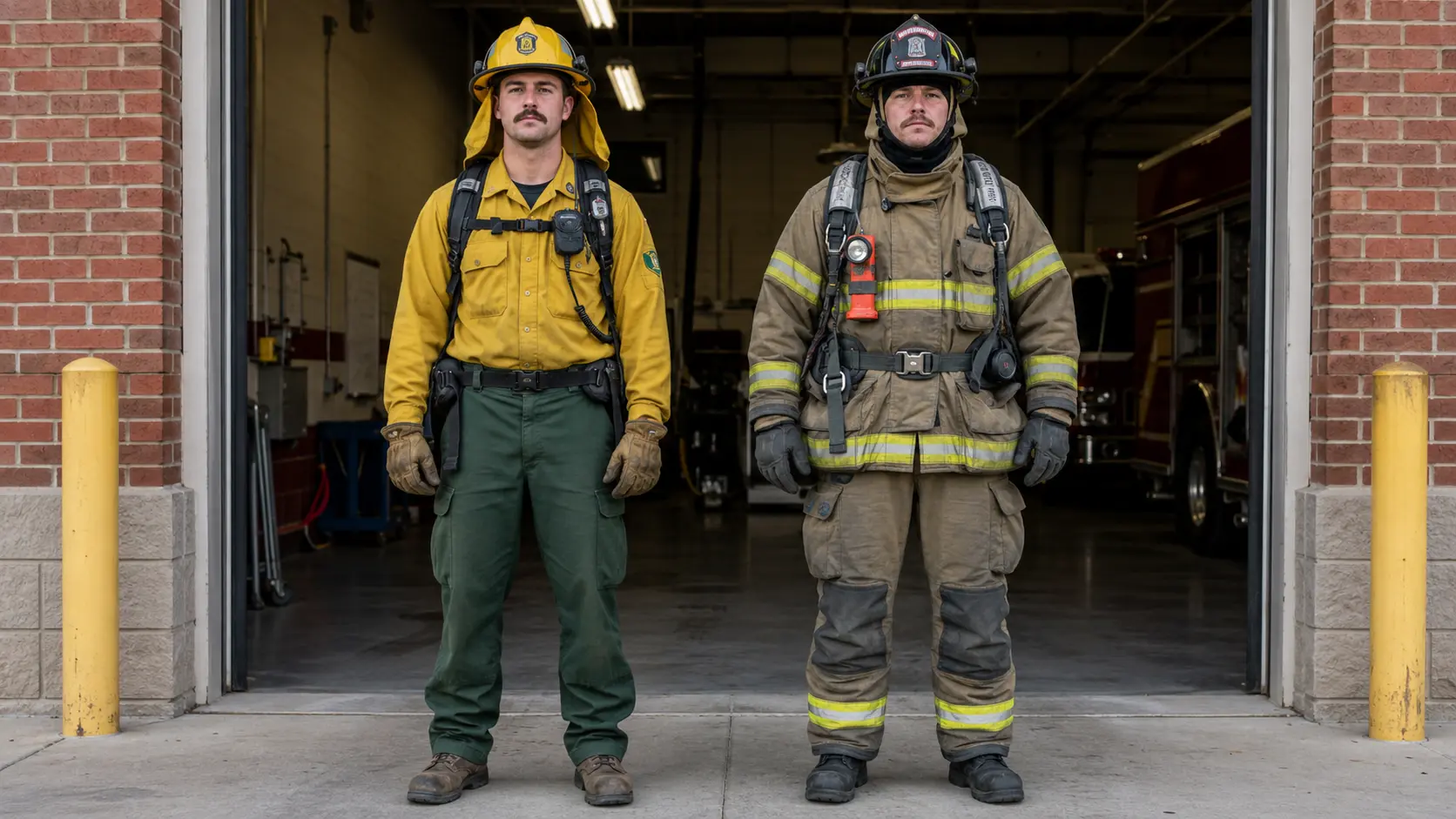
Structural firefighting PPE is designed to protect against thermal exposure, flame contact, and steam burns. It accomplishes this by creating a thermal barrier that prevents external heat from reaching the body — which also prevents the body's generated heat from leaving. The moisture barrier in turnout gear, which blocks water and steam penetration, also blocks sweat vapor from escaping. The physical work of firefighting generates significant metabolic heat that cannot dissipate through the gear.
Studies using core temperature telemetry on firefighters during live fire training and structural fires have documented core temperatures reaching 101–103°F within 15 to 25 minutes of interior operations at moderate ambient temperatures. In extreme heat conditions — ambient temperatures above 95°F with the gear on — this timeline compresses further. The practical implication is that the standard 45-minute SCBA bottle provides air for longer than a firefighter can safely maintain interior operations from a heat perspective under extreme ambient conditions.
Wildland PPE is less thermally insulating than structural gear — Nomex shirts and pants rather than full turnout — but wildland firefighters work for longer periods without access to cooling resources, often in direct sun on physically demanding terrain. The work-to-rest ratio for wildland fire operations under extreme heat conditions is more tightly constrained than under normal conditions, and the consequences of failing to enforce those constraints have been documented in multiple wildland firefighter heat fatalities.
Heat, Cardiac Risk, and the Firefighter Cardiovascular Profile
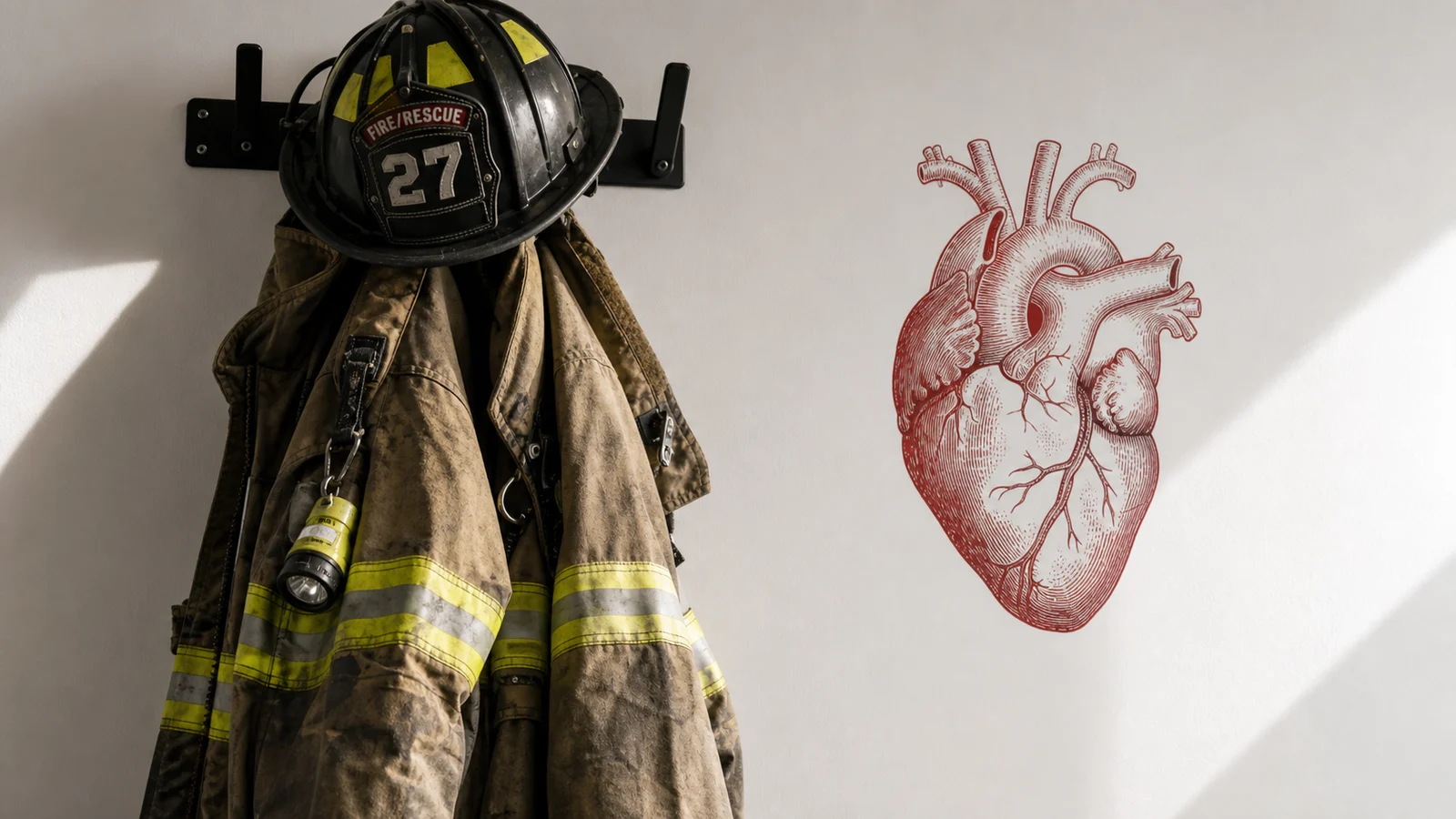
Cardiac arrest is the leading cause of firefighter line-of-duty death — accounting for approximately 40 to 45 percent of all LODDs in most years. The relationship between extreme heat and cardiac risk adds a significant multiplier to an already elevated baseline risk in a population that, as a group, carries substantial cardiovascular risk factors: high-stress occupation, shift work, sleep disruption, and a culture that historically normalized suppressing physical symptoms during operations.
Heat stress increases cardiovascular demand through two mechanisms: the body redirects blood to the skin surface for cooling, reducing blood available for working muscles, which requires a higher heart rate to maintain output; and elevated core temperature directly affects cardiac conduction, potentially triggering arrhythmias in individuals with underlying cardiac conditions. The firefighter who had an undetected coronary artery lesion — common in male firefighters over 40 — faces elevated arrhythmia risk during heat stress that they would not face in normal temperature conditions at the same exertion level.
NFPA 1582, the standard on comprehensive occupational medical programs for fire departments, includes heat acclimatization and cardiovascular fitness requirements that address this risk. Annual medical evaluations that include exercise stress testing for firefighters above age-and-risk thresholds are the primary screening tool for identifying cardiac risk before a heat-stressed operational environment exposes it. Departments that enforce NFPA 1582 compliance have lower cardiac LODD rates than those that don't.
How Departments Modify Operations During Heat Dome Conditions
Departments with heat operational protocols modify their response in several ways when ambient temperatures reach extreme levels:
Shortened work cycles. Standard work cycles at structural fires are typically 20 to 30 minutes of interior operations before mandatory rotation to rehabilitation. In extreme heat conditions, this cycle is shortened to 15 to 20 minutes and enforced by the accountability officer rather than left to the firefighter's self-assessment. The firefighter who feels capable of continuing past the cycle limit in extreme heat is often the firefighter in early heat exhaustion — judgment is one of the first things compromised by rising core temperature.
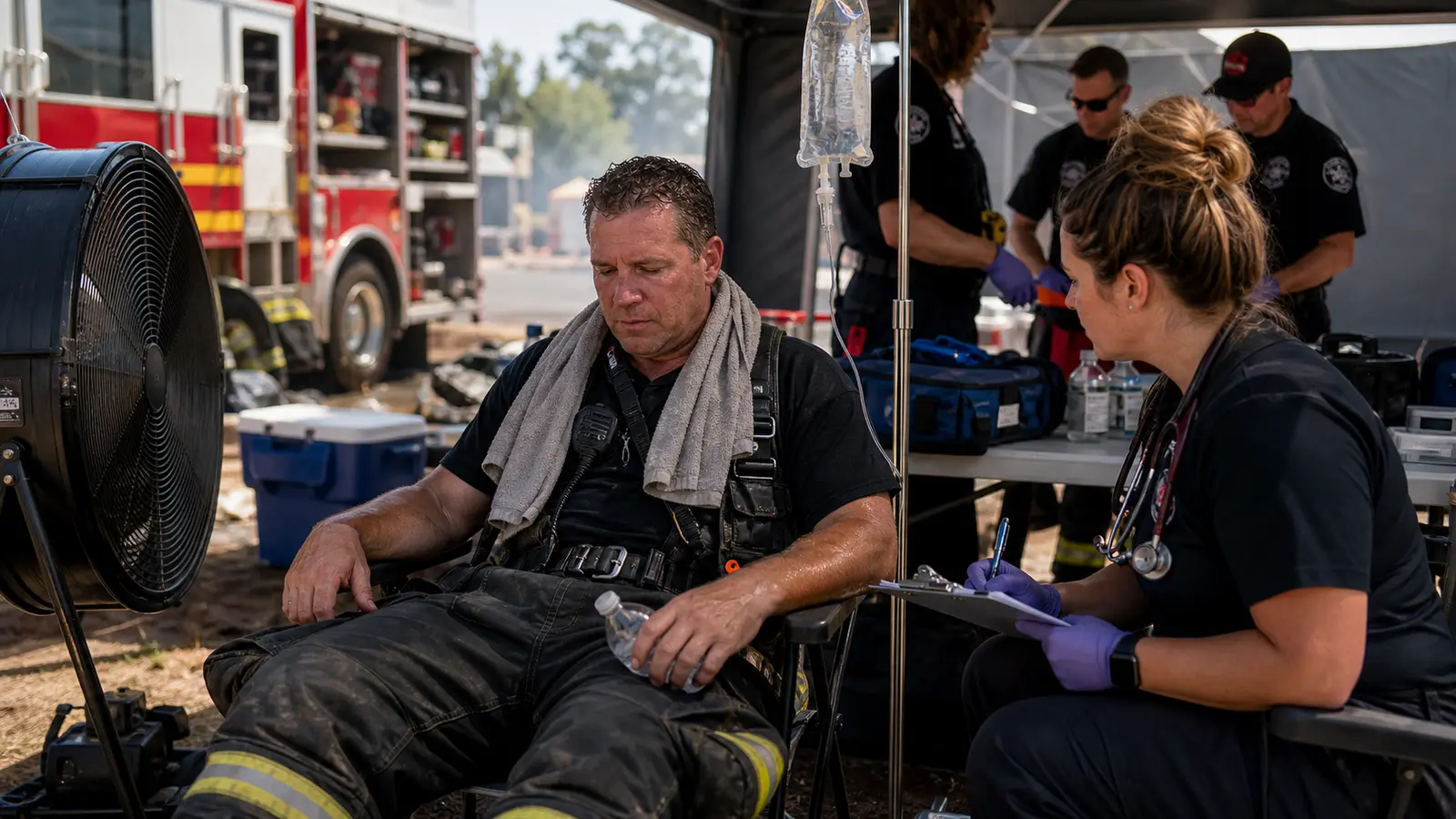
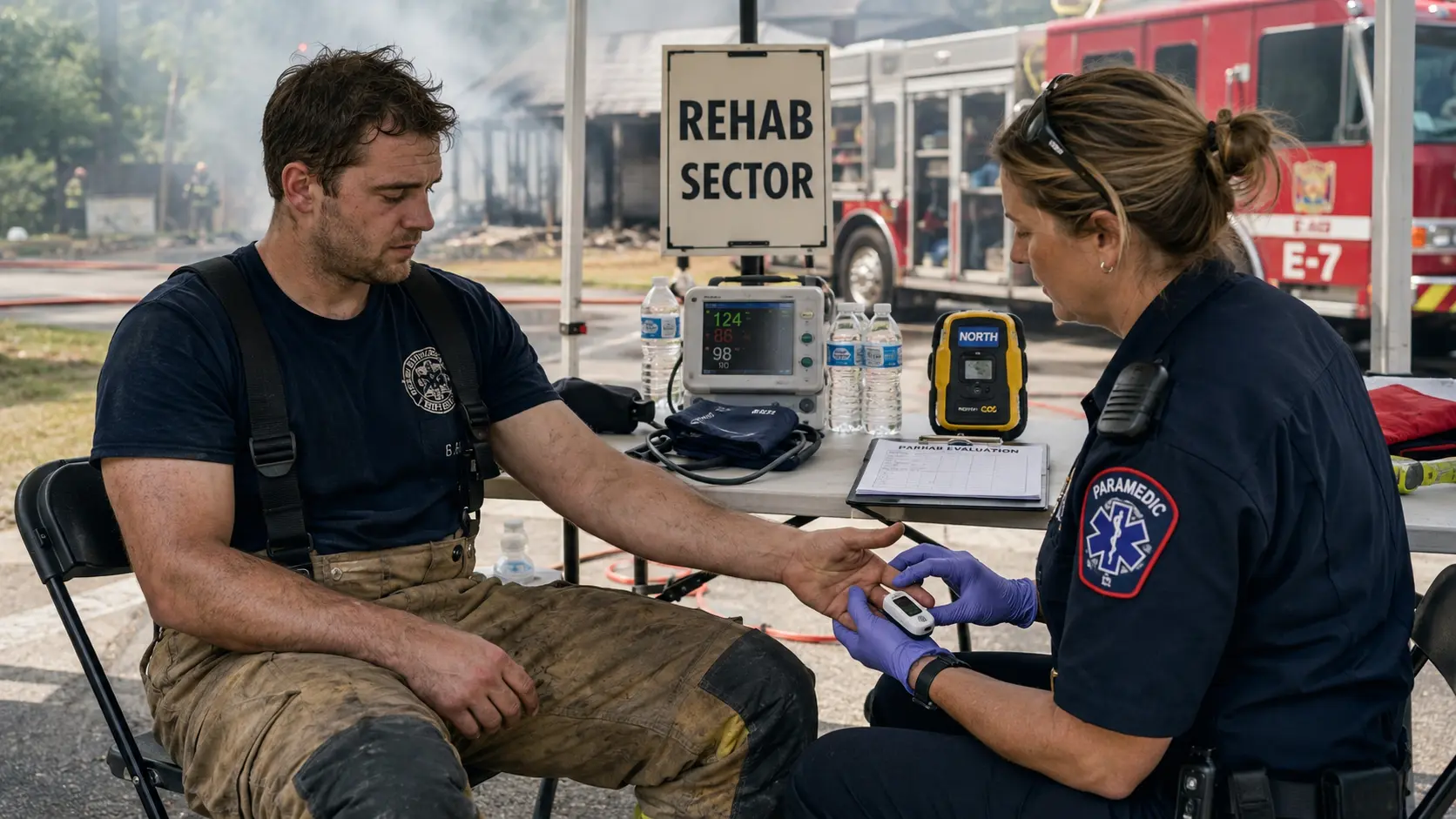
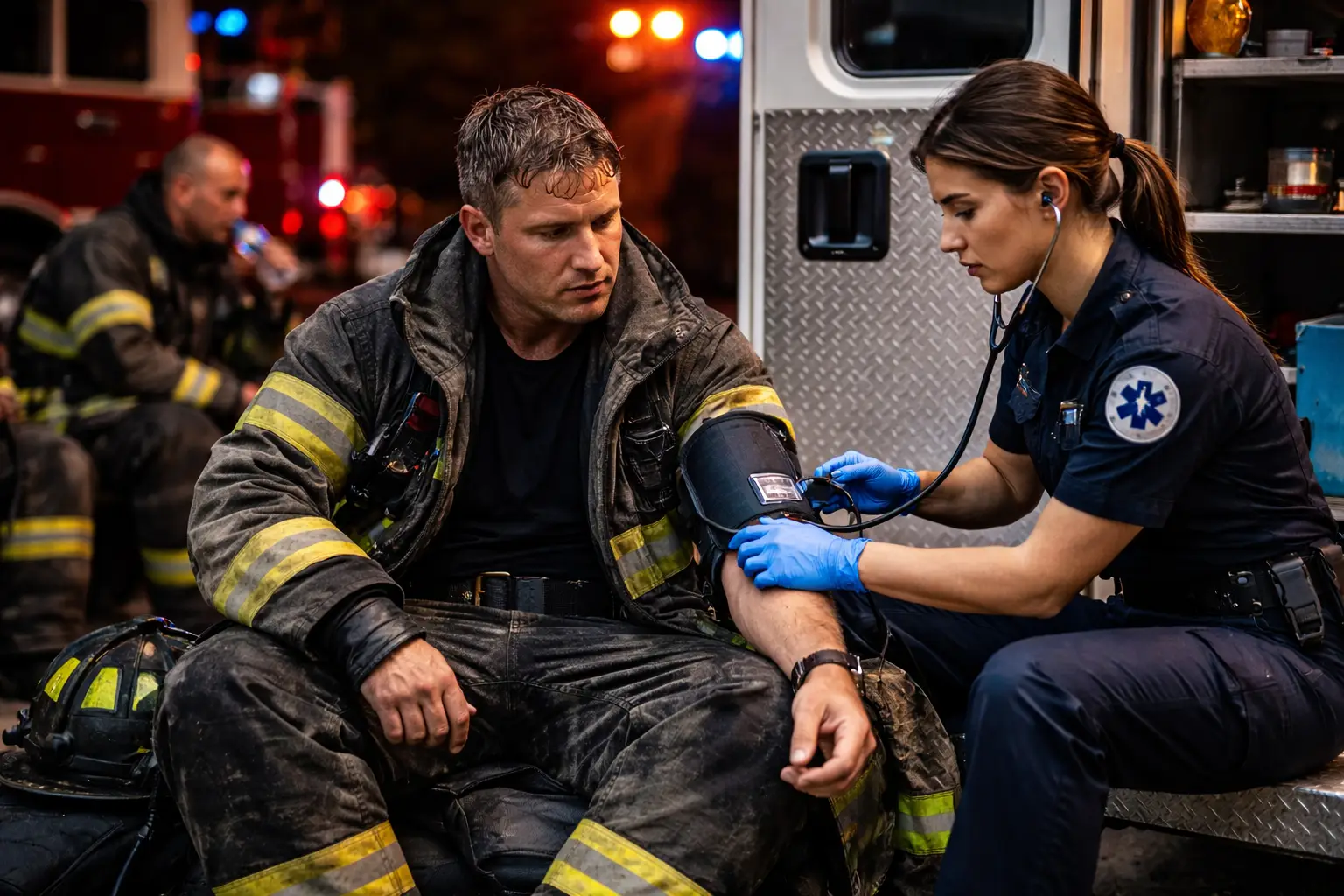
Extended rehabilitation requirements. Time in rehab between work cycles increases. Core temperature must return to a defined level before a firefighter can return to interior operations. Departments with pulse oximetry and temperature monitoring in rehab can make this determination objective rather than relying on the firefighter's self-report.
Pre-hydration and mandatory rest. On-duty crews in extreme heat conditions are placed on mandatory hydration schedules and rest requirements during non-incident periods. A crew that is depleted before the fire call arrives will reach heat stress limits faster than a crew that is pre-hydrated and rested.
Increased mutual aid triggers. Major incidents during extreme heat exhaust resources faster. Departments lower their mutual aid request thresholds during heat events, calling for additional resources earlier than they would in normal conditions, because the rate at which crews cycle through rehabilitation and become temporarily unavailable for operations is higher.
Active Cooling Protocols — What Actually Works
Research on cooling modalities for firefighters has identified a clear hierarchy of effectiveness:
Cold-water immersion of the hands and forearms — the palms specifically — is the most effective and most rapidly deployable cooling method that fire departments can implement at the scene. The palms contain arteriovenous anastomoses — high-flow blood vessel connections at the surface — that function as heat exchangers. Immersing the hands and forearms in cold water (approximately 59°F / 15°C) allows rapid heat transfer from core blood flow, reducing core temperature two to three times faster than other non-invasive cooling methods.
Misting fans are effective in low-humidity conditions where evaporative cooling is efficient. In high-humidity conditions — typical of southeastern US heat events and atmospheric rivers — misting fans lose effectiveness because the ambient air is already near saturation and additional moisture does not evaporate readily. Cooling effectiveness should match the heat event type: dry heat events favor misting; humid heat events favor immersion and cold wet towels.
Cool IV fluids are used for firefighters with heat exhaustion who cannot maintain adequate hydration orally or who require rapid core cooling. IV access during rehabilitation provides both hydration and a pathway for fluid cooling if core temperature monitoring indicates the need.
Ice towels to neck, axilla, and groin — targeting the major vascular structures near the body surface — provide meaningful cooling and are deployable from ice in a cooler. This is the baseline method available to departments without specialized cooling equipment.
What the Public Should Know About Fire Response in Heat Emergencies
During a heat dome event, fire departments face a simultaneous increase in call volume and reduction in operational capacity per crew. Heat-related medical calls — heat exhaustion, heat stroke, welfare checks on elderly residents — increase dramatically during heat dome conditions, placing additional demand on the same EMS resources that respond to fires and other emergencies. A heat dome that produces 500 additional medical calls across a city's fire-based EMS system in a 24-hour period is simultaneously reducing the physiological capacity of every crew on duty.
This does not mean fire departments cannot respond effectively — it means that the response environment is more resource-constrained than normal conditions, and the responses to heat-related medical calls compete with fire response for the same crews and apparatus. Communities that want to reduce this pressure can do so by checking on elderly neighbors before calling 911, directing residents to cooling centers proactively, and making heat stroke recognition information available so that community members can take first action before EMS arrives.
For the fire itself: fire behavior during heat dome conditions is more extreme, fire spread is faster, and the structural environment is more dangerous for firefighters because the ambient heat adds to the thermal load they are already managing. Fires that would be manageable in normal conditions become more resource-intensive during a heat event, requiring more crews, faster cycling through rehabilitation, and more aggressive mutual aid requests to maintain operational capacity across the incident.
The convergence of heat domes, active fire seasons, and firefighter physiological limits is not a future challenge. It is the operational environment of the 2026 fire service. Departments that have invested in heat protocols, rehabilitation equipment, NFPA 1582 medical standards, and honest communication about operational capacity constraints are better positioned than those that treat heat stress as an individual firefighter's problem rather than a system-level operational variable.
The firefighter who pushes through early heat exhaustion to stay operational is not demonstrating toughness. They are reducing their crew's total operational capacity over the incident, increasing their personal risk of a cardiac event, and making a decision that may put them on the other side of the medical response before the incident is over. Rehabilitation is not weakness. It is crew resource management.
Comments 0
No comments yet. Be the first to share your thoughts!
Leave a Comment