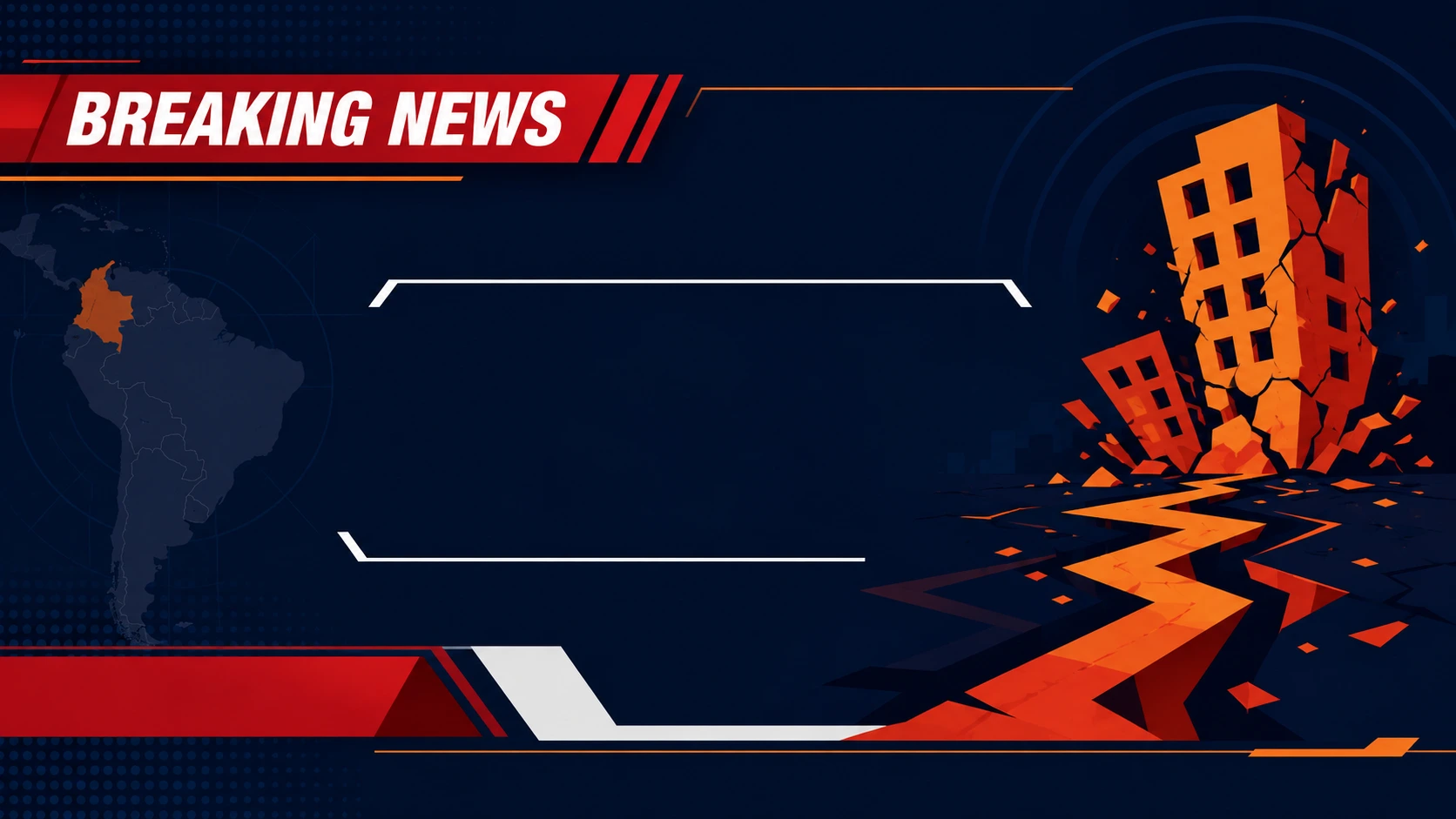

Update, Monday evening: The confirmed death toll has climbed sharply throughout the day, from an initial count of 24 Monday morning to at least 132 by Monday evening, according to Colombia's nonprofit Association of Capital Cities. At least 570 people have been injured, though President Abelardo De La Espriella cited an early estimate of roughly 700 injured and 5,000 homes damaged or destroyed in a national briefing. Pereira alone has reported 60 deaths, the single hardest-hit city. Nationally, 86 buildings have collapsed, five capital cities remain under "red alert" — the country's highest disaster threat level — and seven airports have suspended operations. President De La Espriella, newly inaugurated, has declared a national disaster and is personally leading the emergency response. The U.S. Geological Survey has called it the strongest earthquake to hit Colombia this century. At least 21 aftershocks have been recorded within hours of the initial quake. Rescue crews continue to search multiple collapse sites in Cali, where people remain trapped. This remains a fast-moving story — figures on deaths, injuries, and people still missing are likely to keep changing.
What Happened
The earthquake struck at 7:34 a.m. local time (12:34 UTC) Monday, August 10, with an epicenter near San José del Palmar, a community of roughly 4,800 people in Colombia's Chocó department, about 250 miles (400 km) west of the capital, Bogotá. The U.S. Geological Survey measured the quake at magnitude 7.4 at a depth of approximately 66 miles (107 km) and has described it as the strongest earthquake to hit Colombia this century, while Colombia's own geological service put the magnitude slightly lower, at 6.6. At least 21 aftershocks followed within hours, including one measuring magnitude 5.0. The shaking was felt as far away as Bogotá, Medellín, and Cali, and across the borders in Ecuador, Venezuela, and Panama. Colombia's maritime authority and the U.S. tsunami warning system both confirmed there is no tsunami threat.
Casualties and Damage by City
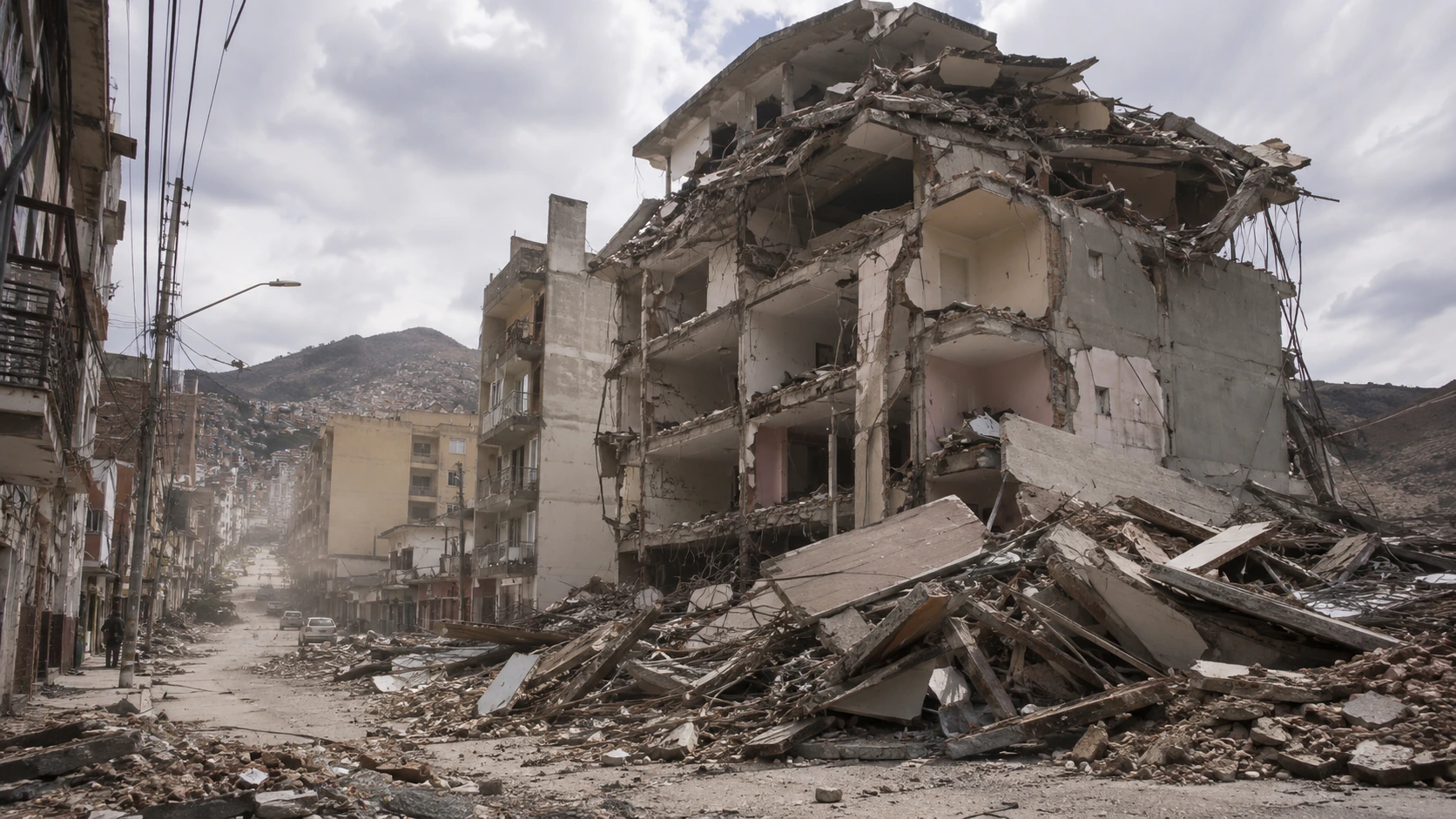
The death toll rose steadily throughout Monday as authorities reached more affected areas. By evening, the Colombian Association of Capital Cities put the national total at 132 confirmed deaths and 570 injured, after earlier regional counts had put the toll near 111. The hardest-hit city is Pereira, in the coffee-growing region, where the Association of Capital Cities reported 60 deaths alone — up sharply from the 18 deaths Mayor Mauricio Salazar had confirmed earlier in the day. In Manizales, Mayor Jorge Eduardo Rojas said several people were killed and that more than a dozen buildings and over 20 homes were partially or totally destroyed; one of the towers of the city's neo-Gothic cathedral collapsed onto the nave during the shaking. Officials also reported at least 27 deaths in the Valle del Cauca department, where Cali is located, including three children, and one person was killed in Buenaventura, Colombia's main Pacific port, after a building collapse trapped several people.
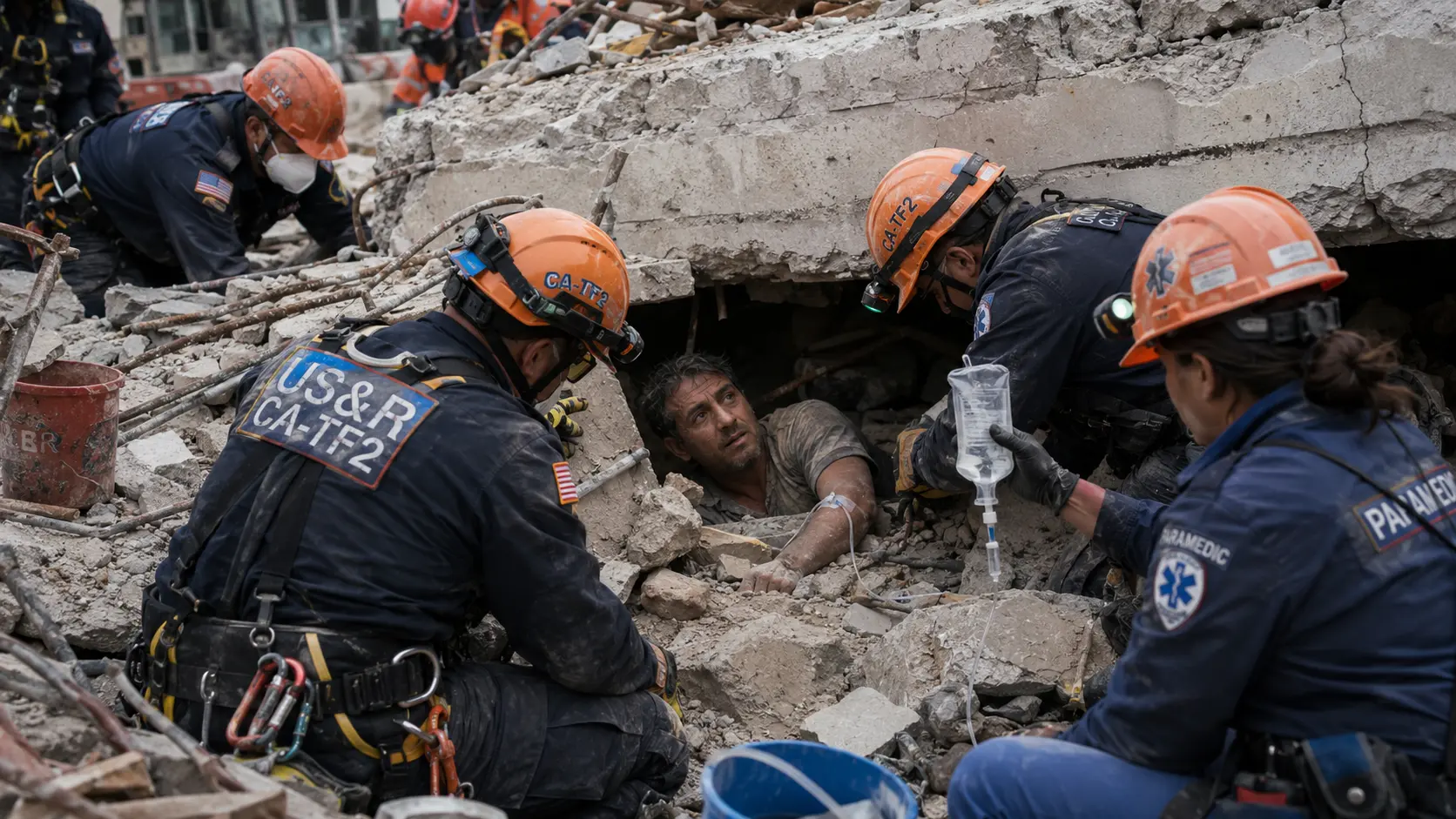
In Cali, Colombia's third-largest city with a population of about 2 million, Mayor Alejandro Eder said his city was responding to "at least 12 critical points and 25 collapsed structures." "At this point, two people have already been rescued alive, one elderly woman and one young girl. There are more people trapped," Eder told local radio, adding that Cali had requested disaster response teams from Bogotá and Medellín to reinforce local crews. The earthquake struck as Cali was hosting the opening weekend of a weeklong festival celebrating the region's Afro-Pacific culture, which draws hundreds of thousands of tourists to the city. In Chocó's regional capital, Quibdó — home to roughly 130,000 people and located near the epicenter — Governor Nubia Carolina Córdoba-Curi reported the death toll there had risen to 12–13 by nightfall, with 84 injured; communications outages slowed reporting from some rural areas of the department for hours. "We are all devastated," community leader Luis Gregorio Moreno told AFP. "At this moment, there are reported deaths, dozens of wounded, but what there are most of are missing people." Bogotá's mayor, Carlos Galán, said the capital saw no major structural damage, though residents evacuated homes and offices as emergency sirens sounded across the city.
A resident's account: Jorge Moncayo, a 64-year-old taxi driver in Cali, said he watched plumes of dust rise across the city from his home in the mountains as buildings came down. "My entire house shook," he said. "I've never lived through such a powerful earthquake."
The Response So Far
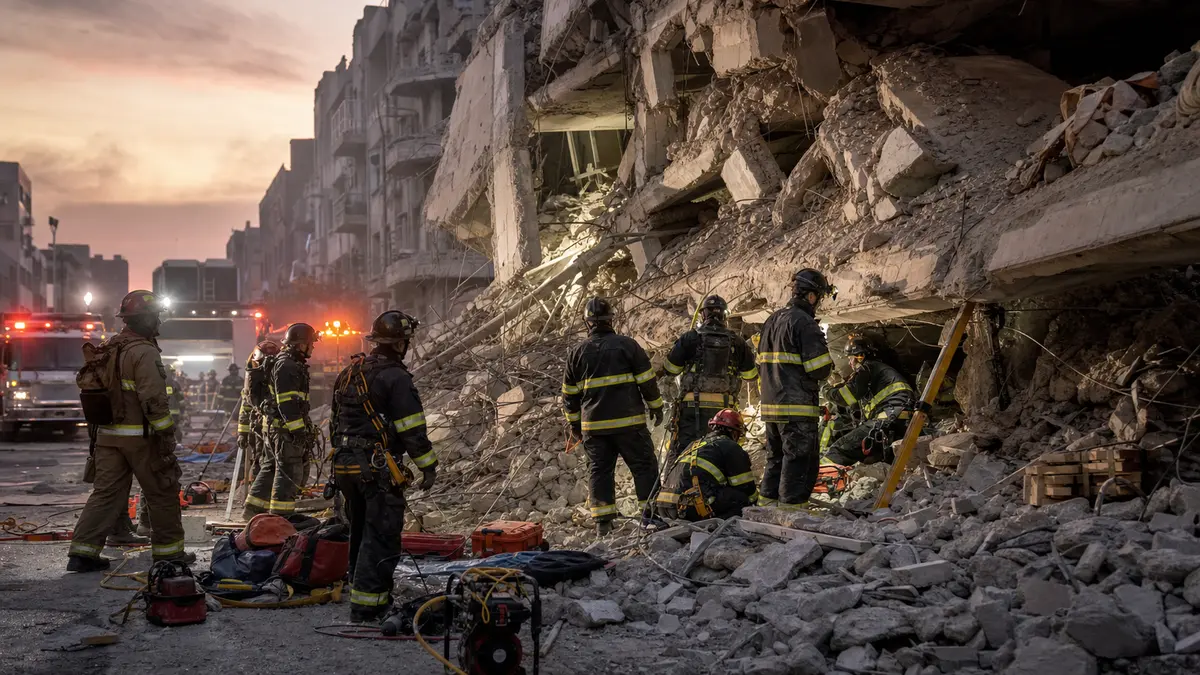
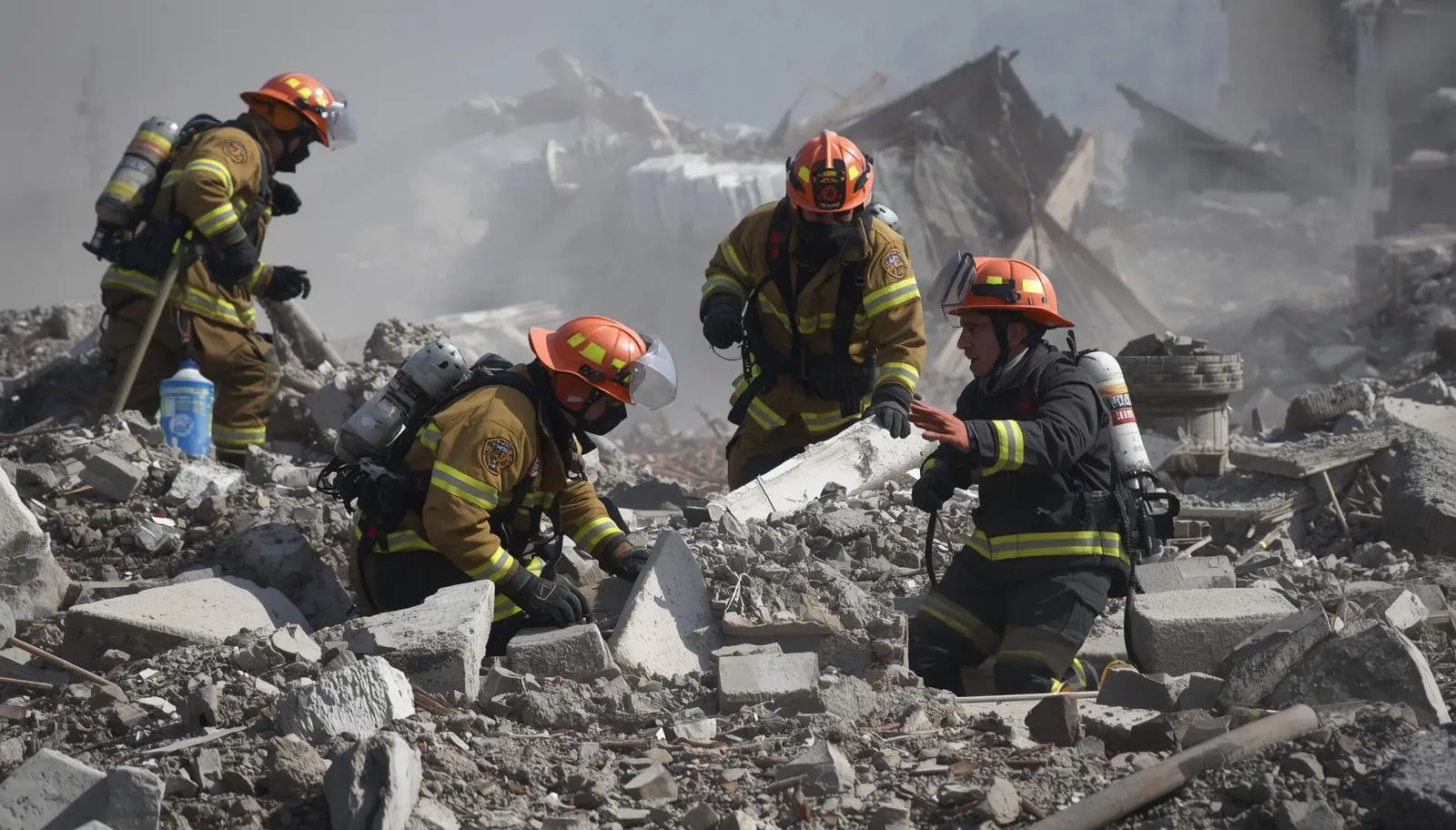
Colombia's newly inaugurated president, Abelardo De La Espriella, declared a national disaster Monday to allow for the mobilization and coordination of emergency efforts, and said he is personally leading the response. In a national briefing, he cited an early estimate of roughly 700 people injured and about 5,000 homes damaged or destroyed nationwide — figures officials cautioned would likely be revised as assessments continue. Colombia's national disaster management agency is coordinating with regional authorities to assess structural damage and reach communities that may have been cut off by landslides — a significant secondary risk given the country's mountainous terrain — while hospitals, roads, aqueducts, energy, and telecommunications have all been disrupted in the hardest-hit areas. Seven airports have suspended operations. The U.S. State Department said it is "actively assisting" American citizens affected by the earthquake, and Mexican President Claudia Sheinbaum has offered her government's support, with other regional leaders pledging to help bolster rescue efforts. Rescue crews, including local firefighters and civil defense personnel, are working through collapsed structures in Cali, Pereira, and Manizales using a mix of heavy equipment and hand-search techniques in areas where survivors may still be trapped.
A Region Already Reeling From Seismic Disaster
Monday's earthquake comes just weeks after twin earthquakes struck neighboring Venezuela in late June 2026, measuring magnitude 7.2 and 7.5, which killed at least 3,685 people and displaced nearly 18,000 residents. Some of those June shocks were felt across the border in Colombia as well. Colombia itself sits along the Pacific Ring of Fire and has a long history of destructive earthquakes, including the 1999 Armenia earthquake, which killed more than 1,000 people — some estimates put the toll closer to 2,000 — and left roughly 180,000 people homeless in that city alone. "I was very young, but I remember that tragedy too. And now it's happening again in that same Coffee Axis region — in Pereira and Manizales. I don't even want to think about what those people are going through. It's all very sad," Carlos Atuesta, a professor at Colombia's National University, told CNN. The 1999 disaster prompted Colombia to improve its earthquake preparedness, and cities including Bogotá, Medellín, Barranquilla, and Cali now hold evacuation drills at least twice a year. Geologists note that while Colombia averages fewer than one magnitude-6-or-higher earthquake per year, quakes of Monday's magnitude — 7 or higher — occur roughly once every seven years on average.
This is a developing story. We'll update this article as Colombian authorities release further information on the death toll, the number of people still missing or trapped, and the scale of structural damage across the affected departments.
Comments 0
No comments yet. Be the first to share your thoughts!
Leave a Comment