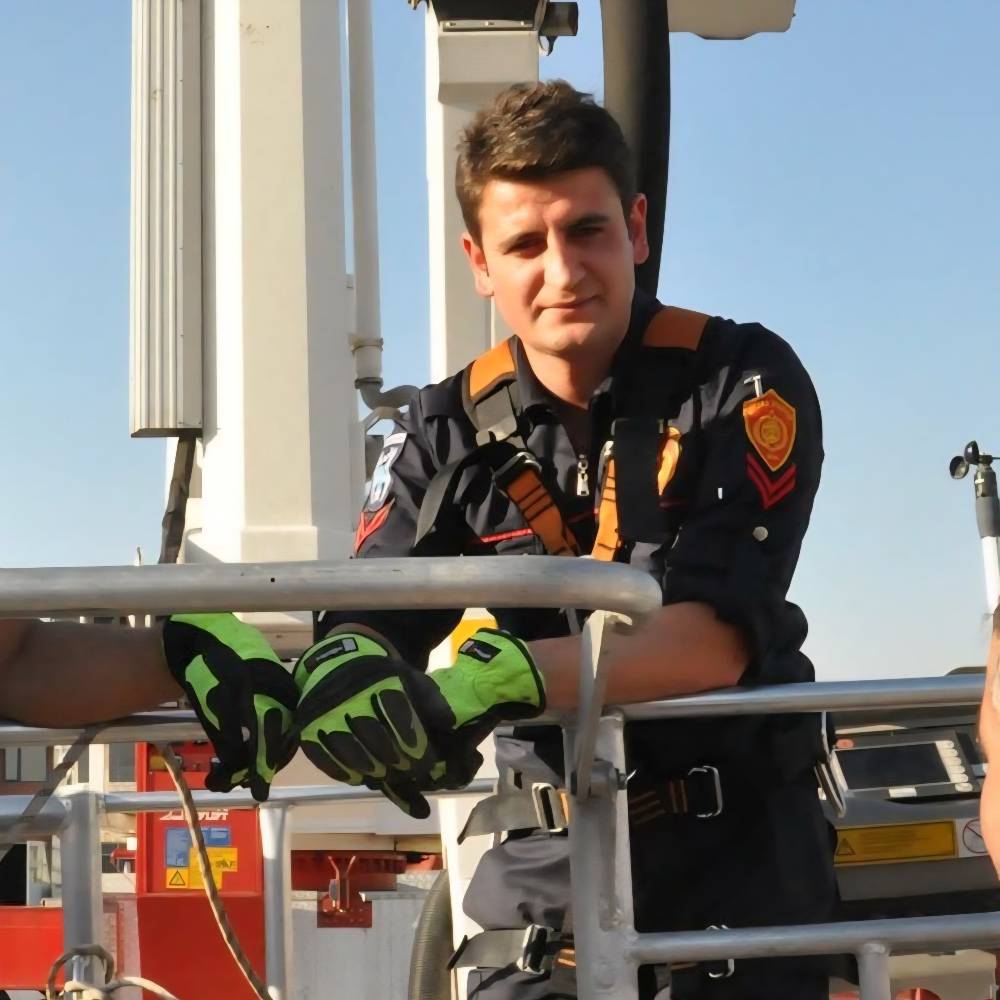
Ertuğrul Öz is a career firefighter serving with the Ankara Metropolitan Municipality Fire Department since 2011, currently holding the rank of Firefighter Sergeant (İtfaiye Çavuşu). He has responded to more than 1,000 structural fire incidents and served across three major earthquake response operations in Turkey, as well as numerous flood and water rescue deployments. He holds an associate degree in Civil Defense and Firefighting from Çankırı Karatekin University (on-campus program) and a bachelor\'s degree in Public Administration from Anadolu University (open education). His certifications include Basic Firefighter, Intermediate Search and Rescue (USAR), Hazmat/CBRN Response, First Aid, and Fire Instructor Levels 1 through 4. He has delivered 50+ firefighter training courses and serves as one of AllFirefighter\'s two editorial leads.
A wildfire evacuation can give you 15 minutes. A go-bag assembled once and never checked since is not ready — medications have expired, the power bank is dead, the documents are outdated, and nobody knows where it is. This covers the complete go-bag framework: what documents to carry, how to handle prescription medications, the water and food calculation, why N95 masks are required (not cloth masks), pet evacuation pre-planning, how to organize for 90-second access, and the maintenance schedule that keeps it current.
A detailed overview of wildland fire investigation methods in the United States, including fire spread indicators, fuel analysis, weather data, and point-of-origin techniques used by USFS and BLM investigators.
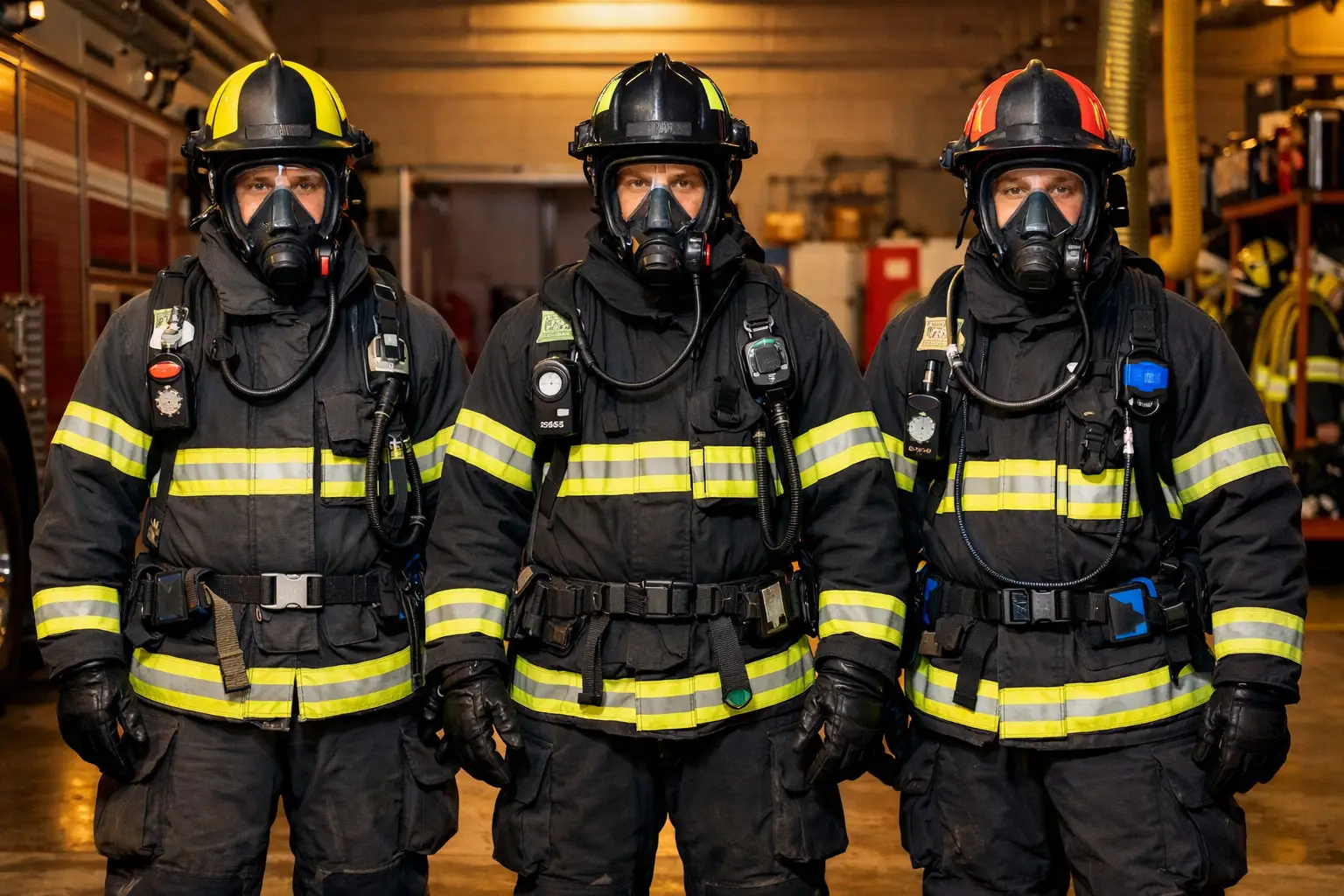
A wildland firefighter working hand line in chaparral and a structural firefighter advancing a hoseline in a burning apartment are both called firefighters and both wear protective gear. Their gear has almost nothing in common. Structural turnout gear protects against high-radiant-heat environments, suppresses evaporative cooling, and weighs 20 to 35 pounds. Wildland gear (Nomex shirt and pants) provides flame resistance with minimal weight, allows unrestricted movement over terrain, and breathes — because wildland firefighters cannot survive the heat stress that structural gear would produce in their environment. This covers the design philosophy of each system, why structural gear fails in the wildland context, why wildland gear fails in the structural context, interface gear, and the specific protection each system is designed and tested against.