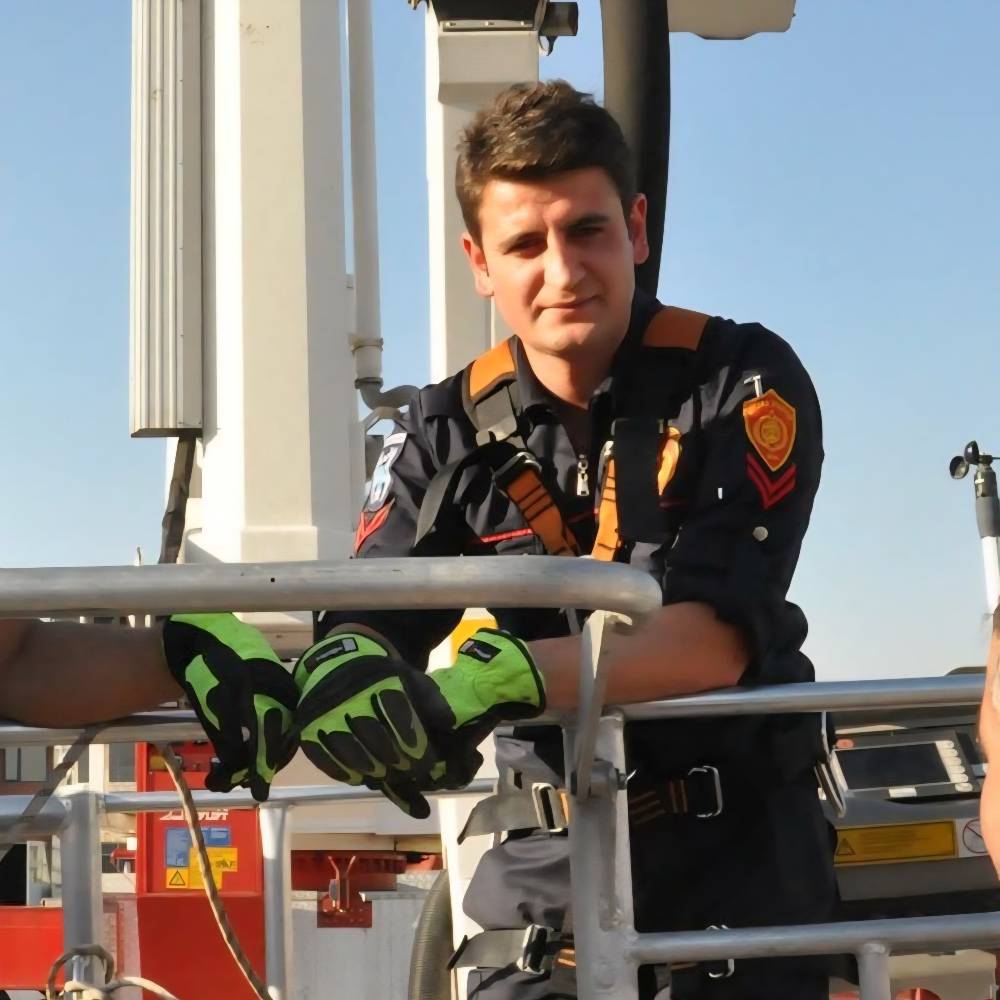
Ertuğrul Öz is a career firefighter serving with the Ankara Metropolitan Municipality Fire Department since 2011, currently holding the rank of Firefighter Sergeant (İtfaiye Çavuşu). He has responded to more than 1,000 structural fire incidents and served across three major earthquake response operations in Turkey, as well as numerous flood and water rescue deployments. He holds an associate degree in Civil Defense and Firefighting from Çankırı Karatekin University (on-campus program) and a bachelor\'s degree in Public Administration from Anadolu University (open education). His certifications include Basic Firefighter, Intermediate Search and Rescue (USAR), Hazmat/CBRN Response, First Aid, and Fire Instructor Levels 1 through 4. He has delivered 50+ firefighter training courses and serves as one of AllFirefighter\'s two editorial leads.
Complete firefighter search and rescue training guide for 2025: primary search, oriented search, VEIS basics, TIC use, zero-visibility movement, victim drags, firefighter survival, Mayday awareness, and rapid intervention team fundamentals.
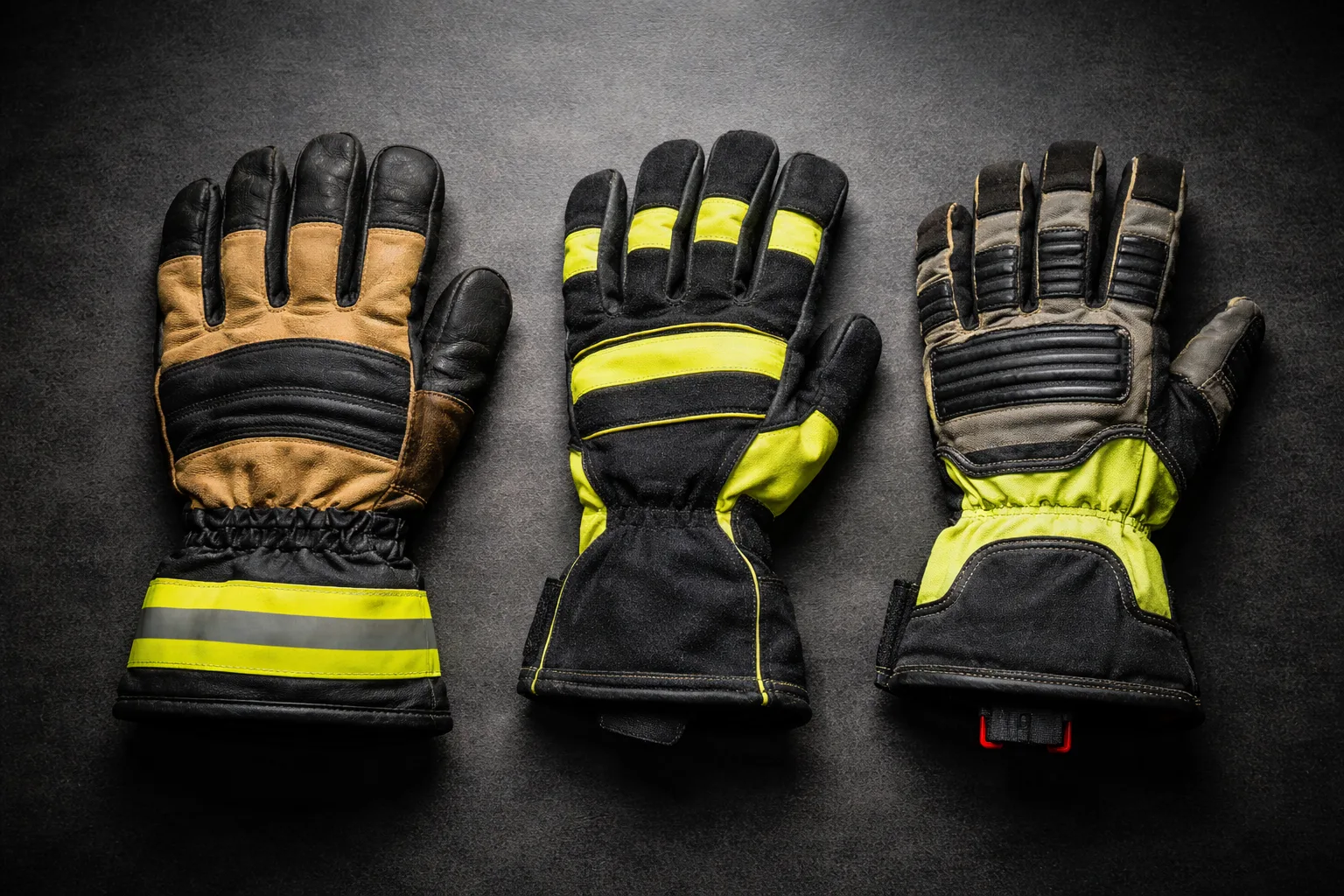
Complete structural turnout gear guide: NFPA 1971 TPP and THL requirements, three-layer system explained, outer shell fabric comparison (PBI, Nomex, Defender M), moisture barriers, thermal liners, fit and sizing, major manufacturers (Globe, Morning Pride, Lion), and NFPA 1851 inspection and retirement.
Firefighter written exam guide: major exam formats, NTN FireTEAM section breakdown, math and mechanical reasoning content, reading comprehension, spatial orientation, observation skills, and a complete 6-week study plan.
A practical, training-first pillar for fireground communications and firefighter survival: Mayday triggers, LUNAR format, CAN/UCAN reports, PAR discipline, RIC activation, and a repeatable drill framework to standardize performance under stress.
Complete fireground size-up guide: COAL WAS WEALTH framework, en route size-up, 360-degree walk-around, reading fire and smoke conditions, tactical priorities, initial radio report, and ongoing size-up throughout the incident.
Most fireplace fires happen because nobody checked the chimney, the damper, or the firebox before the first burn of the year. This covers the specific inspections and habits that prevent chimney fires, carbon monoxide buildup, and house fires — and the signs that mean you should not use your fireplace at all until a professional looks at it.
Flashover, backdraft, and smoke explosion are three distinct events with different causes, different indicators, and different outcomes for anyone inside when they happen. Flashover is a thermal transition — the room's temperature reaches a threshold that ignites all exposed fuel simultaneously. Backdraft is an oxygen event — fire-starved gases ignite when fresh air is suddenly introduced. Smoke explosion involves accumulated unburned gases igniting without an active fire present. This covers the physics of each, the observable indicators, what happens to crews caught in each, and the tactical responses that differ between them.
A practical guide to using the Friction Loss Calculator for real fireground decisions: what each input means, how to pick realistic flows, example lays, how friction loss connects to PDP and pump charts, and a field-friendly checklist to avoid bad math under stress.
An attached garage fire gives the rest of the house two to four minutes before fire reaches the living space. Most garages have a higher fuel load than any room in the house, lack working smoke detection, and have a compromised door between the garage and the home. This covers what actually makes garages so dangerous, the fire-rated door most people don't realize they have, gasoline storage rules, EV battery fire behavior, and workshop ignition hazards.