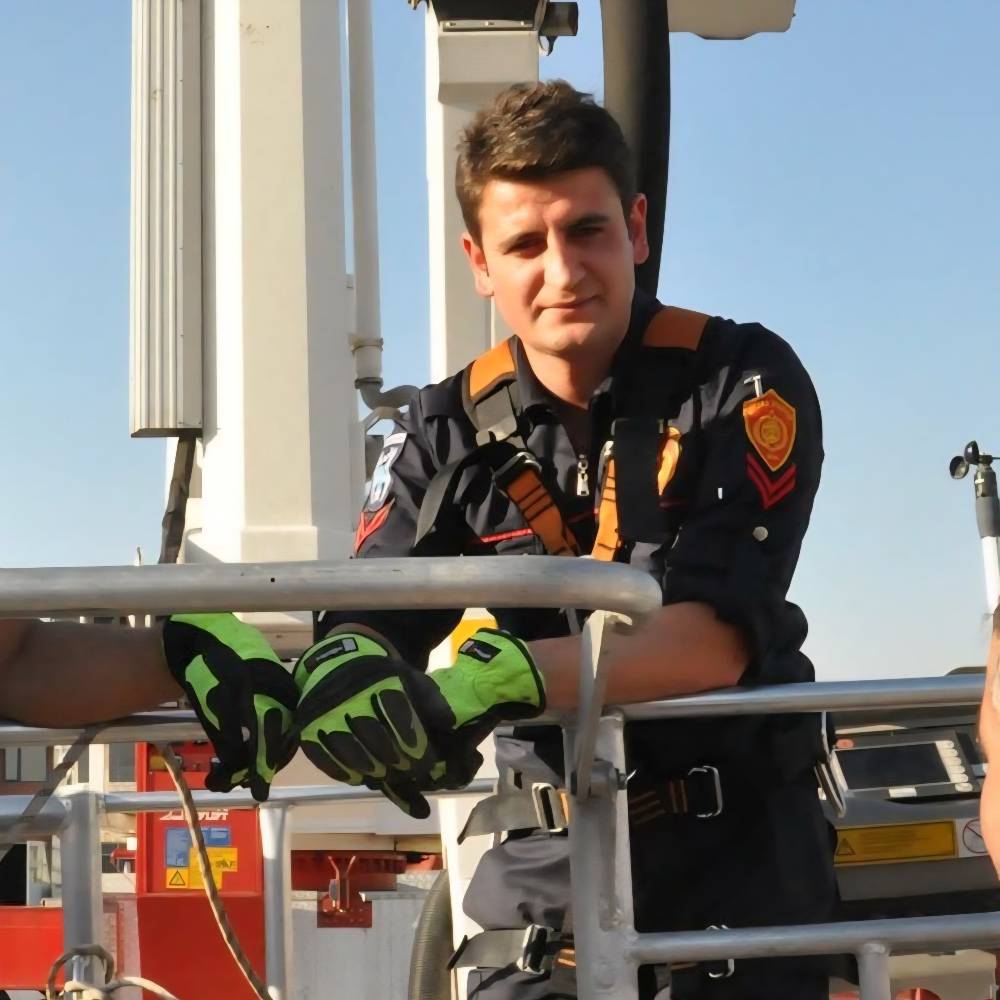
Ertuğrul Öz is a career firefighter serving with the Ankara Metropolitan Municipality Fire Department since 2011, currently holding the rank of Firefighter Sergeant (İtfaiye Çavuşu). He has responded to more than 1,000 structural fire incidents and served across three major earthquake response operations in Turkey, as well as numerous flood and water rescue deployments. He holds an associate degree in Civil Defense and Firefighting from Çankırı Karatekin University (on-campus program) and a bachelor\'s degree in Public Administration from Anadolu University (open education). His certifications include Basic Firefighter, Intermediate Search and Rescue (USAR), Hazmat/CBRN Response, First Aid, and Fire Instructor Levels 1 through 4. He has delivered 50+ firefighter training courses and serves as one of AllFirefighter\'s two editorial leads.
A practical fire watch documentation guide: what a fire watch log should include, how to write clear patrol entries, and the most common mistakes that create compliance risk. Includes a printable-style checklist section and direct links to the Fire Watch Log Generator.
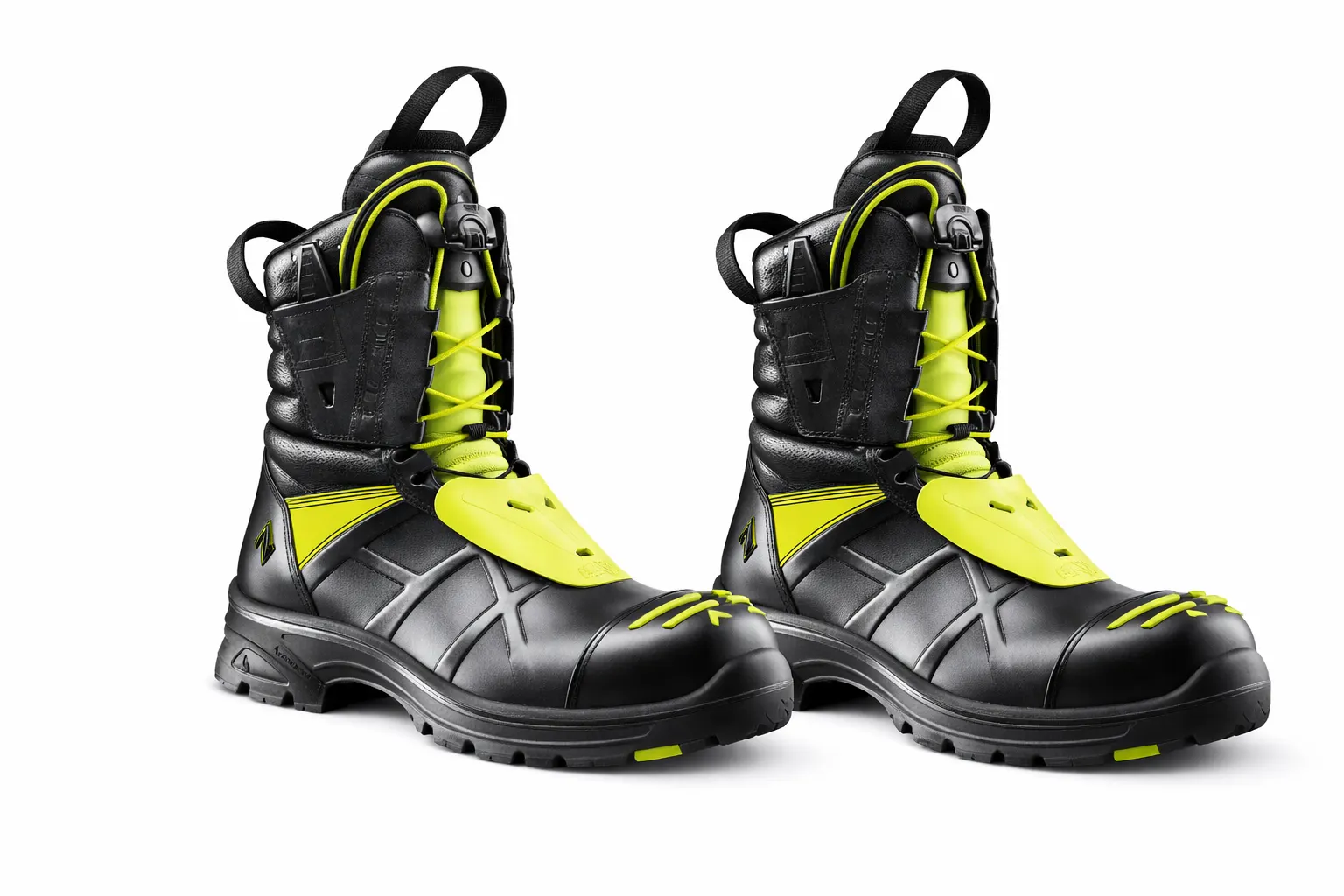
Complete firefighter boots guide: NFPA 1971 requirements, rubber pull-on vs leather structural comparison, wildland boots (NFPA 1977), key features (toe cap, puncture plate, waterproofing), model comparison including Haix, Danner, White's, Ranger, and care and replacement guidance.
Complete firefighter fitness training guide for 2025: strength, endurance, stair climbs, sled drags, loaded carries, SCBA conditioning, VO2 max development, mobility, injury prevention, academy prep, and an 8-week firefighter workout plan.
Complete firefighter gloves guide: NFPA 1971 requirements, structural vs extrication vs wildland gloves, the dexterity-protection trade-off, leather type comparison (cowhide vs pigskin vs goatskin), model comparison, and care and replacement guidance.
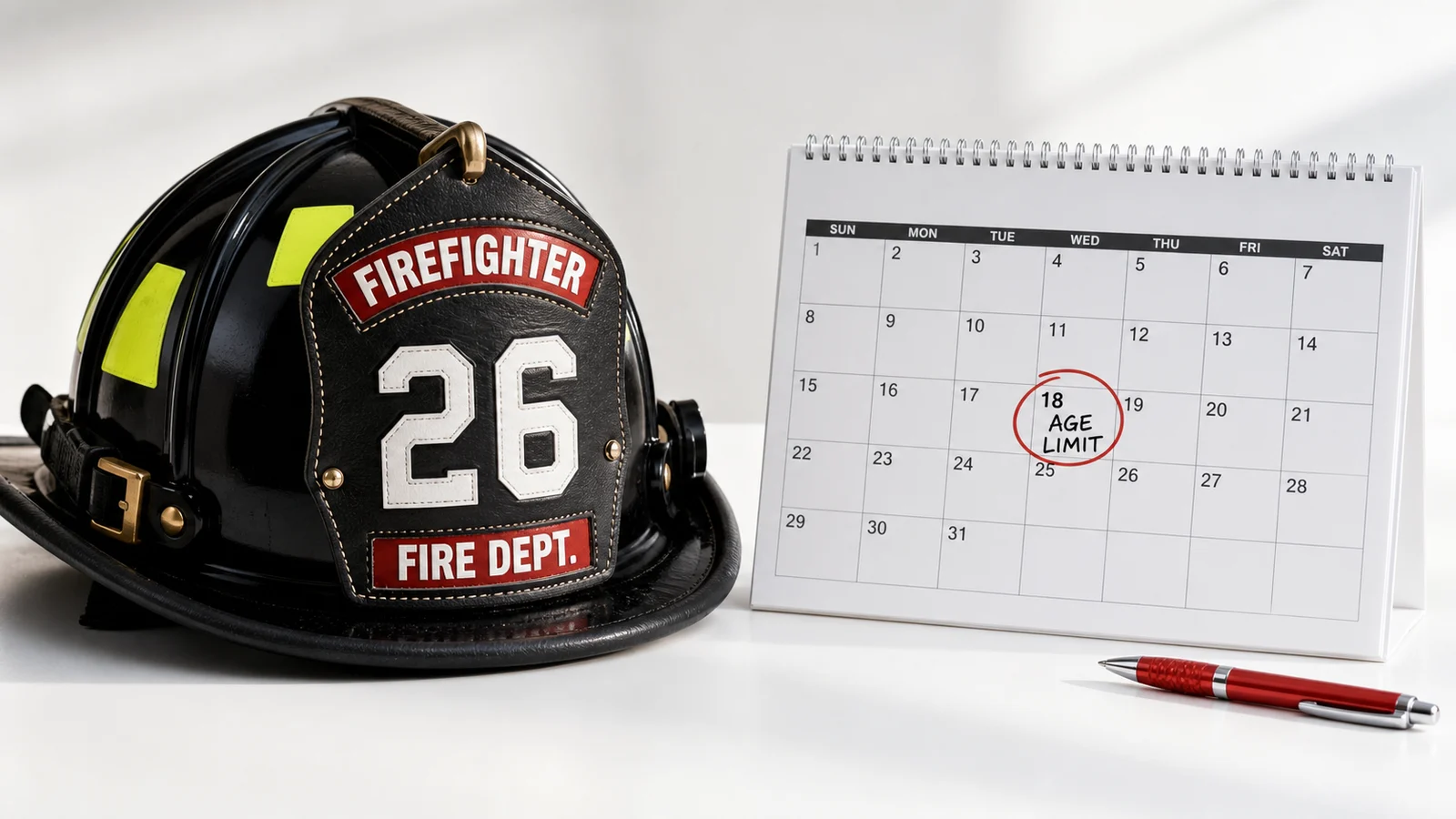
Complete firefighter helmet guide: NFPA 1971 requirements, traditional vs European low-profile style comparison, wildland helmets, key features (suspension, face shield, earflaps, weight), model-by-model comparison, and maintenance and retirement guidelines.
Complete firefighter hose advancement training guide for 2025: nozzle control, nozzle reaction, door control, coordinated entry, hallway pushes, flowing while moving, kink prevention, low-visibility hose movement, backup firefighter positioning, and fire attack drill planning.
Complete firefighter ladder training guide for 2025: ground ladder carries, single-firefighter raises, two-firefighter beam and flat raises, extension ladder placement, roof ladder operations, ladder angles, heeling, spotting, VEIS support, rescue access, safety checks, and academy drill planning.
Every firefighter entering a burning building is physically tagged, radio-checked at regular intervals, and covered by a dedicated rescue team staged outside from the moment they go in. This covers how the PASS device works, the tag and passport system, PAR radio checks, the LUNAR report, air management's one-third rule, RIT staging requirements, and what happens the moment a MAYDAY is called.
Rehab is not a rest break. It is a medical evaluation station where EMS monitors vital signs, CO saturation, and heat stress indicators before deciding whether a crew can return to interior operations. NFPA 1584 sets the standard. A firefighter who returns to work with a core temperature above 102°F, a heart rate that has not recovered to below 100 bpm after 20 minutes, or a CO saturation above safe limits is a liability and a potential patient. This covers the NFPA 1584 requirements, what the EMS crew evaluates, cooling and rehydration protocols, CO screening, and the specific signs that keep a firefighter out of rotation.
Complete firefighter rehabilitation guide: NFPA 1584 requirements, physiological basis for rehab, when to establish the sector, setup and resources, the four rehab components (rest, cooling, rehydration, medical evaluation), return-to-duty criteria, heat illness recognition, and accountability.