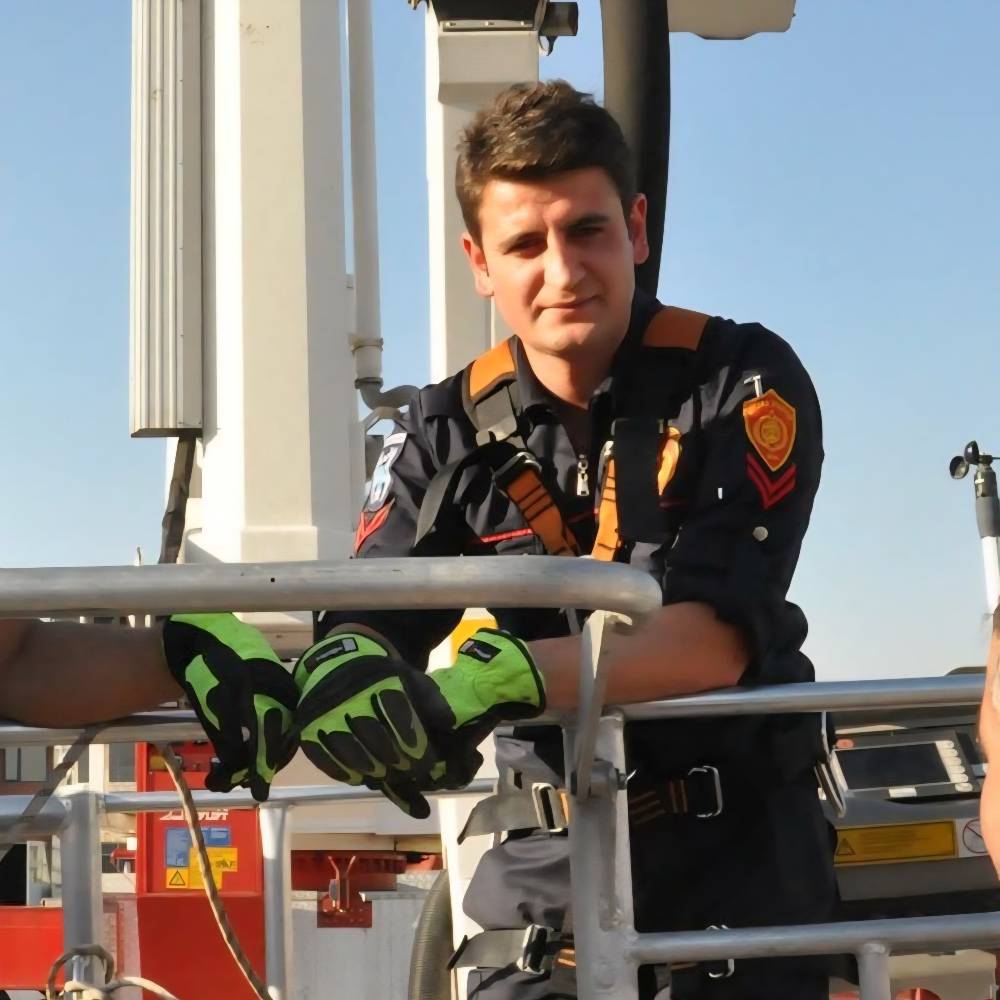
Ertuğrul Öz is a career firefighter serving with the Ankara Metropolitan Municipality Fire Department since 2011, currently holding the rank of Firefighter Sergeant (İtfaiye Çavuşu). He has responded to more than 1,000 structural fire incidents and served across three major earthquake response operations in Turkey, as well as numerous flood and water rescue deployments. He holds an associate degree in Civil Defense and Firefighting from Çankırı Karatekin University (on-campus program) and a bachelor\'s degree in Public Administration from Anadolu University (open education). His certifications include Basic Firefighter, Intermediate Search and Rescue (USAR), Hazmat/CBRN Response, First Aid, and Fire Instructor Levels 1 through 4. He has delivered 50+ firefighter training courses and serves as one of AllFirefighter\'s two editorial leads.
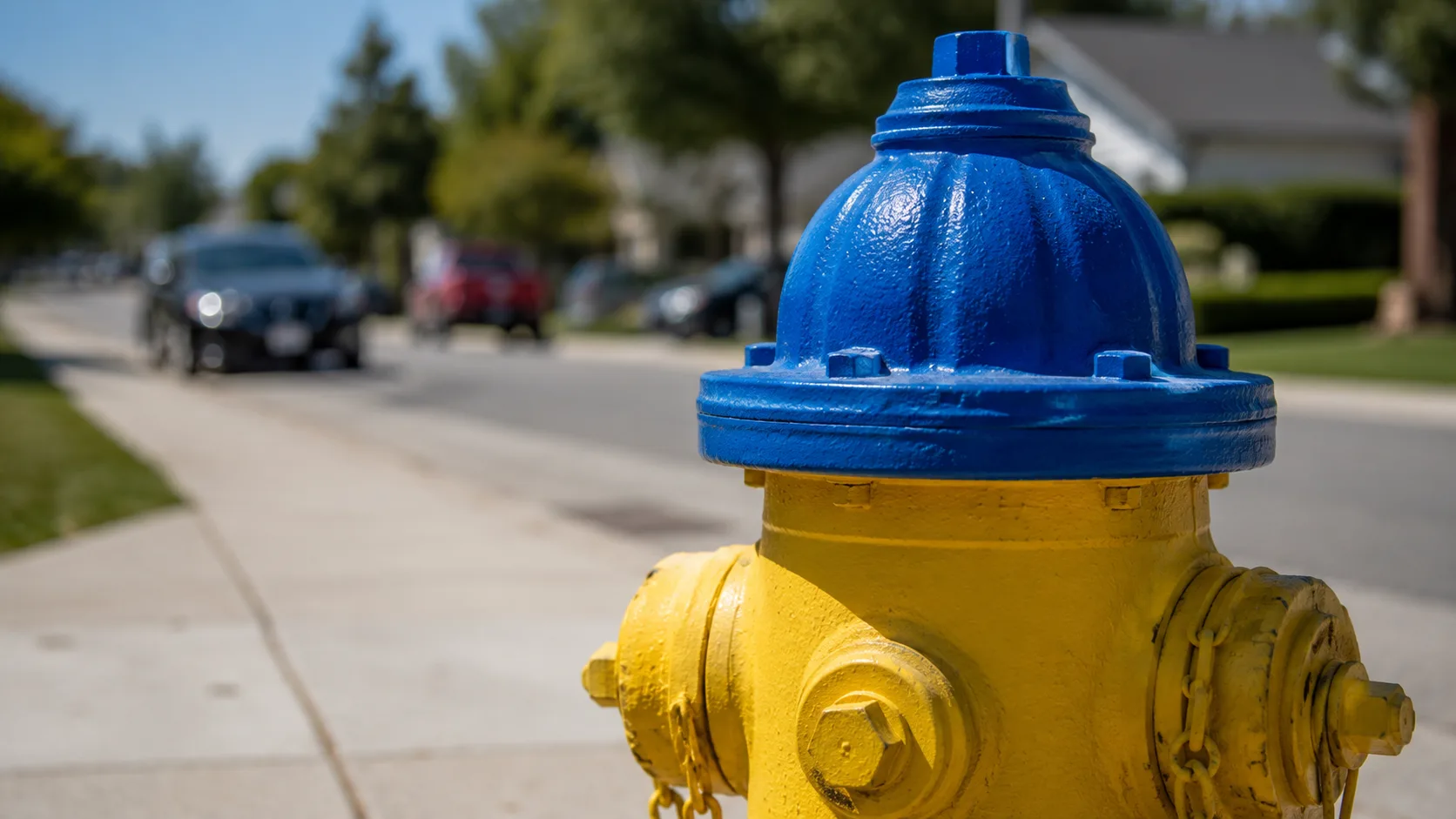
The bonnet color on a fire hydrant follows NFPA 291 and tells firefighters how much water that hydrant can deliver — information that shapes every water supply decision at a working fire. Blue means above 1,500 GPM. Red means below 500. This covers the four flow rate classes, why body color and bonnet color carry different information, the dry barrel vs. wet barrel distinction, private hydrants, the road marker system, and why some hydrants don't follow the standard.
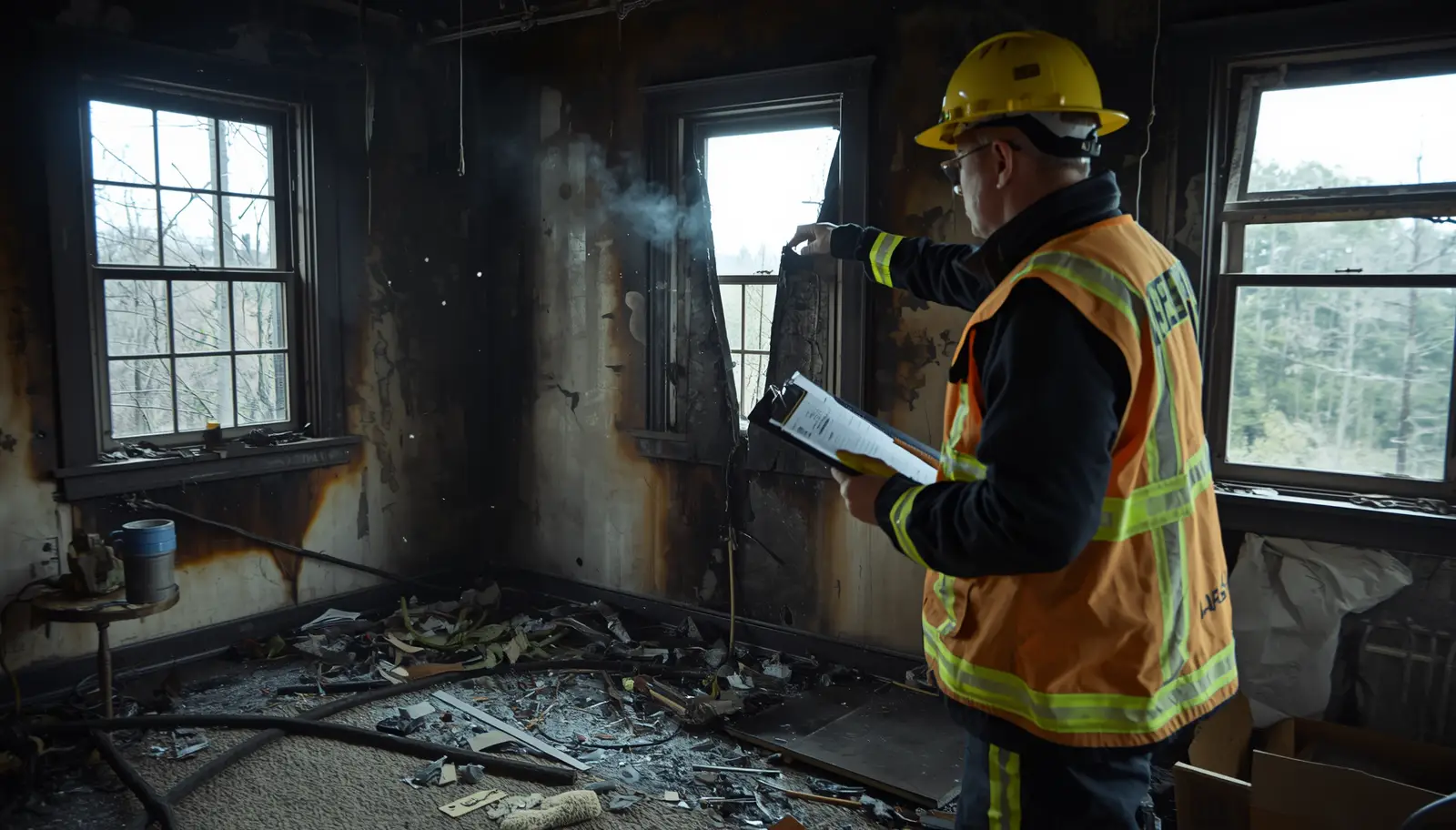
Fire investigation guide for firefighters: origin vs cause determination, fire cause classifications, burn patterns (V-pattern, char depth, floor patterns), how fire spreads, arson indicators, scene preservation, and documentation.
Complete fire pre-planning guide: what to document, building information, life safety data, water supply, hazardous materials, tactical considerations, pre-plan format best practices, and how to use pre-plans on the fireground.
Adults 65 and older die in home fires at nearly three times the rate of the general population — not because they lack awareness, but because reaction time, hearing loss, medication effects, and mobility create a survival gap that standard fire safety advice does not address. This covers what actually changes with age and what to do about each of it.
A home under renovation has compromised compartmentalization, disabled smoke detectors, overloaded extension cords, flammable materials stored indoors, and contractors performing hot work near open wall cavities. Most contractors manage their own operational hazards but are less focused on what those hazards create for the household. This covers opened wall fire pathways, hot work fire watch requirements, detection gaps, temporary wiring risks, combustible material storage, sawdust accumulation, permit inspections as fire safety, and what to contractually require.
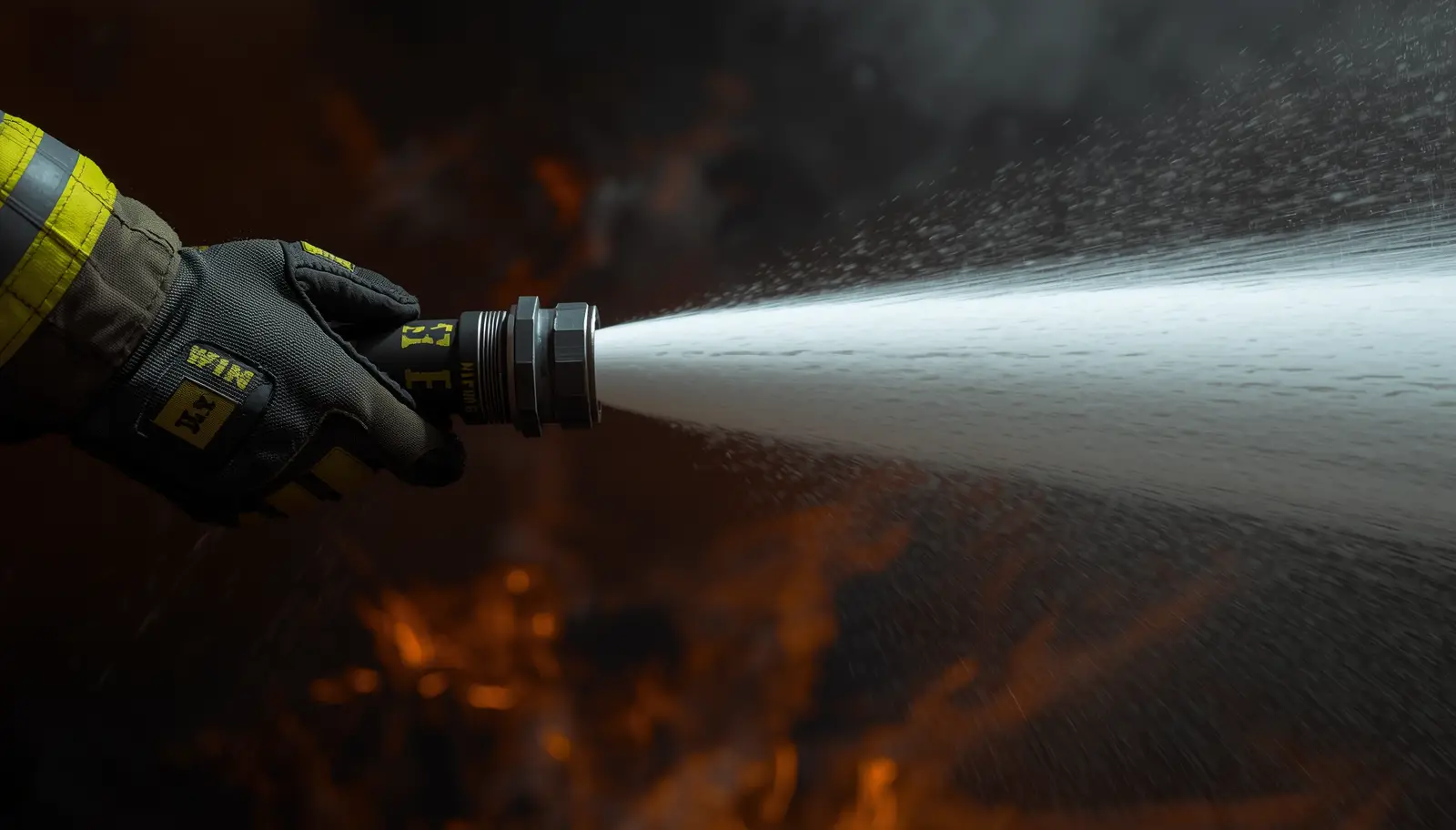
Fire sprinkler guide: how individual heads activate, glass bulb color temperatures, wet pipe vs dry pipe vs deluge vs pre-action systems, fire company response in sprinklered buildings, FDC operations, and impaired systems.