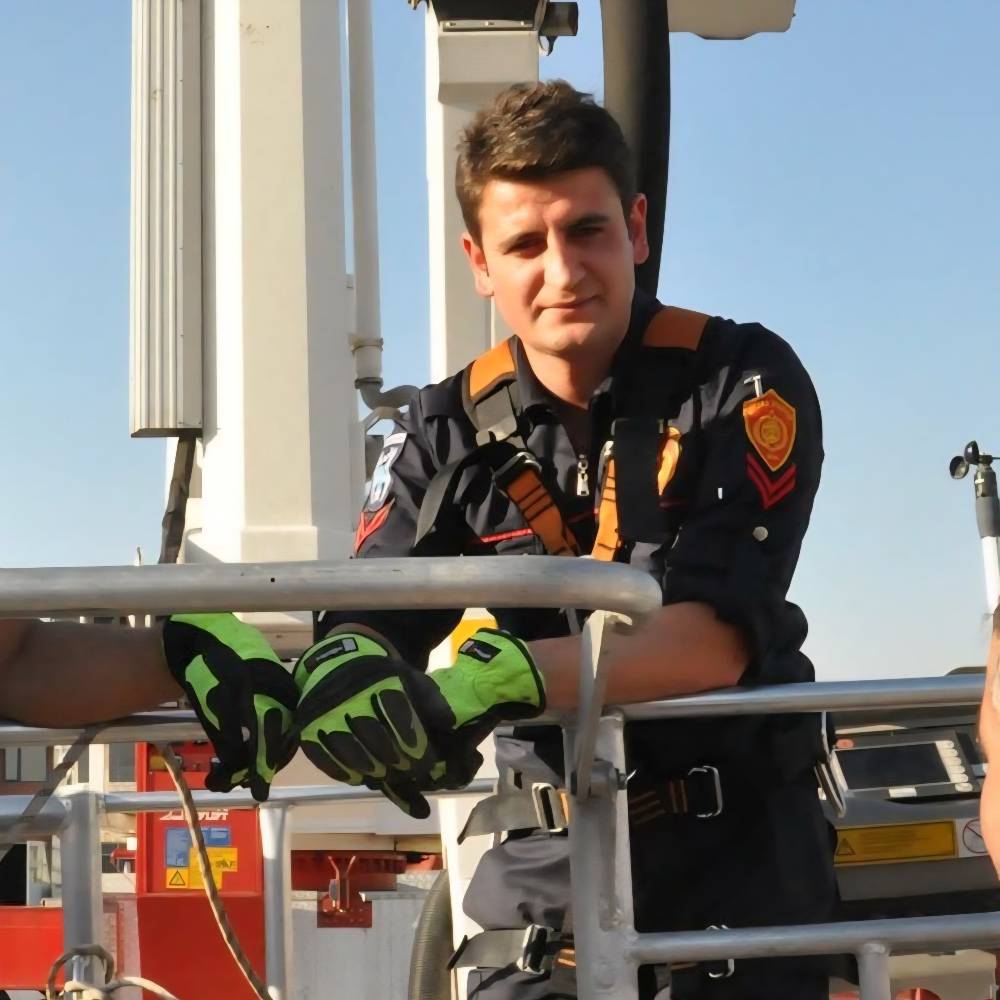
Ertuğrul Öz is a career firefighter serving with the Ankara Metropolitan Municipality Fire Department since 2011, currently holding the rank of Firefighter Sergeant (İtfaiye Çavuşu). He has responded to more than 1,000 structural fire incidents and served across three major earthquake response operations in Turkey, as well as numerous flood and water rescue deployments. He holds an associate degree in Civil Defense and Firefighting from Çankırı Karatekin University (on-campus program) and a bachelor\'s degree in Public Administration from Anadolu University (open education). His certifications include Basic Firefighter, Intermediate Search and Rescue (USAR), Hazmat/CBRN Response, First Aid, and Fire Instructor Levels 1 through 4. He has delivered 50+ firefighter training courses and serves as one of AllFirefighter\'s two editorial leads.
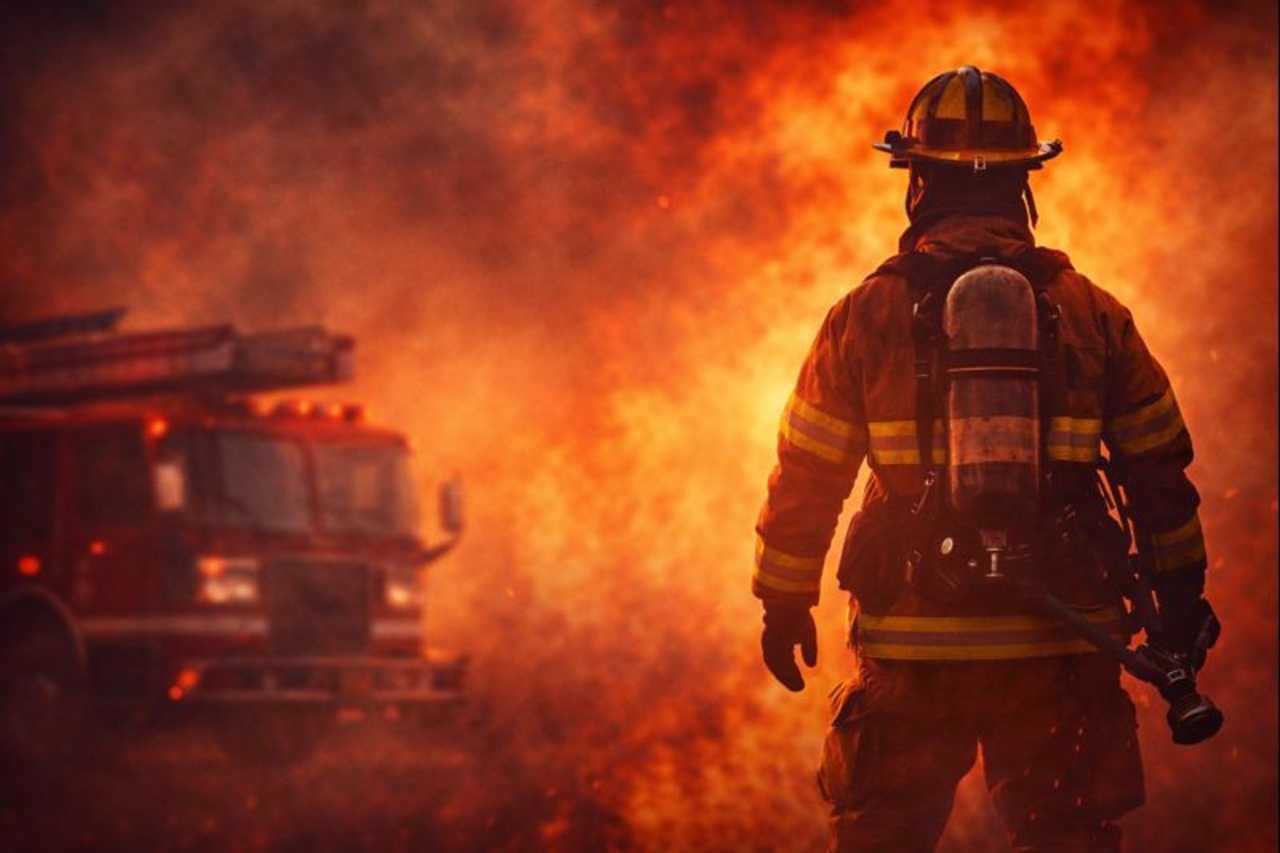
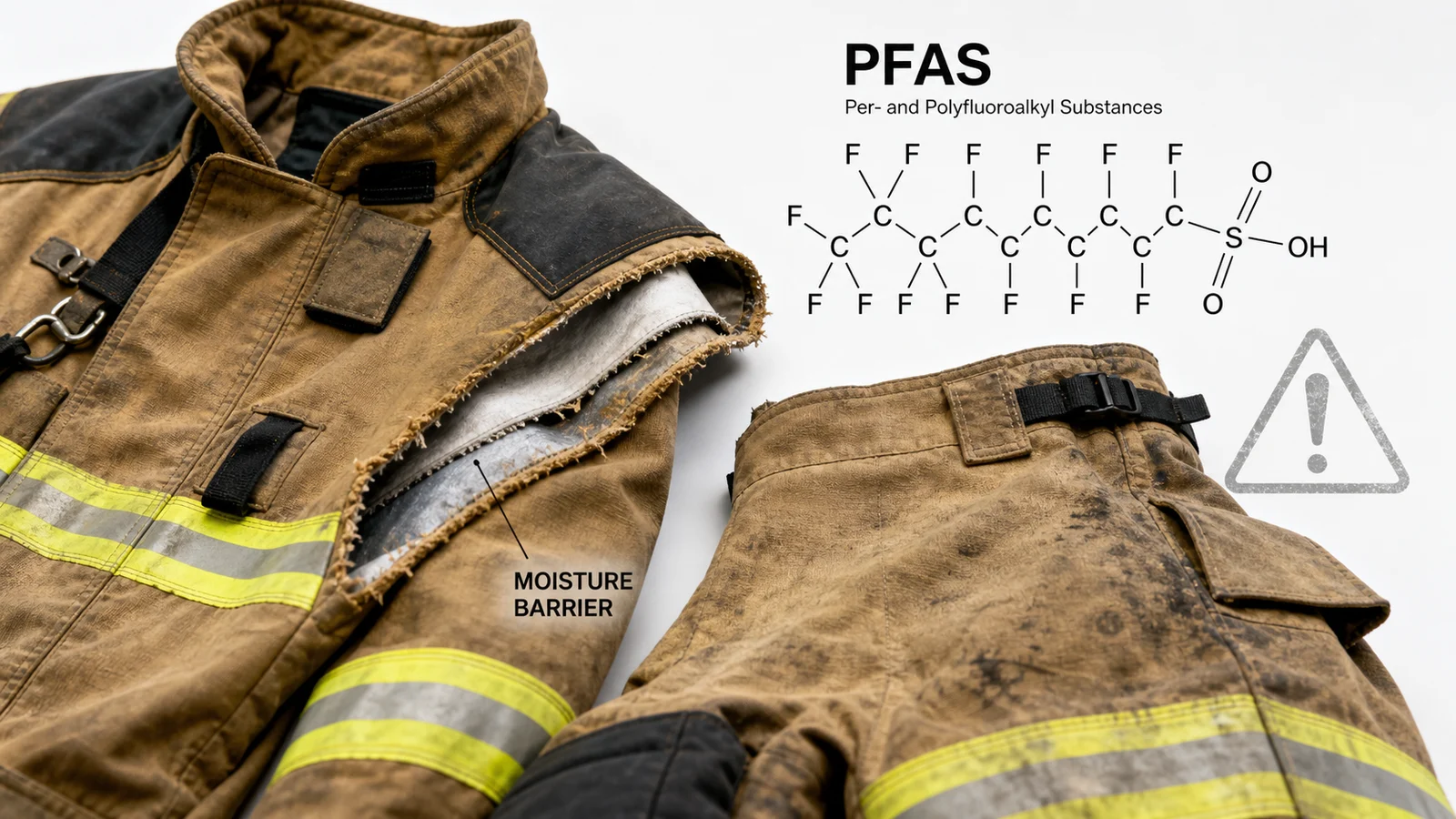
Structural firefighting gear has three distinct layers with three completely different functions — and all three must be present and correctly maintained for the system to work. The outer shell resists flame and abrasion. The moisture barrier keeps water and chemicals out while allowing sweat vapor to escape. The thermal liner traps dead-air space as the insulating layer. This covers what each layer does, the NFPA 1971 certification requirements, TPP ratings, what contaminated gear does to protection, and what turnout gear actually buys a firefighter inside a flashover.
A Type 1 structural engine is optimized for connecting to a hydrant and pumping water at high volume. It cannot follow a wildland fire crew off-road into a brushy hillside, cannot pump while moving, and carries more than twice the weight of water that the terrain can support. Type 3 engines and light brush trucks solve a different problem: getting water to a fire location that has no road access, pumping while moving along a dirt track, and supporting hand crews working in terrain where structural apparatus simply cannot go. This covers the NIMS apparatus typing system, Type 3 construction and capability, pump-and-roll operations, brush truck configurations, and why every wildland-urban interface department needs both types.
Complete firefighter guide to water rescue and swift water operations: flood rescue tactics, strainer and low-head dam hazards, PFD selection, reach-throw-row-go rescue priority, swiftwater technician vs operations level, gear checklist, and incident command at water emergencies.
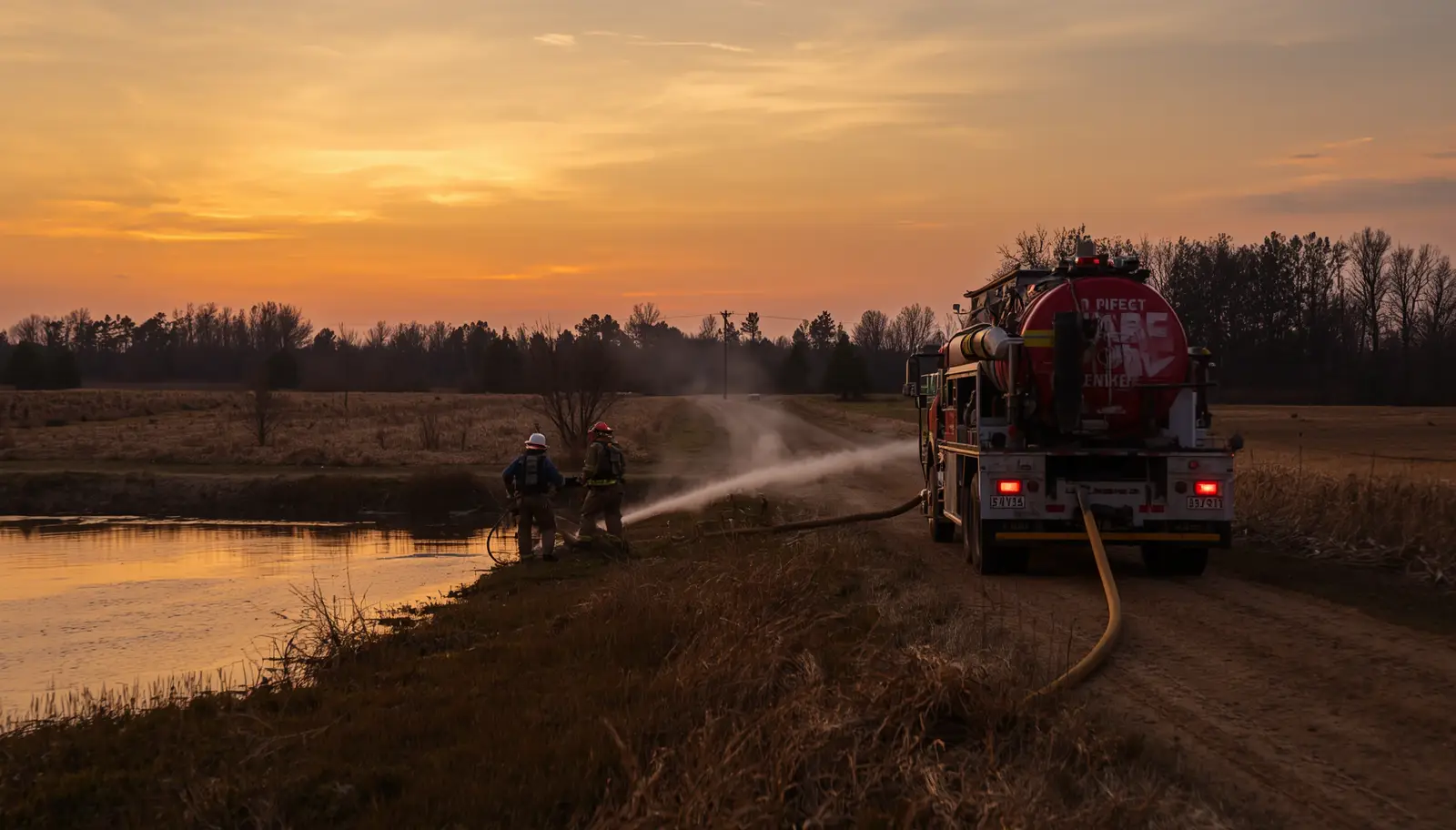
A tool-first pillar for engine companies: how to use fire flow, hydrant flow, friction loss, PDP, pump charts, hydrant finder, and tanker shuttle tools together to build stable, repeatable water supply decisions.
Complete guide to fire watch requirements: when NFPA requires it, sprinkler and alarm impairment triggers, hot work fire watch duration (60 min minimum), who can stand watch, documentation requirements, and common violations.
The decision of when to fight a home fire yourself versus evacuating and calling 911 depends on six specific conditions — and getting any of them wrong changes the outcome significantly. This covers the 911 vs. non-emergency line distinction, the specific criteria for manageable vs. not manageable fires, kitchen fire decision trees by type, chimney fires, car fires, electrical fires, the PASS extinguisher technique and the one-attempt rule, and what 911 dispatch needs from you.
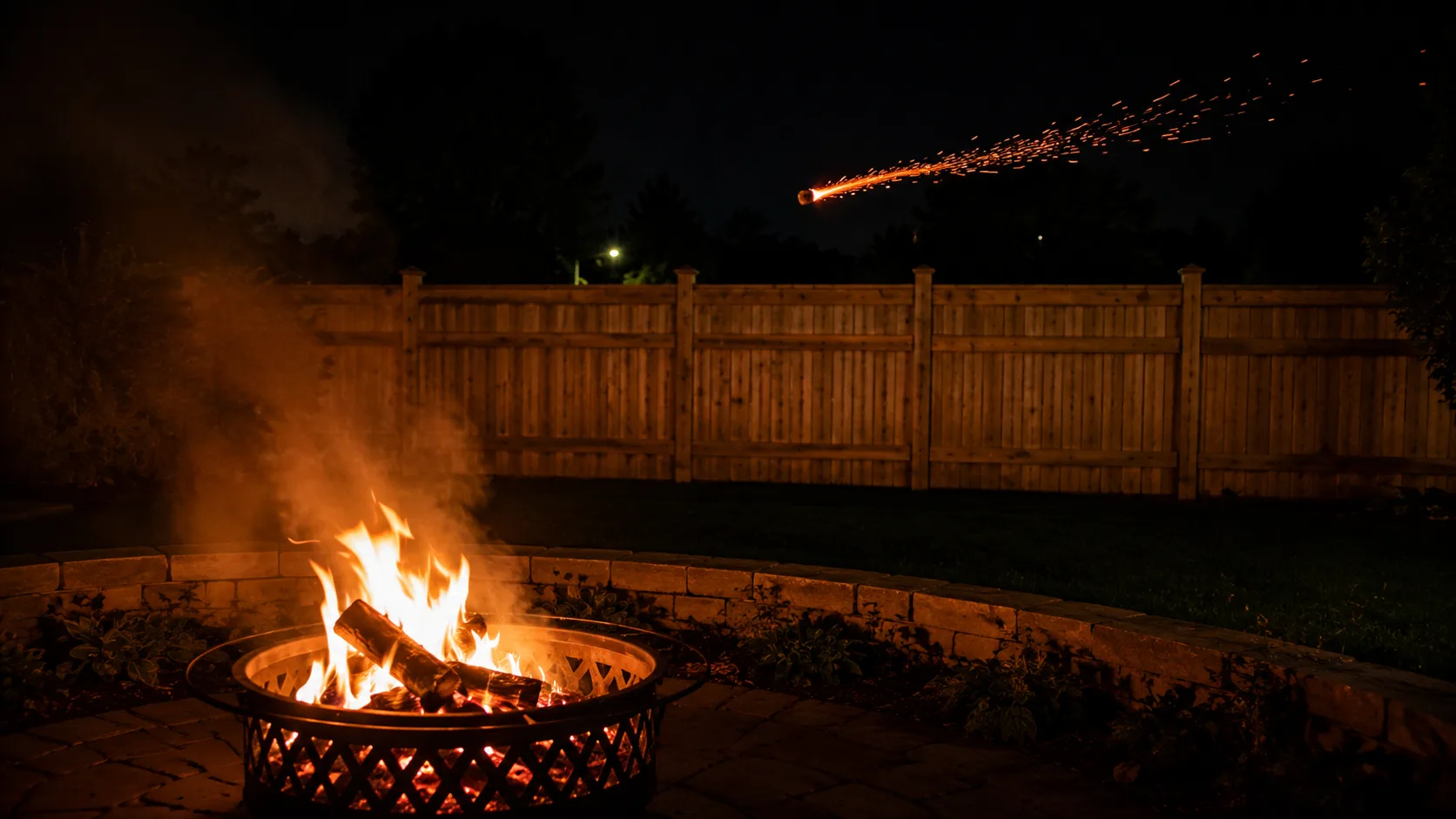
Orange flames are not just 'fire.' The color of a flame is a precise measurement of its temperature and chemistry — blue means above 1,400°C, orange means 900–1,200°C, dark red means below 700°C. Chemical compounds burn in specific colors: copper produces green-blue, sodium produces yellow, potassium produces violet. This covers the physics behind flame color, what different smoke colors indicate, what firefighters read from flame and smoke color on approach, and why some fires burn colors that have nothing to do with temperature.
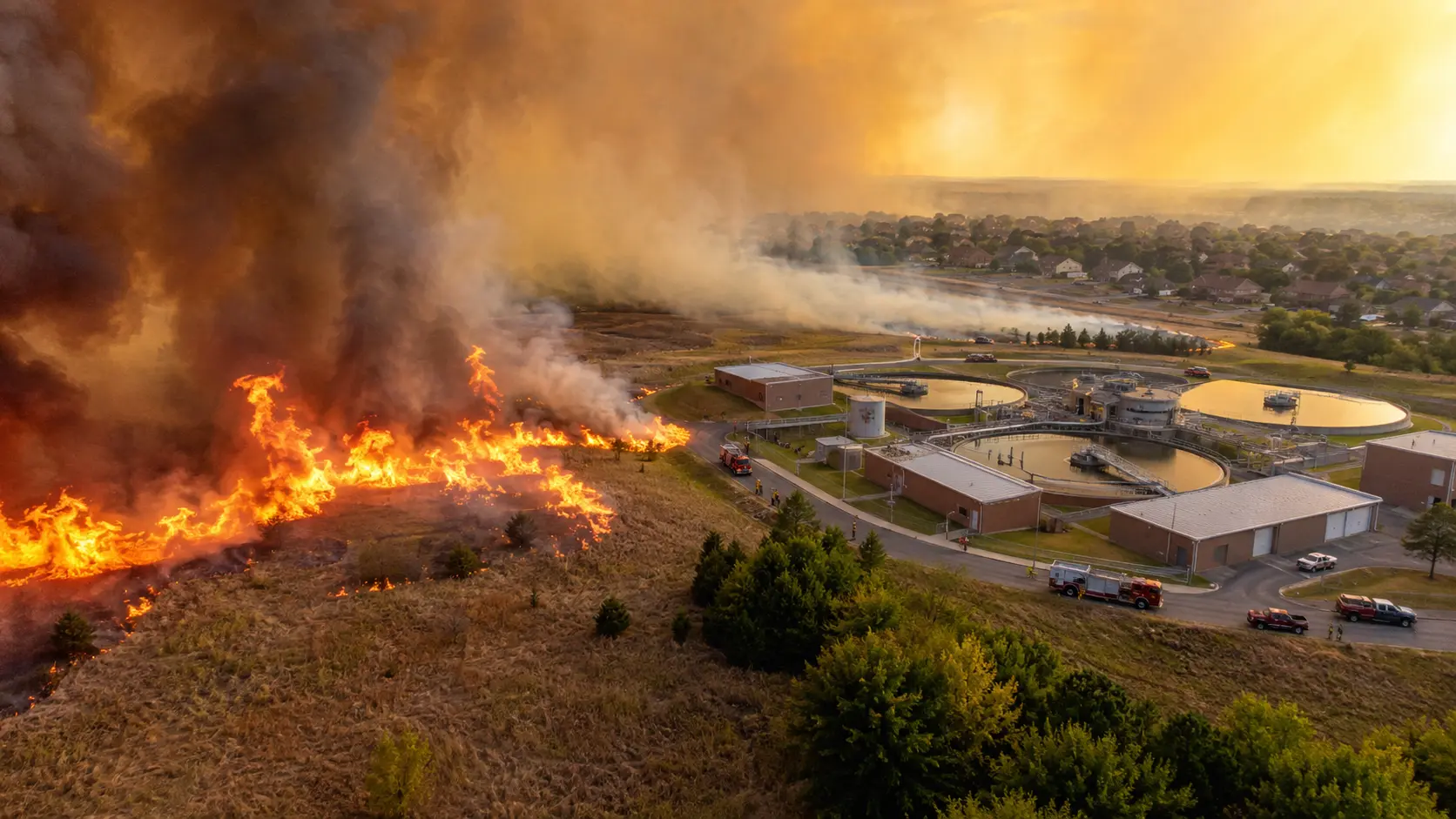
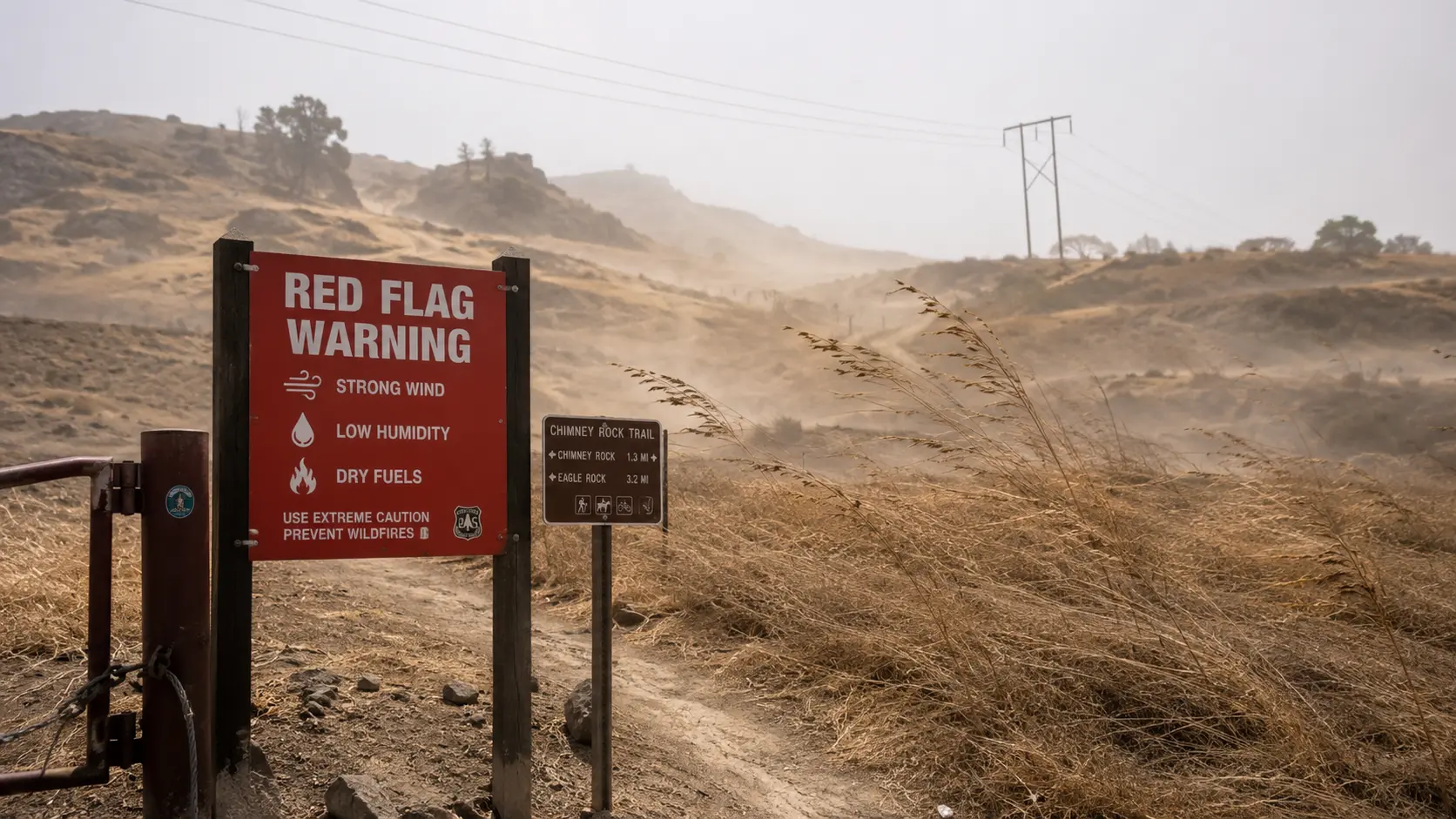
A wildfire that a single hand crew could suppress at 8am can be moving faster than a running person by noon — not because conditions changed gradually, but because slope, wind, and fuel type interact exponentially. This covers the fire environment triangle, how slope doubles spread rate, what spotting does to containment, the specific atmospheric conditions that produce blow-up fires, and when wildland crews deploy fire shelters.
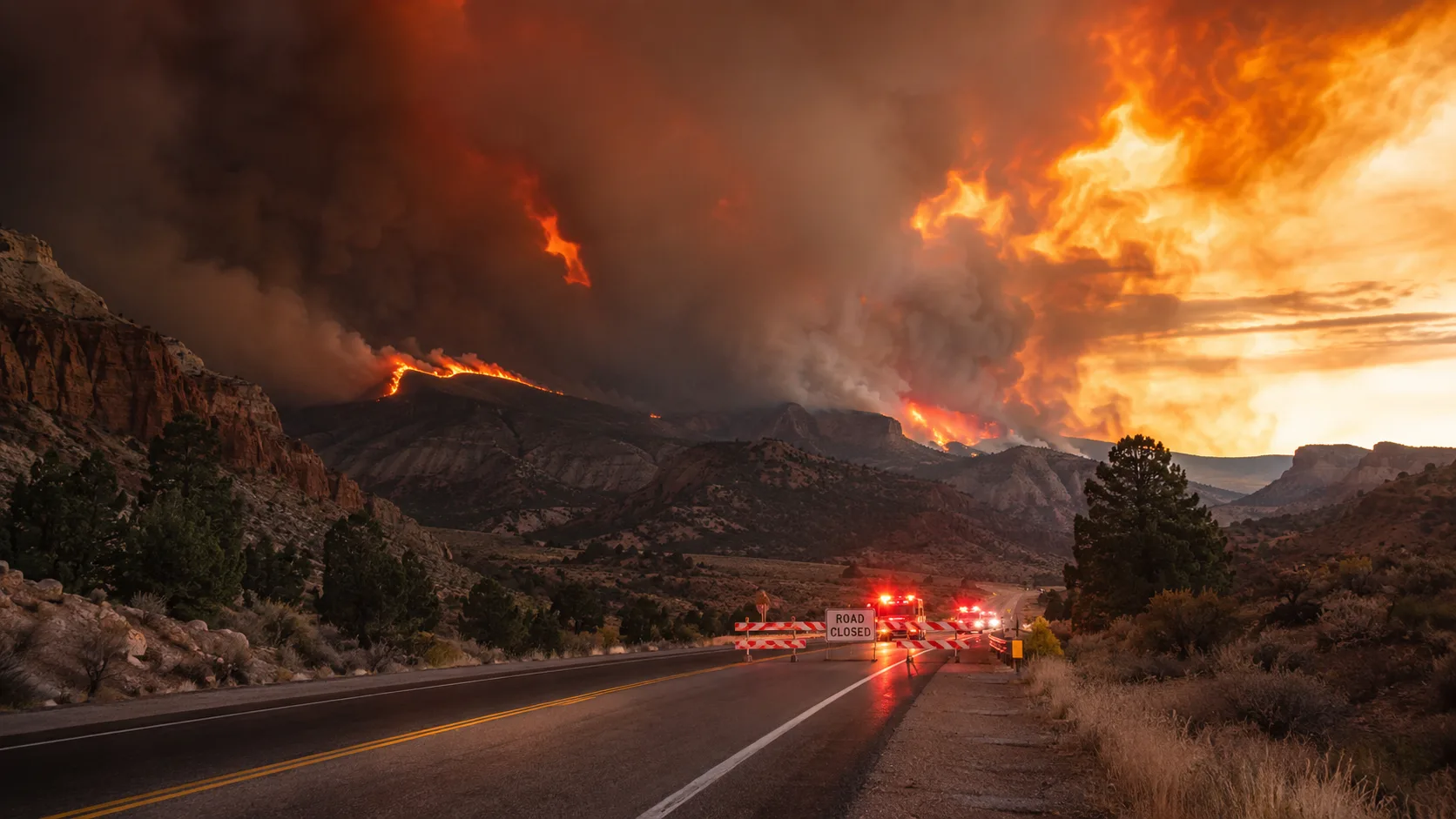
Wildfire evacuation zones are not suggestions — they are the formal mechanism through which emergency management communicates probability of imminent threat and expected response. Evacuation Warning, Evacuation Order, and the zone-based systems used in California and Oregon each communicate something specific about what residents in that area should do and how much time they have. The research on evacuation behavior during major wildfires consistently shows the same finding: people who leave early survive at dramatically higher rates than people who wait to confirm the threat. This covers how zone classifications work, how zones are assigned and changed in real time, the Go Early principle, why evacuation warnings are routinely ignored, what happens when roads are blocked, and the specific lessons from the 2018 Camp Fire.