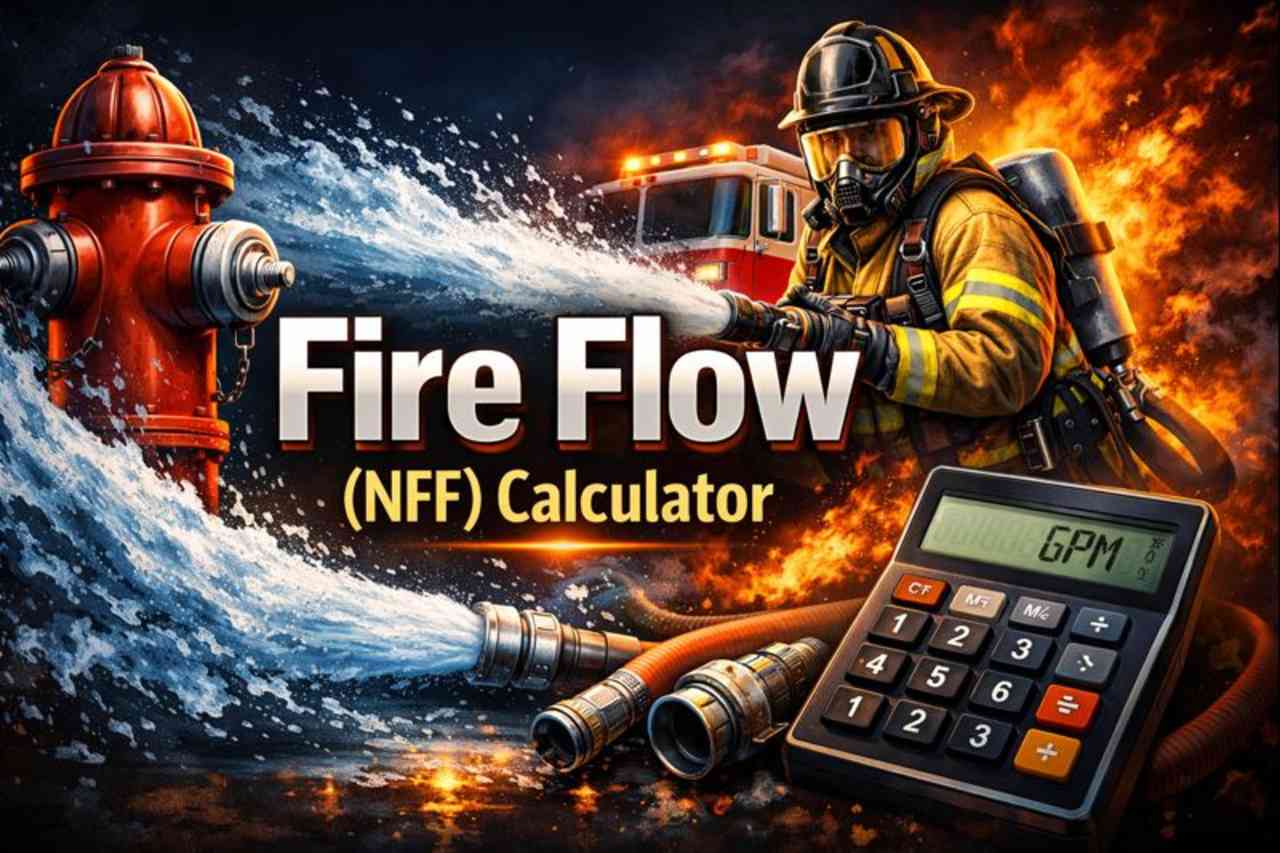

Water Supply & Fireground Hydraulics Tools – The Complete Engine Company Pillar
Last updated:
This pillar connects the tools that decide whether you win or lose the water problem: demand, supply, and stable delivery. Use it as a training map: each tool page gives you the calculator; each guide page teaches the operational workflow.
Goal: Build a repeatable first-due plan: pick realistic supply (primary/secondary), choose a stable hose package, and pump a PDP that the crew can operate safely.
Jump to:Top tools · 60-second workflow · Cluster guides (internal link plan) · Common mistakes · Field checklist
Tools HubOps GuidesHydrant Finder
Top Water Supply & Hydraulics Tools
The Engine Company Workflow (Demand → Supply → Stable Delivery)
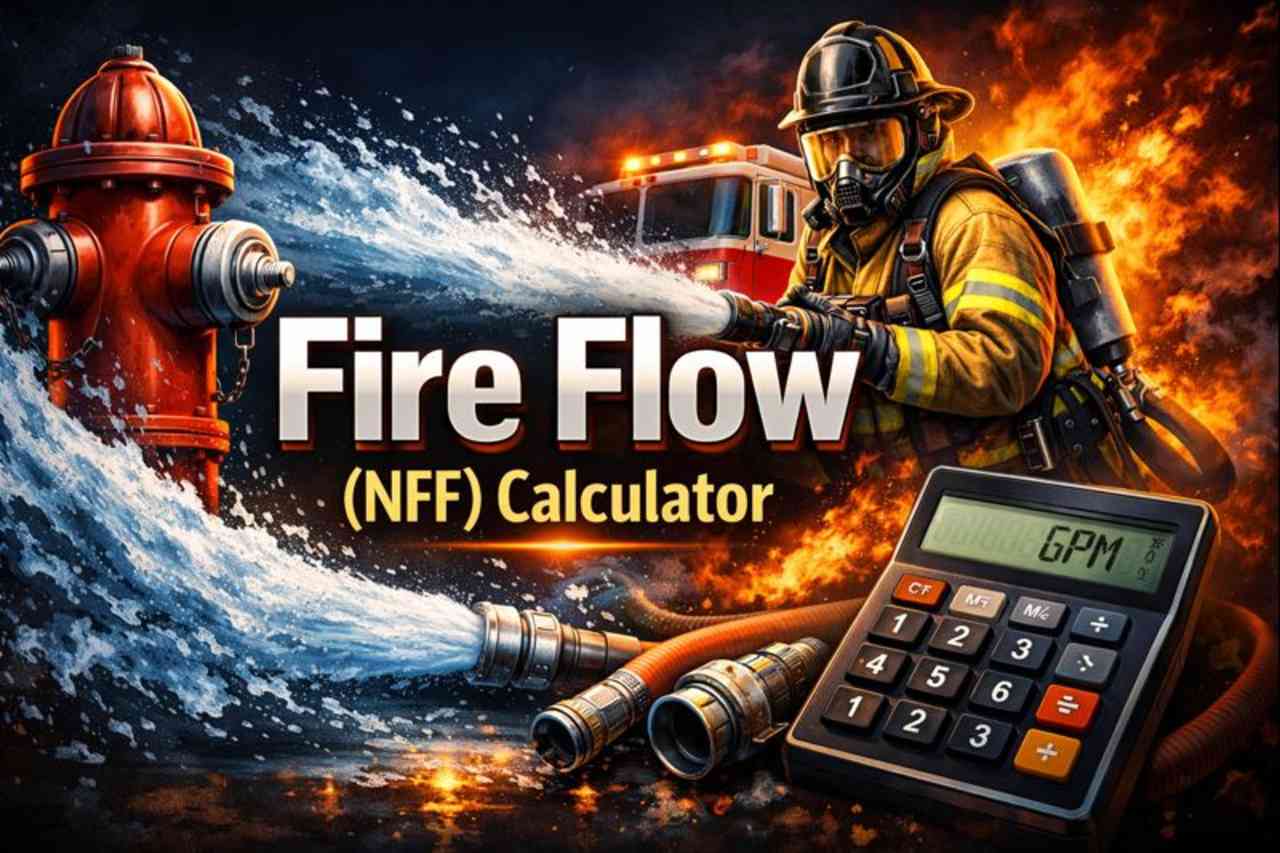
- Demand: estimate fire flow demand (Fire Flow) for training and planning context.
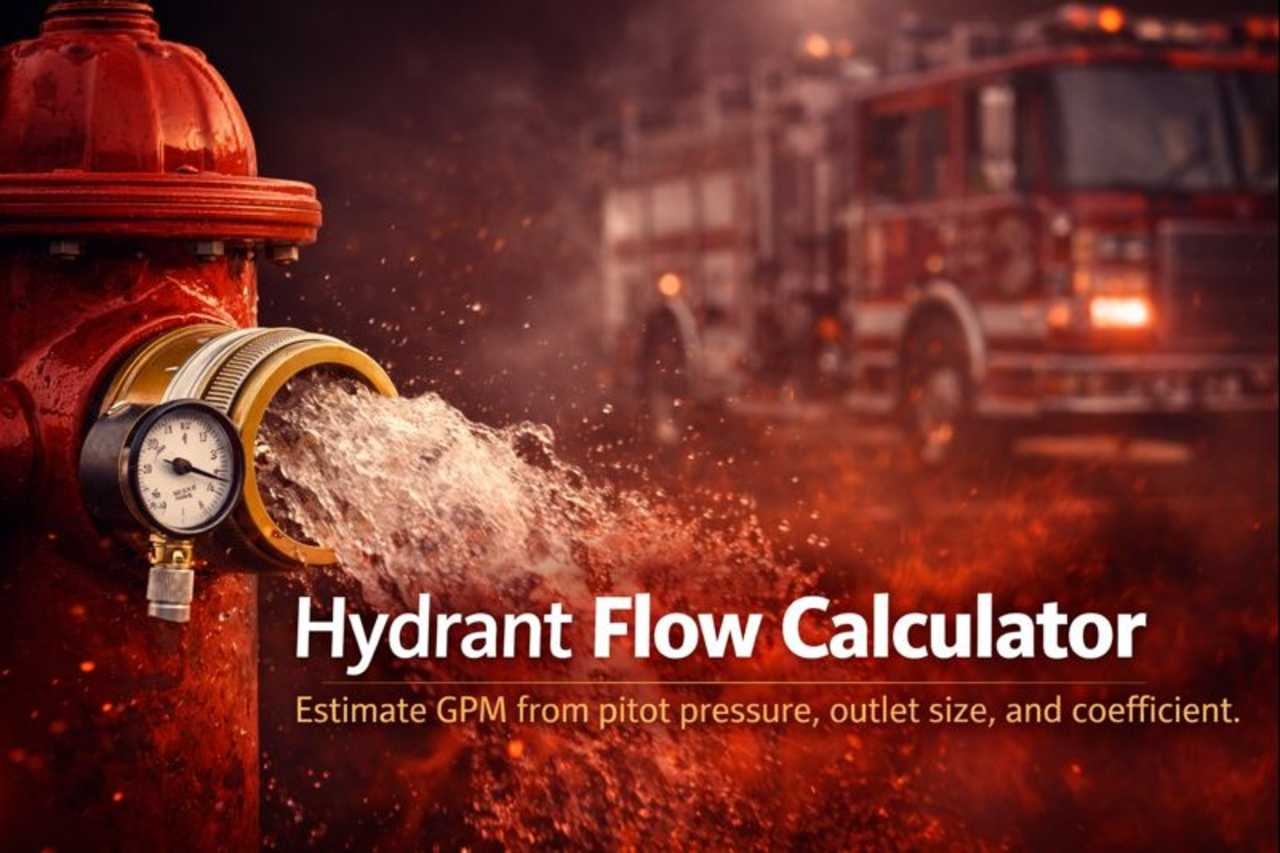
- Supply options: select primary/secondary hydrants (Hydrant Finder) and sanity-check supply (Hydrant Flow).
- Package stability: confirm your lay won’t collapse your stream (Friction Loss).
- Pump decision: compute and standardize PDP (PDP + Pump Chart).
- Fallback triggers: if hydrant coverage or pressure is unreliable, set relay/shuttle triggers (Tanker Shuttle).
Don’t confuse “calculator output” with “operational reality”: map pins and flow estimates must be verified in the field and aligned with your SOP/SOG.
Cluster Guides (Internal Link Plan)
Each tool should have a guide page that links back to this pillar and to the two most relevant tools. This builds a clean topical cluster and prevents random old links from leaking into new content.
- Hydrant Finder Guide → links to Hydrant Flow + Friction Loss + this pillar.
- Hydrant Flow Guide → links to Fire Flow + PDP + this pillar.
- Fire Flow Guide → links to Hydrant Flow + Tanker Shuttle + this pillar.
- Friction Loss Guide → links to PDP + Pump Chart + this pillar.
- PDP Guide → links to Friction Loss + Pump Chart + this pillar.
- Pump Chart Guide → links to PDP + Friction Loss + this pillar.
- Tanker Shuttle Guide → links to Fire Flow + Hydrant Finder + this pillar.
Common Mistakes That Kill Water Supply Plans
- Closest-hydrant thinking: access and placement matter more than distance.
- Straight-line distance: routed hose length is the real lay.
- Over-flow fantasy: pick flows crews can sustain, not what looks good on paper.
- No redundancy: every plan needs primary + secondary + fallback trigger.
Field Checklist (Preplan → Street)
- Primary/secondary hydrants: selected and verified for access & clearance.
- Lay reality: routed lengths measured/estimated and taught to the crew.
- Standard package: agreed flow + line + nozzle package with a pump chart.
- Fallback trigger: defined relay/shuttle/drafting trigger points.



Comments 0
No comments yet. Be the first to share your thoughts!
Leave a Comment