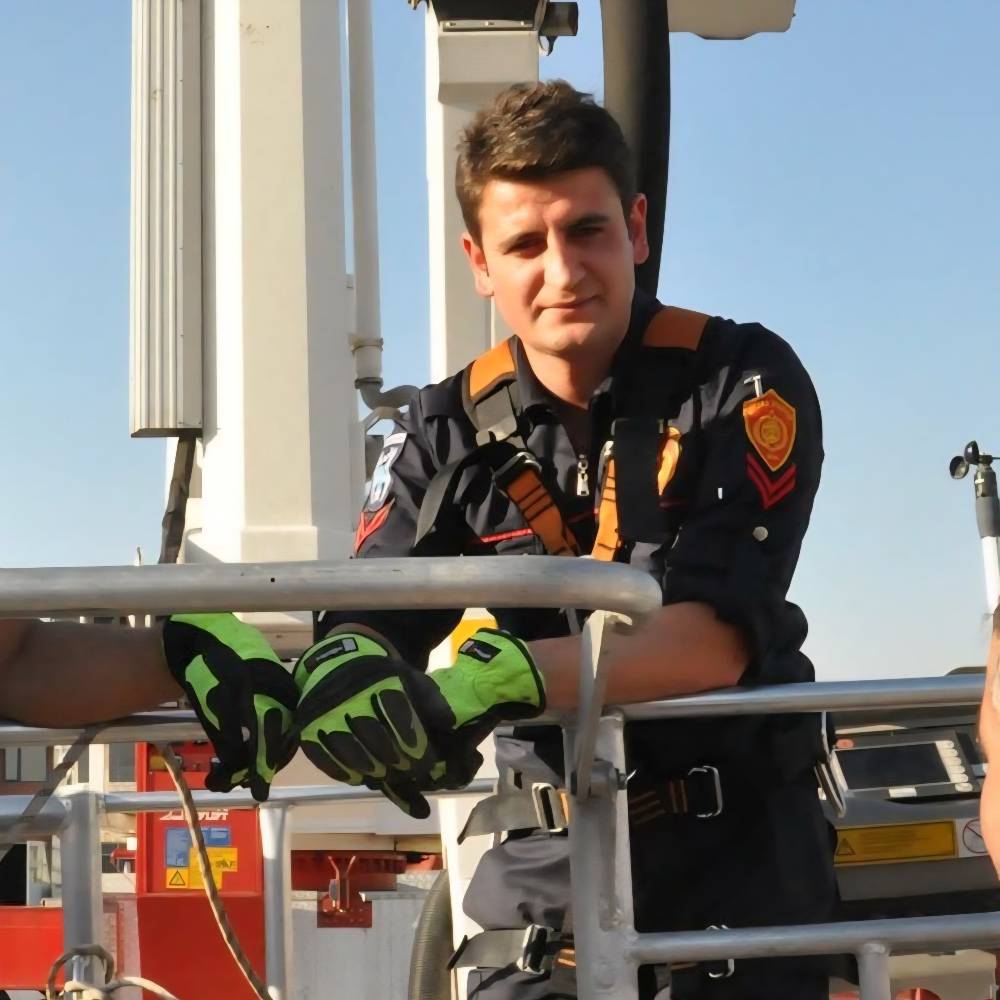
Ertuğrul Öz is a career firefighter serving with the Ankara Metropolitan Municipality Fire Department since 2011, currently holding the rank of Firefighter Sergeant (İtfaiye Çavuşu). He has responded to more than 1,000 structural fire incidents and served across three major earthquake response operations in Turkey, as well as numerous flood and water rescue deployments. He holds an associate degree in Civil Defense and Firefighting from Çankırı Karatekin University (on-campus program) and a bachelor\'s degree in Public Administration from Anadolu University (open education). His certifications include Basic Firefighter, Intermediate Search and Rescue (USAR), Hazmat/CBRN Response, First Aid, and Fire Instructor Levels 1 through 4. He has delivered 50+ firefighter training courses and serves as one of AllFirefighter\'s two editorial leads.
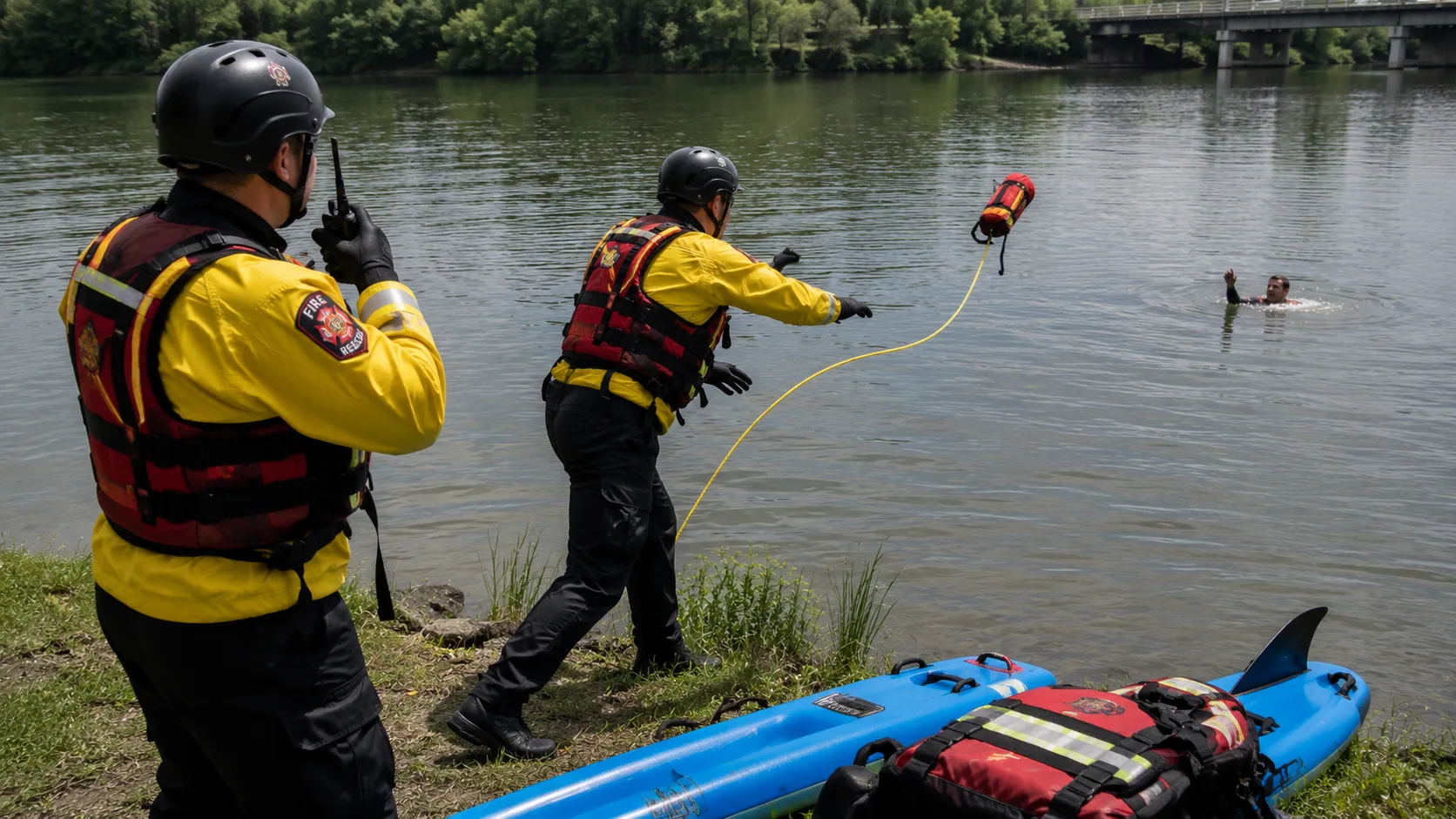
Fire departments respond to the majority of drowning emergencies — not lifeguards, not the coast guard. What happens at the scene is not a heroic leap into the water. It is a systematic approach: reach-throw-row-go, scene size-up for last-known point, cold water physiology that changes resuscitation, the difference between hypoxic cardiac arrest and cardiac arrest from other causes, and the secondary drowning presentation that sends people to the ER hours after they appeared to have recovered.
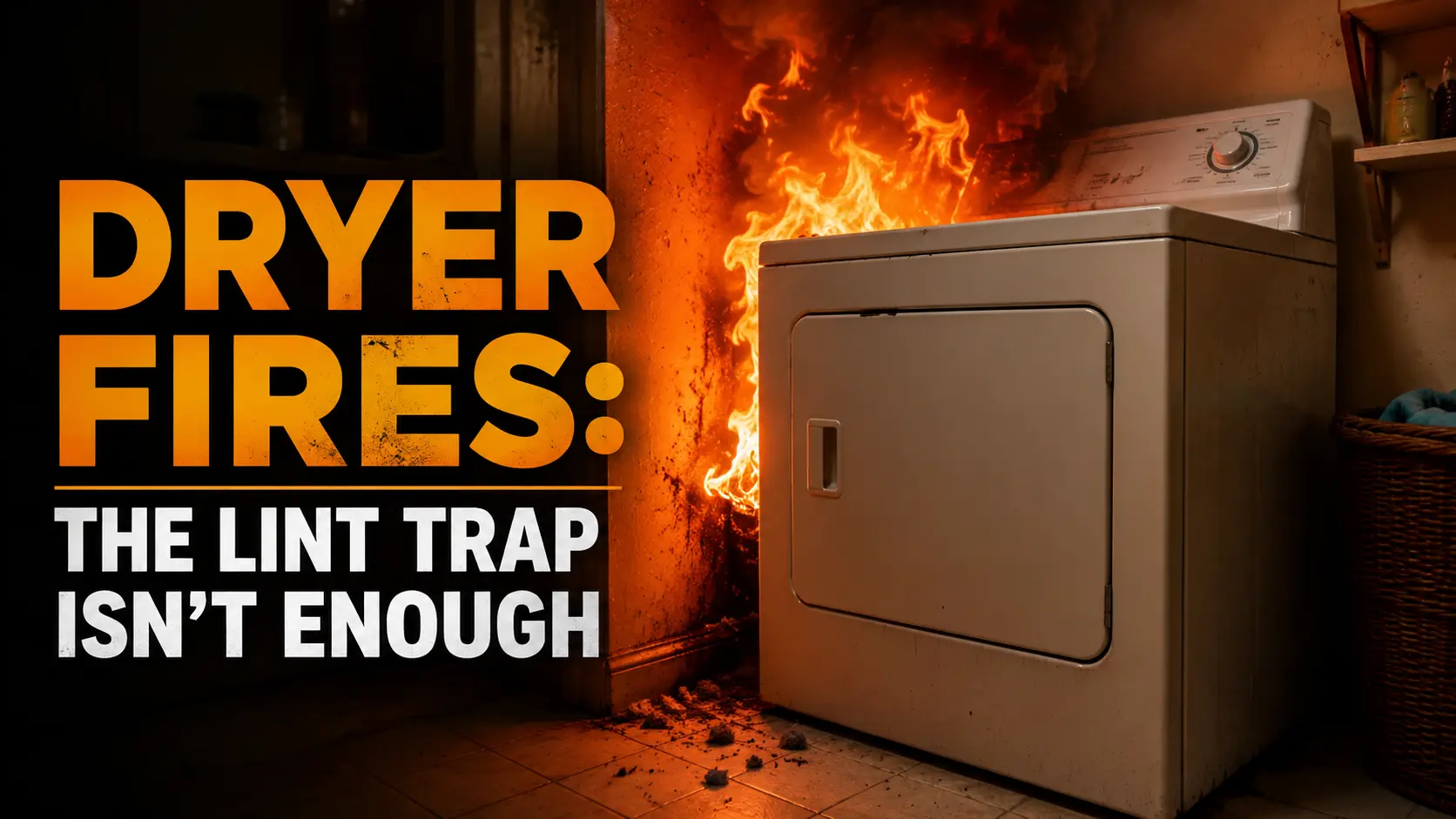
Dryer fires are the fourth leading cause of home fires in the U.S. — and almost all of them are preventable. The lint trap is only part of the problem. The real danger is the vent duct behind your dryer, which most people never clean and which builds up enough lint to ignite within a year of regular use.
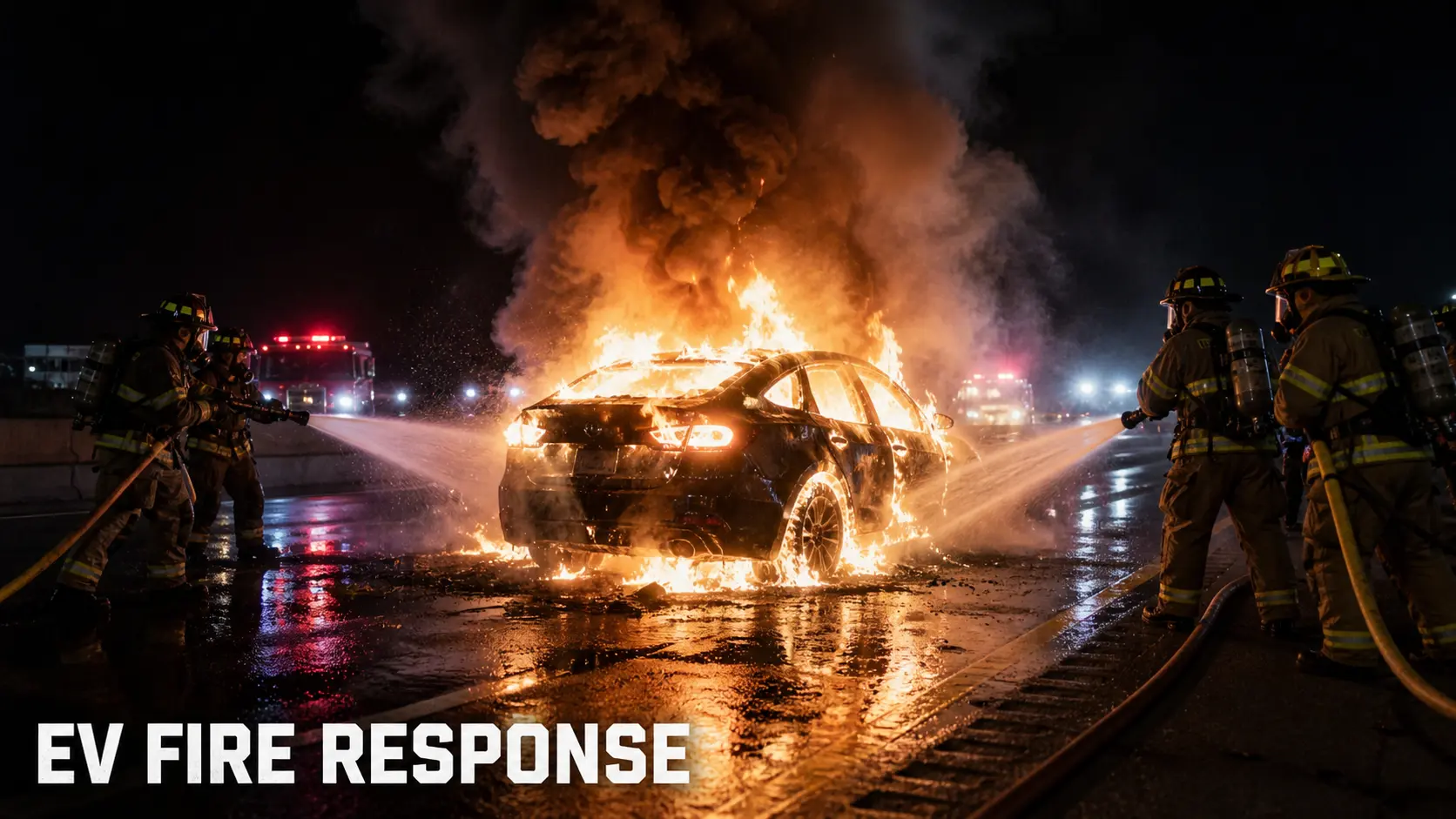
EV fire response guide: electric vehicle identification, lithium-ion battery thermal runaway, hydrogen fluoride and toxic gas hazards, suppression tactics, water volume requirements, high-voltage safety, EV extrication differences, post-fire re-ignition hazard, and emergency response resources.
An engine company pumps water. A ladder company does everything else — forcible entry, search, ventilation, utilities, and elevated access. Both operate simultaneously at every working structural fire, which is why staffing levels determine what actually happens when a house burns. This covers each company's mission, tools, the coordination sequence, and why the quint cannot solve the staffing problem it was designed around.
FDNY Communications in MetroTech Brooklyn processes roughly 1.6 million emergency calls annually — about 4,400 per day — and dispatches the appropriate units to each within 60 to 90 seconds of the call arriving. The system behind that speed is a combination of geographic box assignments, a computer-aided dispatch platform that tracks every unit in real time, and dispatcher protocols that determine response level from the caller's first sentence. This covers the box alarm system, how 10-75 working fire assignments are built, simultaneous incident management, and the role of the citywide fire dispatcher.
FDNY EMS handles approximately 1.5 million calls per year — more than 4,100 per day — making it the highest-volume EMS system in the United States. It operates a two-tier response model with over 3,000 EMTs and paramedics, coordinates with 11 voluntary hospital-based paramedic units, and runs specialized operations including aviation, bike medics, and mass casualty response. FDNY absorbed the former NYC Emergency Medical Services from Health and Hospitals Corporation in 1996, creating a combined fire-EMS department whose medical call volume significantly exceeds its fire call volume. This covers the two-tier system, dispatch, response time standards, specialty units, hospital coordination, cardiac arrest survival rates, and how FDNY EMS differs from most other large-city EMS systems.
The deaths of two FDNY firefighters in a wind-driven high-rise fire at 1651 Park Avenue in 2005 exposed specific tactical vulnerabilities in the department's high-rise protocol — vulnerabilities that had been documented in research but not yet incorporated into operational procedure. The protocol revisions that followed addressed wind assessment on approach, standpipe pressure management, staged evacuation vs. total building evacuation, the Fire Command Center role, and how FDNY uses elevator service mode to move crews in buildings where stair ascent would consume most of their air. This covers what changed, why it changed, and how FDNY currently operates in one of the most technically demanding fire environments in the world.
FDNY is world-renowned for its ability to handle high-rise fires. This in-depth guide explores FDNY’s tactics, equipment, training methods, and the real challenges crews face when fighting fires in New York City's massive vertical structures.
343 FDNY members died at the World Trade Center on September 11, 2001 — the largest single-day loss in the history of the American fire service. The investigations that followed did not simply document the loss. They identified specific operational systems that failed: radio communications that did not work in the towers, accountability systems that could not track hundreds of members across two massive incidents simultaneously, command structures that fractured under unprecedented scale, and MAYDAY protocols that were not used when firefighters had a shrinking window to use them. The changes that resulted have altered how FDNY operates and how every major American fire department trains for high-rise, large-scale, and collapse incidents.