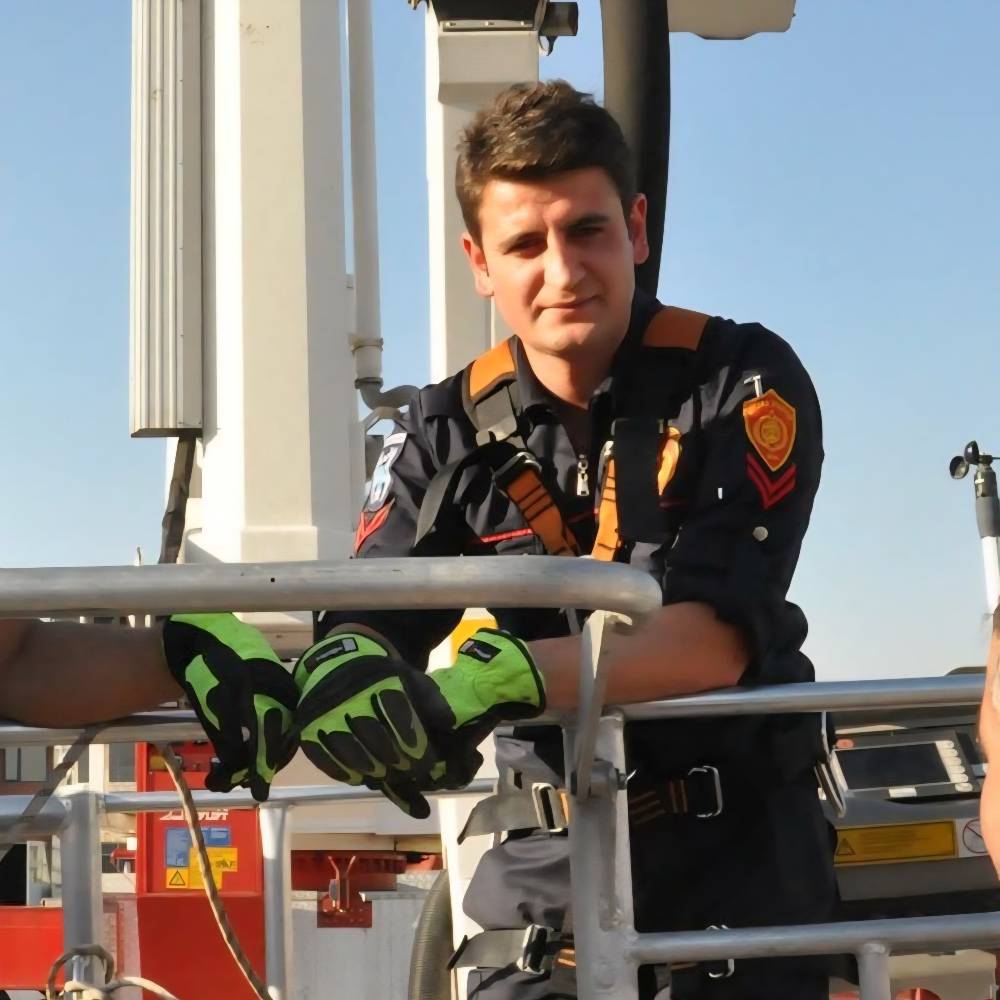
Ertuğrul Öz is a career firefighter serving with the Ankara Metropolitan Municipality Fire Department since 2011, currently holding the rank of Firefighter Sergeant (İtfaiye Çavuşu). He has responded to more than 1,000 structural fire incidents and served across three major earthquake response operations in Turkey, as well as numerous flood and water rescue deployments. He holds an associate degree in Civil Defense and Firefighting from Çankırı Karatekin University (on-campus program) and a bachelor\'s degree in Public Administration from Anadolu University (open education). His certifications include Basic Firefighter, Intermediate Search and Rescue (USAR), Hazmat/CBRN Response, First Aid, and Fire Instructor Levels 1 through 4. He has delivered 50+ firefighter training courses and serves as one of AllFirefighter\'s two editorial leads.
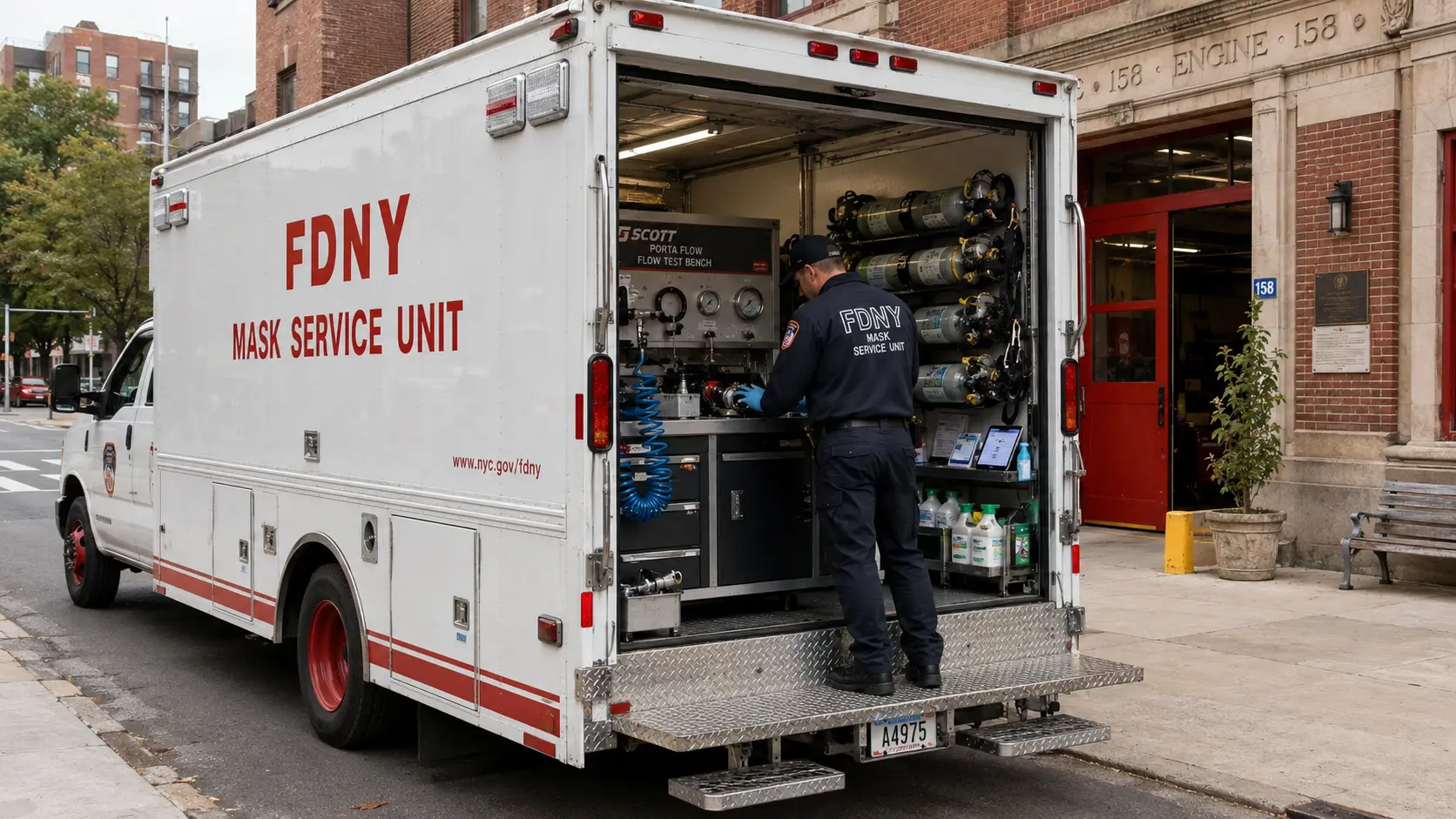
Every SCBA that an FDNY member breathes from inside a burning building has been tested and certified by the Mask Service Unit — a dedicated division whose sole job is maintaining, testing, inspecting, and repairing the department's entire breathing apparatus inventory. With over 11,000 SCBA units in service across 218 firehouses and specialized units, the MSU manages a maintenance operation at a scale that most fire departments never approach. This covers what the MSU does, the testing cycle for each SCBA, the mobile service vehicles, what the MSU finds in routine inspections, and how the unit functions at major incidents where SCBA requirements exceed what apparatus inventory can supply.
Complete U.S. fire academy preparation guide for 2025 candidates: CPAT conditioning, academy fitness, hose and ladder basics, SCBA confidence, written exam preparation, oral board interview practice, gear familiarization, study habits, and a 6-week readiness checklist.
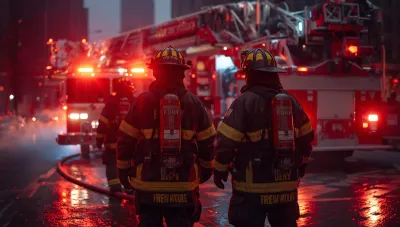
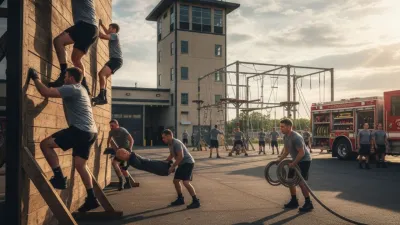
Complete guide to what new recruits should expect in fire academy training: PT, classroom study, hose drills, ladders, SCBA confidence courses, search and rescue, live fire burns, teamwork, discipline, testing, and probationary firefighter readiness.
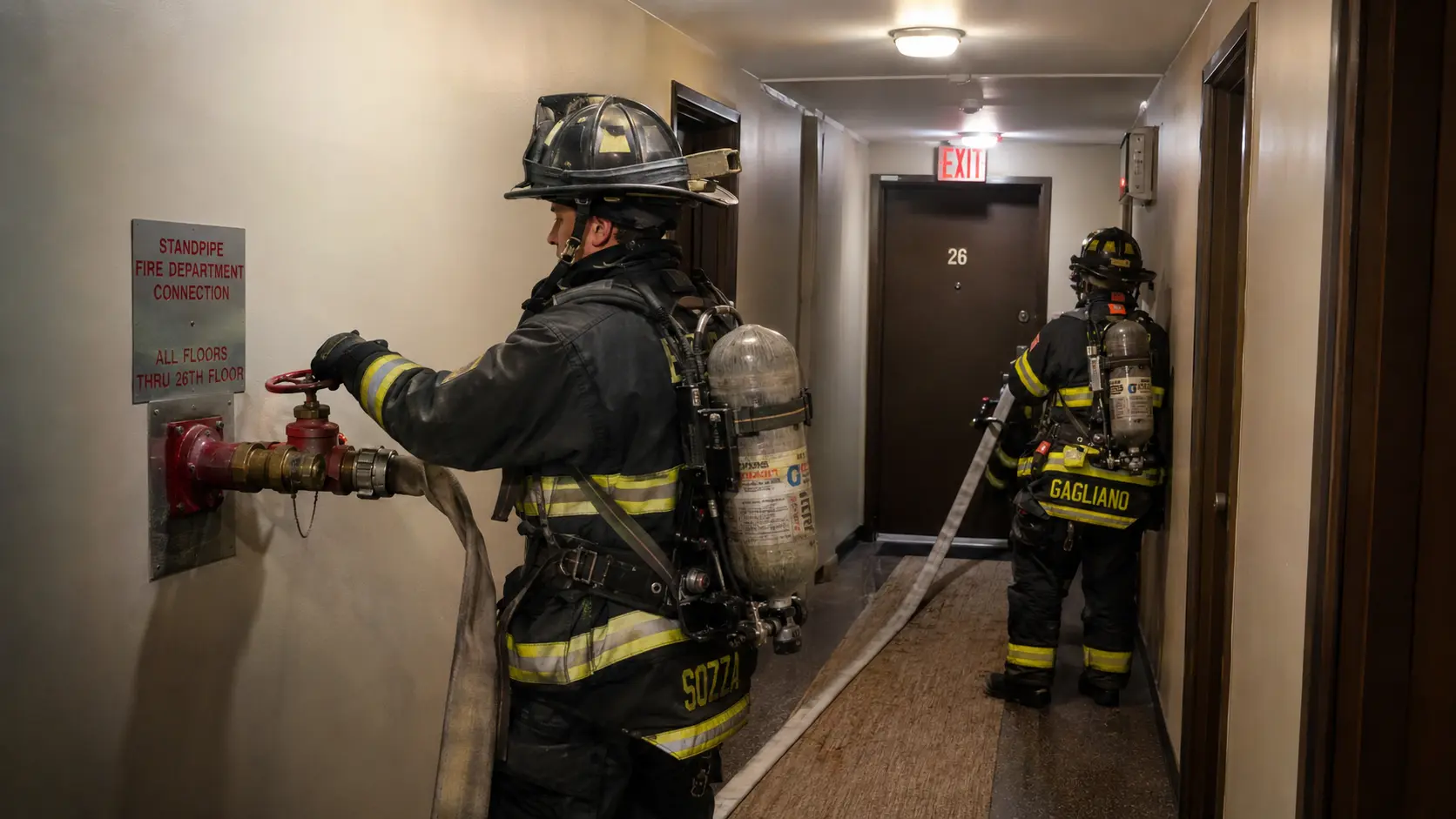
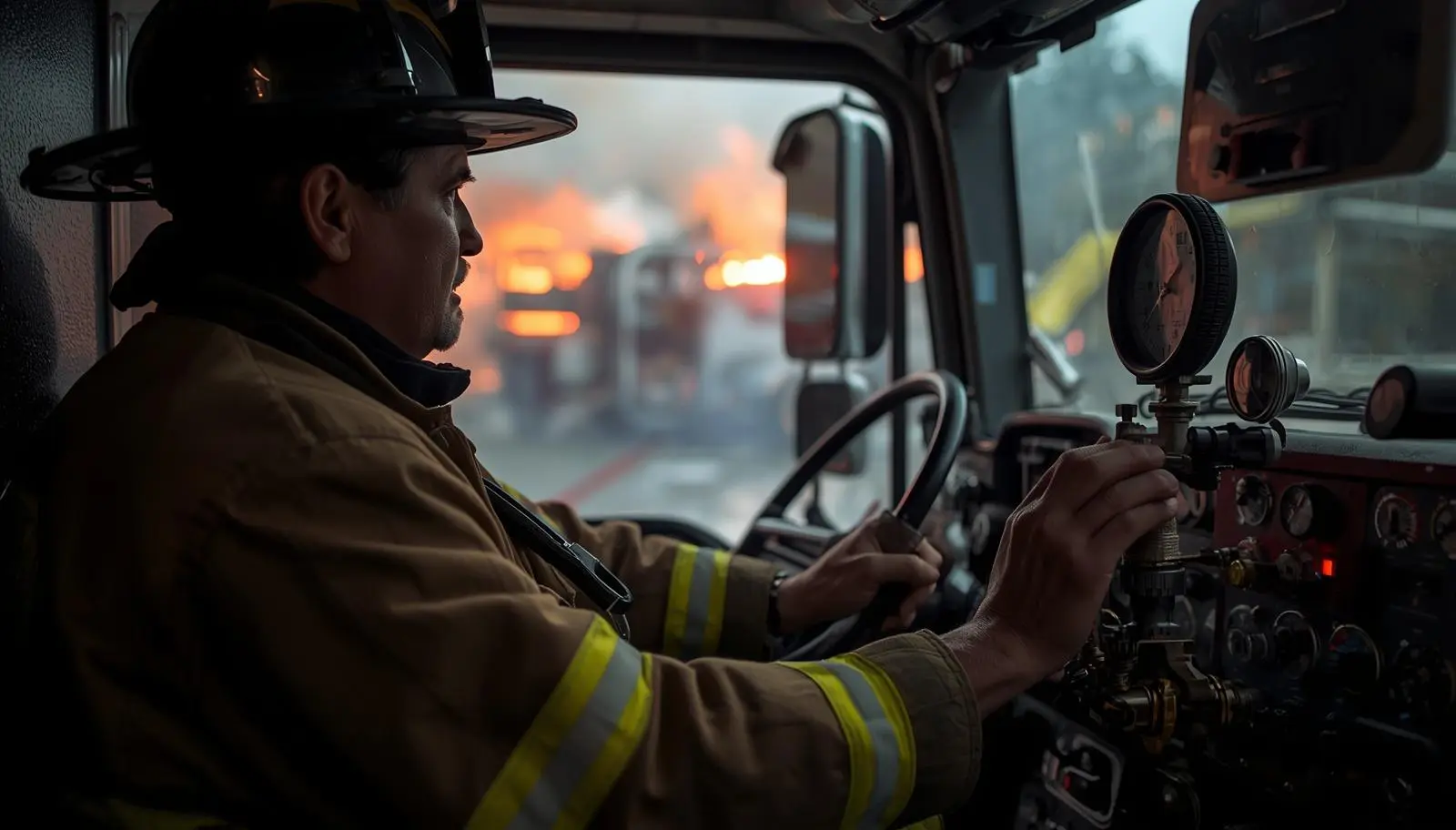
Complete driver/engineer guide: daily apparatus check, apparatus positioning, water supply operations, pump engagement sequence, pressure management, fireground hydraulics formulas, multiple lines, and relay pumping.
A fire door is not just a heavy door. It is a rated assembly — door, frame, closer, intumescent strip, and seals — tested to hold back fire and smoke for a specific time period. A 60-minute fire door gives everyone on the protected side 60 minutes. The same door propped open gives them nothing. This covers fire door ratings, the intumescent strip most people don't know exists, where they are required, how they fail, and why a propped fire door is one of the most common and consequential safety failures in any building.
Fire dynamics guide: heat release rate of synthetic vs natural materials, how modern furnishings changed flashover timelines, ventilation-limited fires, UL and NIST research findings, and tactical implications for firefighters.
A practical guide to fire flow: what “needed fire flow” means, how to estimate demand quickly, and how to turn a number into realistic decisions (attack package, water supply, and pump ops). Includes training scenarios and links to the Fire Flow Calculator and friction-loss tools.
A practical friction loss guide for firefighters: what friction loss is, how to calculate it fast, common coefficient values, worked examples for 1.75" and 2.5", and how to turn the math into real pump decisions (PDP, NP, and appliance loss). Includes a quick cheat sheet and links to training calculators.
Fire hose is not one product — it is a category that includes six distinct types with different constructions, diameters, pressure ratings, and operational purposes. A 1¾-inch attack line and a 5-inch large-diameter supply line are both called 'fire hose' but have almost nothing in common except a circular cross-section. This covers the six hose types, what each is for, the flow and pressure relationship that determines which diameter to use for a given application, hard suction vs. soft suction, hose construction, and the testing and loading practices that keep hose in service.