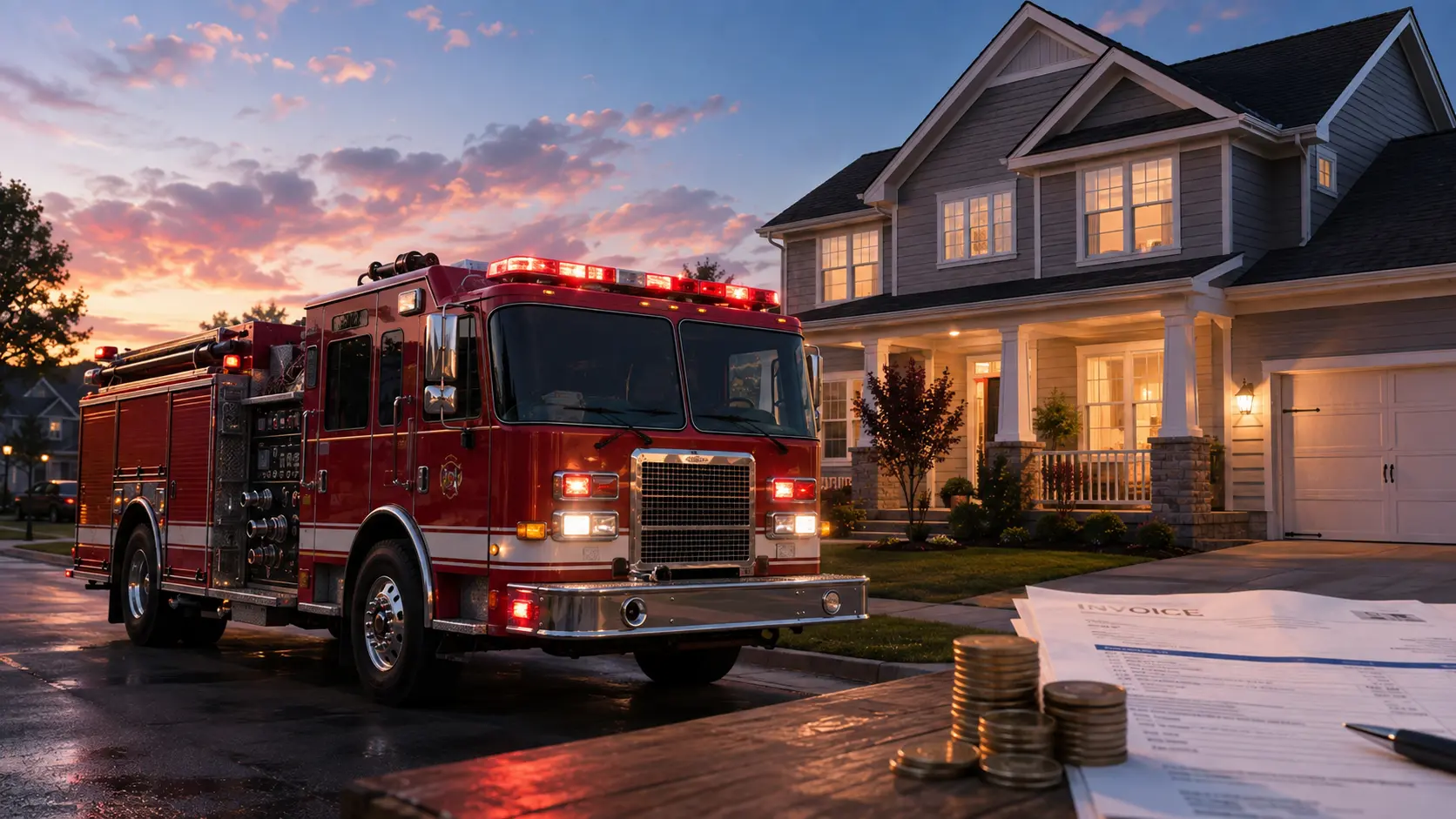

Short answer: In most U.S. cities and towns, calling the fire department for an actual fire, rescue, or hazardous condition is free at the point of service — it's already paid for through property and sales taxes. The exceptions are ambulance transport (almost always billed separately), false alarms in many cities, and homes in certain unincorporated rural areas that rely on subscription-based fire protection.
If you've ever wondered "do I have to pay if the fire department comes to my house?" or seen a story about a rural homeowner getting billed — or worse, refused service — for not paying a fire fee, you're not alone. It's one of the most searched questions about fire department services in the U.S., and the honest answer is: it depends on where you live and what kind of call it is. This guide breaks down exactly when firefighting is free, when you'll get a bill, and what to do about it.
In this article:
- How fire departments are actually funded
- What's free vs. what gets billed
- Why ambulance service is different
- Rural "subscription" and "pay-for-spray" fire fees
- False alarms and non-emergency calls
- Does homeowners insurance cover fire department fees?
- How to check your own area's rules
- Frequently asked questions
How Fire Departments Are Actually Funded
Most Americans live inside a city, township, or fire protection district that funds its fire department through property taxes, sales taxes, or a dedicated fire district levy. That funding pays for stations, apparatus, salaries (or stipends for volunteers), training, and equipment before a single call ever comes in. Because the department is already paid for, there's no separate invoice waiting for you when the trucks roll — your response is covered the same way a police patrol or a plowed street is covered.
This is true whether the department is career (fully paid staff), combination (paid plus volunteer), or all-volunteer. Volunteer firefighters aren't charging you by the hour; their department's budget, not your wallet, covers fuel, water, and wear on the trucks.
What's Free vs. What Gets Billed
| Type of call | Typically free? | Notes |
|---|---|---|
| Structure fire response | Yes, in most cities | Funded by taxes; no per-call invoice for extinguishing a house or building fire |
| Rescue / lock-in / smoke smell check | Yes, in most cities | Treated the same as a fire call in most jurisdictions |
| Ambulance transport to a hospital | No, usually billed | Billed to insurance/Medicare/patient, often $600–$2,000+ depending on ALS/BLS level and mileage |
| Medical evaluation, no transport | Varies | Some cities charge a flat "no-transport" evaluation fee even if you aren't taken to a hospital |
| False alarm | Often billed after repeat offenses | Many cities allow a few free false alarms per year, then charge a fee |
| Rural, subscription-based fire district | No, unless you're a subscriber | Homes outside city limits without an annual fee paid may be billed heavily, or in rare cases refused structural protection |
Why Ambulance Service Is Different
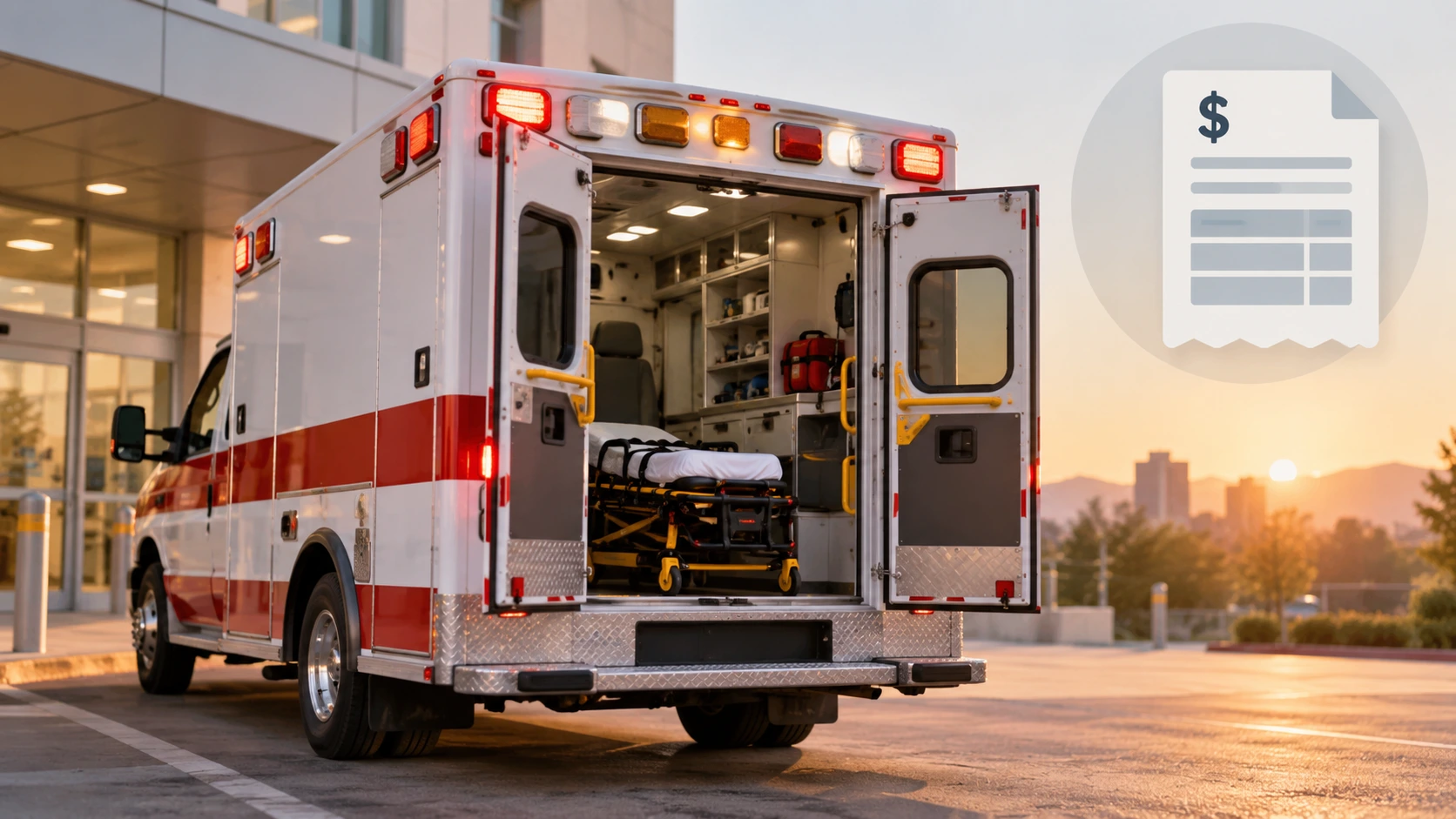
The most common way people end up with an unexpected bill from their fire department isn't a fire at all — it's EMS. In many U.S. cities, the fire department also runs the ambulance service, and while fire suppression is tax-funded, ambulance transport is billed like any other medical service. The fee typically depends on the level of care (Basic Life Support vs. Advanced Life Support) and the distance driven, with mileage charged per mile on top of a base rate. Insurance, Medicare, or Medicaid usually covers most of it, but you can still owe a co-pay, deductible, or the remaining balance.
Some departments also charge a smaller flat fee if paramedics evaluate and treat you on scene but you choose not to be transported. This is worth knowing before you call an ambulance for a minor issue you plan to drive yourself to urgent care instead.
Rural "Subscription" and "Pay-for-Spray" Fire Fees
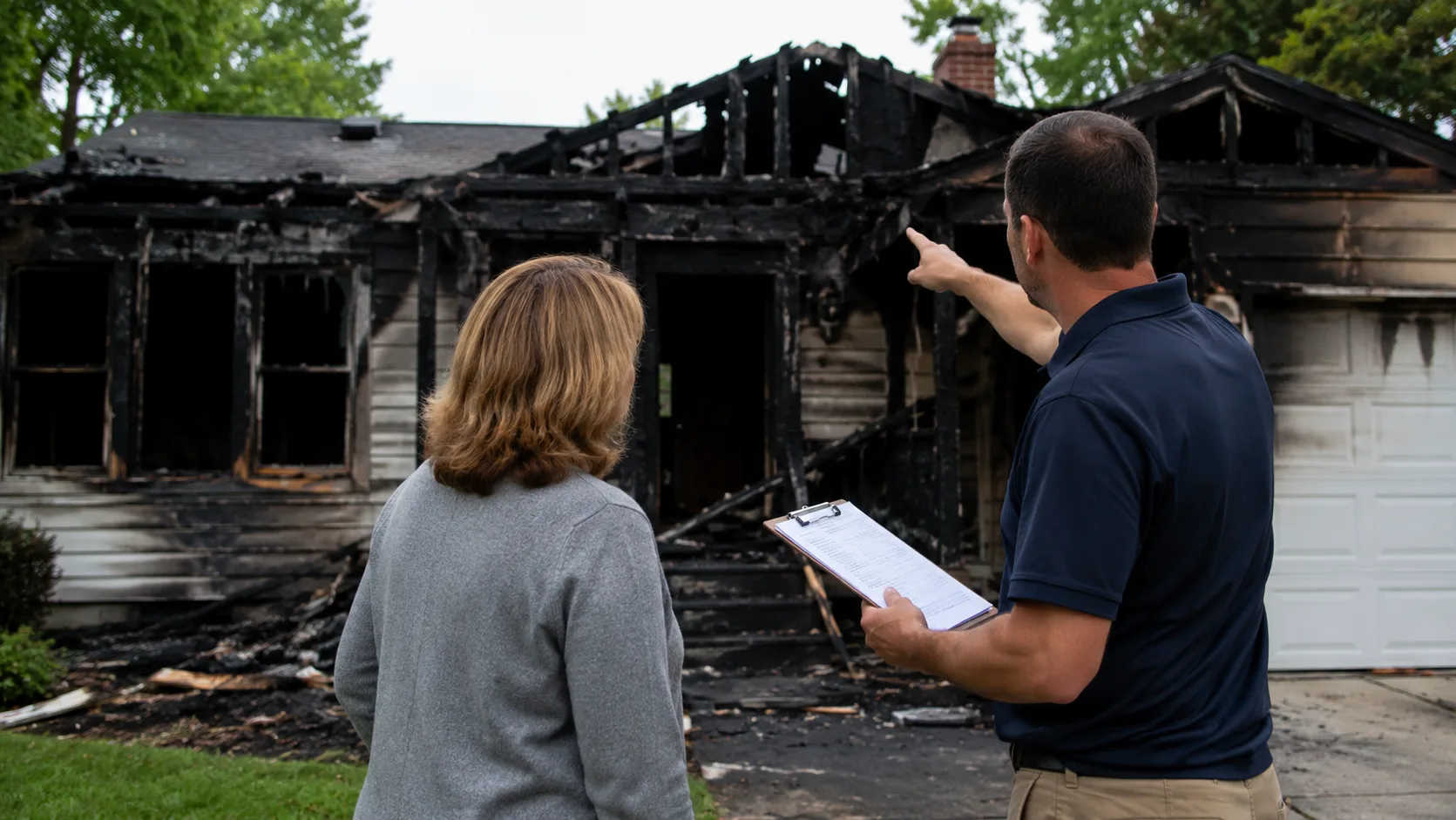
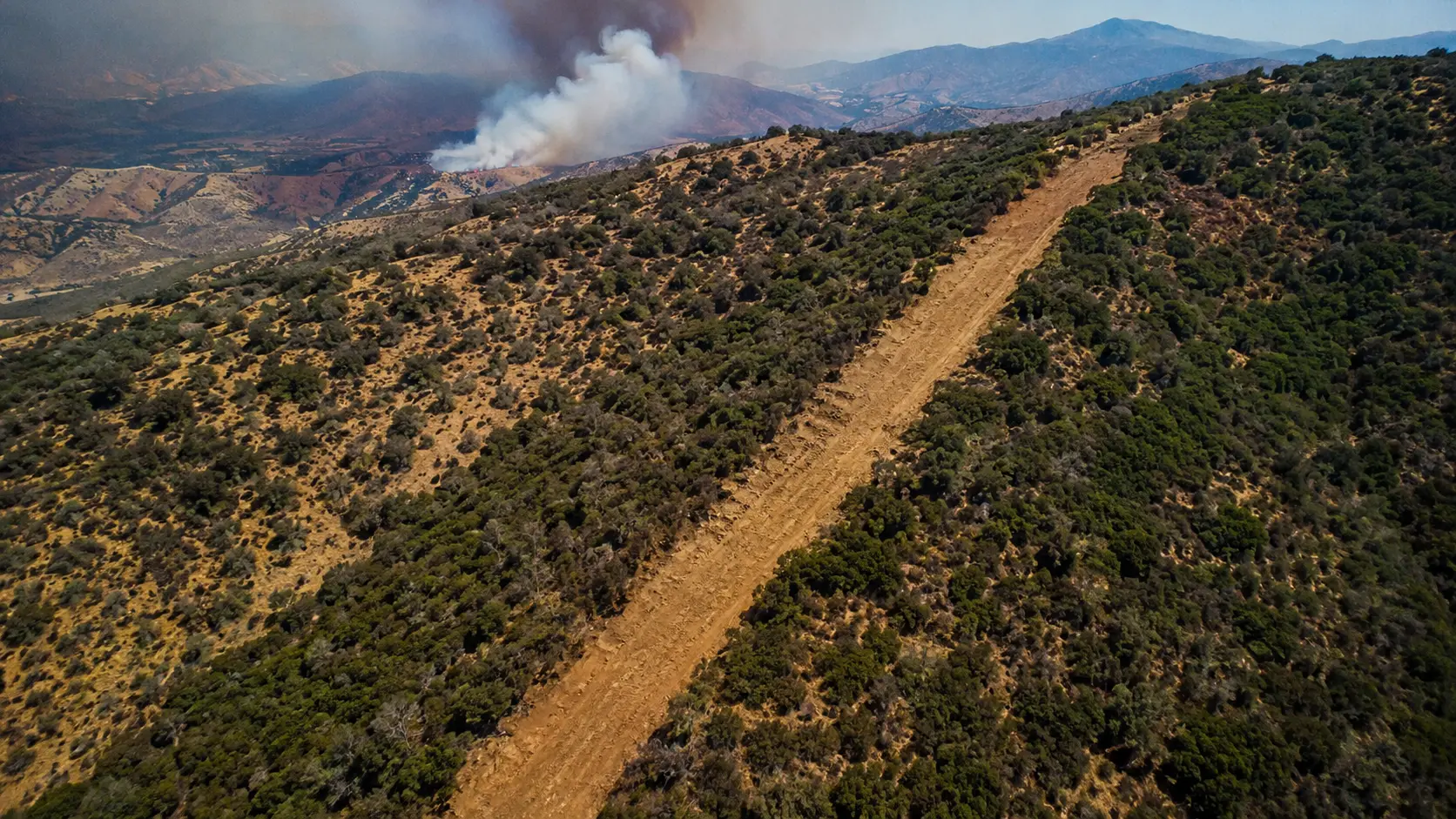
Not every property in the U.S. sits inside a taxed fire district. In some rural and unincorporated areas, particularly in parts of the South and Midwest, fire protection is offered on a subscription basis — homeowners pay a modest annual fee (often well under $200) directly to a nearby department for coverage. This model became national news after a widely publicized 2010 case in Tennessee, where a homeowner who hadn't paid the annual fee had his house burn down while firefighters, present only to protect a neighbor's paid property, did not intervene.
Why this still happens: Officials in these districts have argued that allowing people to pay the fee "on the spot" during an active fire would mean nobody pays until their house is already burning, undermining the entire funding model. It's a genuine dilemma with no fully satisfying answer, and it's a big reason this topic still generates strong search interest and debate.
If you live outside official city limits, it's worth confirming directly with your local fire district whether you're automatically covered by taxes or need to opt in to a subscription — don't assume either way.
False Alarms and Non-Emergency Calls
Plenty of cities allow homeowners and businesses a set number of "free" false alarms per year before charging a fee for each additional one — a policy meant to discourage poorly maintained alarm systems from tying up emergency crews. Similarly, calling for a non-emergency "invalid assist" (like helping someone who has fallen but isn't injured) can sometimes trigger a service fee in cities that draw a hard line between genuine emergencies and convenience calls.
- ✓Real fire, smoke, or life-safety emergency — always call, regardless of cost concerns. Getting help outweighs any potential bill.
- ✓Test and maintain smoke/CO alarms to reduce accidental false-alarm dispatches that could eventually carry a fee.
- ✗Don't assume every call is billed the same way as an ambulance transport — most fire suppression calls are not.
Does Homeowners Insurance Cover Fire Department Fees?
Many standard homeowners insurance policies include a small line item often called "fire department service charge" coverage, typically a few hundred to a couple thousand dollars. It's designed to reimburse you if your local fire department bills you for responding to protect your property — most common in rural subscription-fee areas or for departments outside your normal coverage area that respond under mutual aid. It generally does not cover ambulance transport bills, which fall under health insurance instead.
How to Check Your Own Area's Rules
- ✓Search "[your city/county] fire department FAQ" — most municipal departments publish a plain-language page answering exactly this question.
- ✓Call your local fire district's non-emergency line and ask directly whether you're inside a taxed protection area or need a subscription.
- ✓Check your homeowners insurance declarations page for "fire department service charge" coverage and its limit.
- ✓If you're rural, confirm with your county whether fire protection is automatic or fee-based before you need it, not after.
Frequently Asked Questions
Is calling the fire department free?
In most U.S. cities and towns, yes — fire suppression and rescue calls are funded by taxes and there's no bill for the response itself. Ambulance transport is the main exception and is usually billed separately.
Do you have to pay for the fire department to come to your house?
Usually not, if you live inside a city or taxed fire district. In some rural, unincorporated areas that rely on a subscription-based model, you may need to have paid an annual fee in advance to receive structural fire protection.
Does the fire department charge for false alarms?
Many cities allow a limited number of false alarms per year before charging a fee for repeat occurrences, as an incentive to properly maintain alarm systems.
Why did I get a bill after the fire department came?
The most common reason is ambulance transport, which is billed separately from fire suppression. Other possibilities include a false-alarm fee, a non-emergency "invalid assist" fee, or living in an area with subscription-based fire protection.
Does homeowners insurance cover fire department bills?
Many policies include limited "fire department service charge" coverage for exactly this situation, though it typically doesn't cover ambulance transport bills, which fall under health insurance.
Will the fire department refuse to help if I haven't paid a fee?
This has happened in a small number of rural, subscription-based districts outside city limits, and it became national news after a well-publicized 2010 case in Tennessee. It is not how the vast majority of tax-funded fire departments operate.
Bottom line: Don't let cost concerns stop you from calling 911 for a real fire or life-threatening emergency. The overwhelming majority of Americans already pay for that response through taxes — the only bill you're likely to see afterward is for ambulance transport, not for putting out the fire.


Comments 0
No comments yet. Be the first to share your thoughts!
Leave a Comment