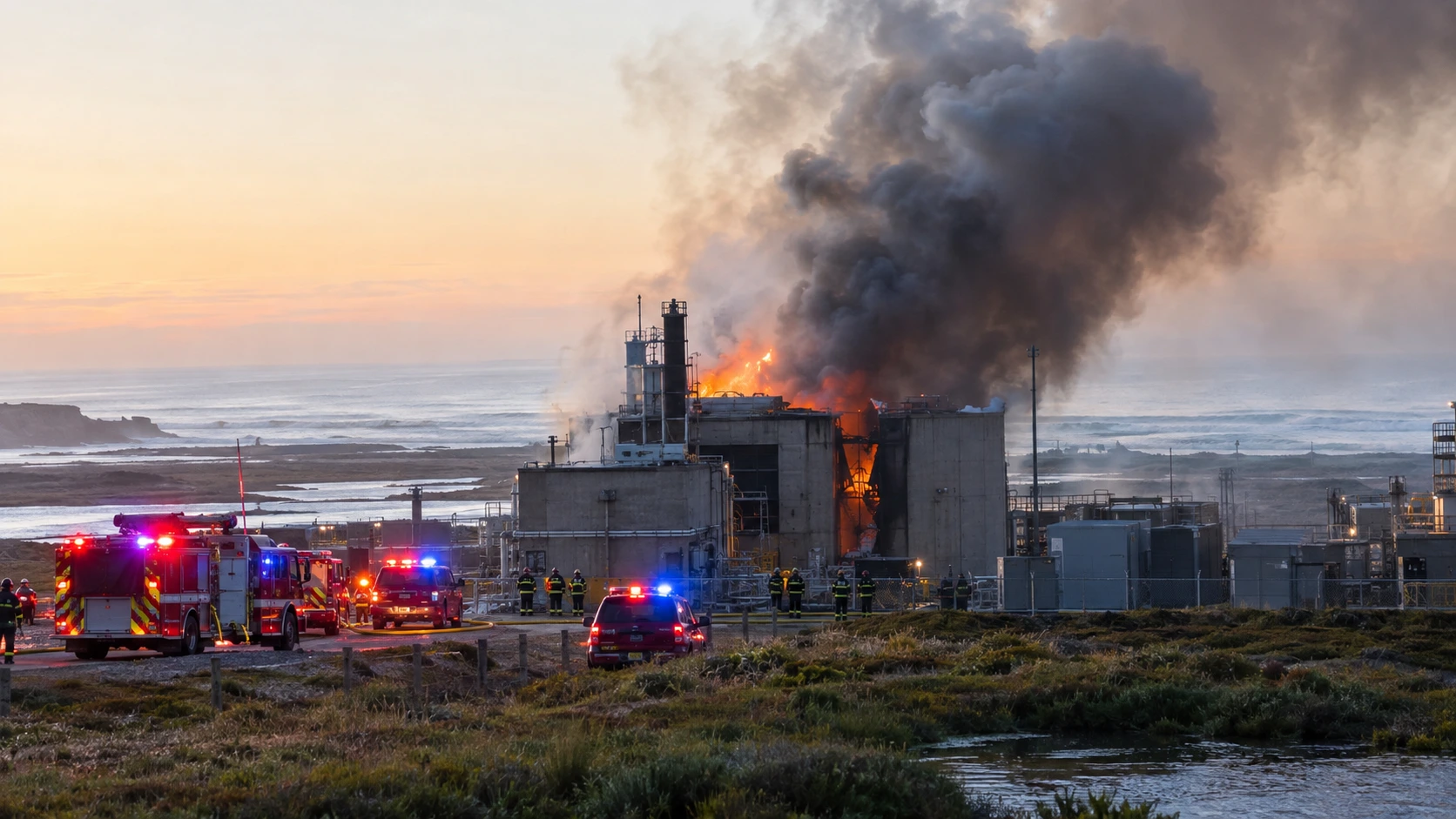

Latest: Friday afternoon, September 18: Crews remain on scene at the Moss Landing Power Plant after a fire was reported along the north wall of the Moss 300 building shortly after 6 a.m. Vistra personnel first spotted the flare-up around 6 a.m., and the North County Fire Protection District arrived to find smoke and fire on the north side of the facility. Monterey County officials say the fire is burning in a section of the building already damaged by the January 2025 blaze and involves batteries that were harmed but not yet removed during the ongoing cleanup. County officials expect it to burn itself out over roughly the next 24 hours. No injuries have been reported, and the on-site natural gas plant has been shut down as a precaution. A shelter-in-place order remains in effect for the area closest to the plant.
This is the same Highway 1 site — a former PG&E power plant now split between Vistra's lithium-ion battery storage system and a smaller PG&E battery facility — where a fire in the Moss 300 building in January 2025 became one of the largest battery energy storage incidents in the country. Friday's fire is contained to that same, already-damaged section of the building rather than spreading into undamaged parts of the site, according to county and company statements.
In this article:
What Happened This Morning
Vistra personnel identified a flare-up along the north wall of the Moss 300 building at around 6 a.m. Friday. The North County Fire Protection District responded and, on arrival, found smoke and fire coming from the north side of the facility. Crews focused on evacuating and accounting for plant personnel first, then worked to stabilize the incident. The fire is burning in batteries that were already damaged during the January 2025 fire and were awaiting removal as part of the site's ongoing cleanup, which Vistra has said it expects to finish clearing intact batteries from later this year.
Shelter-in-Place and Road Closures
Shortly after crews arrived, the Monterey County Sheriff's Office issued a shelter-in-place order covering the area within a third of a mile of 7301 Highway 1 — the plant's address. The Monterey County Department of Emergency Management identified the affected zones as MRY-B047, MRY-B050, and MRY-B053. Unlike the January 2025 fire, this order is a shelter-in-place rather than a full evacuation, reflecting both the smaller scale of the flare-up and the fact that it is confined to a section of the building that had already burned.
- ✓Shelter-in-place: Zones MRY-B047, MRY-B050, and MRY-B053, within about a third of a mile of the plant. Residents are asked to close windows and doors, shut off air systems, and stay inside.
- ✓Road closure: The California Highway Patrol has a hard closure on Dolan Road between Highway 1 and Via Tanques Road. Highway 1 itself remains open.
- ✓Natural gas plant: The separate natural gas plant on the same site has been temporarily shut down as a precaution; officials say it is not involved in the fire.
- ✓Air quality: Monitors are active along the plant's perimeter and in the surrounding community; officials had not reported elevated readings as of Friday afternoon.
Monterey County Supervisor Glenn Church said the county had been warned that the ongoing cleanup at the site carried some risk of another fire, calling the incident a reminder of how volatile damaged lithium batteries can remain even months after the fact. Rep. Jimmy Panetta said he is in contact with firefighters, first responders, the battery facility, and EPA officials on the ground as the situation develops.
A Site With a History of Battery Fires
The Moss Landing site has drawn national attention before. Friday's fire is the third incident tied to the Moss 300 building in less than two years, and comes as the surrounding community is still dealing with the fallout — including a lawsuit against Vistra brought by residents — from the original blaze.
| Date | Incident | Outcome |
|---|---|---|
| Jan. 16, 2025 | Major fire in the Moss 300 building; internal fire suppression system failed to stop it. | About 1,200–1,500 residents evacuated for roughly 24 hours; no injuries; around 55% of the building's batteries damaged. |
| Feb. 18, 2025 | Smoldering batteries in the already-burned section reignited, producing light smoke. | Overnight close-windows advisory for nearby residents; no evacuation; fire allowed to burn out. |
| Sept. 18, 2026 | New flare-up along the north wall of the same building, in batteries still awaiting removal. | Shelter-in-place for nearby zones; no injuries; expected to burn out within about 24 hours. |
Since the 2025 fire, the EPA has been on site assisting with the removal and disposal of the roughly 100,000 lithium-ion batteries that were housed in the building, working alongside a private firefighting contractor Vistra committed to keeping on standby specifically because of the ongoing risk. That removal process, and today's flare-up, are a direct consequence of just how long damaged lithium-ion cells can remain capable of reigniting.
Why Lithium Battery Fires Like This Are Hard to Fight
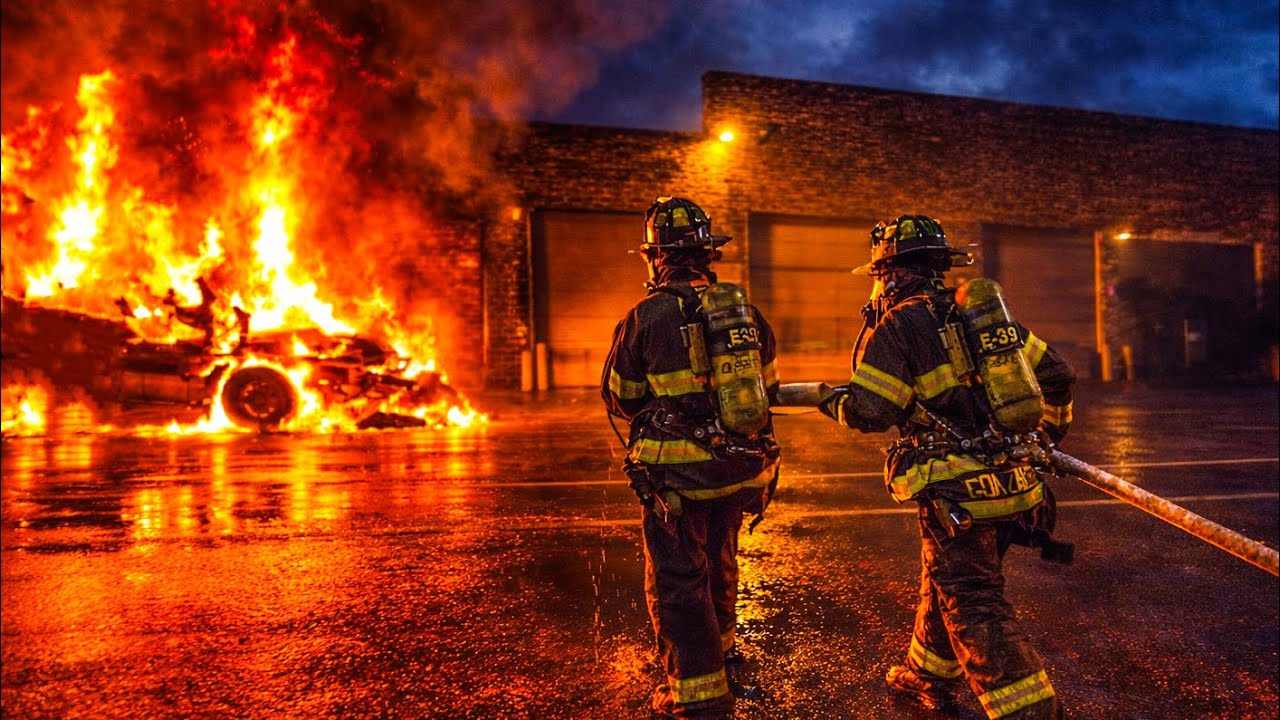
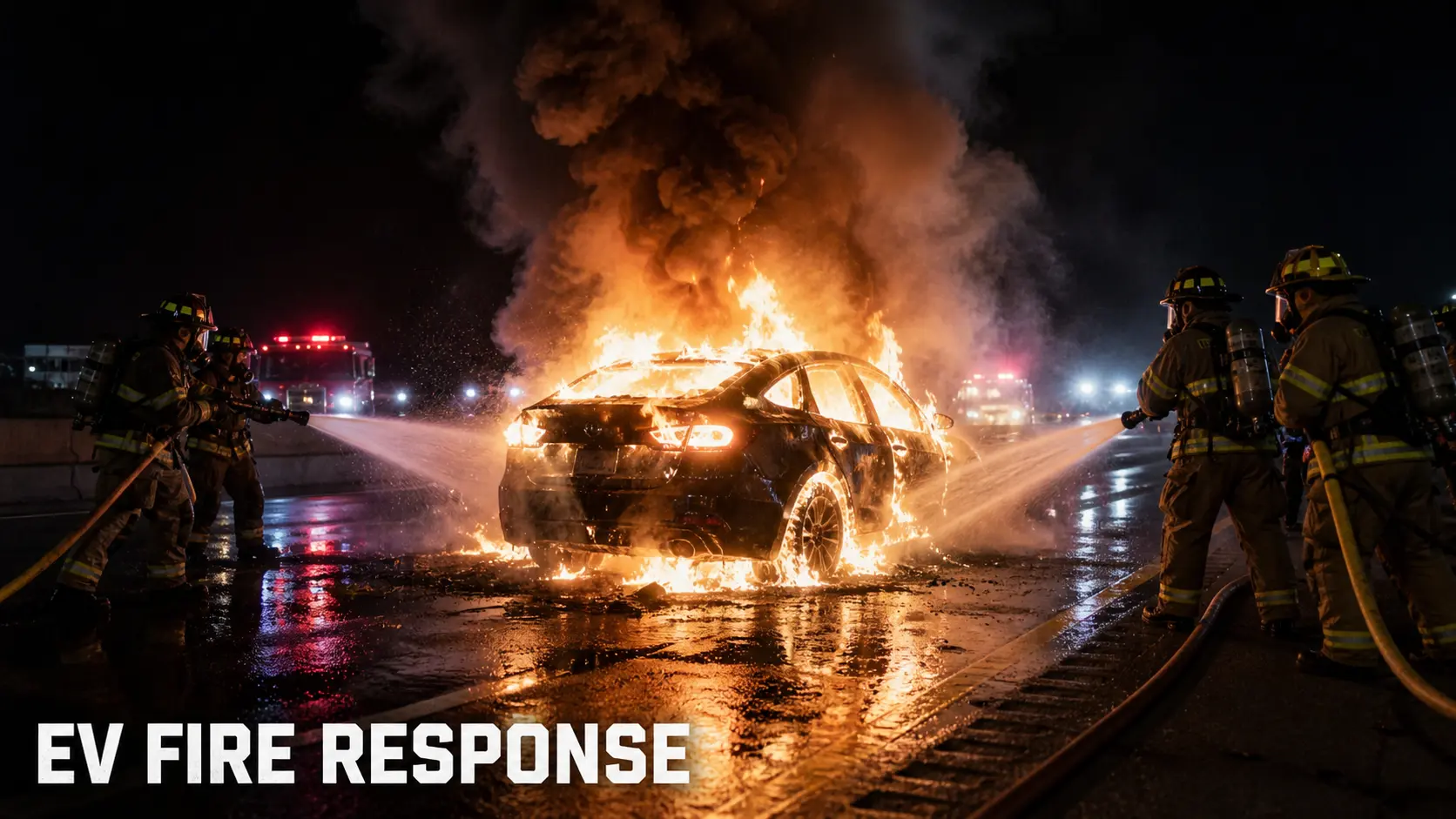
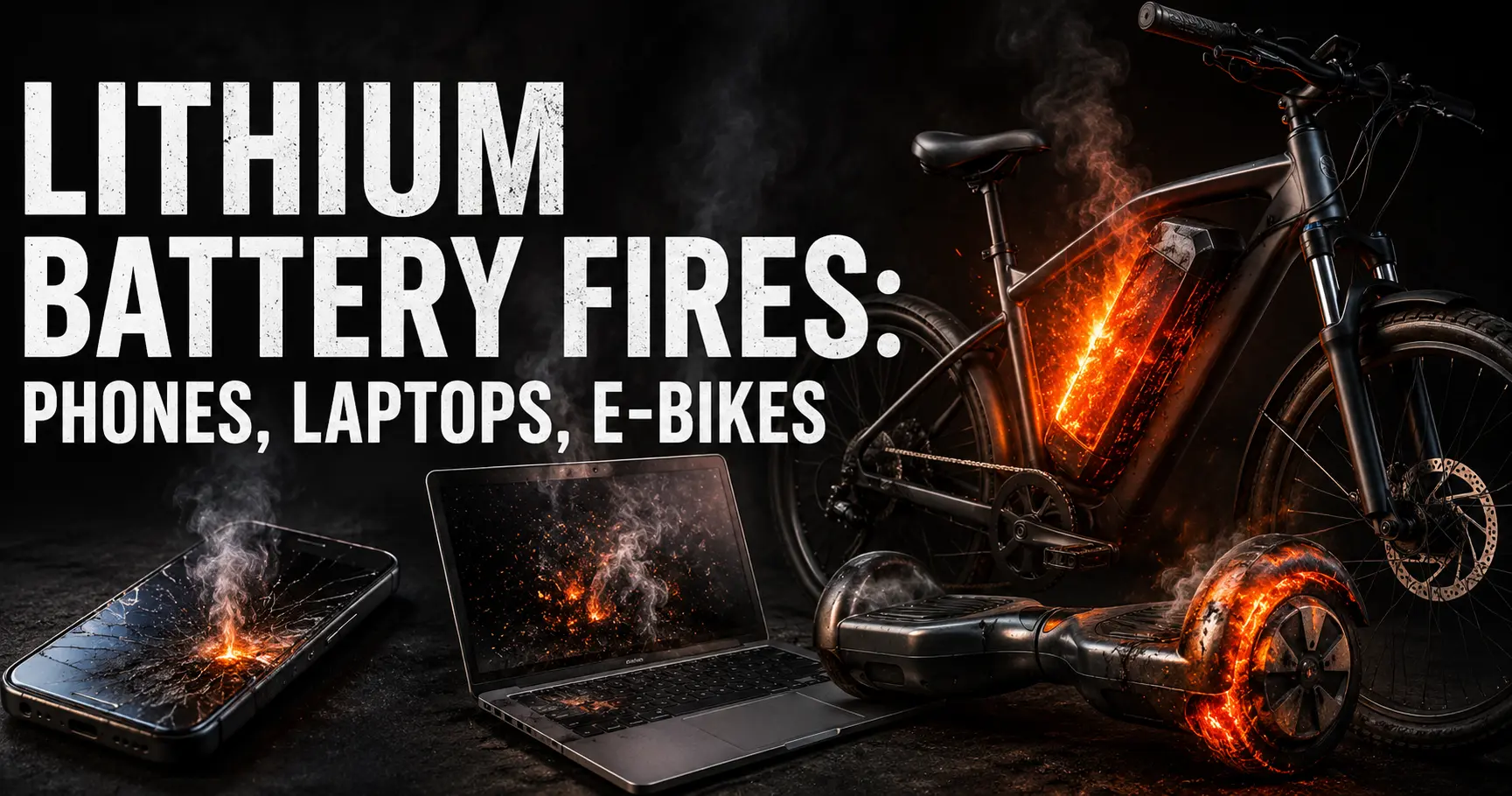
For firefighters, incidents like Moss Landing follow a different playbook than a typical structure fire. Lithium-ion cells that have been physically damaged can enter thermal runaway — an internal chemical reaction that generates its own heat and oxygen, feeding the fire from the inside regardless of what's applied from the outside. Water can help cool undamaged, adjacent cells and slow the spread from one module to the next, but it does very little against a cell that is already in runaway, and large volumes of runoff water can themselves become a hazardous-materials problem given what they pick up from the batteries.
That's why the standard approach at large battery energy storage system (BESS) fires — including both the 2025 and 2026 Moss Landing incidents — is largely defensive: evacuate or shelter the surrounding area, isolate the structure, monitor air quality for hydrogen fluoride and particulate matter, and let the fire burn itself out inside a containment structure built to limit spread rather than attempting direct extinguishment. It's a strategy that trades a longer, smokier incident for a much lower risk to responders, but it also means these fires can smolder, flare, and reignite for days or weeks after the initial event — exactly what has happened at this site twice already since the original blaze.
What Happens Next
Monterey County officials expect the fire to burn itself out over roughly the next 24 hours, consistent with how the site's earlier incidents played out. Fire crews and Vistra personnel will continue monitoring the structure and surrounding air quality in the meantime, and the shelter-in-place order will likely stay in place until officials are confident the flare-up has fully died down. Longer term, the incident is likely to add pressure on Vistra and county regulators over how much longer the battery removal and cleanup process at the site will take, and how it's being managed while ongoing.
Where to Get Live Updates
- Monterey County Office of Emergency Services (readymontereycounty.org) — official alerts, zone maps, and shelter-in-place status.
- AlertMRY.org — address-level zone map for MRY-B047, MRY-B050, and MRY-B053.
- Moss Landing Response (mosslandingresponse.com) — Vistra's own incident updates and air-monitoring data.
- Monterey Bay Air Resources District — current regional air quality readings.
This is a developing story. We'll update this article as Monterey County, North County Fire Protection District, and Vistra release further information.

Comments 0
No comments yet. Be the first to share your thoughts!
Leave a Comment