Sleep Disorders in Firefighters: The Hidden Crisis Behind Every Shift
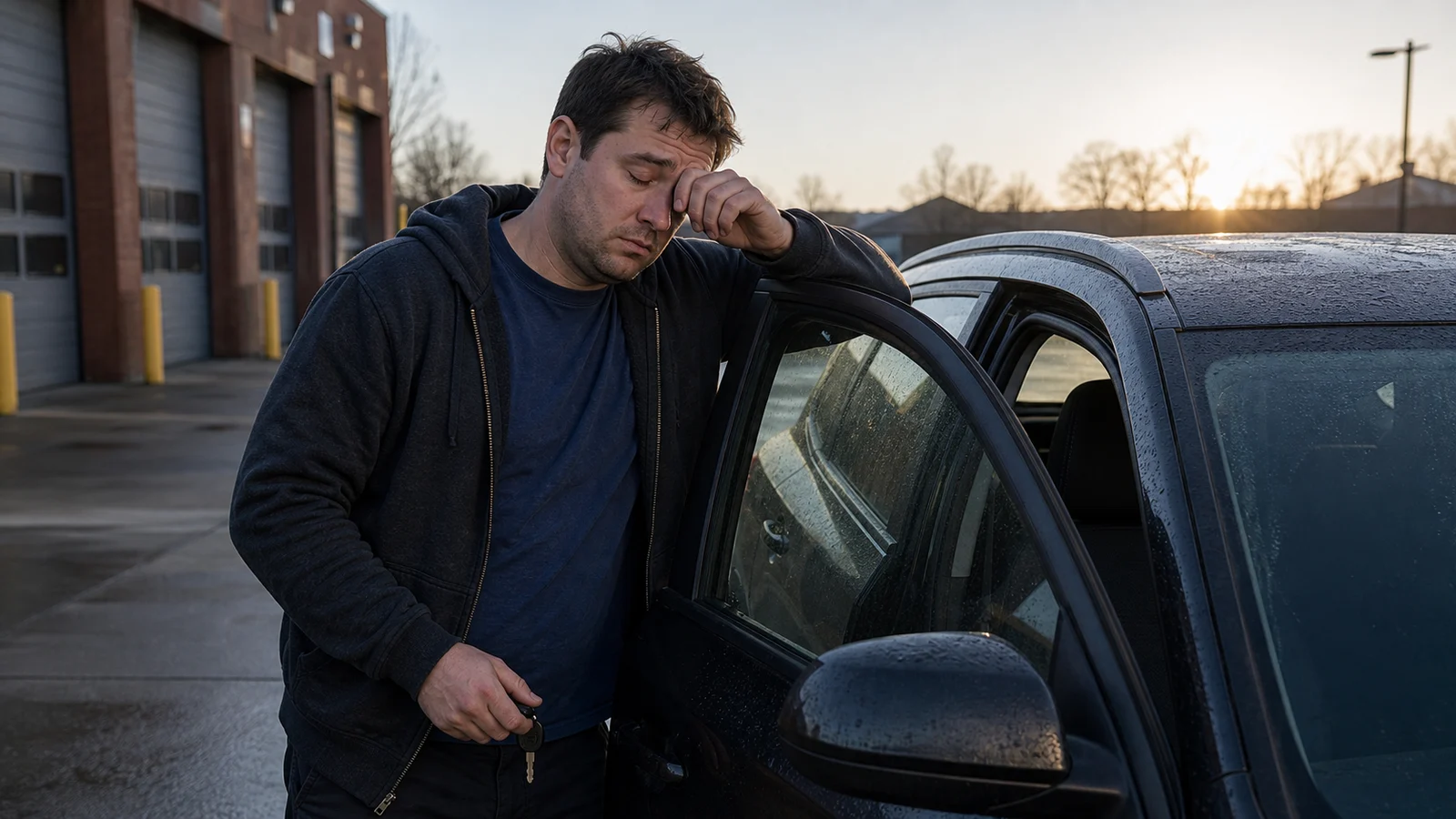
A firefighter who responds to three overnight calls during a 24-hour shift might get four total hours of fragmented, low-quality sleep. They then drive home on public roads, take care of their family, and — if they are on a 24/48 schedule — do it all again in two days. This is not an occasional occurrence. It is the routine reality of a career in the fire service, repeated hundreds of times over a 25-year career.
Sleep science has advanced dramatically in the past two decades, and what research reveals about the fire service is alarming. A landmark Harvard study of over 7,000 firefighters found that nearly 37% screened positive for at least one sleep disorder — compared to approximately 20% in the general population. Sleep apnea, insomnia, shift work disorder, and restless leg syndrome all appear at elevated rates. And the downstream consequences are not limited to fatigue: they include cardiovascular disease, metabolic disorders, impaired decision-making, increased injury risk, and significantly elevated rates of depression and PTSD.
The fire service has historically treated sleep deprivation as an occupational rite of passage — a toughness badge rather than a health hazard. This guide is about why that attitude is killing firefighters, what the specific mechanisms of sleep disorder in the fire service look like, and what evidence-based interventions can realistically help.
Jump to:Why firefighter sleep is different · Sleep apnea in firefighters · Shift work sleep disorder · Insomnia and hyperarousal · Health consequences · Cognitive and operational impact · Evidence-based solutions · Making the station sleep-friendlier · FAQ
Why Firefighter Sleep Is Fundamentally Different
Understanding why firefighters are so vulnerable to sleep disorders requires understanding what healthy sleep looks like — and what the fire service does to it.
Normal adult sleep cycles through four stages: three stages of non-REM sleep (progressing from light to deep) and one stage of REM (rapid eye movement) sleep. A complete cycle takes approximately 90 minutes. Deep sleep (slow-wave sleep, stages N3) is concentrated in the first half of the night and is when most physical restoration, immune function, and cardiovascular recovery occur. REM sleep is concentrated in the second half of the night and is critical for memory consolidation, emotional processing, and mental health.
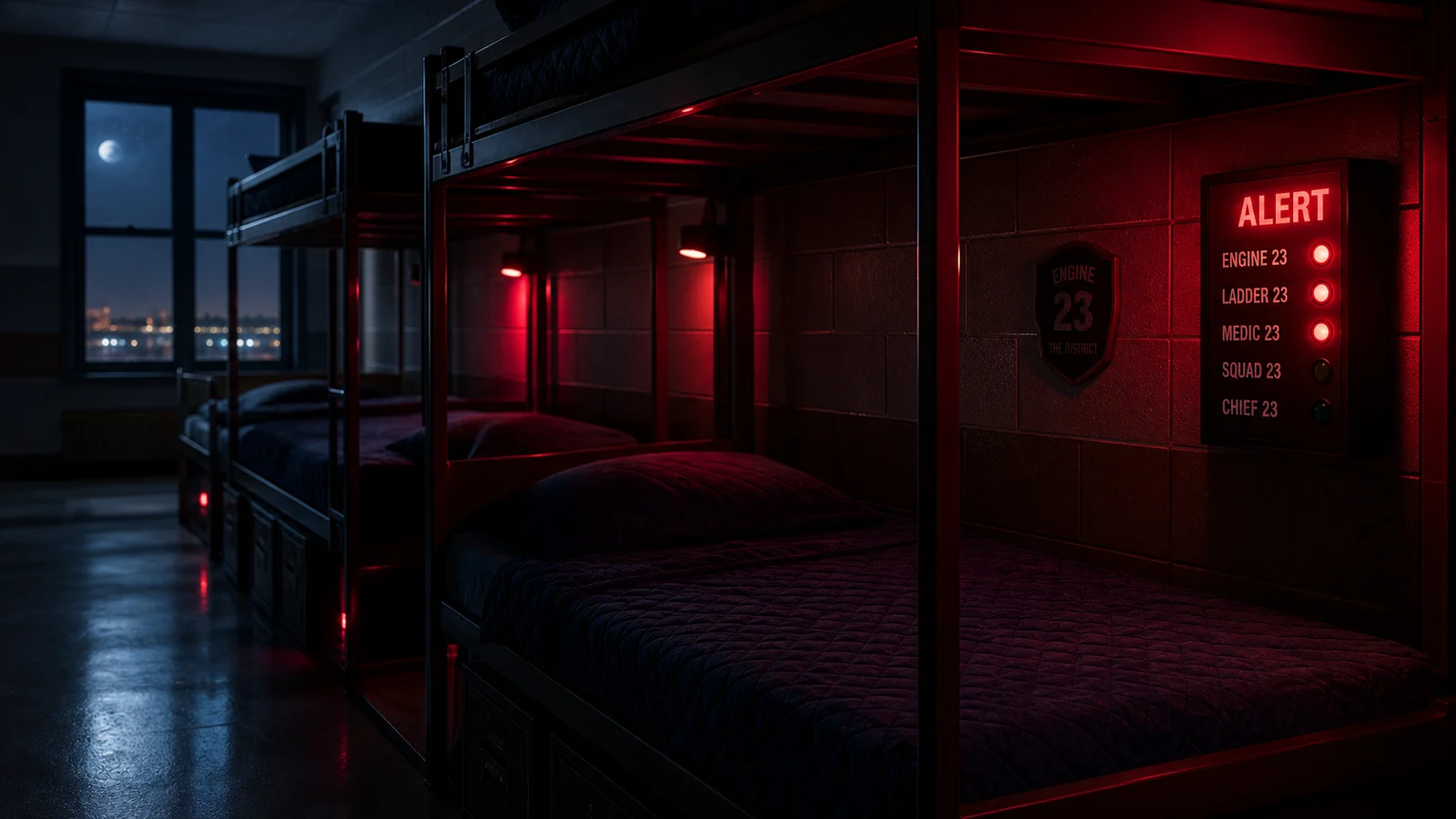
Firefighter shift work disrupts this architecture in every way simultaneously. An alert tone at 2 a.m. pulls a firefighter from deep sleep into maximum physiological arousal within seconds — cortisol and adrenaline spike, heart rate doubles, and the crew responds to a working structure fire. After the call, returning to sleep requires transitioning back from a state of maximal sympathetic activation to the parasympathetic state that sleep requires. For many firefighters, this transition takes 30 minutes to an hour — if it happens at all before the next alert tone. The deep sleep and REM sleep that should have accumulated in the second half of the night simply do not happen.
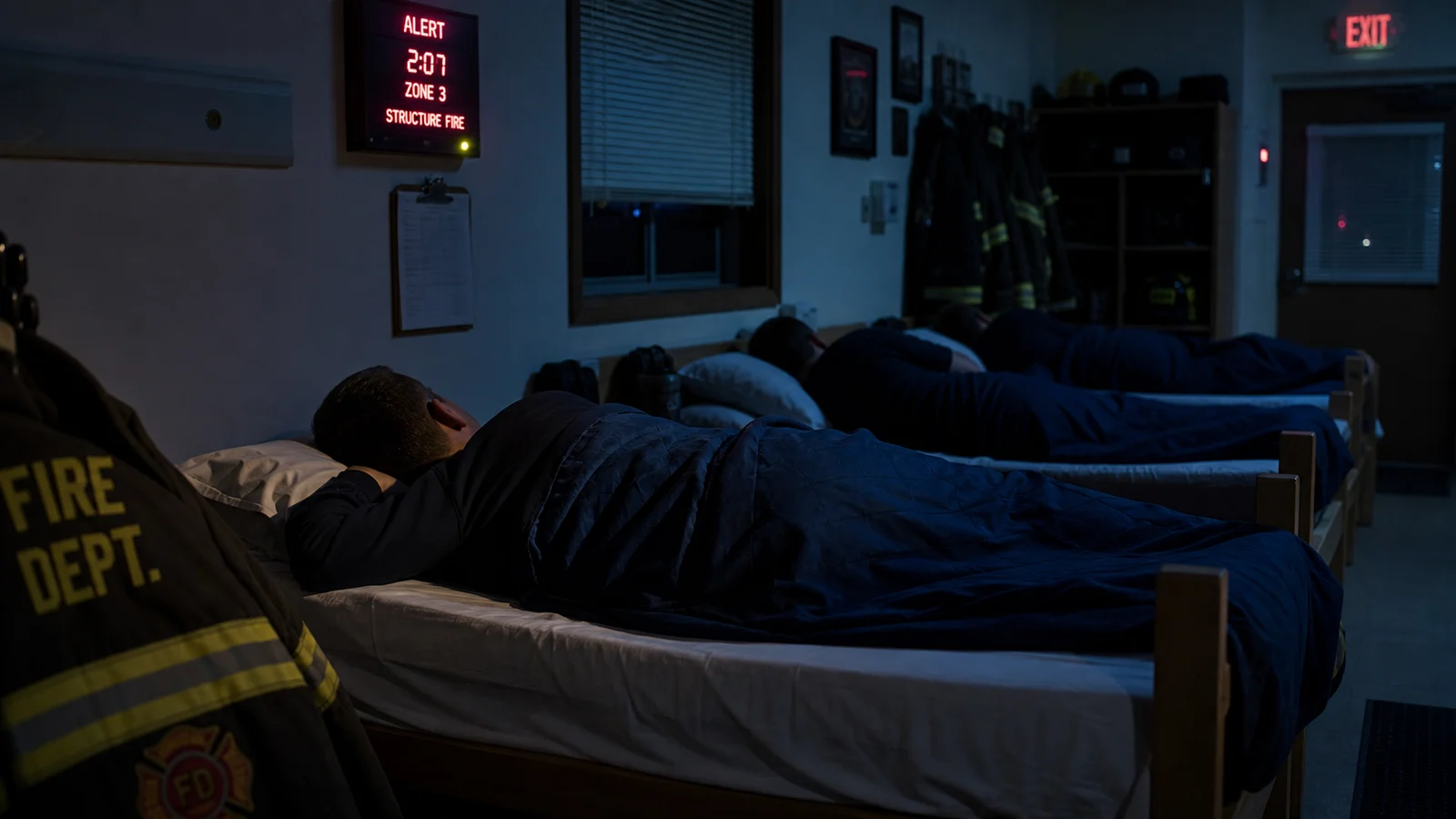
The firefighter who responds to three overnight calls is not just tired the next morning. They have suffered measurable deficits in immune function, glucose regulation, cardiovascular repair, and emotional processing that do not fully recover with one good night's sleep afterward. Chronic sleep deprivation accumulates a physiological debt that becomes harder to repay over years of service.
Sleep Apnea: The Most Common and Most Dangerous Disorder
Obstructive sleep apnea (OSA) occurs when the upper airway collapses repeatedly during sleep, causing the person to stop breathing for 10 seconds to over a minute, often dozens or hundreds of times per night. Each apnea event triggers a micro-arousal that fragments sleep architecture without the person typically remembering it. The result is profound non-restorative sleep — eight hours in bed that feel like four — combined with chronic overnight oxygen desaturation that stresses the cardiovascular system throughout the night.
The Harvard firefighter study found that sleep apnea prevalence among firefighters was approximately 2–3 times the general population rate. Several factors converge to explain this elevated prevalence:
- Body composition: Firefighters carry more upper body muscle mass than average — but studies also show higher rates of overweight and obesity, particularly in career firefighters over 40. Neck circumference, a major OSA risk factor, is elevated in this population.
- Age and gender distribution: The fire service skews male and over 35 — the demographic with the highest OSA risk in the general population.
- Alcohol use: Elevated rates of alcohol use in the fire service (associated with occupational stress) worsen OSA severity by relaxing pharyngeal muscles.
- Shift work itself: Sleep fragmentation and irregular sleep timing worsen OSA severity by disrupting the breathing regulation that normally improves in consistent deep sleep.
Why untreated sleep apnea is a firefighter safety crisis
OSA is strongly associated with hypertension, atrial fibrillation, stroke, and coronary artery disease — all conditions that elevate the risk of sudden cardiac death during the physical demands of firefighting. A firefighter with moderate-to-severe untreated OSA is already operating with a compromised cardiovascular system before they ever put on their turnout gear. They are also cognitively impaired from sleep fragmentation, increasing decision-making errors on the fireground. And they are a risk behind the wheel of a 40,000-pound fire apparatus on the way home from a 24-hour shift.
NFPA 1582 categorizes moderate-to-severe obstructive sleep apnea as a Category B condition — potentially disqualifying depending on severity and response to treatment. However, treated and controlled OSA (demonstrated by CPAP compliance and symptom resolution) is generally compatible with full firefighting duty. The critical word is treated. Untreated OSA in an active firefighter is both a personal health emergency and a crew safety issue.
Shift Work Sleep Disorder
Shift work sleep disorder (SWSD) is a circadian rhythm disorder that occurs when work schedules are persistently misaligned with a person's internal biological clock. It is characterized by insomnia during desired sleep periods and excessive sleepiness during waking hours. By the clinical definition, between 10% and 38% of shift workers meet criteria for SWSD — and firefighters, with their rotating 24-hour schedules, are among the most vulnerable.
The human circadian clock is governed primarily by light exposure. The brain's suprachiasmatic nucleus receives light signals through the retina and uses them to synchronize the body's approximately 24-hour biological rhythms — including sleep pressure, cortisol release, body temperature, and dozens of other physiological cycles. Firefighters who work night shifts, respond to calls at 3 a.m., and then try to sleep during the day while exposed to sunlight are asking their circadian system to do something it was not designed to do.
On a 24-hour shift, the firefighter is simultaneously: trying to be alert and functional for an entire night, trying to sleep in 90-minute blocks when calls allow it, fighting against the biological drive to sleep during the night, and trying to return to normal social sleep timing on their days off — a transition that takes 1–3 days even under ideal conditions. Most firefighters never fully realign before the next shift begins.
Insomnia and Post-Incident Hyperarousal
Insomnia — difficulty falling asleep, staying asleep, or achieving restorative sleep despite adequate opportunity — affects approximately 40% of firefighters in various surveys, compared to about 15% of the general adult population. The mechanisms in firefighters are specific and worth understanding separately from general population insomnia.
Post-incident hyperarousal is the inability to return to sleep after a disturbing call. The sympathetic nervous system activation of a major incident — a pediatric cardiac arrest, a fatal fire, a line-of-duty injury — does not simply switch off when the incident ends. Cortisol and catecholamine levels remain elevated for hours. The mind replays the event, processes it, and sometimes becomes stuck in a loop. This is a normal stress response that is only pathological when it becomes chronic and persistent.
Over time, repeated arousal around sleep — the bedtime-is-dangerous-because-the-tones-might-go-off association — can produce conditioned arousal: the firefighter becomes physiologically alert in the bunk room even when no call has come. The bed itself becomes a trigger for wakefulness. This is the mechanism behind the chronic insomnia that many veteran firefighters carry and normalize as "just not being a good sleeper."
Health Consequences of Chronic Sleep Deprivation
| System affected | Consequence of chronic sleep deprivation | Relevance to firefighters |
|---|---|---|
| Cardiovascular | Elevated blood pressure, increased inflammatory markers, arrhythmia risk, accelerated coronary artery disease | Amplifies the already-elevated cardiac LODD risk |
| Metabolic | Insulin resistance, weight gain (particularly abdominal fat), elevated cortisol, increased appetite for high-calorie foods | Drives obesity and diabetes risk in an already-at-risk population |
| Immune | Reduced natural killer cell activity, impaired vaccine response, increased infection susceptibility | Fire stations are high-pathogen environments; immune suppression is operationally significant |
| Mental health | Elevated depression and anxiety rates, impaired emotional regulation, significantly elevated PTSD risk | Sleep deprivation and PTSD are bidirectional — each worsens the other |
| Oncological | Disruption of melatonin production, which has anti-tumor properties; elevated cancer risk in shift workers | Adds to the already elevated firefighter occupational cancer burden |
Cognitive and Operational Impact
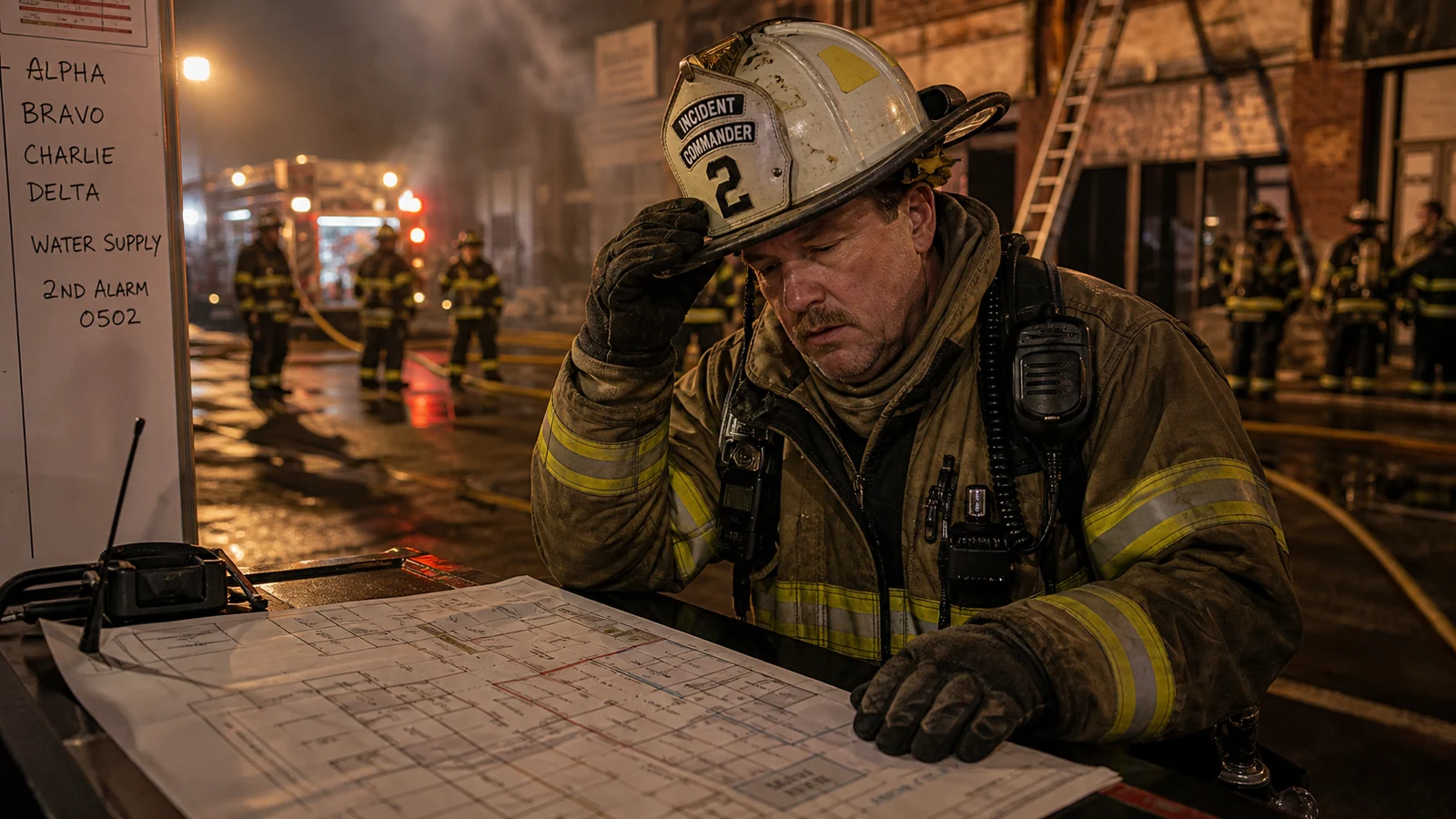
The fireground demands of firefighting are cognitively complex. Size-up requires rapid integration of multiple streams of information. Incident command requires maintaining a mental model of a dynamic, three-dimensional scene while making consequential decisions in seconds. Crew safety requires continuous awareness of changing conditions. All of these cognitive functions degrade measurably with sleep deprivation.
Research on sleep deprivation and cognitive performance shows that 24 hours without sleep produces cognitive impairment equivalent to a blood alcohol concentration of 0.10% — legally intoxicated in every U.S. state. A firefighter who has been awake for 18 hours, responded to four calls, and is now making decisions at a working structure fire is cognitively impaired in ways that affect situational awareness, decision-making speed, and error detection. They typically do not feel as impaired as they are — self-assessment of impairment is itself degraded by sleep deprivation.
Evidence-Based Interventions That Actually Help
Sleep apnea diagnosis and CPAP treatment
If you snore loudly, wake feeling unrested despite adequate sleep time, or your partner reports witnessed apneas, get a sleep study. Home sleep apnea tests are now widely available and much more accessible than in-lab polysomnography. CPAP therapy, when used consistently, eliminates apnea events, restores normal sleep architecture, reduces blood pressure, improves daytime cognitive function, and dramatically reduces cardiovascular risk. The compliance barrier is real — many people find CPAP uncomfortable initially — but modern CPAP machines are quieter and more comfortable than their predecessors, and the functional improvement is often remarkable within 2–4 weeks of consistent use.
Strategic napping
A 20–30 minute nap in the early afternoon (1–3 p.m. window) can restore alertness significantly without producing sleep inertia or disrupting nighttime sleep. Longer naps (90 minutes, a full sleep cycle) are more restorative but produce significant sleep inertia on waking. On 24-hour shifts, departments that formalize a nap opportunity — 30 minutes in the early evening before the overnight period — show measurably improved overnight alertness and reduced post-shift driving risk.
Sleep hygiene in the station environment
The fire station bunk room is not designed for sleep. But small modifications make a meaningful difference: blackout curtains, individual white noise machines or earplugs, limiting screen time in the 30 minutes before sleep opportunity, and keeping the bunk room cool (65–68°F is the optimal sleep temperature range). Stations that invest in sleep-friendly bunk environments demonstrate better overnight function and lower injury rates during overnight operations.
Cognitive behavioral therapy for insomnia (CBT-I)
CBT-I is the evidence-based first-line treatment for chronic insomnia — superior to sleep medications in long-term outcomes without dependency risks. It involves sleep restriction therapy, stimulus control (rebuilding the mental association between bed and sleep), cognitive restructuring of catastrophic sleep thoughts, and relaxation techniques. Digital CBT-I programs (apps like Sleepio or Somryst) have made this treatment accessible without requiring a therapist visit. Several fire department occupational health programs now include CBT-I as a covered benefit.
Light therapy and circadian management
Strategic bright light exposure in the morning (or during night shift waking periods) and light avoidance in the evening help anchor the circadian clock. Light therapy lamps (10,000 lux) used for 20–30 minutes can shift circadian phase by 1–2 hours, which — while modest — is practically meaningful for a firefighter trying to anchor their sleep on off days. Avoiding bright screens and overhead lights after 9 p.m. on days before off-duty sleep helps melatonin onset occur on schedule.
Frequently Asked Questions
How many hours of sleep do firefighters actually get on a 24-hour shift?
Studies of firefighter sleep on 24-hour shifts show average total sleep time of 4.5–6 hours, with most of that sleep being fragmented into 1–3 hour blocks interrupted by call responses. In busy urban departments, overnight call volume can reduce total shift sleep to 2–3 hours or less. This is far below the 7–9 hours of consolidated sleep that supports health and performance.
Is sleep apnea disqualifying for firefighters?
Untreated moderate-to-severe sleep apnea is a Category B condition under NFPA 1582 — potentially disqualifying depending on severity and functional impact. Treated and controlled sleep apnea, demonstrated by documented CPAP compliance and symptom resolution, is generally compatible with full firefighting duty. The critical step is getting evaluated and treated, not avoiding evaluation out of fear of disqualification.
Do sleep problems in firefighters contribute to PTSD?
Significantly. Sleep deprivation and PTSD are bidirectional — each worsens the other. Sleep deprivation impairs the emotional processing that normally integrates traumatic experiences, increasing PTSD vulnerability. Once PTSD develops, hyperarousal and nightmare-related sleep disruption worsen sleep quality. Breaking this cycle often requires addressing both conditions simultaneously, which is why modern trauma treatment programs increasingly integrate sleep disorder treatment as a core component.
What is the best sleep schedule for a firefighter on 24/48 rotation?
There is no perfect schedule, but the research supports consistent anchor points. Keep your major sleep period at the same time on off days regardless of when you woke up coming off shift. Resist the urge to sleep until noon after a night shift — it delays your circadian clock further. A short (90-minute) recovery nap in the late morning after an overnight shift, followed by normal-time sleep that night, minimizes circadian disruption better than a long same-day sleep.
Comments 0
No comments yet. Be the first to share your thoughts!
Leave a Comment