Firefighter Cardiovascular Health: Reducing the Leading Cause of LODD
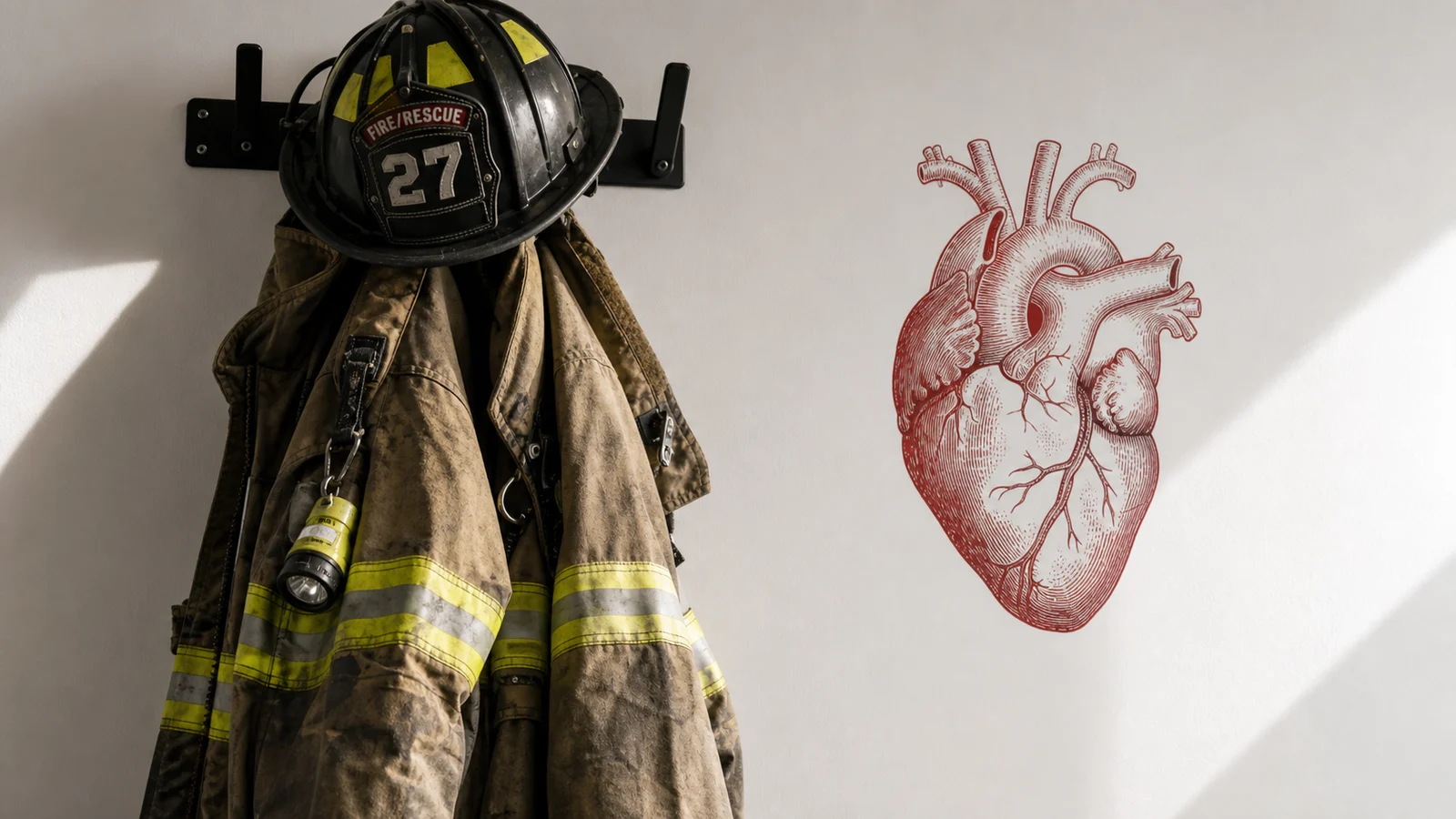
Sudden cardiac death accounts for approximately 45–50% of all U.S. firefighter line-of-duty deaths every year. More firefighters die from heart attacks than from building collapses, burns, vehicle accidents, and all other traumatic causes combined. This is not bad luck — it is a predictable consequence of a specific occupational physiology that places extraordinary acute demands on the cardiovascular system, often in men and women who carry pre-existing, undetected coronary artery disease. Understanding this mechanism and acting on it is one of the highest-impact things both firefighters and departments can do to keep people alive.
Jump to:Why firefighting is hard on the heart · Statistics and patterns · Risk factors in firefighters · NFPA 1582 screening · Prevention strategies · Warning signs · FAQ
Why Firefighting Is Uniquely Hard on the Heart
The cardiac demands of structural firefighting are extreme and multifactorial:
- Sudden maximal exertion from rest. A firefighter can go from sleeping to donning 60 lbs of gear and running into a burning building in under 90 seconds. This rapid transition from parasympathetic (rest) to maximal sympathetic (fight) activation produces sudden surges in heart rate, blood pressure, and myocardial oxygen demand.
- Extreme heat and dehydration. Core body temperature can rise to 104°F+ during structure fire operations. Heat increases heart rate, reduces blood volume through sweat loss, and elevates cardiovascular strain to levels comparable to maximal aerobic exercise.
- SCBA breathing resistance. Breathing against SCBA resistance increases intrathoracic pressure, which reduces cardiac preload and increases the work of the heart with each breath.
- Carbon monoxide exposure. Even with SCBA, firefighters receive CO exposure during overhaul. CO binds hemoglobin with 200x the affinity of oxygen, reducing myocardial oxygen delivery precisely when demand is highest.
- Catecholamine surge. The psychological stress of emergency response triggers massive catecholamine (adrenaline) release, which increases heart rate, blood pressure, and the risk of plaque rupture in coronary arteries.
Statistics and Patterns
Analysis of firefighter cardiovascular LODD data reveals consistent patterns:
- The highest risk period is during or immediately after fire suppression operations — approximately 32% of cardiac LODDs occur during fire suppression activities
- The second highest risk period is during training — cardiovascular demands of live fire training are nearly identical to actual firefighting
- Cardiac LODDs peak in men aged 45–54 — the decade when pre-existing coronary artery disease is most likely to be present but undetected
- Approximately 50% of firefighters who die from cardiac causes had no documented prior cardiac history — their first symptom was their last call
- Volunteer firefighters have a higher rate of cardiac LODD than career firefighters, partly due to less regular fitness requirements and less frequent medical screening
Modifiable Risk Factors in Firefighters
| Risk factor | Prevalence in firefighters | Impact on cardiac risk |
|---|---|---|
| Hypertension | Higher than general population | Major — doubles cardiac event risk |
| Obesity / excess body fat | Significantly elevated | Major — increases hypertension, diabetes, and direct cardiac risk |
| Sleep apnea | Significantly elevated (shift work) | Major — chronic oxygen desaturation damages cardiovascular system |
| Smoking | Higher than national average historically | Major — accelerates coronary artery disease |
| Physical deconditioning | Elevated in older career and volunteer FFs | Significant — reduces cardiac reserve for emergency demands |
| Dyslipidemia | Elevated (diet and PFAS exposure) | Significant — contributes to atherosclerotic plaque |
NFPA 1582: Medical Screening for Cardiovascular Risk
NFPA 1582 (Standard on Comprehensive Occupational Medical Program for Fire Departments) establishes cardiovascular screening standards that are considered the gold standard for firefighter medical clearance. Key screening components include:
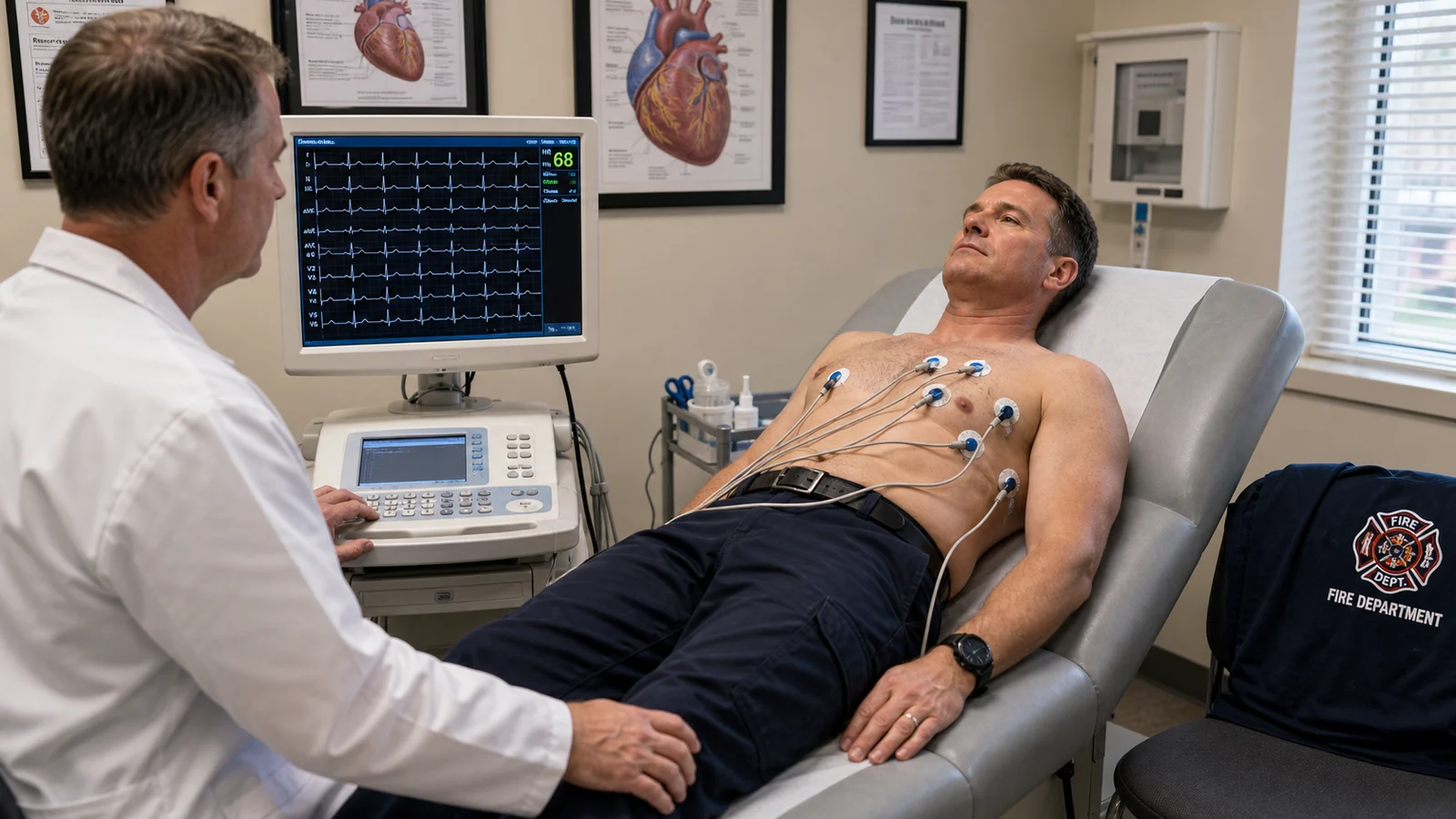
- Annual resting EKG for all active firefighters over age 40
- Maximal or submaximal exercise stress testing for firefighters with risk factors or over age 45
- Blood lipid panel, fasting glucose, and blood pressure at annual physicals
- Assessment for sleep apnea symptoms and referral for sleep study when indicated
- Body composition assessment
Many departments do not conduct annual physicals consistent with NFPA 1582 recommendations, particularly volunteer departments. Firefighters should advocate for comprehensive annual physicals and, if their department does not provide them, pursue them independently. Detecting hypertension, sleep apnea, or lipid abnormalities early is life-saving.
Warning Signs to Never Ignore
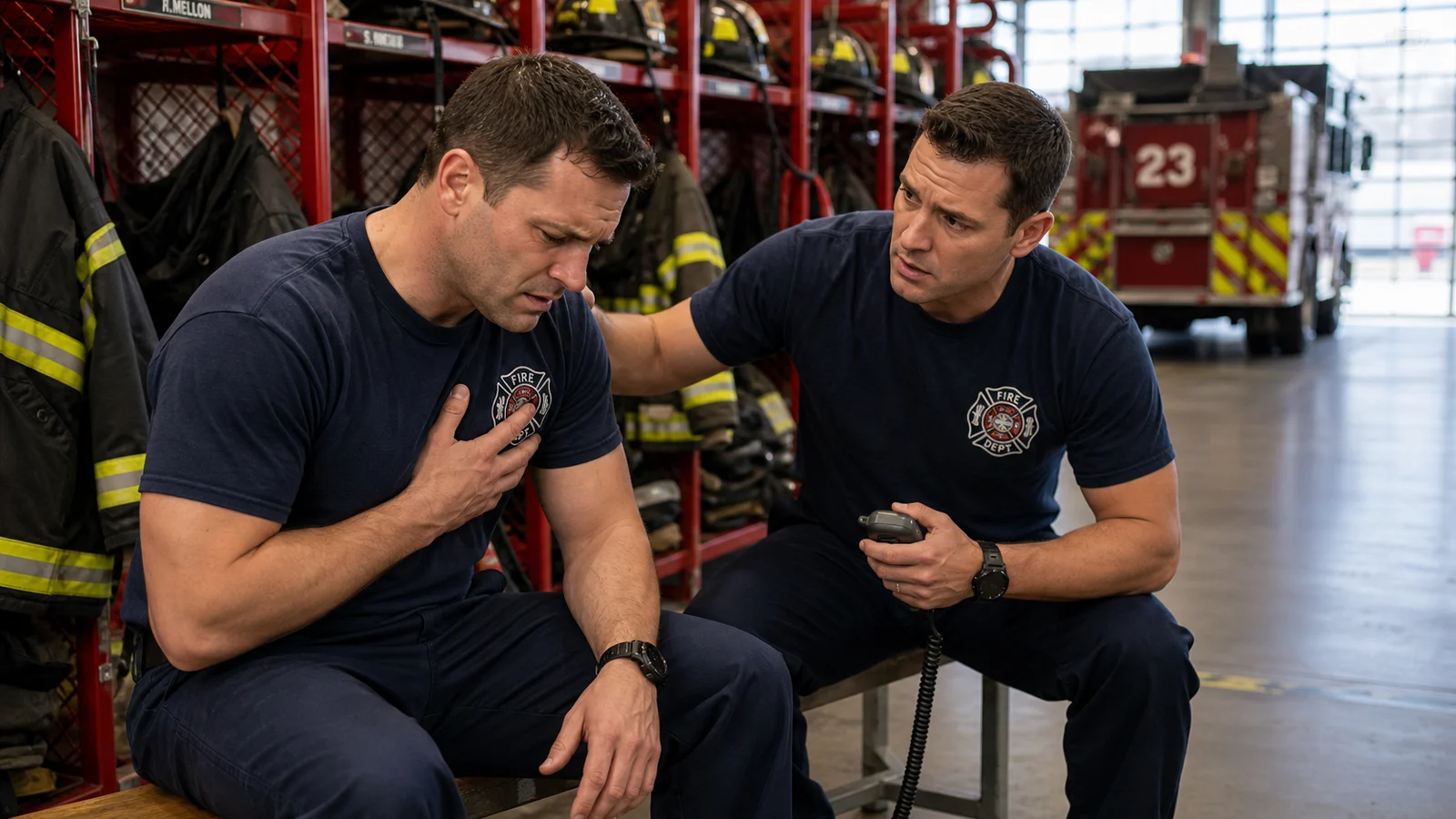
Firefighters are statistically likely to minimize or dismiss cardiac symptoms — attributing them to exertion, heartburn, or fitness soreness. These symptoms in an active firefighter warrant immediate medical evaluation:
- Chest pain, pressure, tightness, or burning — with or without exertion
- Jaw, neck, shoulder, or arm pain — particularly on the left side or both sides
- Unexplained shortness of breath at rest or with minimal exertion
- Palpitations or irregular heartbeat
- Lightheadedness or near-syncope during or after exertion
- Unusual fatigue during activities previously manageable
Do not return to operations until cleared. A firefighter who experiences cardiac symptoms on scene should be evaluated by EMS before returning to firefighting activities. The most dangerous decision is dismissing symptoms and going back in.
Frequently Asked Questions
Why do so many firefighters die from heart attacks?
Firefighting combines sudden maximal physical exertion, extreme heat, SCBA breathing resistance, CO exposure, and massive catecholamine release — all of which dramatically increase myocardial oxygen demand and the risk of plaque rupture in firefighters with pre-existing coronary artery disease, which is often undetected. The result is a disproportionate rate of sudden cardiac death compared to virtually any other occupation.
What is the most important thing a firefighter can do to prevent a cardiac LODD?
Get annual medical screening consistent with NFPA 1582, including cardiovascular risk factor assessment, resting EKG (over 40), and exercise stress testing (over 45 or with risk factors). Know your blood pressure, cholesterol, and blood glucose. Address risk factors aggressively: treat hypertension, manage weight, screen and treat sleep apnea, stop smoking, and maintain cardiovascular fitness year-round.
Is exercise safe for firefighters with heart disease?
Exercise is essential for all firefighters including those managed for cardiac conditions — but should be structured based on medical clearance and guidance from a cardiologist familiar with occupational demands. Firefighters diagnosed with significant coronary artery disease face a complex medical-occupational fitness determination under NFPA 1582. This should be evaluated by a physician with public safety medical expertise.

Comments 0
No comments yet. Be the first to share your thoughts!
Leave a Comment