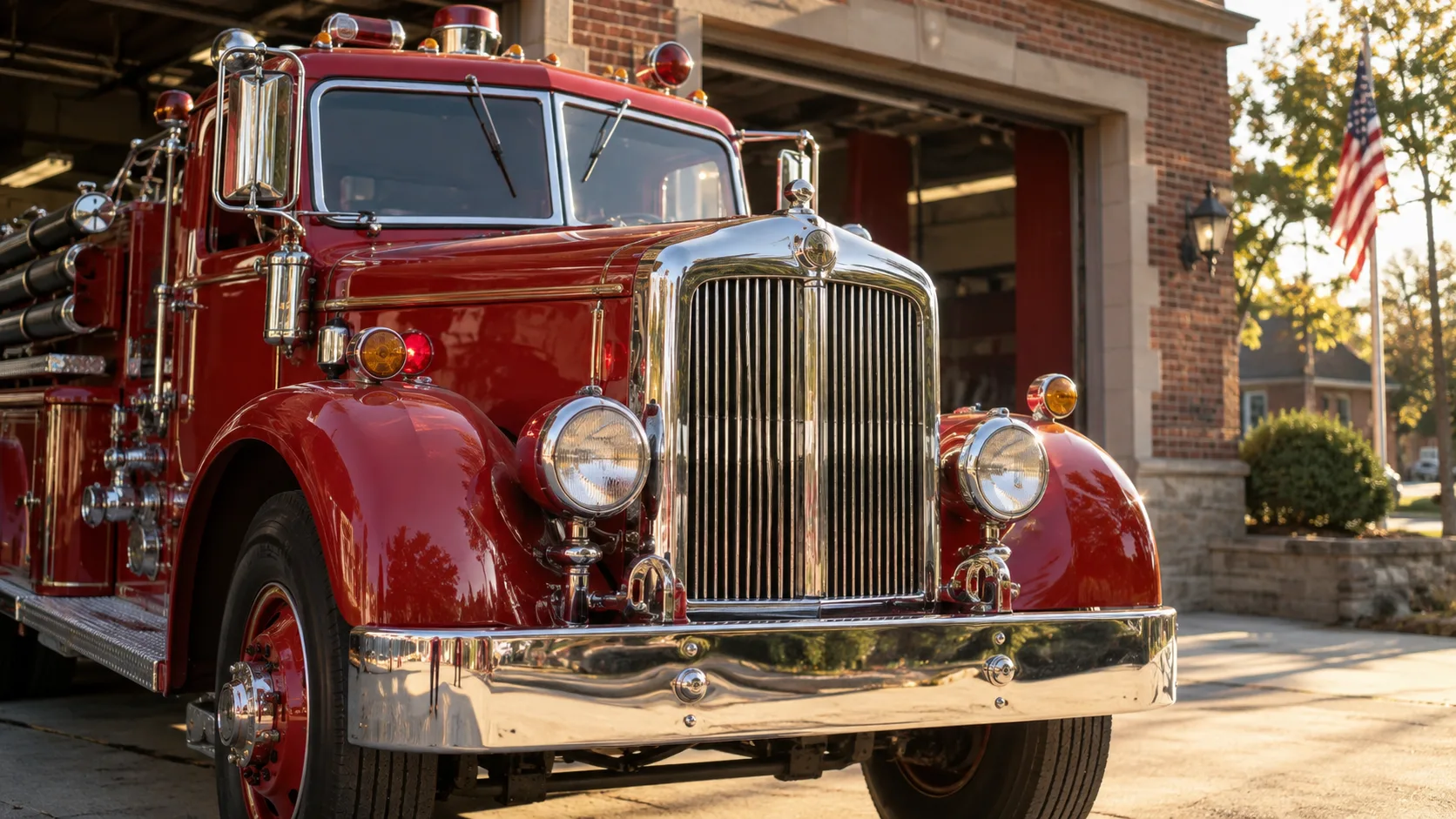

Why Are Fire Trucks Red? The Surprising History Behind the Color
Short answer:Fire trucks became red mostly out of pride and rivalry between early volunteer fire brigades, plus a happy coincidence with the Ford Model T — not because red is the easiest color to see. In fact, research suggests it isn't, which is exactly why a growing number of departments have switched to lime-yellow.
It Started as a Rivalry, Not a Safety Decision
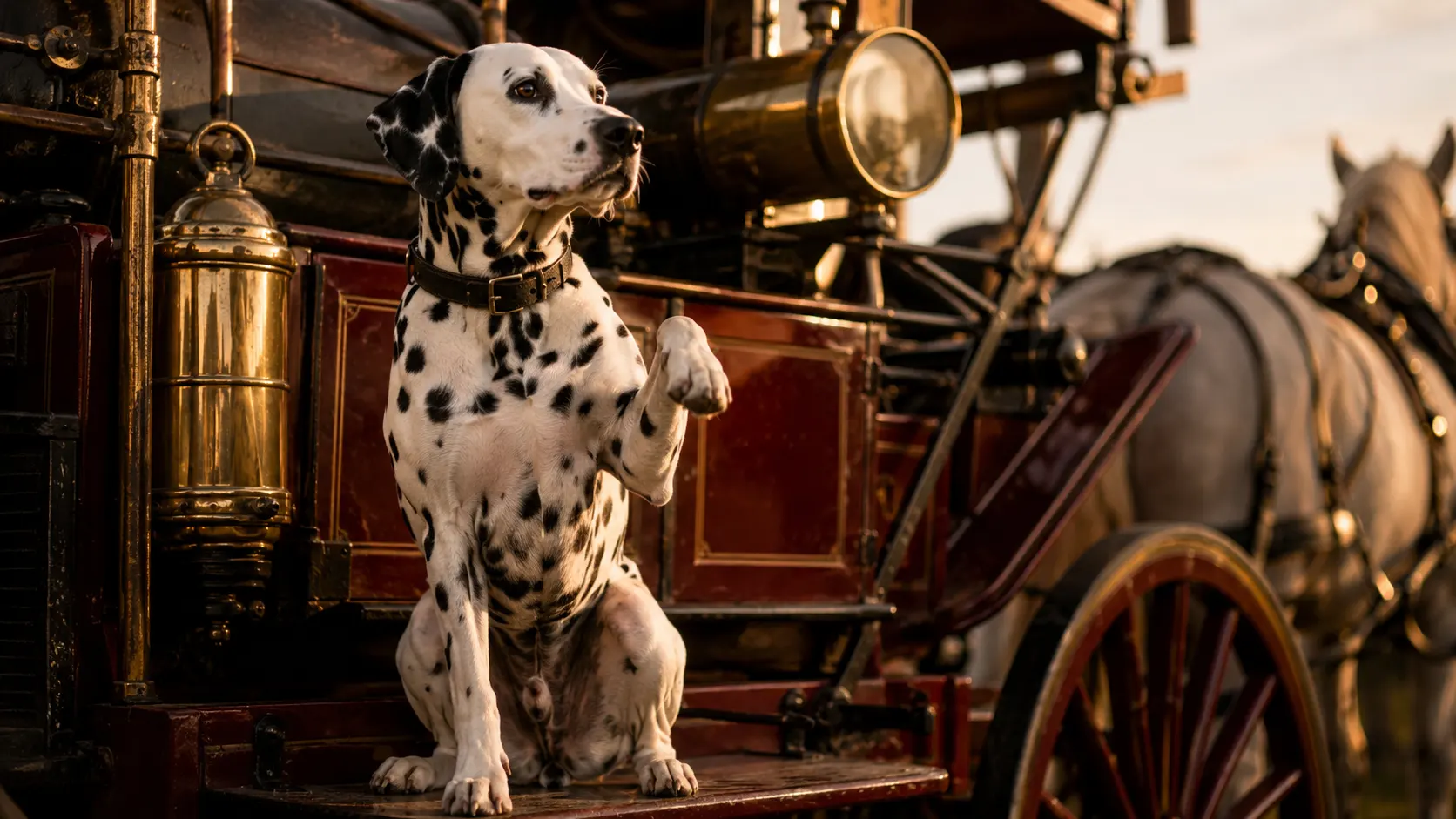
Organized fire departments in the early 1800s weren't the disciplined, professionally trained crews we think of today. Many were groups of competing volunteer brigades, especially in cities like New York and Baltimore, and they often raced each other to the scene of a fire for bragging rights, sometimes even fighting over who got to put it out. Their pumpers and hand-drawn engines became a point of pride, decorated with brass, insignia, and the boldest, most eye-catching paint the crew could afford. Red, one of the more expensive pigments at the time, became a popular way for a brigade to show off.
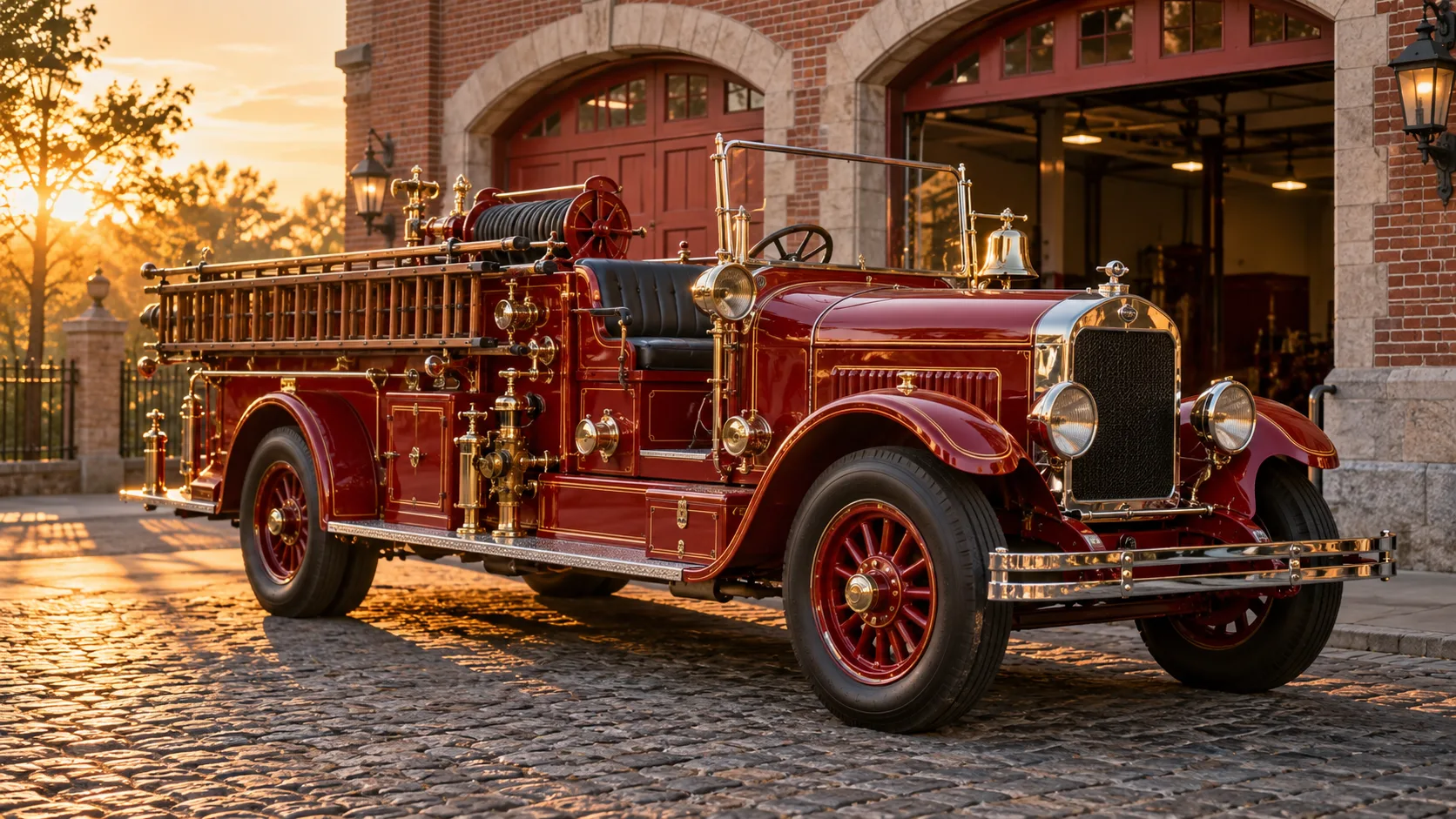
Red became a point of pride for competing volunteer fire brigades long before it became a safety consideration.
The Ford Model T Connection
By the early 1900s, motorized fire apparatus started replacing horse-drawn engines, right around the time Henry Ford began mass-producing the Model T. Ford famously offered the car in one color: black, using a cheap, durable paint called Japan Black to keep manufacturing costs down. As black cars filled American streets, fire departments wanted their trucks to stand out from ordinary traffic, and red, already associated with fire brigades, was the obvious choice to make that distinction. Over the following decades, red simply became the default, and the tradition stuck long after black cars stopped dominating the roads.
Is Red Actually the Safest Color?
Here's the twist: despite becoming the universal symbol of fire trucks, research suggests red isn't the most visible color, especially in low light. A widely cited 1995 study published in the Journal of Safety Research found that, controlling for other factors, red fire trucks were involved in more accidents and were less visible than yellow or lime-green trucks. The human eye's color-detecting cone cells simply don't perform as well on red in dim conditions, while lime-yellow tends to stand out more clearly at dusk, at night, and in foggy or smoky conditions.
Did you know? A 2009 U.S. Fire Administration study on emergency vehicle visibility found that collisions involving fire apparatus are one of the leading causes of firefighter line-of-duty deaths in the United States, which is exactly why visibility research on truck color still matters today.
Why Most Departments Still Use Red
Despite the visibility research, red remains the dominant color for fire apparatus across the United States and much of the world. Tradition plays a huge role: red is instantly recognizable to the public, tied to over a century of firefighting culture, and deeply embedded in department identity. Rather than repainting entire fleets, most departments that want the visibility benefits of lime-yellow instead add high-visibility retroreflective striping, brighter LED lighting packages, and chevron markings to their red trucks, which the 2009 USFA study identified as the most effective overall approach to apparatus conspicuity.
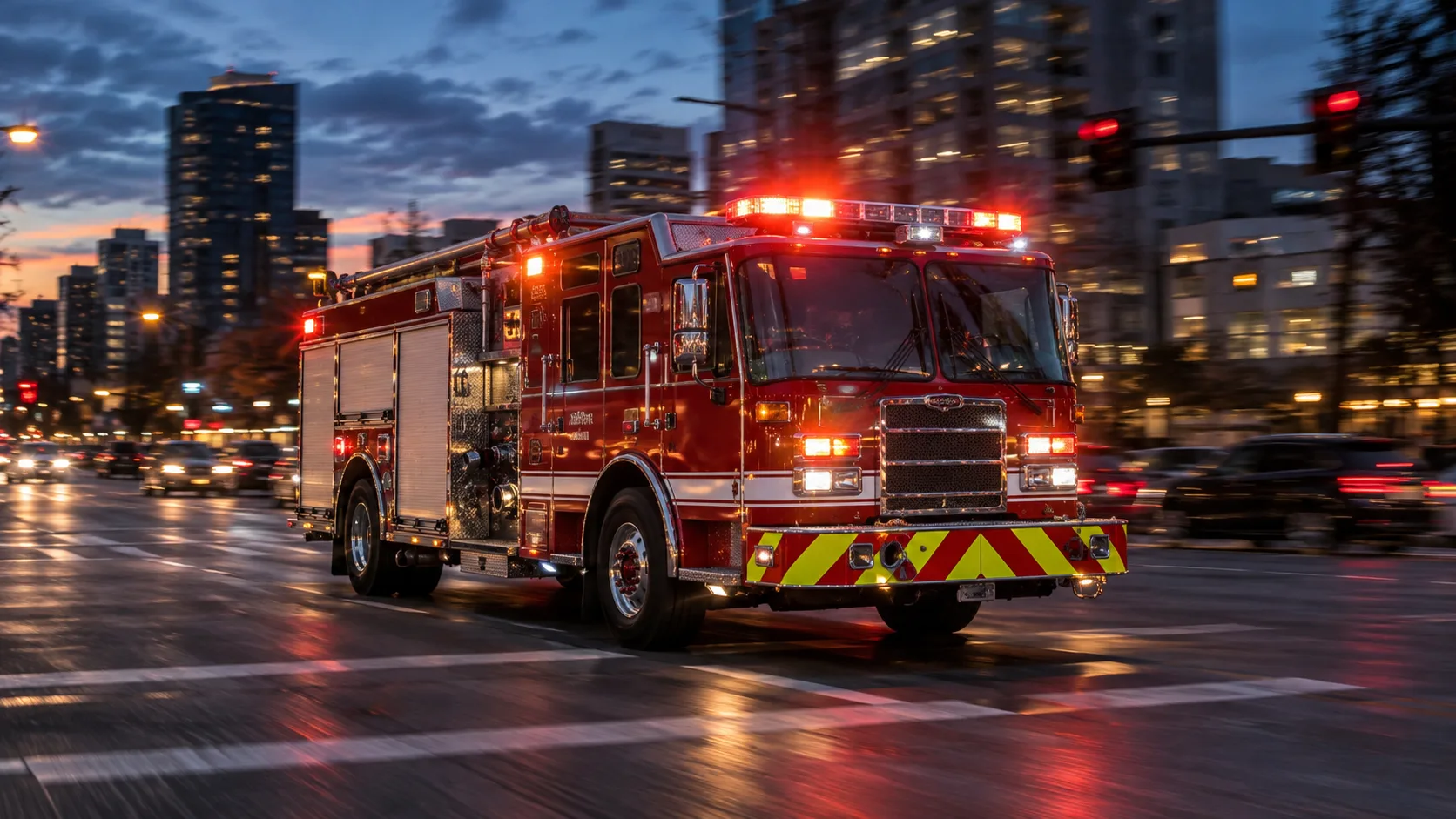
Modern reflective striping and lighting packages help red trucks stay visible without departments having to abandon the traditional color.
Bottom Line
Fire trucks are red mostly because of history, not because red is the safest or most visible color. What started as pride and rivalry among 19th-century volunteer brigades, reinforced by a coincidence with the all-black Model T, became a century-long tradition that has outlasted the practical reasoning behind it. Some departments have since switched to lime-yellow for genuine visibility gains, but for most, red remains too iconic to give up, so they rely on reflective striping and better lighting instead.
Frequently Asked Questions
Why are fire trucks red instead of another color?
Mostly tradition. Early volunteer fire brigades in the 1800s used bold, expensive colors like red to show pride and stand out from rival companies, and the color stuck as fire departments became more formalized.
Is red the most visible color for a fire truck?
No. Research, including a widely cited 1995 study, found lime-yellow and green vehicles are more visible than red, especially in low light, which is why some departments have adopted those colors instead.
Why do some fire trucks look yellow or lime-green?
Those departments chose the color specifically for visibility reasons, since lime-yellow shows up more clearly to the human eye in dim lighting and low-visibility conditions than red does.
Does the Ford Model T really have anything to do with fire truck color?
It's one widely cited theory: since Ford's mass-produced Model T was only available in black, fire departments wanted their trucks to stand out from the growing number of black cars on the road, and red was already associated with fire brigades.

Comments 0
No comments yet. Be the first to share your thoughts!
Leave a Comment