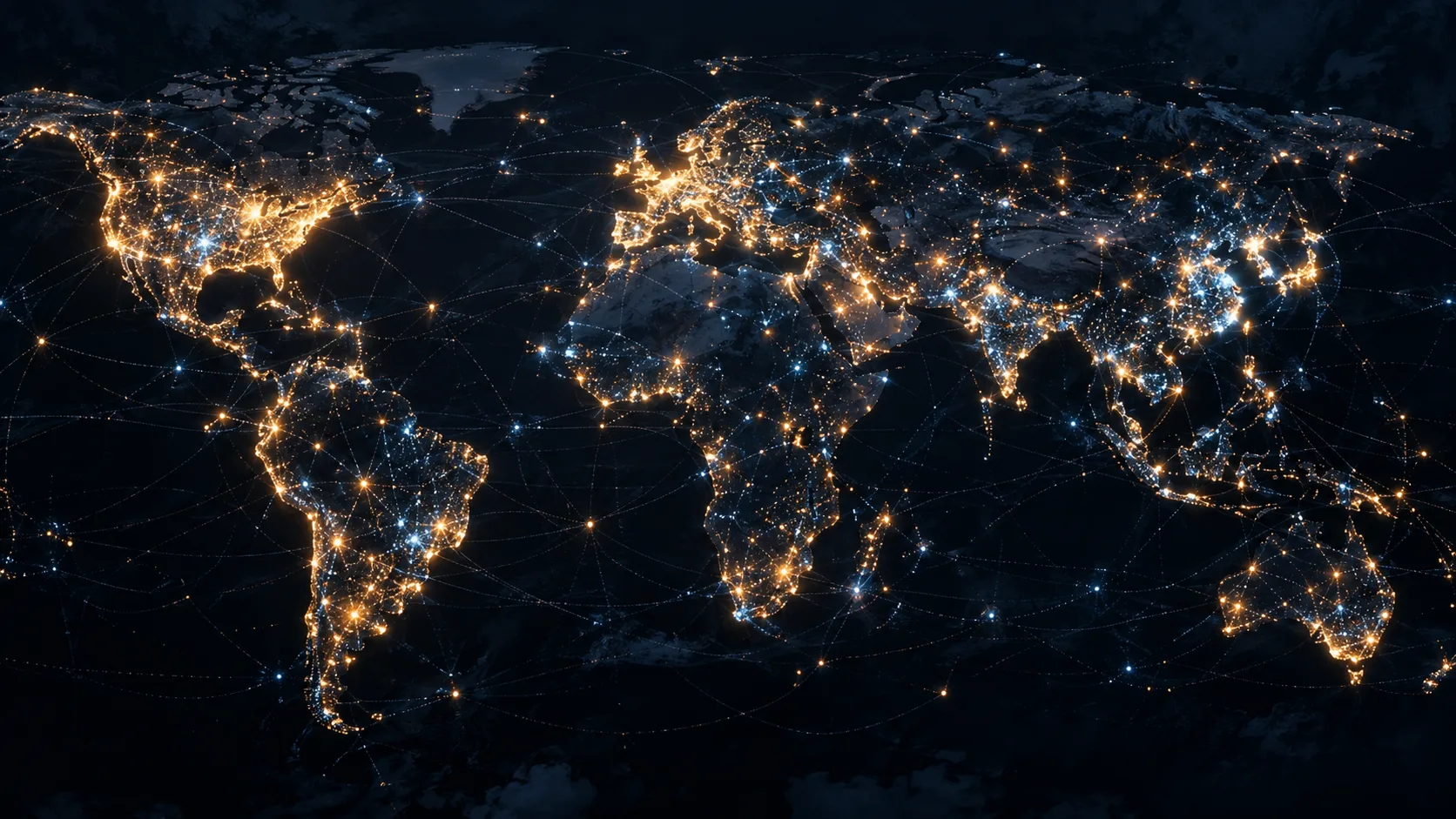
Why Isn't There Just One Emergency Number for the Whole World?
Land in London and you'll dial 999. Land in Paris, 112. Land in Sydney, 000. Land in Seoul, either 112 or 119 depending on which service you need. It looks like chaos until you realize each of those numbers was locked in decades before anyone was thinking globally — they were picked to work with the specific telephone switching hardware a given country happened to be running at the time, and once a country's entire network and every phone in it is wired around a number, changing it later is a genuinely enormous undertaking.
Britain Went First, By Accident of Tragedy
The world's oldest emergency call number is Britain's 999, introduced in London on June 30, 1937 — and it exists because of a fire. Five women died in a house fire on Wimpole Street in 1935 after a neighbor tried to alert the fire brigade by calling the operator, only to get stuck in a queue behind ordinary calls. A public inquiry followed, and the solution regulators landed on was a dedicated number that could jump the line ahead of everything else. They picked 999 specifically because it could be dialed in the dark or in thick smoke: on the old rotary phones of the era, you could find the finger stop and dial the very last hole on the rotary three times without needing to see the numbers at all.
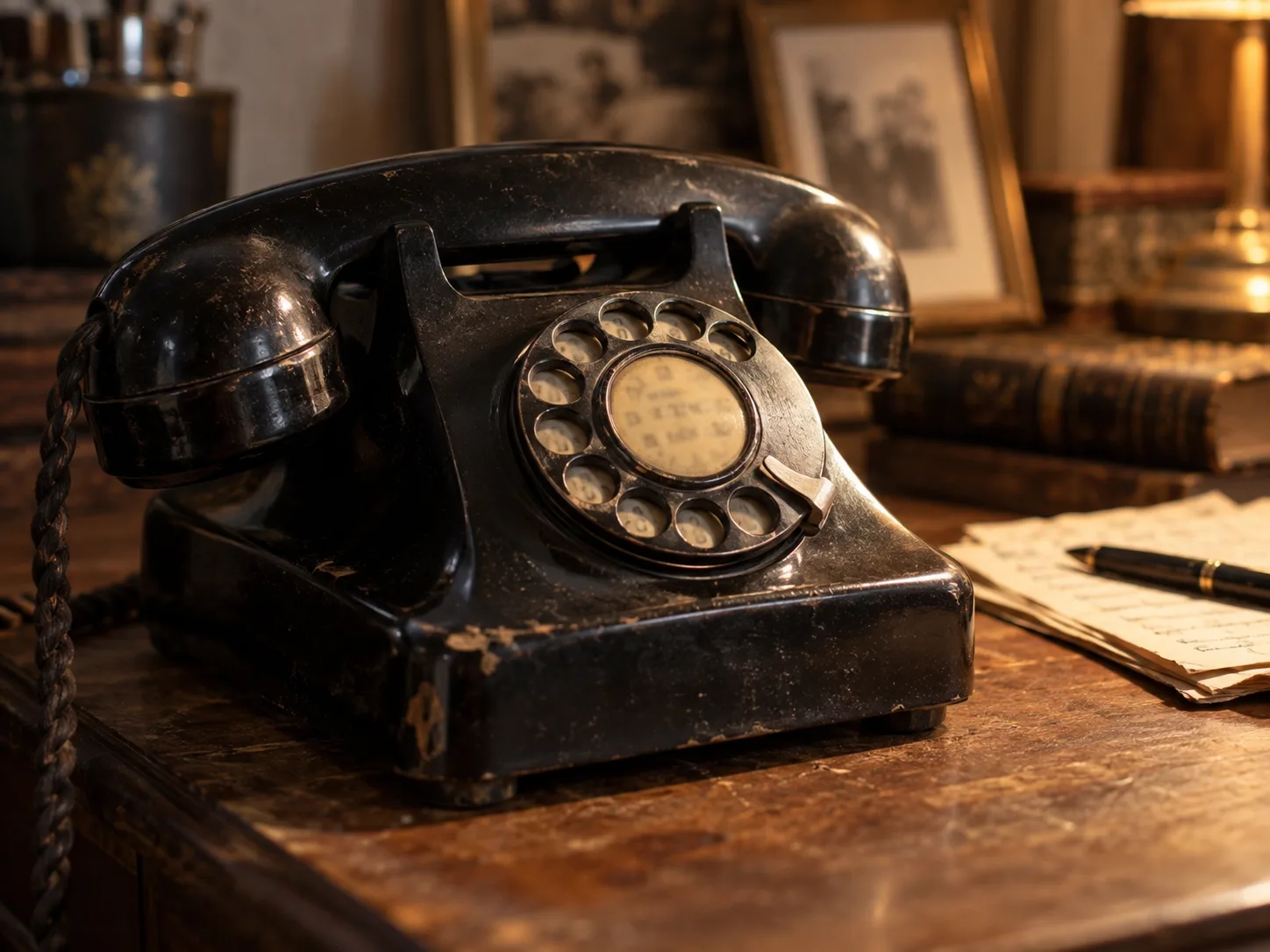
Britain's 999, the world's first emergency number, was chosen in 1937 specifically because it could be dialed on a rotary phone in the dark or in heavy smoke.
America's 911 Came Three Decades Later
The United States didn't get a national emergency number until 1968, and even then it wasn't the first call in the world by a long shot — it was just the first in North America. AT&T and the FCC settled on 911 largely because it was short, easy to remember, and hadn't already been claimed as an area code or a common service prefix anywhere in the existing phone system. The very first 911 call in America was placed on February 16, 1968, in Haleyville, Alabama, by Alabama Speaker of the House Rankin Fite, calling a phone that rang in the local police station. It took until the 1980s for most of the country to actually have 911 coverage, and rural areas lagged even longer.
Europe Chose 112 for the Same Kind of Practical Reason
By the 1970s and '80s, Western Europe had a different problem: dozens of countries, each with its own legacy emergency number, and a growing number of people crossing borders who had no idea which number worked where. The European Conference of Postal and Telecommunications Administrations settled on 112 in 1976 as a pan-European standard specifically because the digits themselves were fast to dial on the rotary and early push-button equipment still common at the time, and because the sequence didn't collide with any country's existing area codes or service prefixes. Later, 112 got built directly into the GSM mobile phone standard, which is why a European visitor's phone will still route a 112 call to the right local service almost anywhere on Earth, even on a network with no SIM card inserted at all.
Did you know? Because emergency dialing is now handled as a special call type by phone software rather than a literal number lookup, many smartphones will connect 911, 112, and 999 to local emergency services no matter which country you're actually standing in. Your handset quietly translates the intent.
Why Nobody Ever Just Standardized the Whole Planet
The honest answer is timing and cost. Standardizing would have meant physically rewiring telephone exchanges and reprogramming every switch in a country's network, which was a massive undertaking before digital switching became widespread in the 1990s. By the time digital systems made a change technically easy, hundreds of millions of people already had a number memorized, printed on every emergency vehicle, and built into decades of public safety campaigns. The International Telecommunications Union has pushed 112 as a global recommendation for years, and it's now recognized in most of Europe, much of Asia and Africa, and as a mobile-network fallback almost everywhere, but full worldwide standardization would still mean asking entire countries to unlearn a number they've known their whole lives.
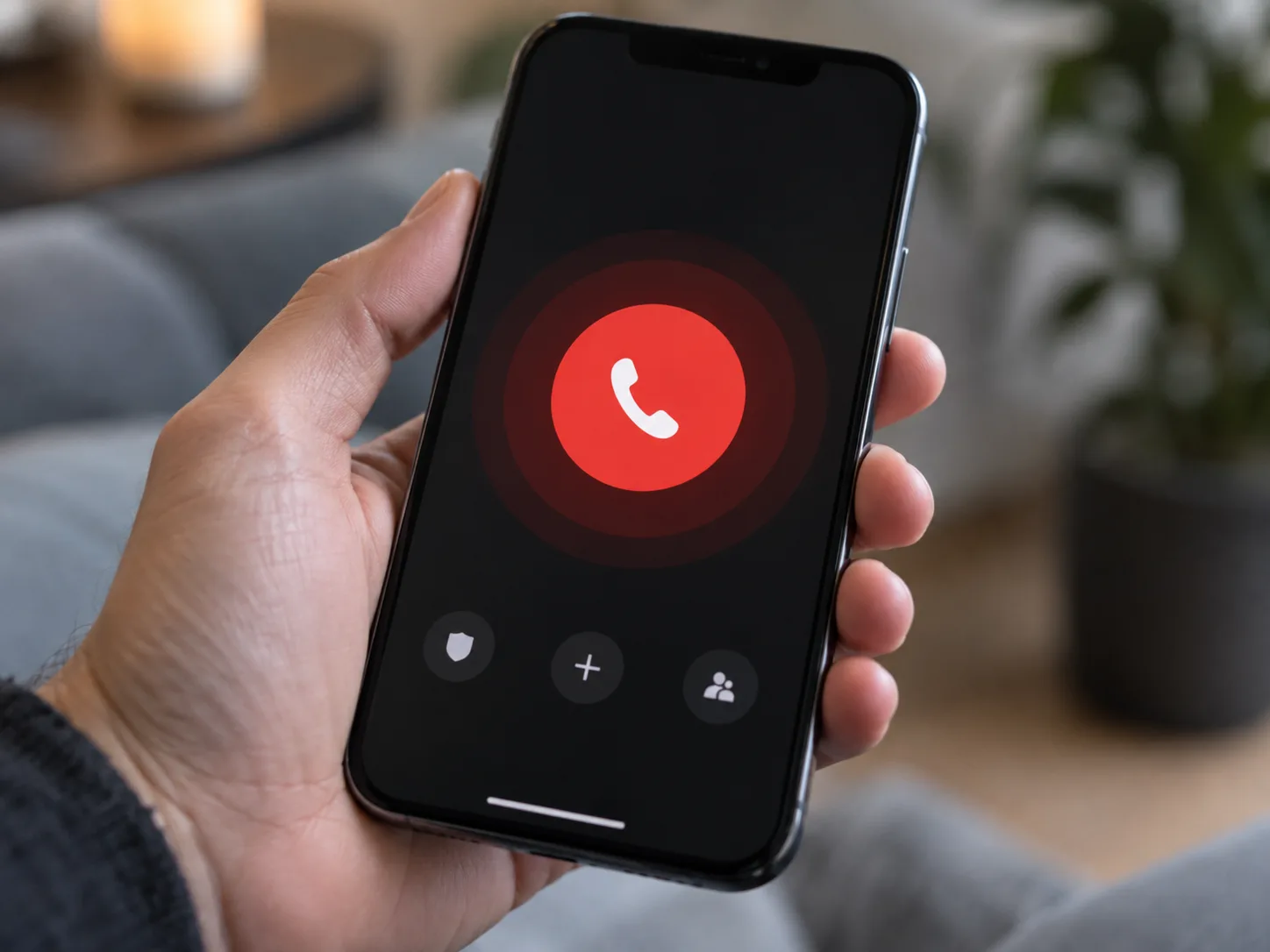
Modern smartphones handle emergency dialing as a special call type, which is why 911, 112, and 999 can all reach local help depending on where your phone thinks you are.
Bottom Line
Every major emergency number in use today, from Britain's 999 to America's 911 to Europe's 112, was built around the mechanics of a specific telephone network at a specific moment, not chosen with any global coordination in mind. By the time the technology existed to make a single worldwide number realistic, the cost of changing what billions of people already had memorized made it effectively unworkable. The closest thing to a universal fallback that exists today is 112, thanks to its place in the GSM mobile standard — but if you're traveling, it's still worth checking the local number before you actually need it.
Frequently Asked Questions
What is the oldest emergency telephone number in the world?
Britain's 999, introduced in London on June 30, 1937, is the world's oldest emergency call number, created after a fatal house fire exposed how slow it was to reach help through a regular telephone operator.
Why did the United States choose 911?
911 was chosen in 1968 because it was short, easy to remember, and didn't conflict with any existing area code or telephone service prefix already in use across the American phone network at the time.
Why did Europe pick 112 instead of 911?
112 was adopted as a pan-European standard in 1976 because it could be dialed quickly on the rotary and early push-button phones of the era and didn't collide with any individual country's existing numbering plan.
Does 112 really work anywhere in the world?
112 is built into the GSM mobile phone standard, so in many countries a phone will route a 112 call to local emergency services even without a local SIM card, though it isn't the official number everywhere and shouldn't be assumed to work universally.
Comments 0
No comments yet. Be the first to share your thoughts!
Leave a Comment