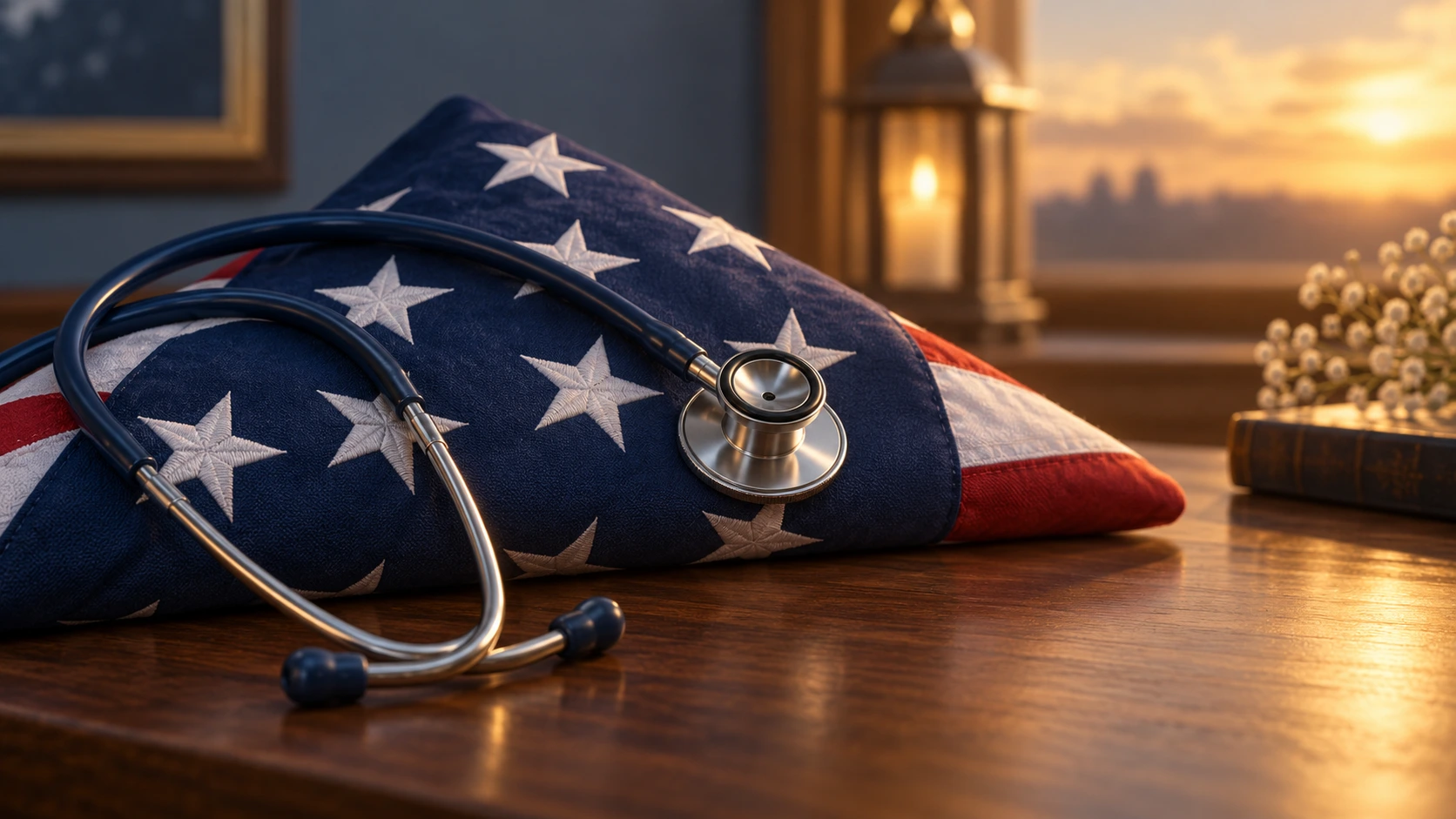
Good news, ahead of the 25th anniversary: On February 3, 2026, permanent full funding for the World Trade Center (WTC) Health Program was signed into law, fixing a funding formula that had left the program facing a projected $3 billion shortfall over the next decade. The program provides medical monitoring and treatment to more than 135,000 responders and survivors made ill by exposure at the World Trade Center, Pentagon, and Shanksville, Pennsylvania sites.
For firefighters who worked at Ground Zero — or traveled from across the country to help in the weeks after the attacks — 9/11 has never really ended. As covered in our companion article on how many firefighters died on 9/11, 438 FDNY members have now died from 9/11-related illness, nearly matching the 343 killed the day of the attacks. Here's what the WTC Health Program actually covers, and what changed with the 2026 funding fix.
What the Zadroga Act and WTC Health Program Do
The James Zadroga 9/11 Health and Compensation Act, signed into law in January 2011, created two separate programs:
- The WTC Health Program, run by the CDC's National Institute for Occupational Safety and Health (NIOSH), providing free medical monitoring and treatment for eligible responders (firefighters, police, and rescue/recovery/cleanup workers) and survivors (people present in the dust cloud or who lived, worked, or attended school in the affected area).
- The September 11th Victim Compensation Fund (VCF), providing financial compensation to those who suffered physical harm or death connected to the attacks or subsequent debris removal.
The program was reauthorized in 2015 (extending the Health Program's authorization to 2090) and the VCF was permanently funded in 2019. Even with those extensions, however, the Health Program has faced repeated near-term funding formula problems — including a 2025 staffing cut of roughly 20% under federal workforce reductions, later reversed — that periodically threatened service delays for enrolled responders.
The 2026 Funding Fix
In early 2026, with the program facing an estimated $3 billion shortfall over the coming decade due to a flawed appropriations formula, a bipartisan group of lawmakers — including Reps. Andrew Garbarino (R-NY) and Jerrold Nadler (D-NY), and Sens. Kirsten Gillibrand (D-NY) and Chuck Schumer (D-NY) — secured a fix as part of the Consolidated Appropriations Act, 2026. President Trump signed the bill on February 3, 2026, correcting the formula used to calculate the program's annual appropriation and securing what advocates describe as full, permanent funding for the WTC Health Program going forward.
Why this mattered: The International Association of Fire Fighters (IAFF) backed the funding package, which also included increased staffing and equipment funding for fire departments nationwide, and helped avoid a government shutdown at the time it passed.
Who Is Eligible
The WTC Health Program's responder category isn't limited to FDNY members or even to people who were only in New York City on the day of the attacks. It generally covers firefighters and other responders (including from outside NYC who traveled to help) who worked in rescue, recovery, debris removal, or related support roles at the World Trade Center site, the Pentagon, or the Shanksville crash site, including in the months following the attacks — not just September 11 itself. Eligibility rules and covered conditions are detailed on the program's official site, and enrollment remains open for eligible responders and survivors who haven't yet applied.
If You Worked at Ground Zero and Haven't Enrolled
- ✓It's not too late to enroll, even 25 years later — the WTC Health Program continues to accept new eligible enrollees, and conditions often surface years or decades after exposure.
- ✓Check the official WTC Health Program site (cdc.gov/wtc) for current eligibility criteria, covered conditions, and enrollment steps.
- ✓Your department, union, or state fire chiefs association may also have a dedicated liaison who can help walk you through enrollment and documentation.
The story of 9/11 has never truly ended for the responders who worked at Ground Zero. Permanent funding for the WTC Health Program is a significant step toward making sure that care remains available for as long as it's needed.



Comments 0
No comments yet. Be the first to share your thoughts!
Leave a Comment