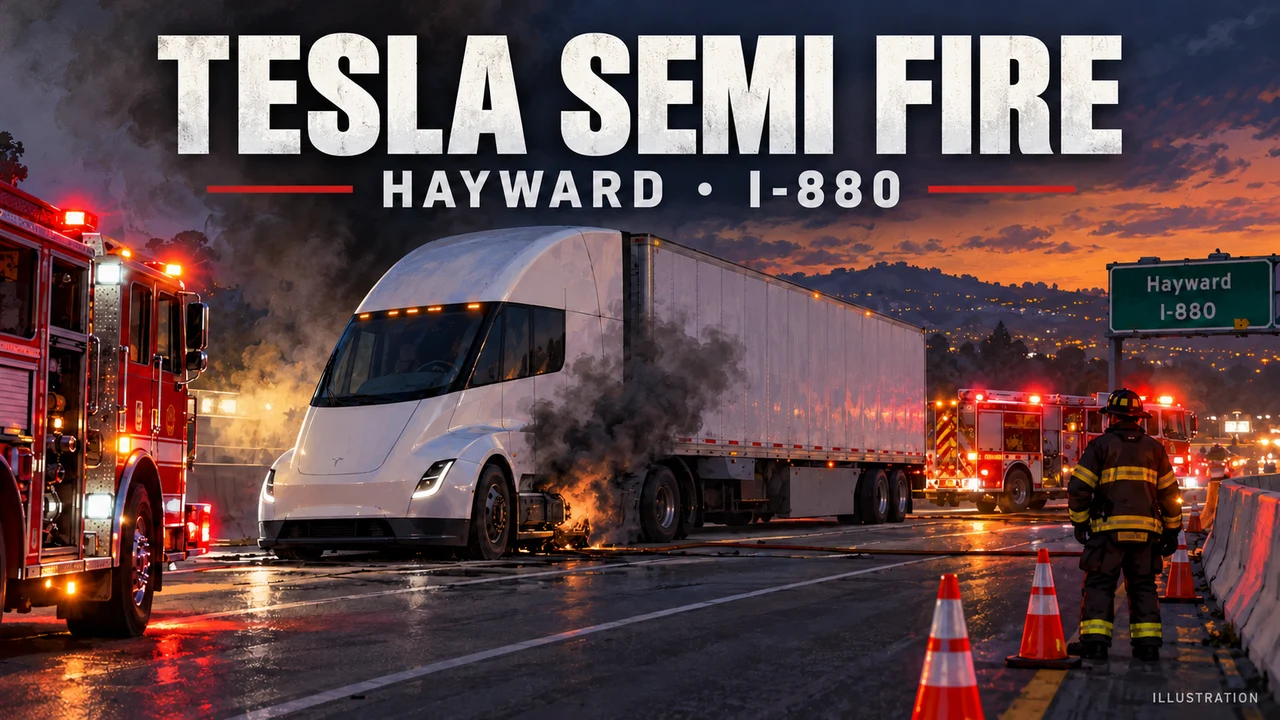
HAYWARD, California — A Tesla Semi fire on Interstate 880 shut down both directions of the freeway Tuesday evening, October 27, 2026, as authorities warned about potentially hazardous smoke from the truck's lithium-ion battery. Northbound traffic resumed that night. The southbound closure continued into early Wednesday.
By October 28, CHP Hayward had confirmed that all lanes were open. No injuries were reported. The ignition cause remained unconfirmed in the information reviewed for this report.
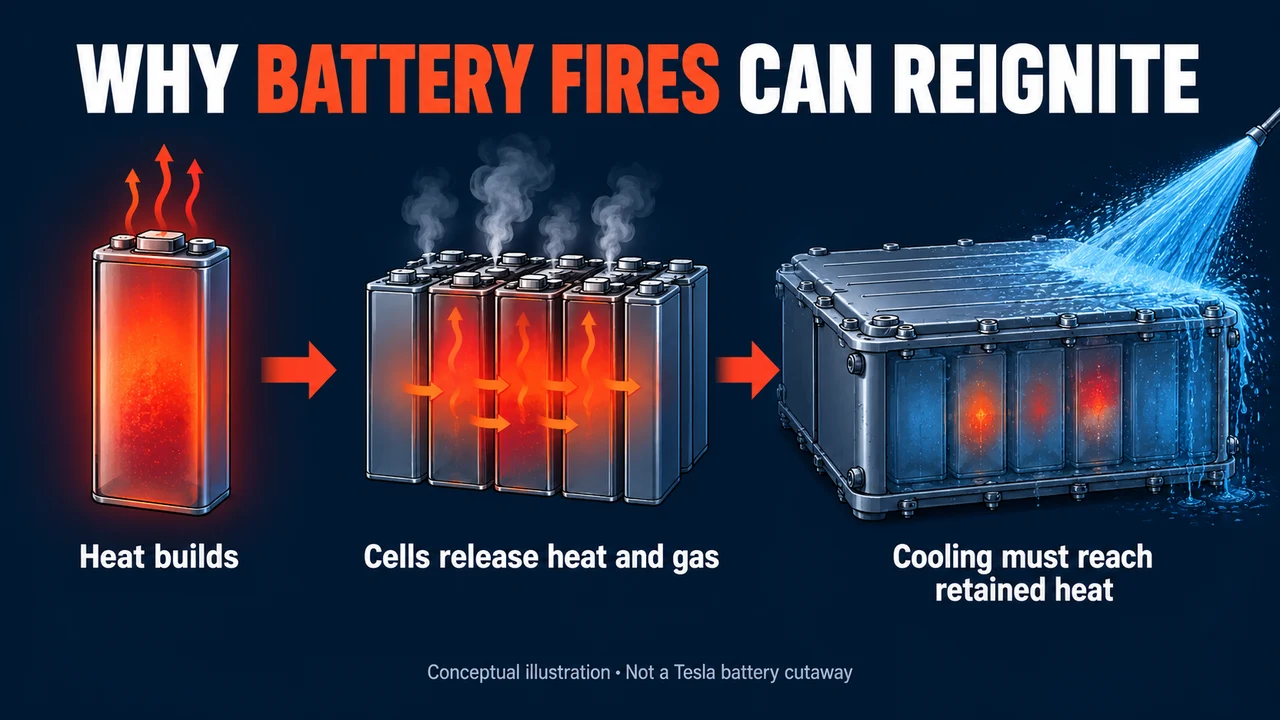
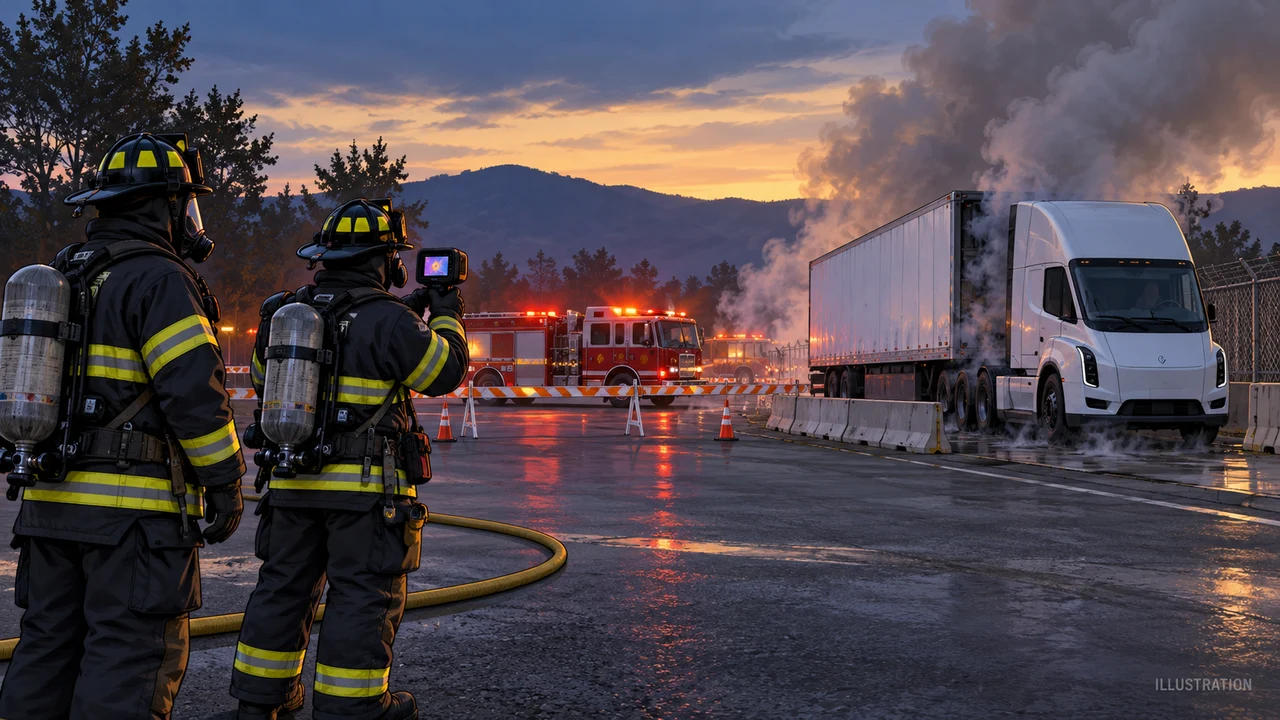
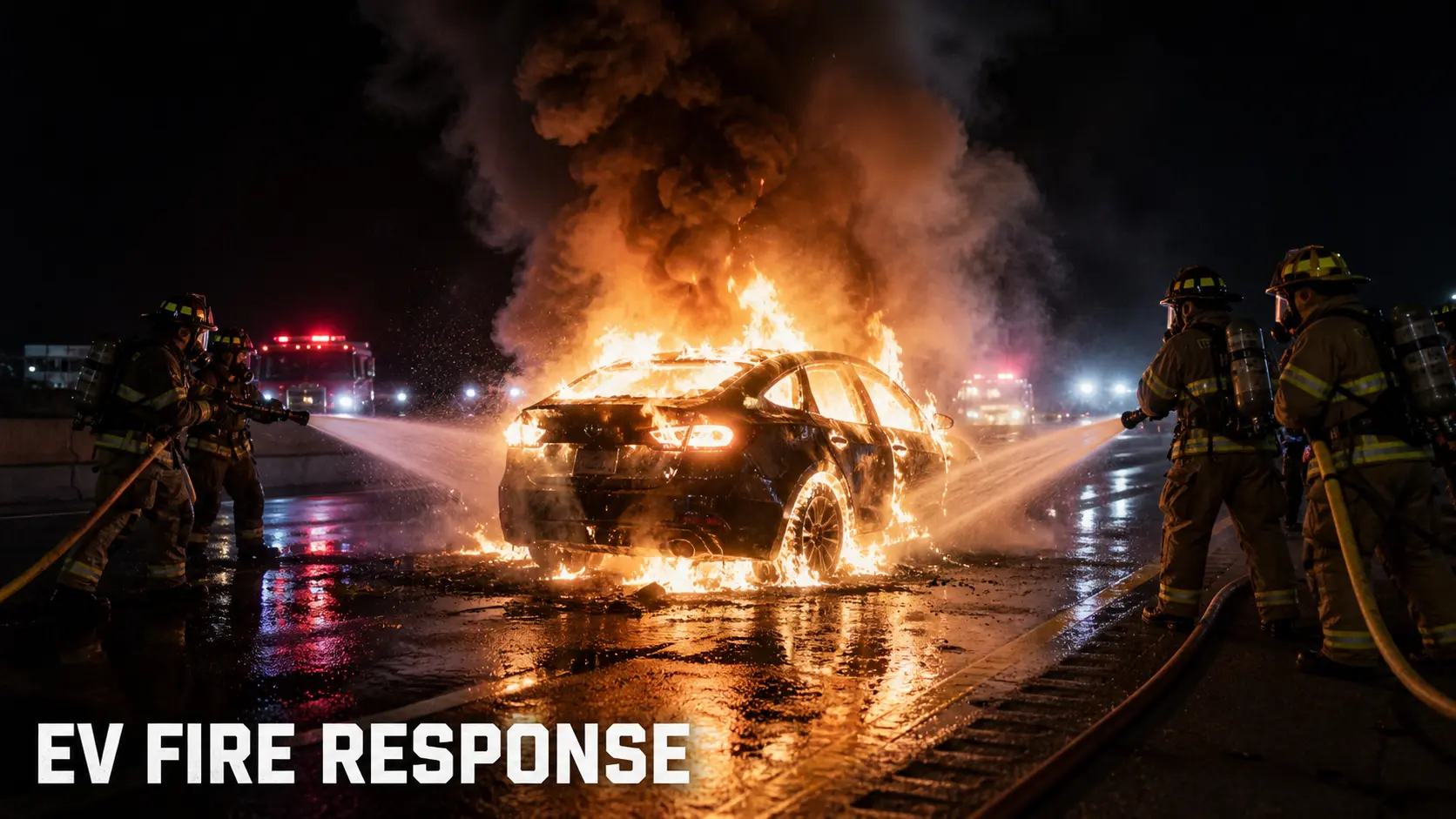
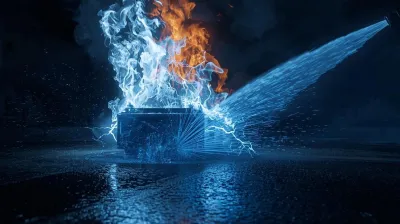
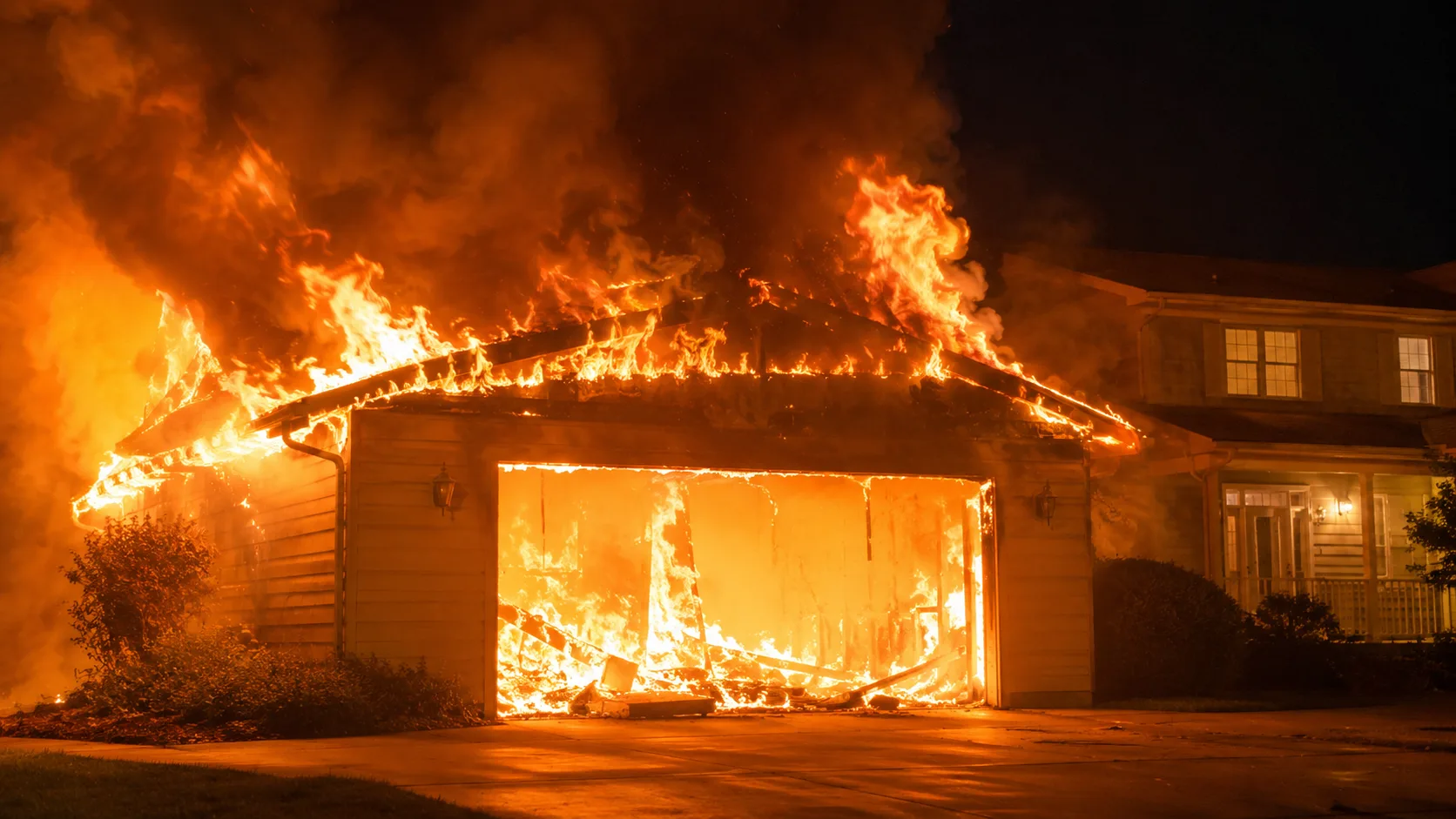
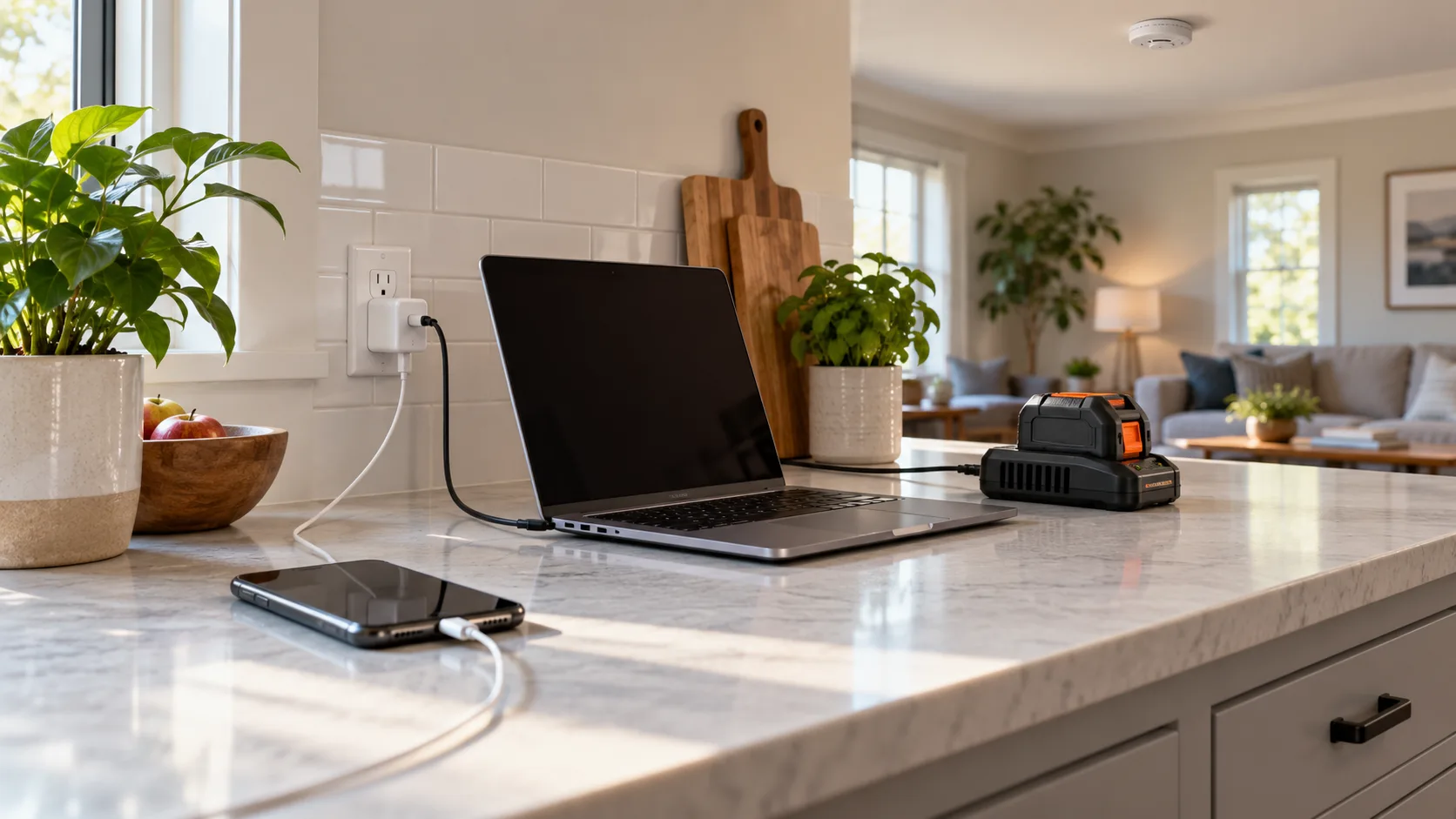
The cover and two explanatory images are editorial illustrations, not photographs or reconstructions of the Hayward scene.
Tesla Semi fire in Hayward: the I-880 closure timeline
The incident occurred in the southbound lanes near State Route 92, with restrictions affecting the Winton Avenue area. ABC7, citing the California Highway Patrol, reported the following sequence. All times below are local, Pacific Daylight Time (PDT).
| Time | Reported development |
|---|---|
| About 5:35 p.m., Oct. 27 | The electric big rig caught fire on southbound I-880 near Route 92. |
| By 5:45 p.m. | CHP closed both directions between Winton Avenue and Route 92 because of the potential smoke hazard. |
| 7:45 p.m. | CHP warned that the battery fire could last 15–18 hours and southbound lanes would remain closed. |
| About 8:40 p.m. | Northbound lanes reopened. |
| About 3:30 a.m., Oct. 28 | CHP announced the southbound lanes were open, according to Bay City News reporting carried by SFGATE. |
The southbound restriction therefore lasted roughly nine hours and 45 minutes from the reported full closure to the reopening announcement. That is an approximate traffic timeline, not a measured duration of battery thermal runaway. The updated Bay City News report supersedes earlier stories that still described the freeway as closed.
Watch: KTVU coverage of the Tesla Semi fire on I-880
Why did a truck fire close both directions of I-880?
CHP's initial public alert identified the potential for hazardous chemical smoke as the reason for a complete shutdown. A road closure can protect motorists from a plume as well as give emergency crews room to operate. Its scope need not match the lane where the vehicle is stopped.
Early NBC Bay Area coverage reported a southbound diversion at Winton Avenue and warned of major delays. Those directions describe the incident response, rather than an ongoing detour after reopening.
The smoke warning does not, by itself, establish a measured concentration of a particular chemical. No public air-monitoring results or off-site exposure measurements were identified in the sources used here.
What caused the Tesla Semi battery fire?
The driver told CHP that the truck caught fire and that they did not know why, ABC7 reported. That account leaves the origin question open. Battery involvement is not proof that a battery defect was the first event.
A final explanation would need to distinguish where the fire began from what burned afterward. Images of a damaged tractor cannot establish whether an electrical fault, an external heat source or another failure initiated the event. This report does not assign a cause.
Why are lithium-ion battery fires difficult to extinguish?
Thermal runaway can continue inside the pack
The U.S. Fire Administration describes thermal runaway as uncontrolled heating that can develop into a chain reaction. A failing cell can release heat and flammable gases, exposing neighboring cells to conditions that may trigger further failures. Popping, hissing, venting and rising temperatures can be warning signs.
Suppressing visible flame and stopping that internal process are different tasks. A battery can retain hot areas after flames disappear, and a damaged pack may reignite. This is why the absence of visible fire is only one part of a post-fire assessment.
Water has to influence heat behind protective construction
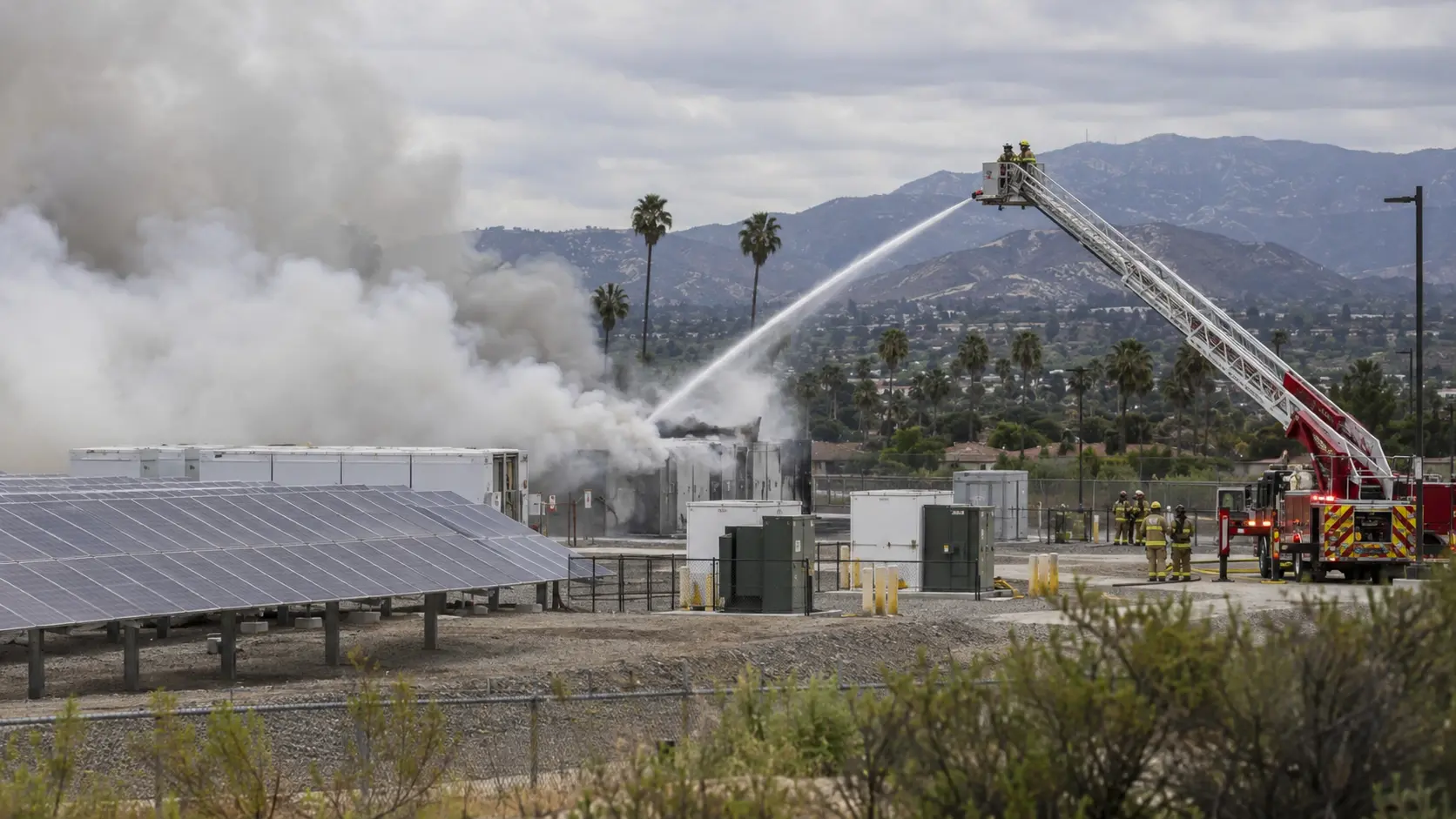
A traction battery is an engineered assembly, rather than an exposed pile of cells. Protective construction can make it difficult for a hose stream to reach the heat source. In FSRI's water-suppression experiments, researchers examined the challenges of applying water to cells protected inside battery packs. Some experiments interrupted thermal runaway, while others demonstrated the limits of access.
The practical question is therefore more specific than whether water can put out a fire: can the chosen application control the burning vehicle, cool the affected area and protect exposures under the conditions present?
There is no reliable gallon count for every electric truck fire
The USFA/NHTSA response operations guide identifies water as the best available agent in the literature it reviewed, while emphasizing differences between vehicle designs. It also notes that EV incidents may require sustained water delivery beyond conventional vehicle-fire expectations. The guide focuses on passenger cars and light trucks; its figures and examples should not be treated as a Semi-specific formula.
No verified water-use total for Hayward was available in the sources reviewed. A number taken from a different truck fire would give a false impression of what crews used on I-880.
What Tesla's Semi rescue sheet says about fire response
Tesla publishes a Semi-specific emergency response rescue sheet. Its fire and recovery warnings include:
- Use substantial water application to cool the battery enclosure.
- Do not submerge the vehicle as a battery-fire extinguishing or cooling method.
- Account for possible battery reignition and monitor high-voltage battery temperature for at least 24 hours.
- Check battery temperature before transport.
- After a fire, store the vehicle outdoors, separated by at least 50 feet/15 meters from other vehicles and structures.
The sheet also warns against cutting or opening high-voltage components and cables, and explains that a quiet truck may still be capable of movement. These are manufacturer instructions for trained responders. They do not establish which actions Hayward crews took or when a particular operation was completed.
Firefighter safety at an electric heavy-truck fire
A freeway incident combines a burning vehicle with traffic exposure, smoke movement and a potentially prolonged recovery. The following considerations explain the hazards crews must assess; they are not an after-action account of this response.
Respiratory protection and contamination control
The USFA response guide calls for SCBA at confirmed or suspected EV fires because batteries and other vehicle materials can release toxic combustion products. Exposure can also occur through contaminated gear and debris. Firefighter protection therefore extends beyond the initial attack to overhaul and decontamination.
FSRI's August 2026 guidance supports approaching from upwind, making use of hose-stream reach and limiting contact with debris and runoff. Its research provides an evidence base for managing exposure; it does not identify the chemical levels at Hayward.
High voltage and stranded energy
NTSB Safety Report 20/01 explains that damaged batteries can retain electrical energy. This stranded energy creates both shock hazards and the potential for later thermal runaway. Damage may also prevent specialists from accessing the systems normally used to evaluate battery condition.
A truck appearing burned out does not prove its battery has discharged. Similarly, a cooler exterior reading cannot establish that every internal cell is harmless. Isolation, monitoring and specialist support are separate from simply turning off the vehicle.
Suppression decisions must follow conditions
FSRI's 2026 recommendations retain life safety as the first priority and support initial water application with a standard handline. Where confirmed battery involvement resists the initial effort, its guidance allows continued water use for exposure protection and preventing cabin reignition while the battery burns out. This is a condition-based decision, rather than a rule to let every electric vehicle burn.
Vehicle-specific information matters. USFA's guidance on emergency response documents emphasizes that makes and models differ in construction and hazards. Responders should use the relevant manufacturer material alongside local procedures and incident command decisions.
Would foam or an EV fire blanket solve the battery problem?
A photograph showing foam around a truck cannot establish that the agent stopped thermal runaway. Vehicle contents, surrounding exposures and the battery itself can present different suppression objectives.
Fire blankets also require care. In a joint research notice, FSRI and the Fire Protection Research Foundation reported that a blanket could suppress flaming while battery reactions continued to release flammable gases. Accumulation beneath the blanket created an explosion risk in experiments. Removing flames from view is not enough to demonstrate battery stabilization.
How Hayward differs from the 2024 Tesla Semi fire on I-80
The NTSB's preliminary report on the August 19, 2024 Emigrant Gap incident documented a roadway departure and collision before the battery system ignited. Responders used approximately 50,000 gallons of water, monitored temperature and air quality, and kept the two directions of I-80 closed for approximately 14 and 15 hours.
The truck was then monitored at an outdoor facility for 24 hours without observed reignition during that period. These are findings about the 2024 response. They are not Hayward's water consumption, closure duration or cause.
Why towing a burned electric truck takes planning
Recovery moves the hazard from one location to another; it does not automatically remove it. NTSB's earlier battery-fire investigations documented reignition after initial extinguishment and identified a need for better recovery and storage information. Its 2021 safety announcement describes the connection between stranded energy, thermal runaway and the safety of first and second responders.
A useful handoff must tell recovery personnel what vehicle is involved, what hazards remain and what manufacturer guidance applies. The time when a lane reopens is a traffic-management milestone, rather than proof that the recovered battery no longer requires attention.
Questions drivers and fire crews are asking
Is I-880 open after the Hayward Tesla Semi fire?
Yes. CHP Hayward's October 28 update confirmed all lanes had reopened. Check current road information for later incidents or restrictions.
Was anyone hurt?
No injuries were reported in the CHP information carried by ABC7.
Did the Tesla Semi burn for 18 hours?
The 15–18-hour figure was an early estimate. It should not be reported as the measured burn time.
Did firefighters use 50,000 gallons in Hayward?
No verified Hayward total was identified. The widely cited 50,000-gallon figure belongs to the separate 2024 I-80 incident.
Does this incident prove electric trucks catch fire more often?
A single incident cannot establish a comparative fire rate. That would require comparable fleet exposure, reporting definitions and investigation data.
Sources and further reading
Incident reporting draws on CHP Hayward's linked closure and reopening announcements, ABC7's CHP-based timeline, NBC Bay Area and Bay City News/SFGATE. Technical explanations use Tesla's Semi rescue sheet, USFA publications, NTSB investigations and FSRI research linked beside the relevant passages. The exact ignition cause and Hayward's suppression-water total remained unverified at publication.
For more operational background, see our electric vehicle fire response guide and lithium battery fire science explainer. Drivers can also review what to do when a vehicle catches fire.
Comments 0
No comments yet. Be the first to share your thoughts!
Leave a Comment