
Transitional Fire Attack: When to Hit It from the Outside First
The phrase "hit it hard from the yard" has gone from a heretical suggestion to mainstream fire service doctrine in less than a decade. Driven by UL Fire Safety Research Institute (FSRI) and NIST research on modern fire dynamics, transitional attack — applying water from the exterior before interior crews advance — is now a recognized and often recommended first action for residential fires with significant fire showing. This guide explains the science, the procedure, and the important nuances around when it helps and when it does not.
Jump to:What transitional attack is · The science behind it · When to use it · Procedure · The debates · Transitional attack and rescue · FAQ
What Transitional Attack Is
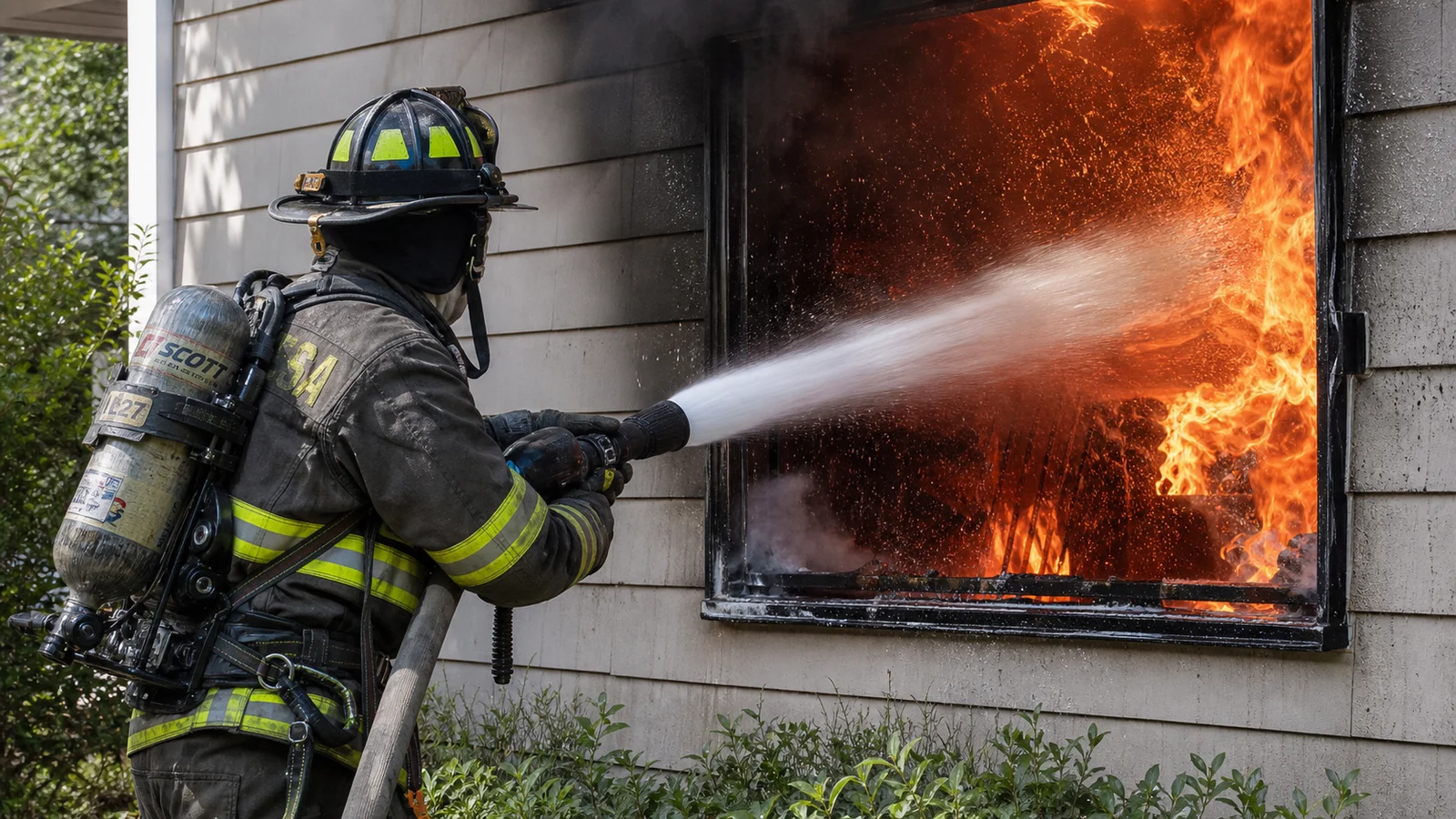
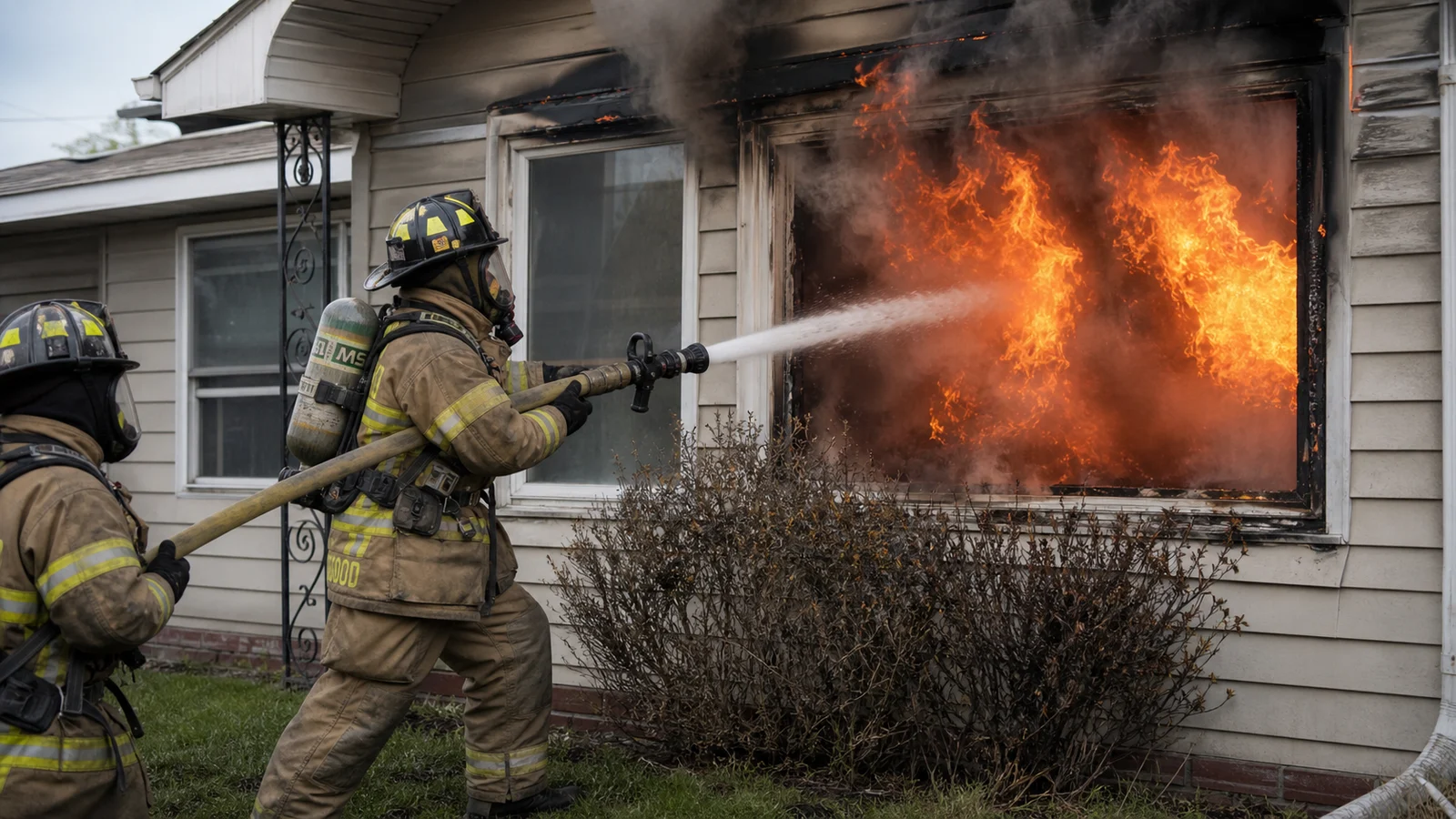
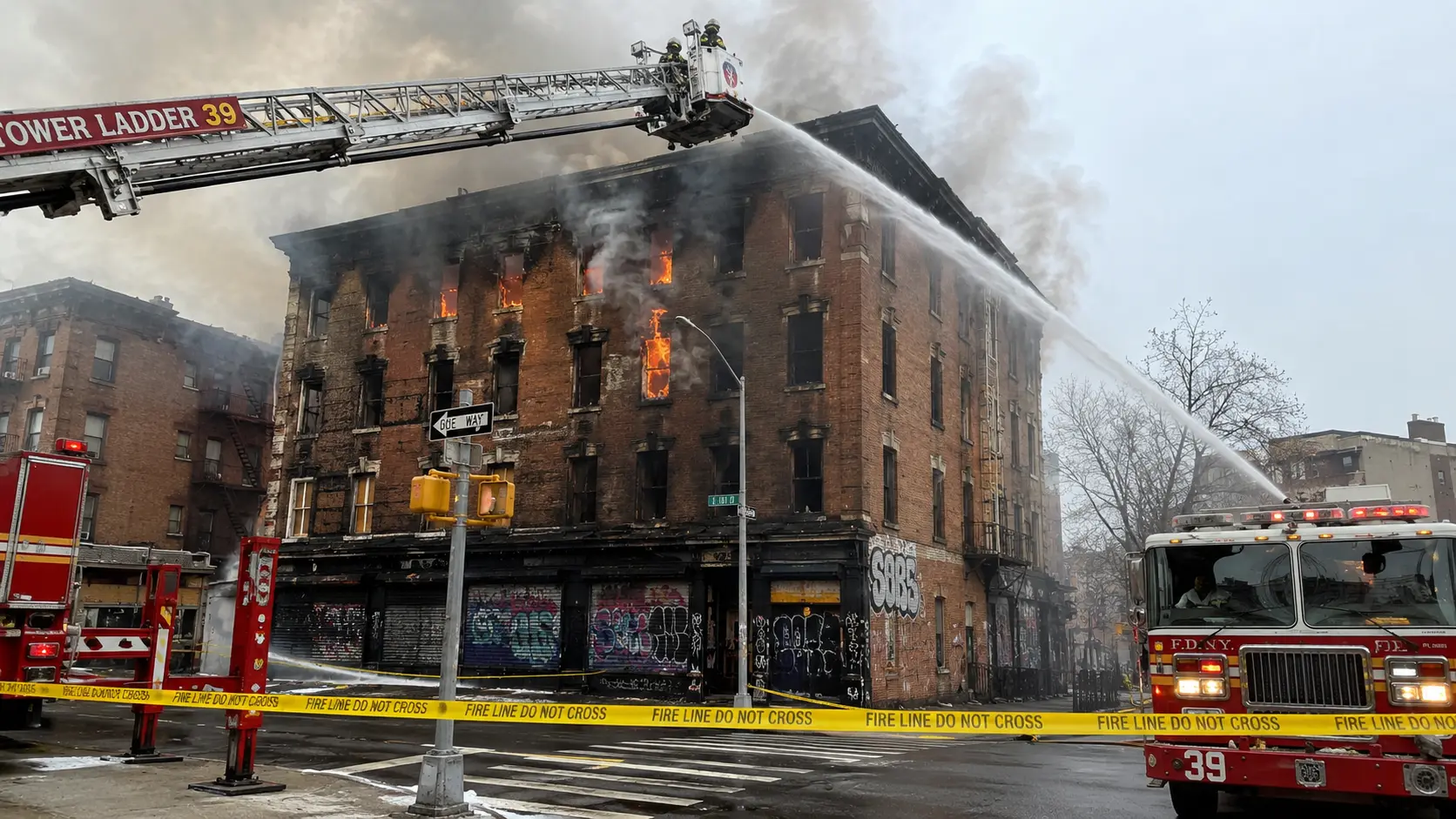
Transitional attack means applying water to the main body of fire from the exterior — through a window, door, or other opening — for a brief period (typically 10–30 seconds) before interior crews advance with the attack line. It is not a defensive operation. It is a transitional step between arrival and interior attack that temporarily reduces fire intensity to improve conditions for interior crews.
It is distinct from:
- Defensive operations — exterior master streams with no intent to go interior
- Traditional interior attack — entry and advance without any prior exterior application
- Blitz attack — high-volume exterior application designed to knock down fire before any interior commitment
The Science Behind Transitional Attack
UL FSRI research on modern residential fire dynamics established several findings that inform the transitional attack approach:
- Modern fires are ventilation-controlled. Synthetic furnishings and tight construction mean most residential fires today are oxygen-limited before arrival. They are not burning to their full potential — they are waiting for air.
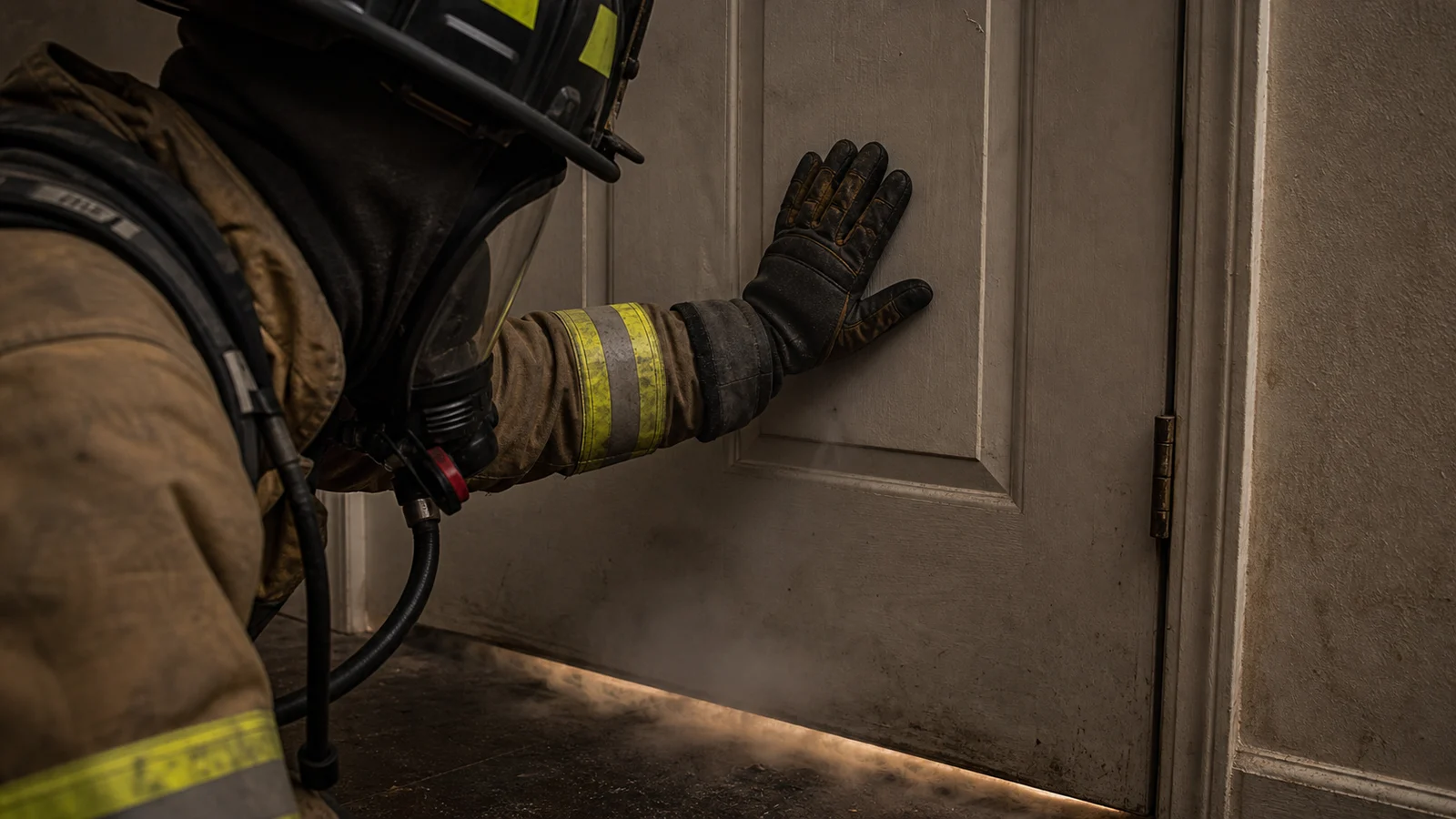
- Opening a door for interior attack provides that air. The act of opening the front door for interior crew entry can trigger a rapid increase in fire intensity — the fire gets the oxygen it needs just as firefighters are entering.
- Exterior water application before door opening reduces this hazard. By knocking down the main body of fire from the exterior before opening any door, the peak heat release rate at the moment of entry is substantially lower.
- Cooling from the exterior does not push fire or steam onto interior victims. This was the primary historical objection to exterior water application. FSRI research showed that in most residential scenarios, brief exterior water application does not significantly push products of combustion onto victim locations.
The research is clear: For a ventilation-limited residential fire with significant fire showing, a brief exterior water application before interior entry improves conditions for both firefighters and potential victims by reducing the heat release rate at the moment of door opening.
When to Use Transitional Attack
| Condition | Transitional attack indicated? |
|---|---|
| Significant fire visible through window or door opening | Yes — prime indication |
| Heavy black smoke pushing from structure (ventilation-limited) | Yes — apply before opening doors |
| Basement or below-grade fire | Yes — exterior application through window before interior commitment |
| Known victim on the floor of origin, confirmed room location | Consider — brief exterior application still reduces entry hazard |
| Small room-and-contents fire, well-ventilated, crews can go direct | No — direct interior attack is faster |
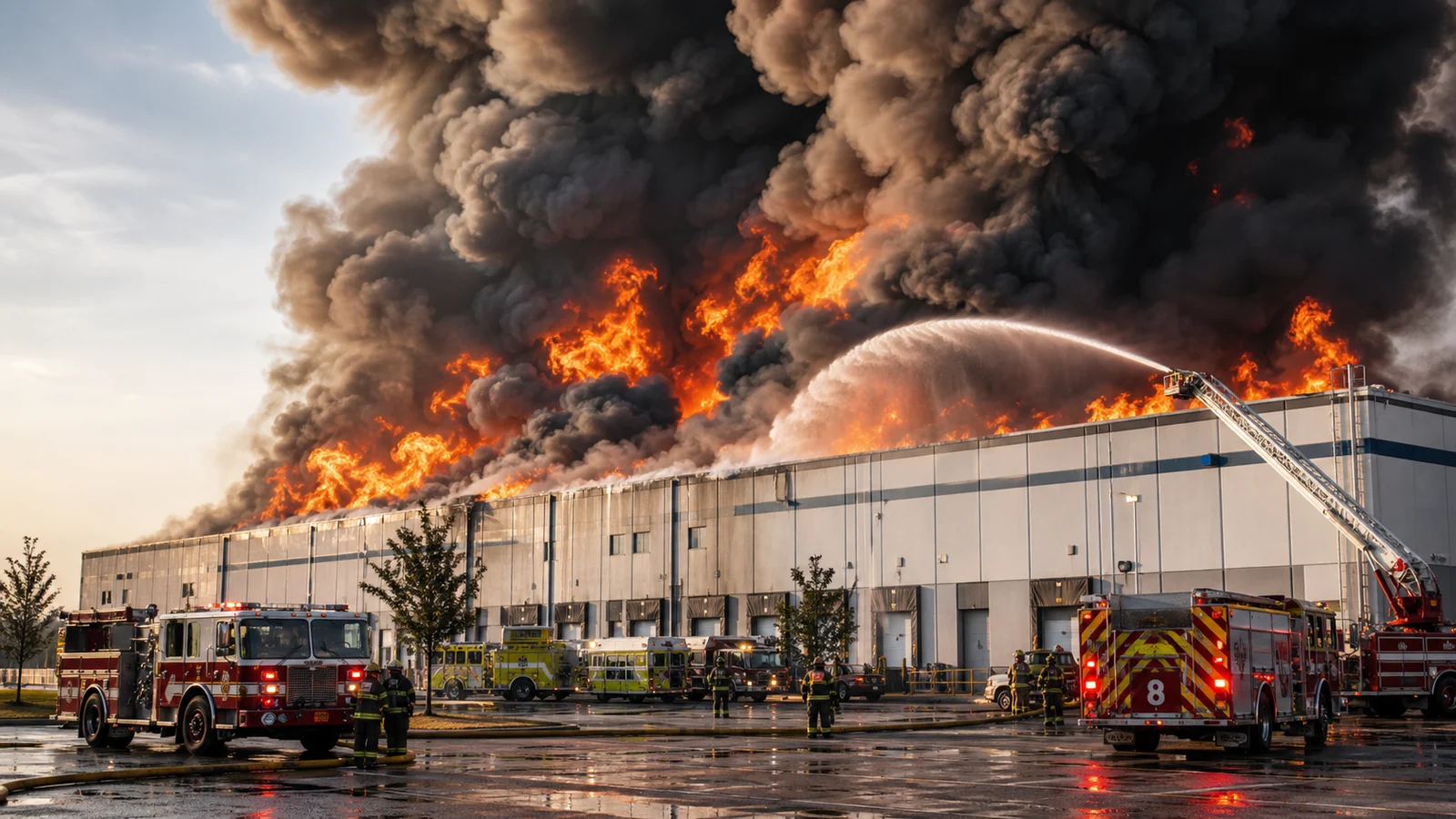
| Fire fully involved, defensive operations | No — this is defensive, not transitional |
Procedure
- Position the line before the door is opened. The exterior application point (window, open doorway from outside) is used — the entry door should not be opened until after application.
- Apply a straight or solid stream into the main body of fire for 10–30 seconds. Not a fog pattern — a straight stream reaches the seat of the fire and produces less steam in the entry path.
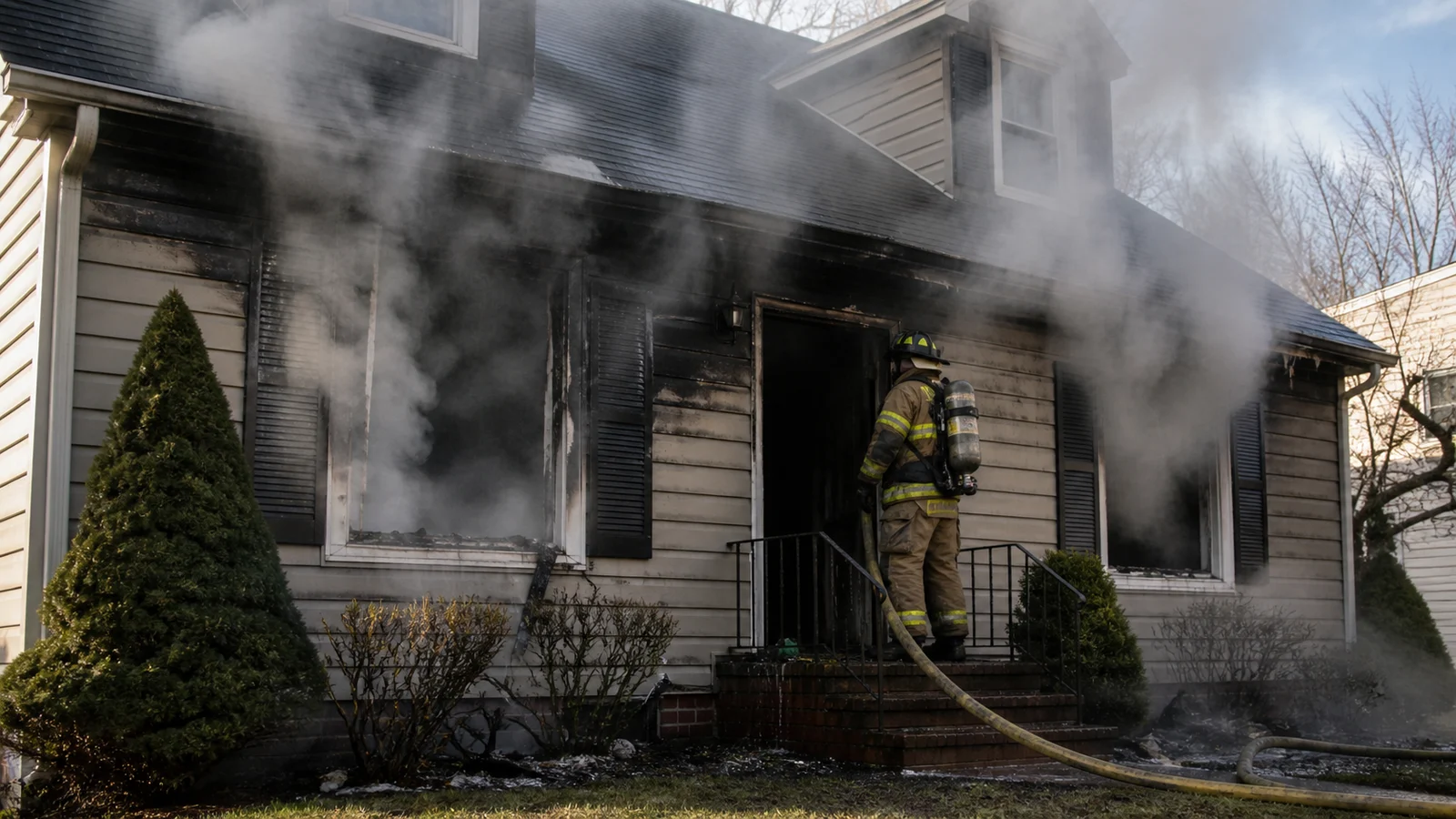
- Watch for darkening smoke — the indicator of success. Black smoke lightening to gray or white indicates steam production and fire knockdown. Brown smoke indicates ongoing combustion.
- Transition to interior immediately. Move the line to the entry door and advance interior. Do not delay — the goal is to improve entry conditions, not conduct a prolonged exterior operation.
- Communicate with IC. The officer confirms exterior application is complete before interior entry. Coordination between exterior and interior crews is essential.
The Debates
Transitional attack is not without controversy in the fire service. The main objections:
- "It pushes steam onto victims." The research does not support this as a consistent outcome for properly applied straight stream exterior attacks in residential structures. Fog patterns directed into a room can create steam spread; straight streams applied to the seat of fire produce localized steam that does not systematically push through the structure.
- "It delays interior attack and rescue." A 15–30 second exterior application adds minimal time to the overall operation while substantially reducing the thermal environment interior crews enter. On balance, it improves survivability for both firefighters and victims.
- "We've always done it the other way." Training and culture lag research. The UL FSRI data is among the most rigorously produced in fire service history. Departments that have adopted transitional attack protocols consistently report improved fireground conditions for interior crews.
Frequently Asked Questions
Does exterior water application push fire and steam onto interior victims?
Research by UL FSRI shows that a straight stream briefly applied to the seat of fire from the exterior does not systematically push products of combustion onto victim locations in residential structures. Fog patterns can cause localized steam spread, but straight streams applied correctly minimize this risk.
How long should you apply water from the exterior before going interior?
Typically 10–30 seconds — just long enough to knock down the main body of fire and see smoke begin to lighten. Transitional attack is not a prolonged exterior operation. The goal is to improve interior entry conditions, then advance immediately.
Is transitional attack the same as defensive firefighting?
No. Defensive firefighting uses exterior master streams with no intent to go interior. Transitional attack is a brief exterior action specifically designed to improve conditions for interior attack. It is an offensive tactic, not a defensive withdrawal.


Comments 0
No comments yet. Be the first to share your thoughts!
Leave a Comment