Wildfire Smoke & Air Quality Index (AQI): How to Read It and Protect Yourself Today
Last updated:
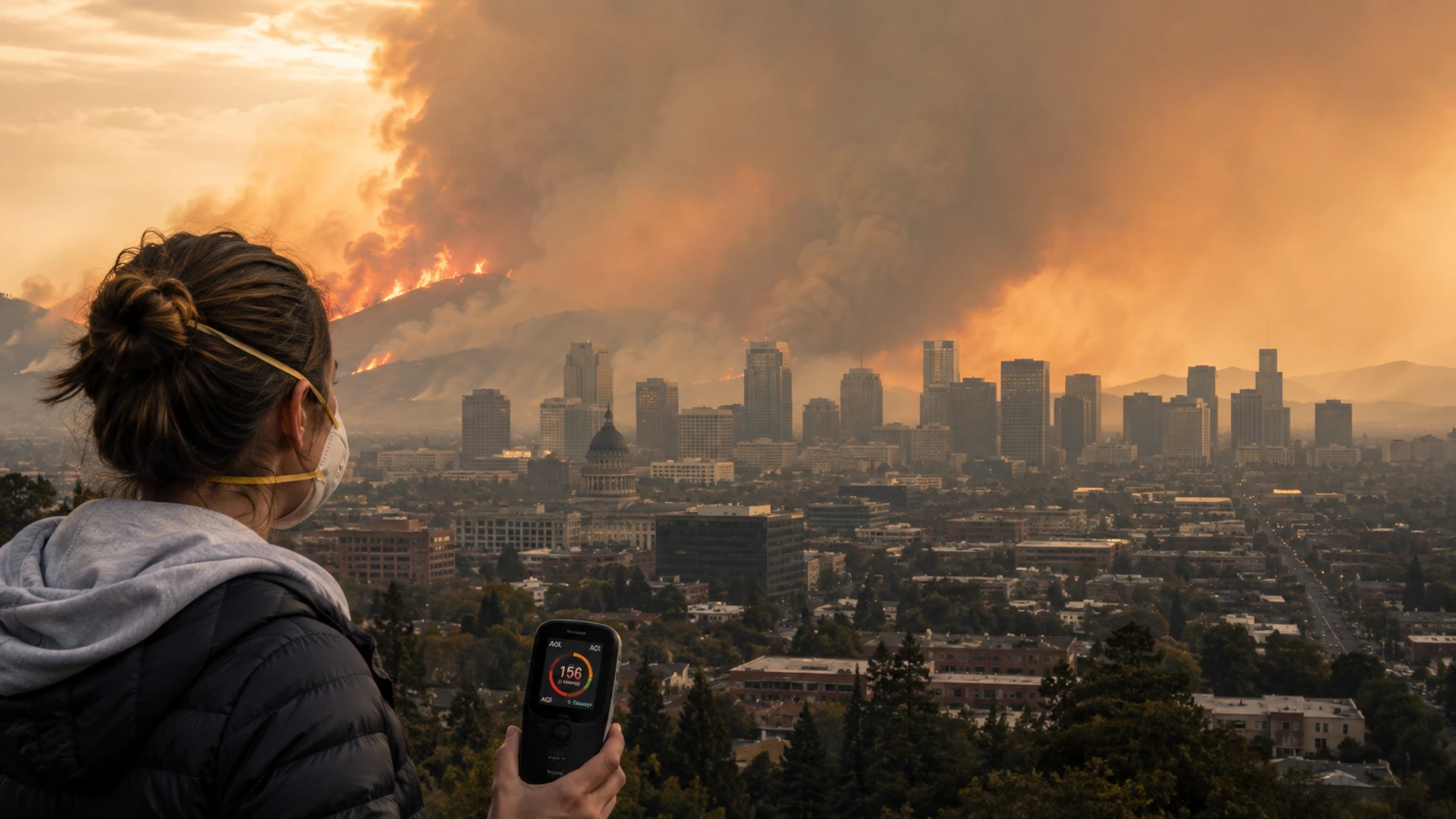
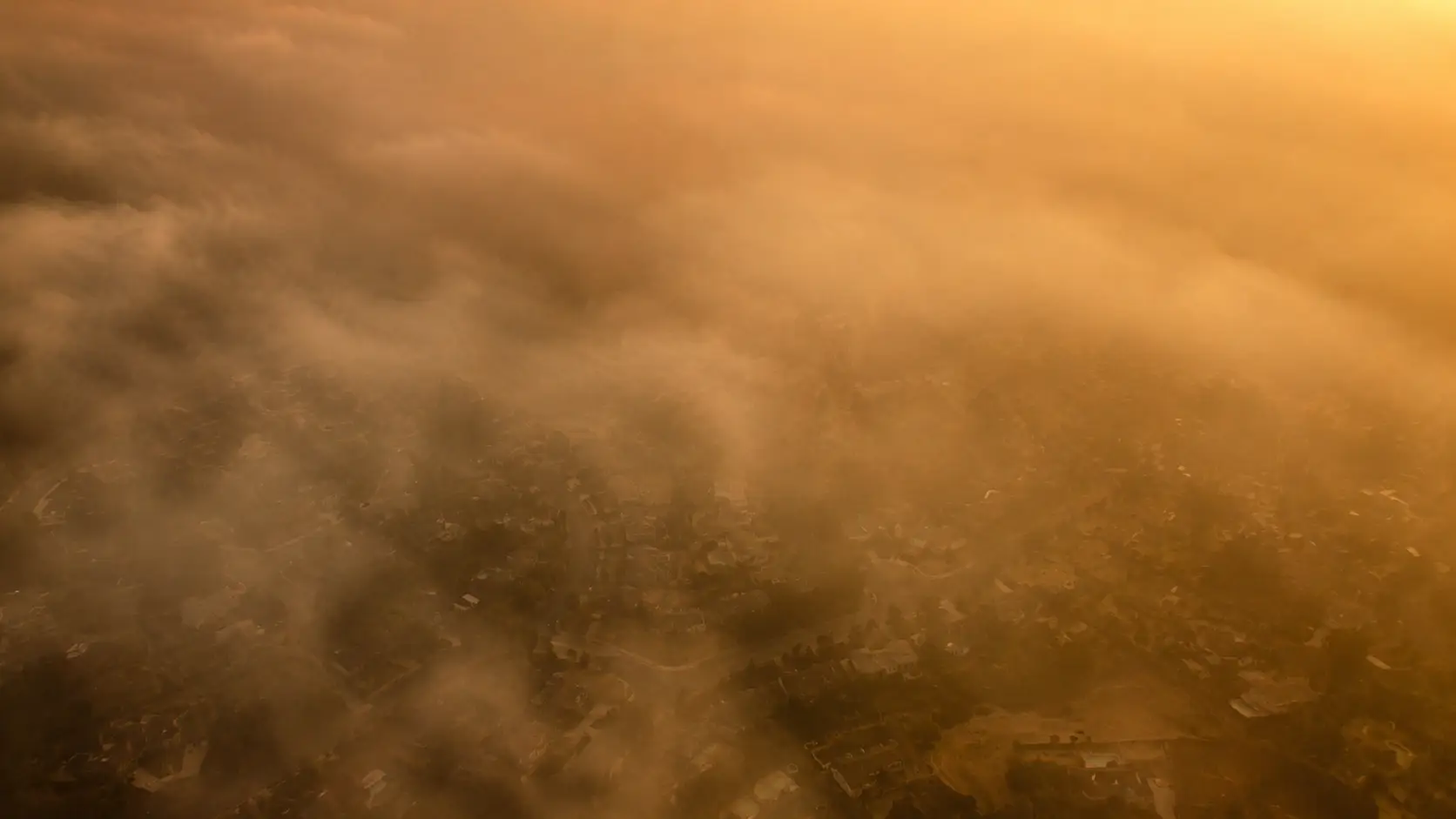
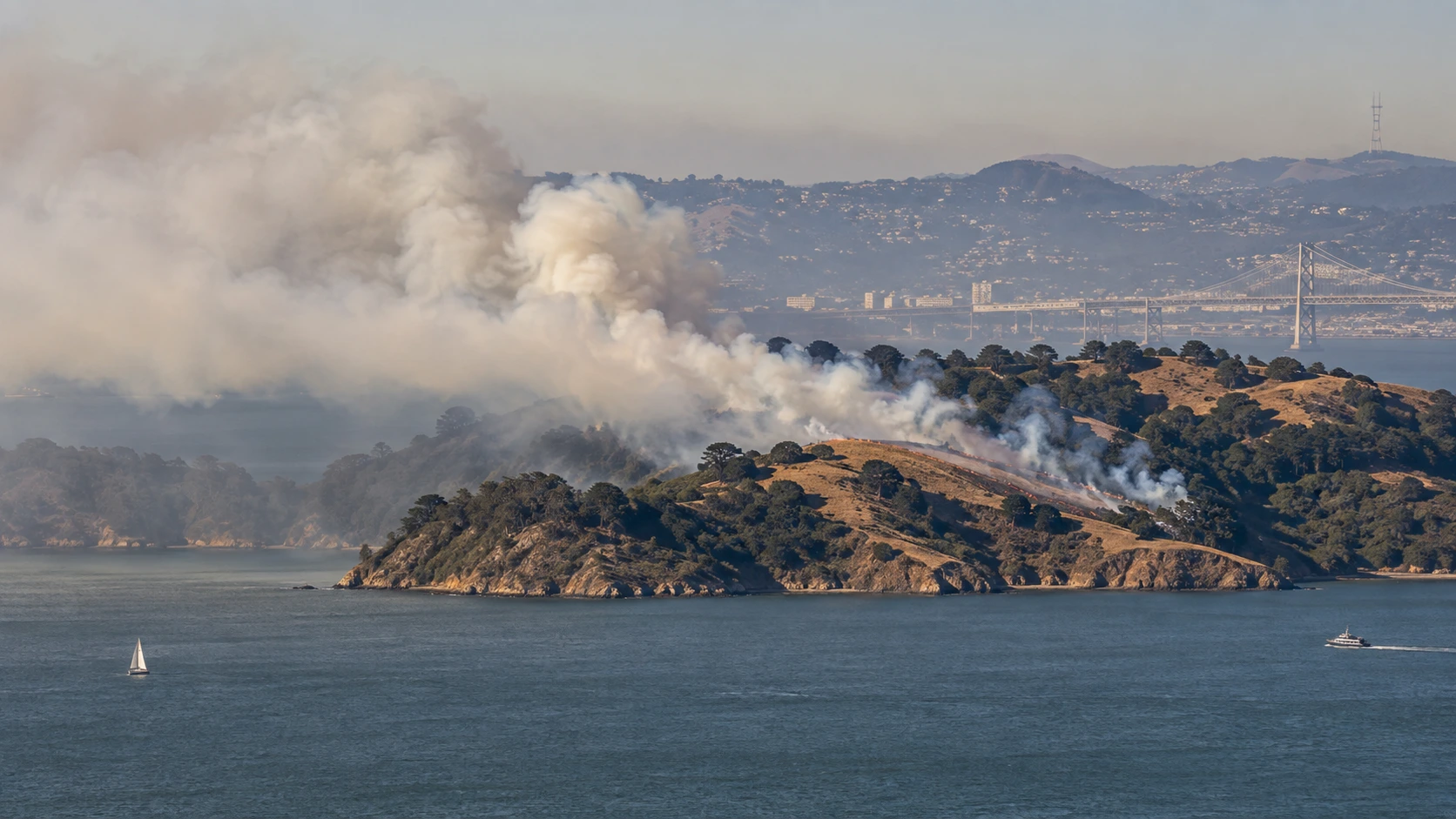
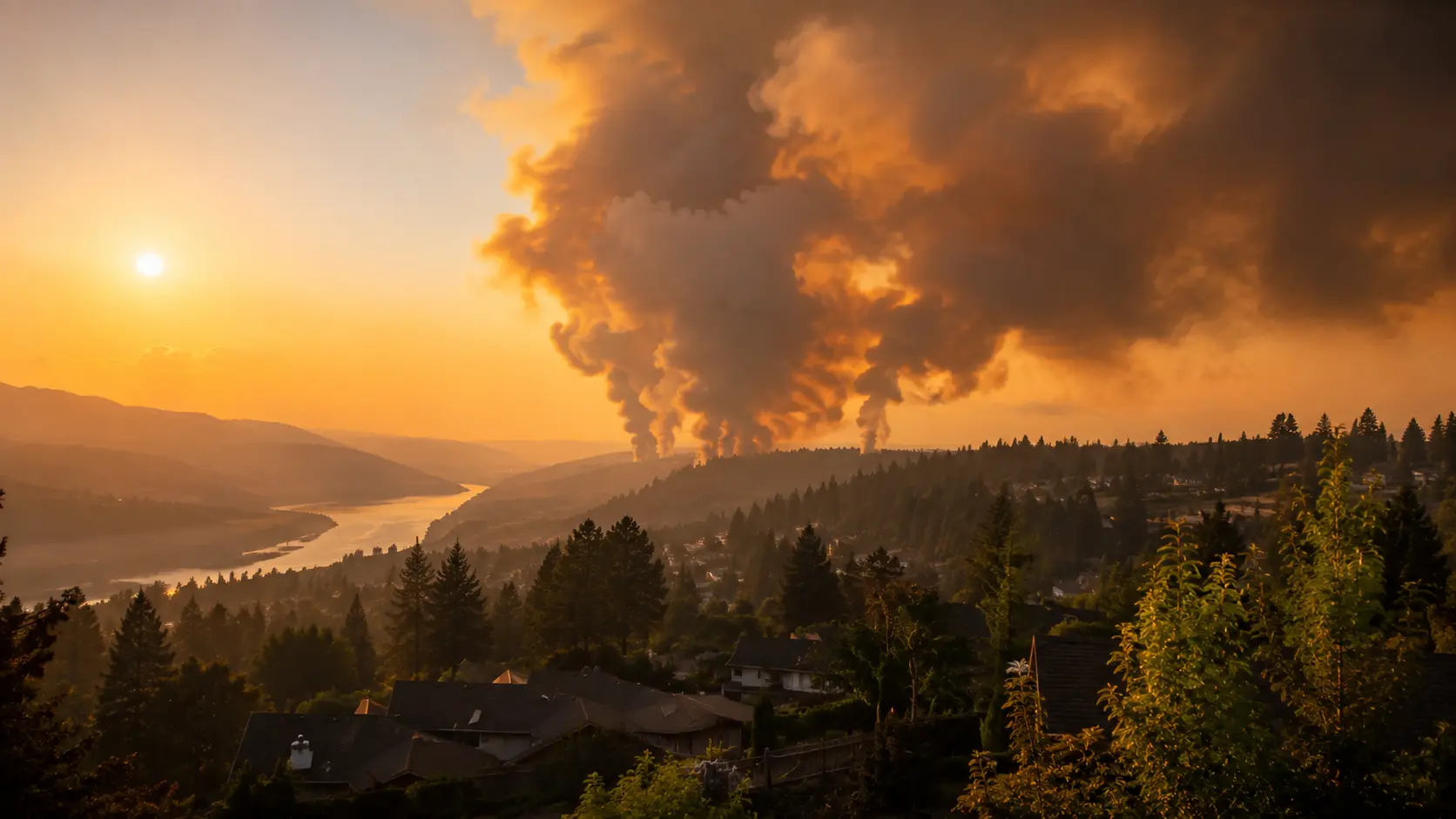
Most people who search for wildfire smoke information never see a fire. A fire burning in Oregon can turn the sky over Chicago hazy three days later; a fire in New Mexico can push particulate pollution into cities hundreds of miles downwind. If you're checking an air quality map today, odds are you're not evacuating anything — you're deciding whether it's safe to send your kid to soccer practice. This guide is the practical version of that decision: how to read the AQI, where to check it, which mask actually helps, and when to just get indoors. For the deeper research on what smoke exposure does to your lungs, heart, and long-term health, see our wildfire smoke health effects report.
Check a specific fire:Live Wildfire Tracker · Check today's air:AirNow.gov (official EPA/NOAA map)
What's Actually in Wildfire Smoke
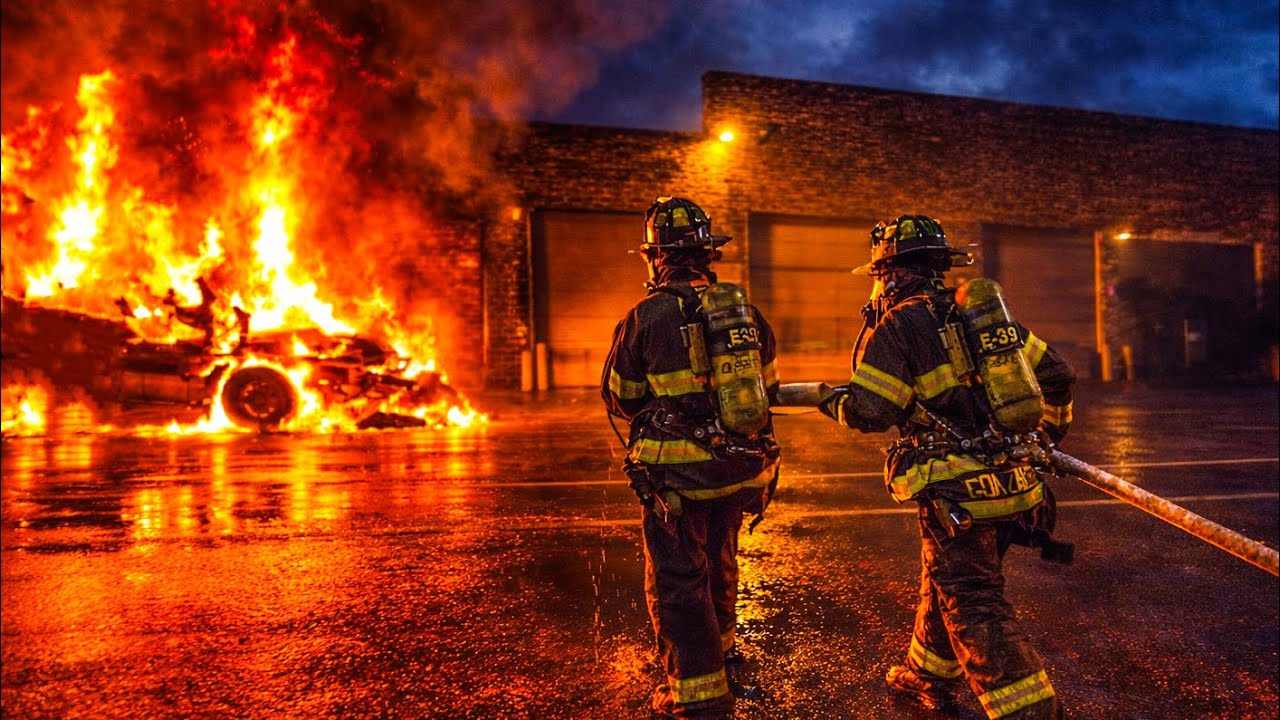
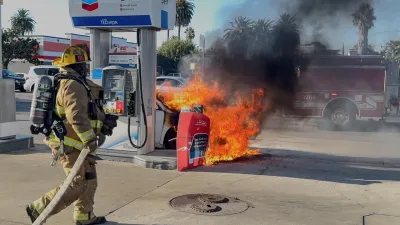
Wildfire smoke isn't one thing — it's a shifting mix of gases and particles, and the one that drives almost every health warning is PM2.5: fine particulate matter smaller than 2.5 micrometers, roughly 1/30th the width of a human hair. PM2.5 is small enough to bypass your nose and throat's natural filtering and lodge deep in the lungs. Alongside it, wildfire smoke typically carries carbon monoxide, volatile organic compounds, and other combustion byproducts. Structure fires add their own layer of toxicity beyond a purely vegetation-fed wildfire — see our post-wildfire ash and debris guide if you're cleaning up after a nearby structure fire.
Reading the Air Quality Index (AQI)
The AQI is the EPA's standardized 0–500 scale for reporting how polluted the air is right now, built primarily around PM2.5 and ground-level ozone. It's color-coded on purpose — you don't need to know the number to get the message:
| AQI Range | Category | What to Do |
|---|---|---|
| 0–50 | Good | No restrictions — normal outdoor activity for everyone. |
| 51–100 | Moderate | Fine for most people; unusually sensitive individuals should watch for symptoms. |
| 101–150 | Unhealthy for Sensitive Groups | Kids, older adults, pregnant people, and anyone with heart or lung disease should cut back on prolonged outdoor exertion. |
| 151–200 | Unhealthy | Everyone should start limiting prolonged outdoor exertion, not just sensitive groups. |
| 201–300 | Very Unhealthy | Health alert — avoid outdoor exertion entirely; move activities indoors. |
| 301+ | Hazardous | Emergency conditions — everyone should stay indoors with air filtration running. |
Two practical notes. First, during fast-moving smoke events agencies use a shorter-term "NowCast" calculation so the number reflects the last few hours, not a stale daily average. Second, there's no safe floor — research on PM2.5 hasn't found a clean threshold below which effects definitely stop, which is why sensitive groups are told to take precautions even in the Moderate range.
Where to Actually Check Air Quality
- AirNow.gov — the official EPA/NOAA map, built from regulatory-grade monitoring stations. This is what most local news and health departments quote.
- State DEQ/environmental agency smoke maps — Oregon, Washington, and California run their own detailed smoke-forecast maps that go further than AirNow's station data alone.
- Low-cost sensor networks (PurpleAir and similar) — denser coverage for hyper-local readings, but raw values run higher than regulatory monitors in smoke; use the "corrected/AQI-equivalent" toggle if the map offers one.
- Our live wildfire tracker — for the fire itself: acreage, containment, and evacuation-relevant details from NIFC data. Air quality and fire status are different questions; smoke can make a city's air Unhealthy from a fire burning a thousand miles away with zero local evacuation risk.
Who Should Be Most Careful
- ✓Children — smaller airways, higher breathing rate relative to body size, more time playing outdoors.
- ✓Adults 65 and older, especially with existing heart or lung conditions.
- ✓Pregnant people.
- ✓Anyone with asthma, COPD, or cardiovascular disease — smoke can trigger flare-ups and raises ER visits during smoke events.
- ✓Outdoor workers — construction, agriculture, delivery, landscaping — anyone who can't move the job indoors on a bad-air day.
Symptoms — and When to Stop Waiting It Out
Mild irritation — scratchy throat, watery eyes, a cough, a headache — is common on a smoky day and usually resolves in cleaner air. Treat the following as your signal to get medical care rather than wait it out:
Chest pain or tightness, difficulty breathing at rest, a racing or irregular heartbeat, dizziness, or a severe cough that won't ease — these warrant urgent medical attention, not another hour of watching the AQI number. See our full health effects breakdown for what's driving these risks.
Which Masks Actually Work
This is the most-searched, most-misunderstood part of smoke safety, and the CDC/NIOSH guidance is blunt: cloth masks, surgical masks, and bandanas — wet or dry — are not built to filter PM2.5 and don't seal against the face, so they offer little real protection. What works:
- NIOSH-approved N95 — the standard recommendation for most people. Filters at least 95% of fine particles when properly sealed. Look for the NIOSH stamp and approval number, and use two head straps rather than ear loops.
- KN95 — a reasonable backup, though certified to a different (non-NIOSH) standard and typically ear-loop, which seals less reliably.
- P100 — filters even more (99.97%+) and is reusable; a solid choice for extended exposure or ash cleanup.
Fit decides almost everything. A gap at the nose bridge or cheeks lets smoke bypass the filter — run a seal check by cupping both hands over the mask and inhaling sharply; it should pull in against your face with no leaking. A mask filters particles, not gases — if you can still smell smoke through a well-sealed respirator, get indoors.
Protecting the Air Inside Your Home
- Close windows and doors, and set HVAC to recirculate rather than pull in outside air.
- Run a HEPA air purifier, or build a DIY box-fan filter (a box fan with a MERV-13 furnace filter taped to the intake) as a cheap alternative.
- Pick one "clean room" if you can't filter the whole house — a bedroom with the door shut and its own purifier is enough for sensitive household members.
- Don't add to the problem indoors — skip candles, frying food, and non-HEPA vacuuming on heavy smoke days.
The Firefighter's-Eye View: Why the Fireline Manages Smoke So Deliberately
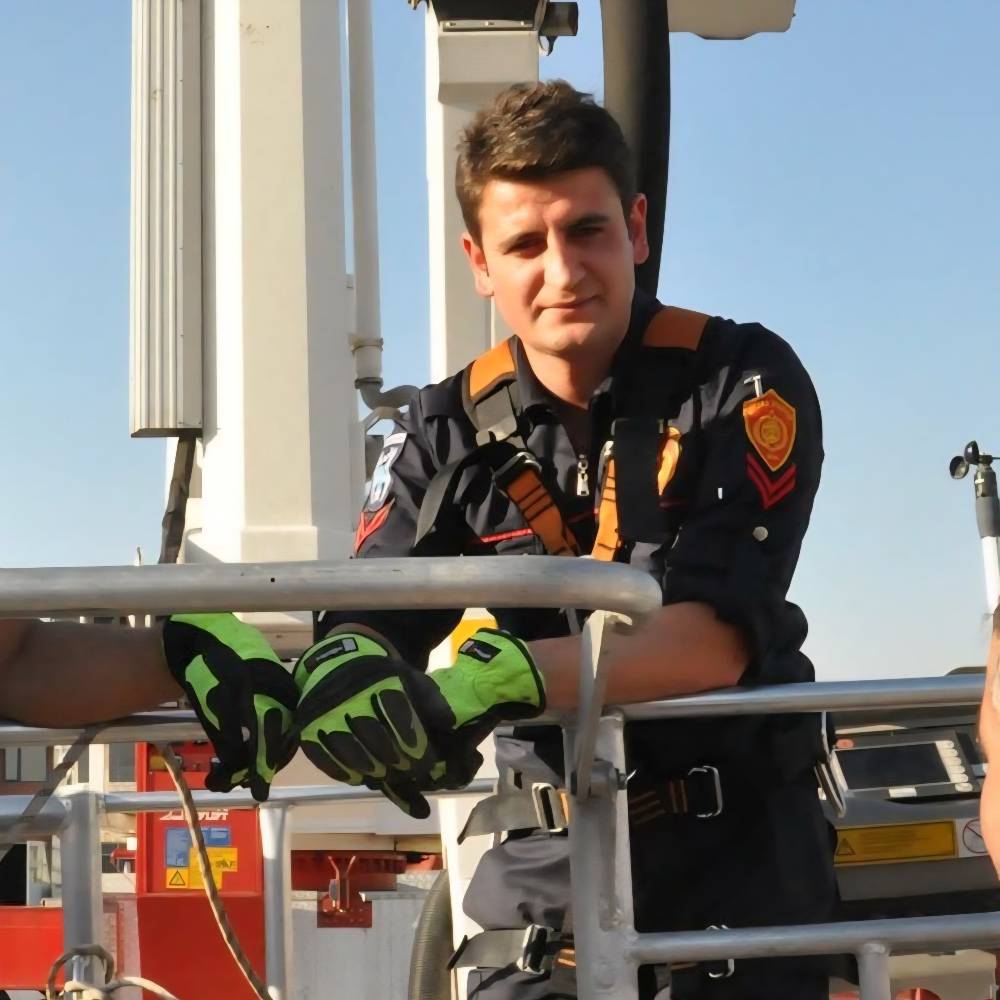
Here's what most smoke articles skip: wildland firefighters generally do not wear SCBA or respirators on the fireline. Unlike a structure fire, wildland operations run for hours or days over rugged terrain at a physical intensity that makes a sealed respirator impractical — there's currently no approved respiratory protection built for that job. Instead, exposure is managed operationally: crews rotate out of the heaviest smoke, rehab sectors track hydration and vitals, and hand-held PM monitors are increasingly used in the field to flag when a crew needs to pull back. If trained crews with rehab protocols and PM monitoring still treat heavy smoke as worth managing carefully, that's a reasonable cue for the rest of us not to treat a hazy orange sky as background noise. For what the exposure data says about long-term risk to firefighters themselves, see our firefighter cancer risk guide.
Smoke vs. Fire: Two Different Emergencies
"Is the air bad?" is an air-quality question — check AQI and act on the table above, wherever you are. "Do I need to evacuate?" is a fire-behavior question specific to your location, driven by official evacuation orders, not the AQI reading. If you live near an active fire, follow evacuation orders immediately when issued rather than waiting to see how bad the smoke gets first.
Frequently Asked Questions
Is it safe to exercise outside when there's wildfire smoke?
It depends on the AQI, not on whether you can see or smell smoke. Below 100 (Good/Moderate), most people are fine. From 101–150, sensitive groups should cut back on prolonged outdoor exertion. At 151 and above, everyone should limit or move exercise indoors.
Do N95 masks actually work for wildfire smoke?
Yes, when it's a genuine NIOSH-approved N95 with a proper seal — it filters at least 95% of the fine particulate matter that makes wildfire smoke dangerous. Cloth masks, surgical masks, and bandanas don't filter or seal well enough to help meaningfully.
How far can wildfire smoke travel?
Hundreds to thousands of miles. Fine particulate matter can ride upper-level winds well beyond the fire's immediate area, which is why cities with no wildfire risk of their own regularly see smoke-driven AQI spikes from fires burning in an entirely different region.
How long does wildfire smoke stay in the air after a fire is contained?
There's no fixed timeline — it depends on wind, weather, and how much material burned. Smoke can clear within a day of a wind shift, or linger for a week or more if stagnant weather traps it close to the ground. Containment refers to control lines, not whether the fire is still producing smoke.
Tracking a specific fire? Check our live wildfire tracker. Want the deeper research on smoke and long-term health? Read Wildfire Smoke Is More Dangerous Than You Think or, for firefighters specifically, our firefighter cancer risk guide.
Comments 0
No comments yet. Be the first to share your thoughts!
Leave a Comment