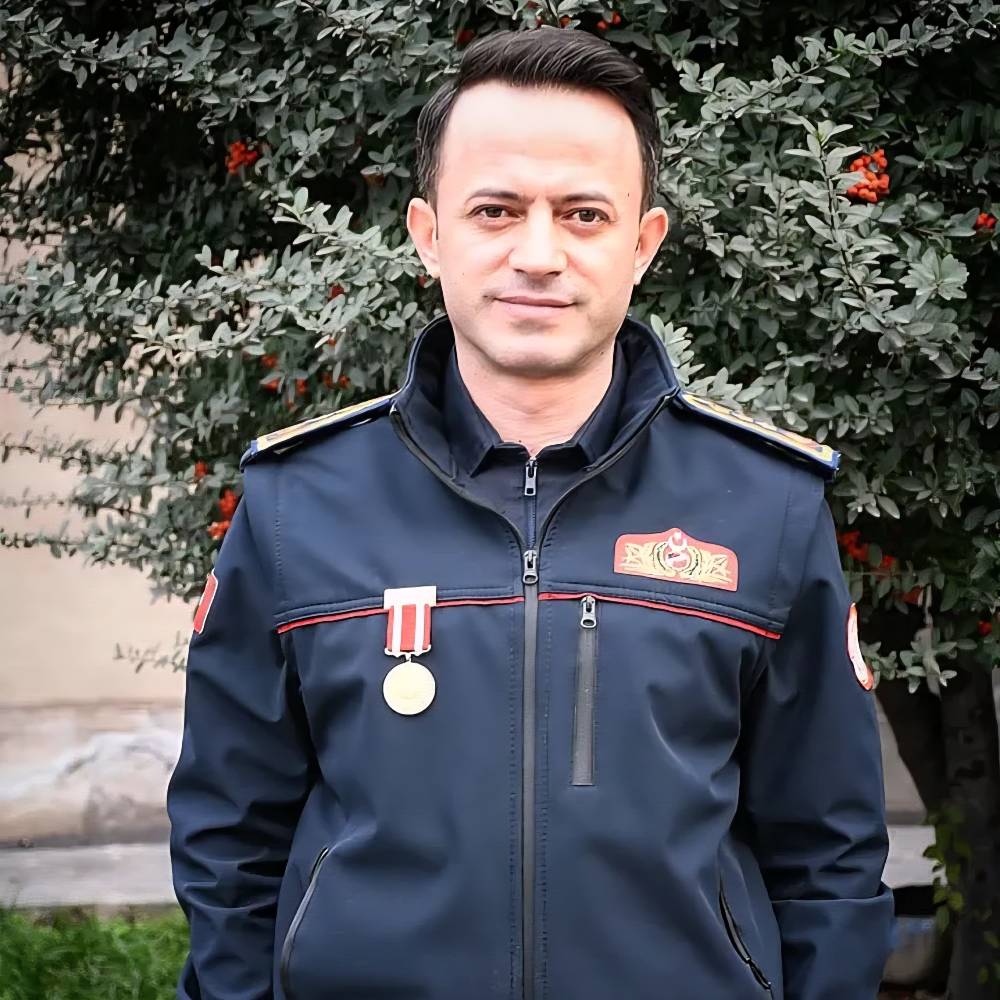
Koray Korkut is the Fire Department Director (İtfaiye Müdürü) of the Karabük Municipality Fire Department, appointed to the position in 2020. Born in 1984 in Karabük, Turkey, he began his career as a Firefighter with the Istanbul Metropolitan Municipality Fire Department in 2007, transferred to the Ankara Metropolitan Municipality Fire Department in 2010 where he served as Firefighter Sergeant and Fire Officer, and was appointed Fire Department Director at Karabük in 2020. He has responded to 1,000+ structural fires and 10+ major incidents including earthquakes, large wildland fires, and hazmat emergencies. He has been awarded the State Distinguished Service Medal of Turkey (Devlet Üstün Fedakarlık Madalyası). He holds an associate degree in Emergency and Disaster Management (Acil Durum ve Afet Yönetimi) and a bachelor\'s degree in Public Administration from Anadolu University. He is a certified Level 4 Fire Instructor and Level 2 Work at Heights Instructor.
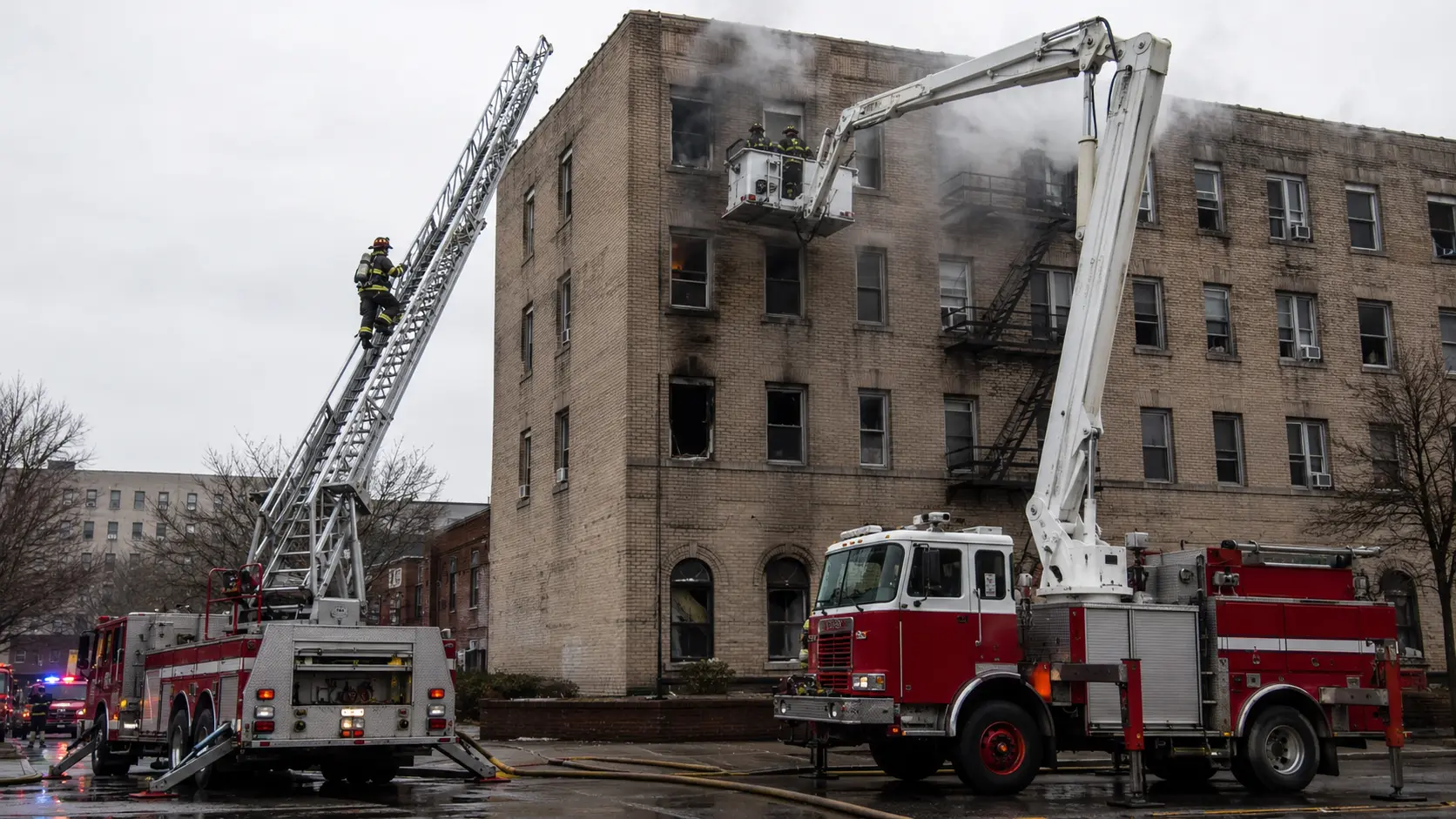
Both are called 'aerial apparatus' and both can reach the same heights — but a straight aerial ladder and a tower ladder platform do fundamentally different things when they get there. The aerial ladder gives firefighters a climbing path to upper floors. The platform basket allows three firefighters, a stretcher, and equipment to work at height simultaneously. This covers construction differences, working height versus rescue capability, monitor operations, positioning requirements, and which occupancy type drives the department's apparatus choice.
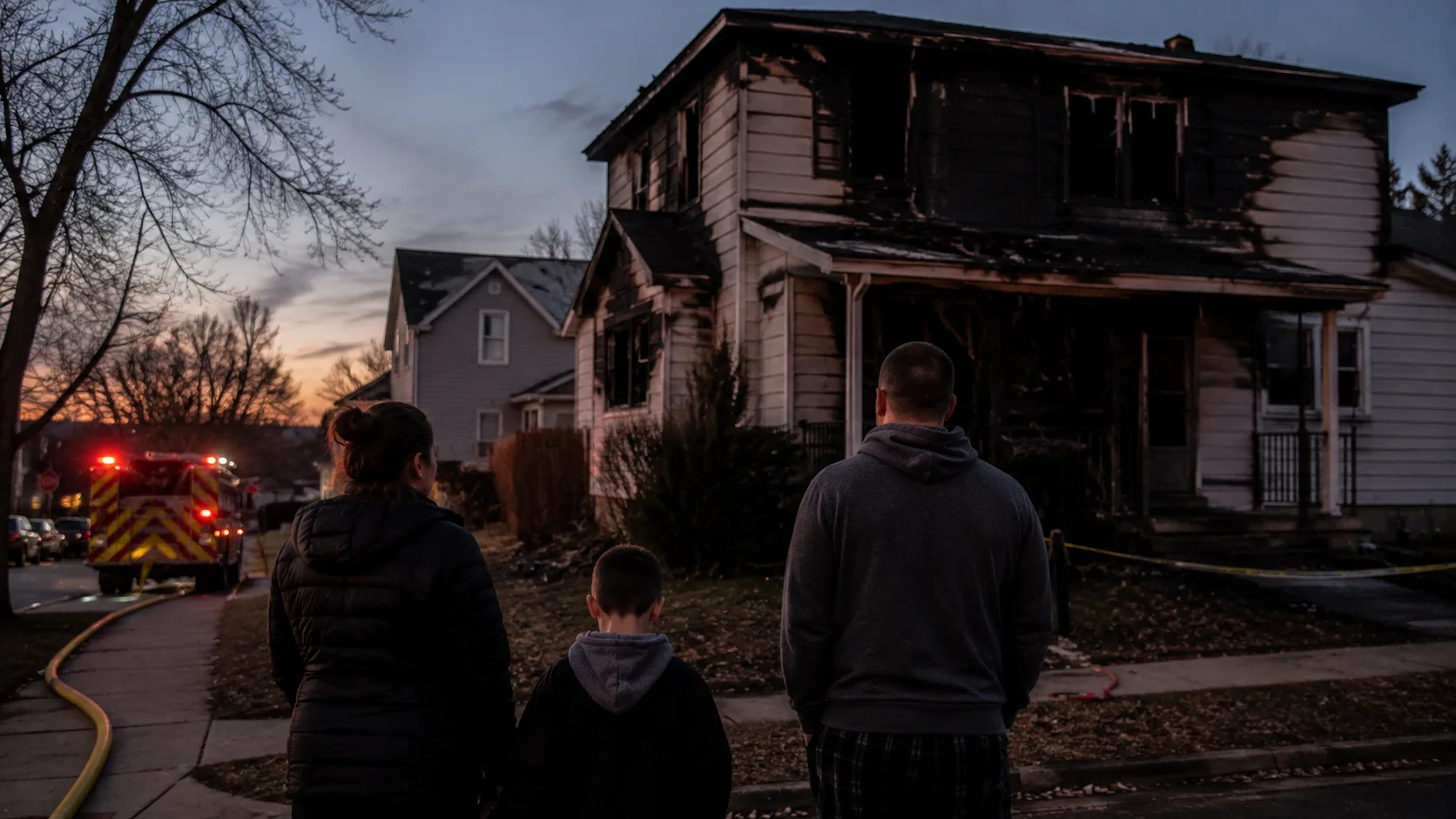
The 48 hours after a house fire involve decisions that affect insurance payouts, housing, salvage, and months of recovery — made while you are in shock, with no framework and no preparation. This covers getting the incident report, what to say and not say to your insurance company, documentation before cleanup, ALE coverage, what is actually salvageable, and the post-fire contractor fraud problem.
Anhydrous ammonia is one of the most widely used industrial chemicals in the world — a primary nitrogen source for agricultural fertilizer, a refrigerant in large cold storage and food processing facilities, and a feedstock for numerous chemical manufacturing processes. It is also immediately dangerous to life at concentrations that are achievable within seconds from a moderate release, lighter than air (unlike chlorine), corrosive to skin and respiratory tissue, and capable of causing severe pulmonary damage at concentrations well below visible cloud formation. This covers the properties that distinguish anhydrous ammonia from other common hazmat materials, the physiological effects at each exposure level, the approach and positioning considerations, water as the primary mitigation tool, and the specific regulatory requirements for facilities that store it.
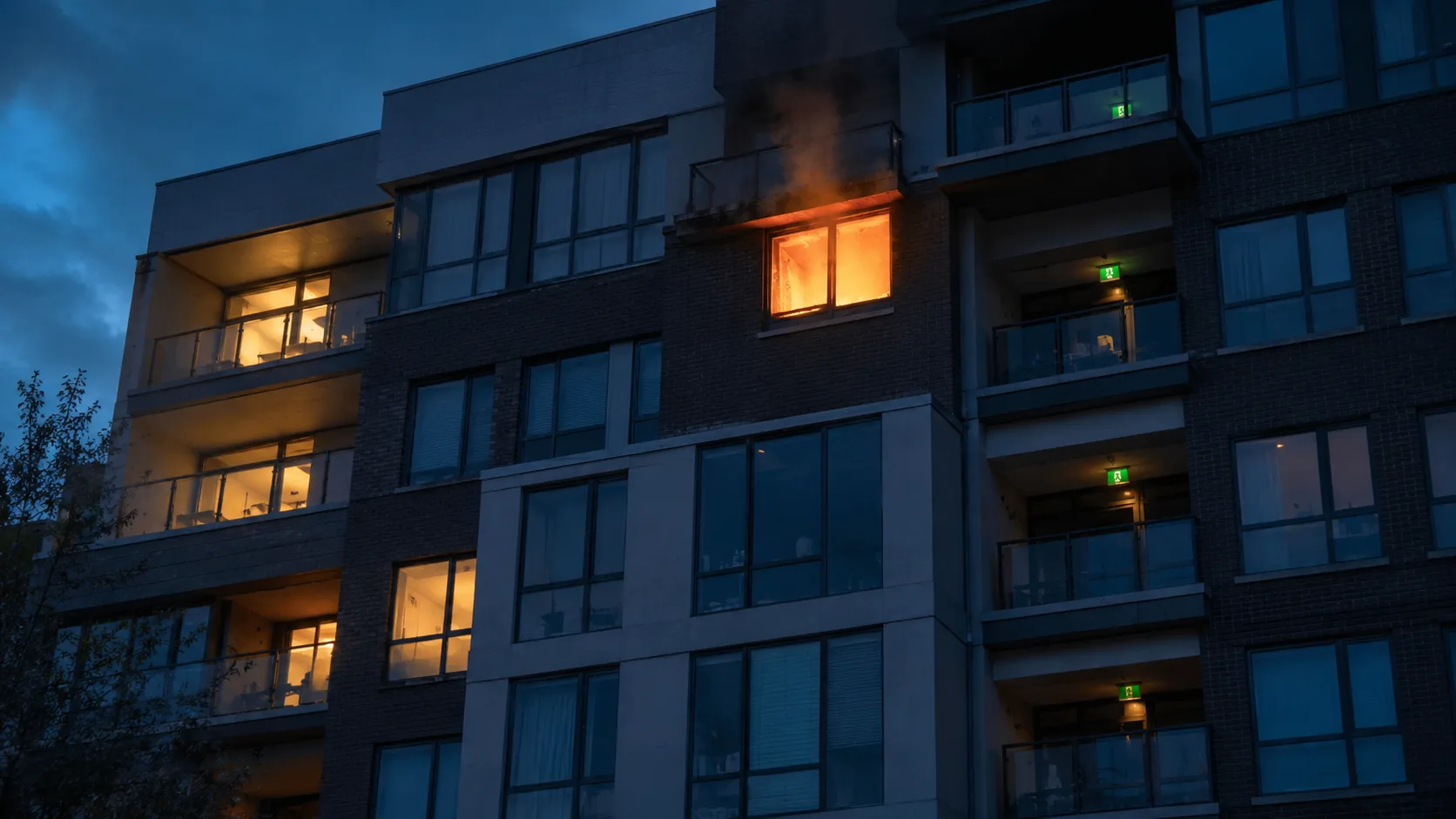
Apartment fires kill roughly 2,500 people a year in the U.S. — and most victims are not in the same room as the fire. This covers what renters are responsible for versus their landlord, how smoke travels through apartment buildings, the door-feel test, shelter-in-place versus evacuation, and the specific balcony and kitchen hazards that apartments create.
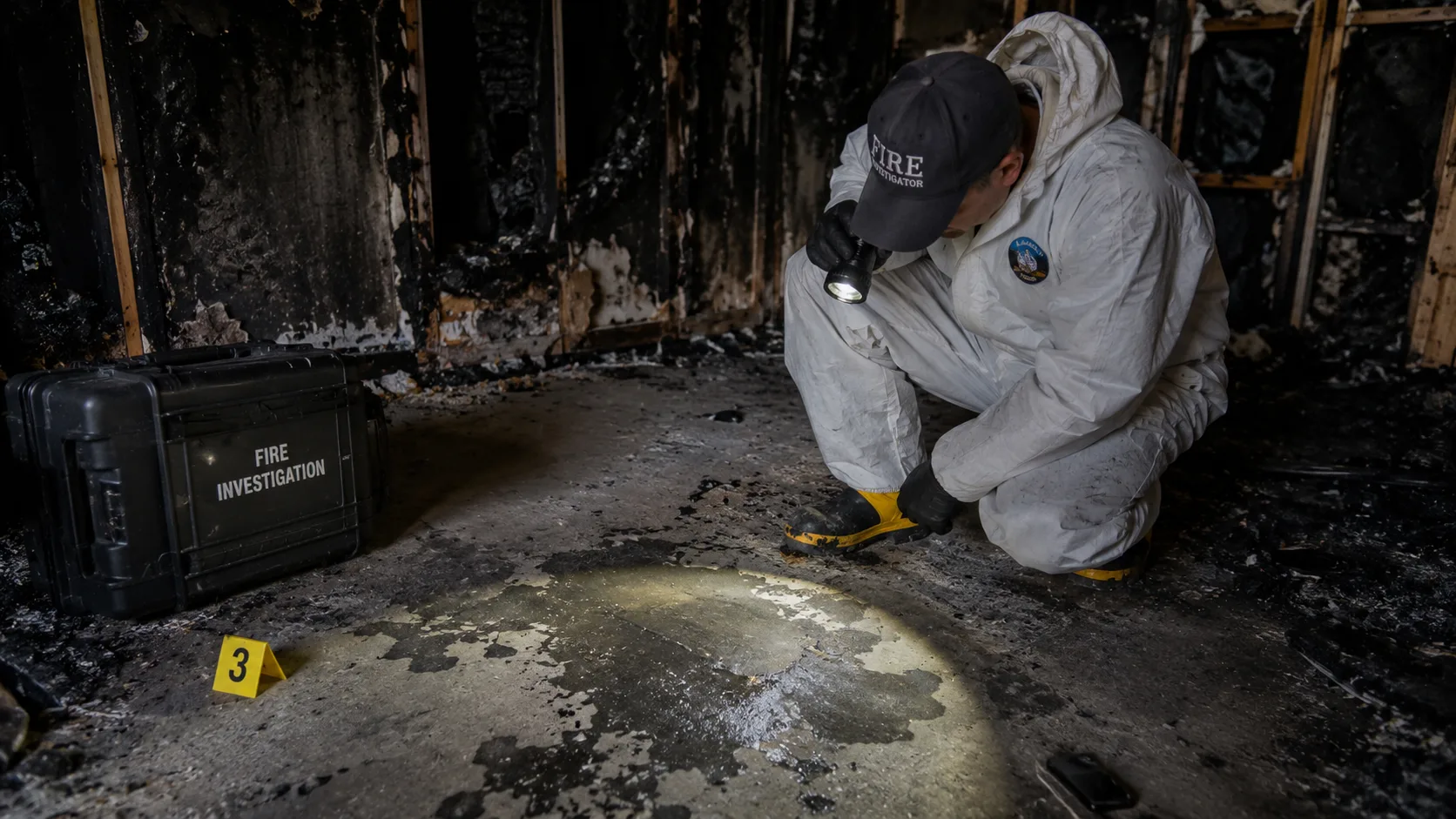
A fire destroys fuel but leaves evidence. Pour patterns absorb into concrete and subfloor material at concentrations detectable in parts per billion. Multiple ignition points produce burn patterns that cannot be explained by fire spread from a single source. Accelerant detection canines locate sampling points; GC-MS laboratory analysis identifies the specific compounds. This covers the NFPA 921 systematic elimination methodology, burn pattern interpretation, physical accelerant indicators, canine certification, laboratory analysis, common arson mistakes, and how fire investigators work with law enforcement.
About 19,700 people end up in emergency rooms from grill-related injuries every year in the U.S. The injuries are not random — they follow the same patterns caused by the same mistakes. This covers the specific failure points in propane and charcoal grills, the covered-lid ignition problem, why water makes grease fires worse, and when to call 911 instead of reaching for the garden hose.
A smoke alarm cannot detect carbon monoxide. The two devices use completely different technologies — smoke alarms detect combustion particles; CO detectors use electrochemical sensors that react to CO molecules. CO poisoning kills roughly 400 people per year outside of fires, many in homes with working smoke alarms. This covers how detection works, what CO does at different concentrations, every home CO source, detector placement, combination units, and what to do when the alarm sounds.
Candles cause nearly 8,000 house fires every year in the U.S. The vast majority happen in exactly the same way — left burning in a room nobody is in, placed too close to something, or knocked over while people are asleep. Here's what actually starts candle fires and the specific habits that prevent them.
Carbon monoxide poisoning is regularly mistaken for the flu, a virus, food poisoning, or a migraine. The difference matters because CO poisoning kills people who mistake it for something else and go back to sleep. Here's how to tell them apart, which symptoms specifically suggest CO rather than illness, and what to do immediately if you suspect CO in your home.
Phosgene — the chemical warfare agent that killed more people in World War I than any other weapon — is produced at low concentrations in fires involving chlorinated solvents, certain refrigerants, and some plastics. The specific hazard is not the concentration but the delay: phosgene produces minimal immediate symptoms at concentrations that cause severe pulmonary edema 4 to 24 hours later. Carbon tetrachloride, once the active ingredient in early fire extinguishers, produces phosgene when heated. Both chemicals appear at fires in contexts that most firefighters do not recognize. This covers the chemistry, the dose-response with delayed onset, which burning materials produce these compounds, and the medical monitoring requirements for any potential exposure.
Evidence-based cardiac arrest guide: high-quality CPR parameters, pit crew model with role assignments, airway management, medications, post-ROSC care, termination of resuscitation, and refractory arrest options.