Thermal Imaging Camera (TIC) Guide: How to Use It Effectively on the Fireground
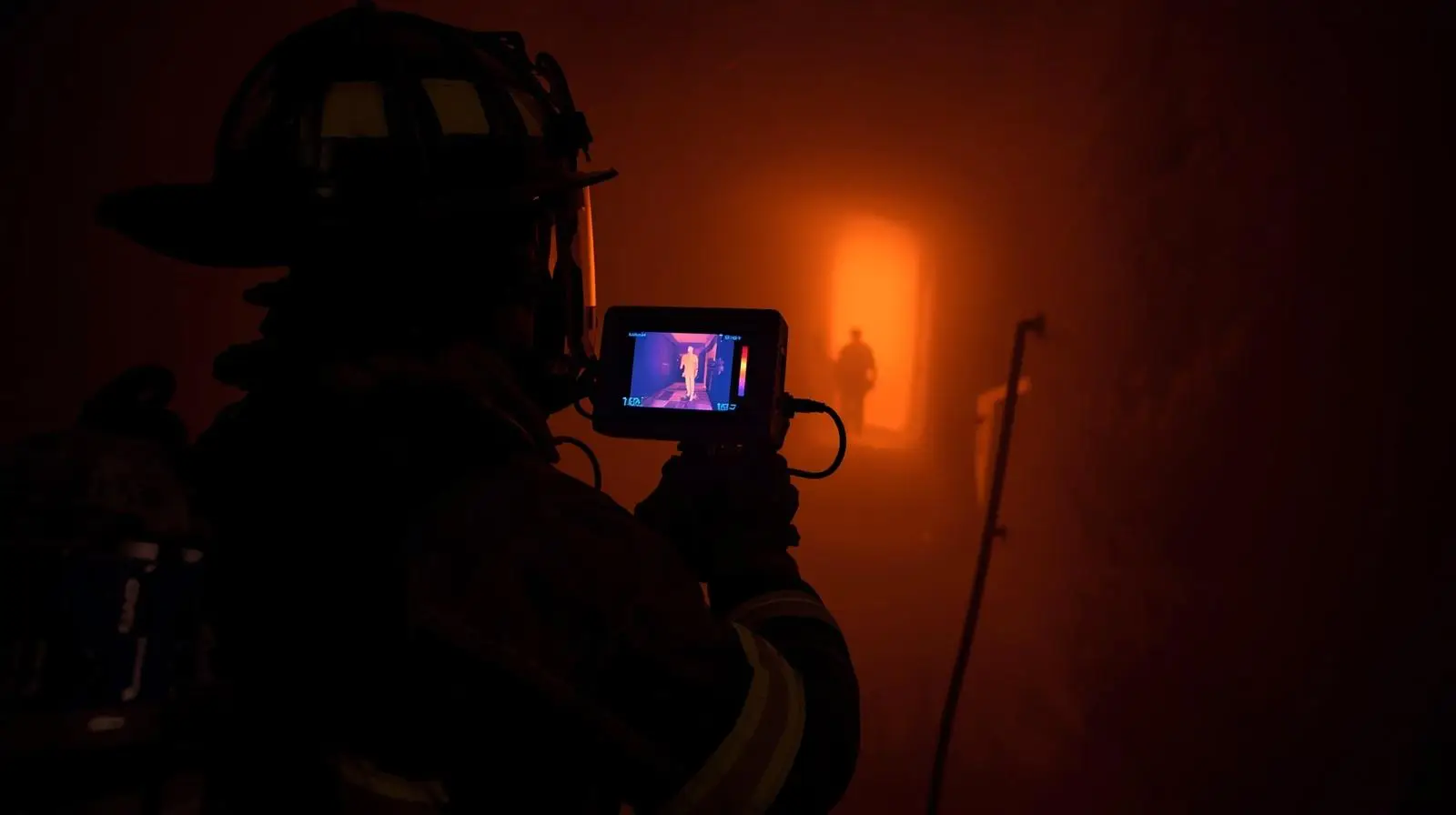
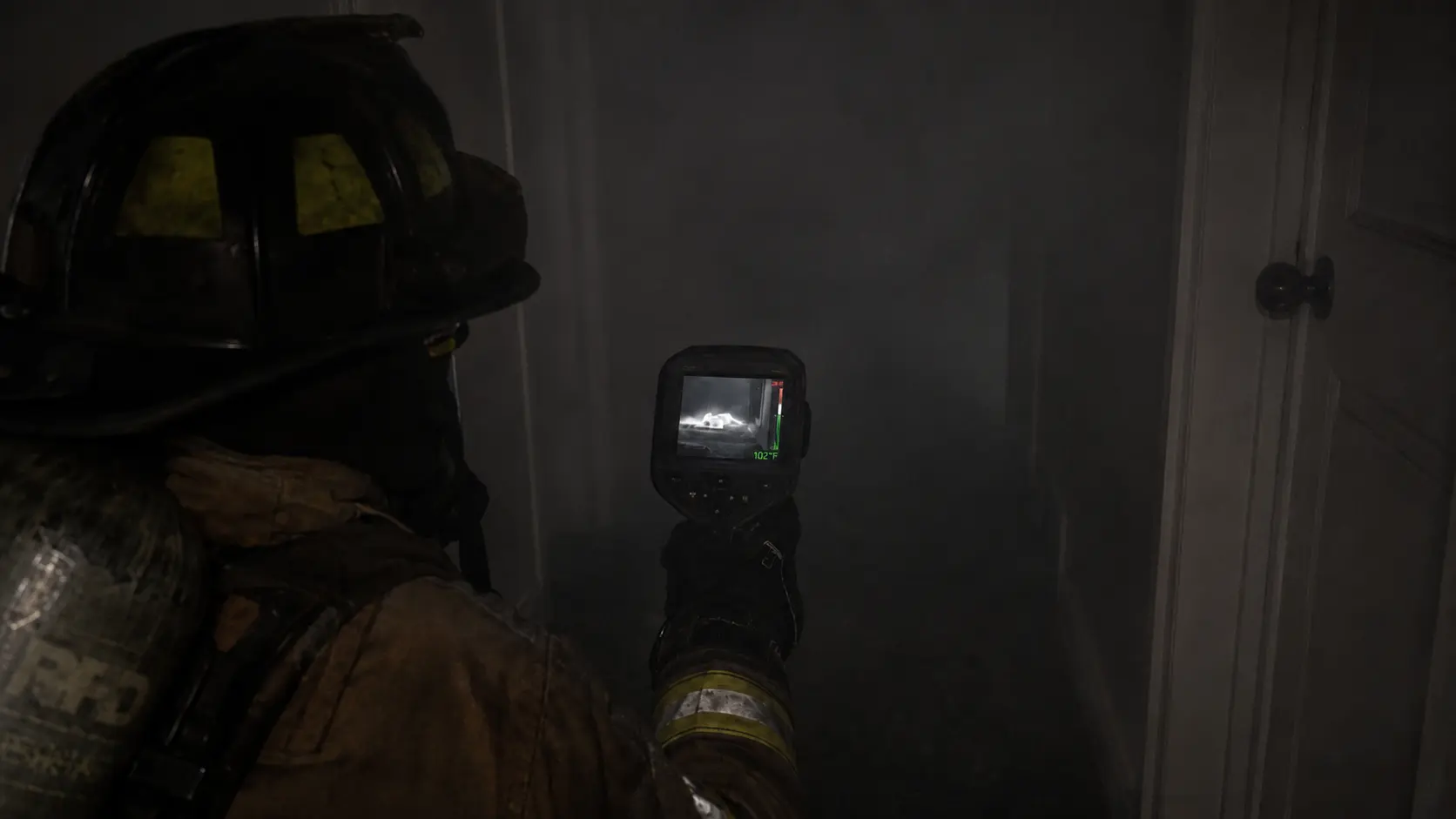
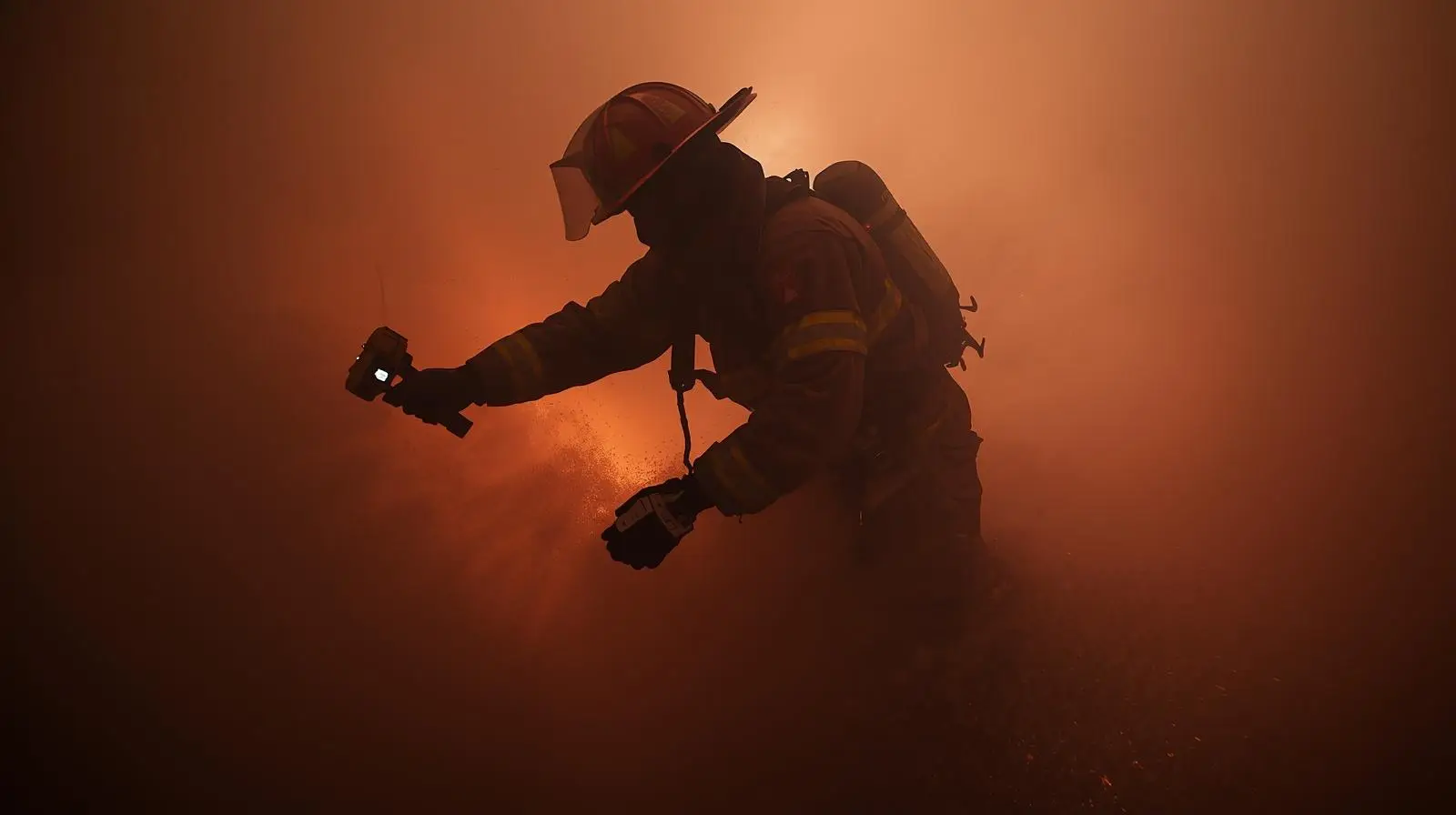
The thermal imaging camera is one of the most powerful tools in structural firefighting — and one of the most misused. A TIC shows heat differences, not visibility through smoke. It does not see through walls. It does not tell you where fire is unless it is hot enough to read through the surface. Used correctly, it can find victims, locate hidden fire, navigate in zero visibility, and give you early warning of structural compromise. Used incorrectly, it creates false confidence that kills firefighters. This guide covers what the TIC actually does, how to interpret what you see, and how to integrate it into fireground operations.
Jump to:How TIC technology works · What the TIC sees and doesn't see · Image interpretation · TIC in search operations · Locating fire with TIC · Navigation in zero visibility · Structural monitoring · Overhaul · TIC limitations · FAQ
How TIC Technology Works
Thermal imaging cameras detect infrared radiation — the heat energy emitted by all objects above absolute zero. They convert the infrared signal from each point in the scene into a temperature value and display it as an image, with temperature differences shown as color or grayscale variations.
Modern fire service TICs typically display:
- White/light areas: Hotter objects (most TICs — "white hot" mode)
- Black/dark areas: Cooler objects
- Color alarms: Many TICs flash or change color when a pre-set temperature threshold is reached, alerting the user to dangerous heat levels
Some TICs can be switched to "black hot" mode where hotter objects appear darker. Know your department's TIC and which mode it defaults to before you need it in a fire.
What the TIC Sees — and What It Does Not
The most dangerous misunderstanding about TIC use is what the camera cannot do:
| Capability | Reality | Operational implication |
|---|---|---|
| See through smoke | Yes — smoke particles do not block infrared radiation the way they block visible light | TIC dramatically improves visibility in smoke-filled spaces; enables navigation and search |
| See through walls | No — infrared does not penetrate solid materials; you see the surface temperature of the wall, not what is behind it | A cool wall does not mean no fire behind it; conductive heat transfer through wall materials can indicate fire location |
| See through glass | No — standard glass reflects infrared; you see the glass surface temperature, not what is behind it | Cannot image through a window into a smoke-free room; glass reflects your own thermal image back |
| Show exact temperatures | Approximate only — emissivity of different materials affects accuracy; shiny surfaces read low | Use TIC for relative heat mapping, not precise temperature measurement |
| See victims in water or very cold conditions | Limited — a victim submerged in water may not present visible heat differential | Do not rely solely on TIC for water rescue victim location |
| Function in saturated steam | Reduced — heavy steam can attenuate the infrared signal and reduce image clarity | TIC effectiveness is reduced in high-steam environments (post-knockdown overhaul) |
Image Interpretation: Reading What You See
Hot gas layer
In a room with an established hot gas layer, the TIC will show a clear temperature stratification: a bright (hot) band at the ceiling level and a darker (cooler) zone at floor level. The transition between the two shows the height of the hot gas layer. As conditions worsen and the layer descends, this interface moves down. The ceiling in the TIC image shows the fire's thermal history — a very bright, uniform ceiling indicates a well-developed hot gas layer approaching flashover.
Fire location through wall surfaces
Even though TIC cannot see through walls, heat conducts through building materials. A wall that is warmer than adjacent surfaces suggests fire or hot gas on the other side. Look for:
- Warm areas on a wall surface that have no obvious heat source on the visible side
- Hot spots at electrical outlets or penetrations (fire traveling in wall cavities)
- Warm floor surfaces indicating fire below (basement fire)
- Warm ceiling surfaces indicating fire above or heavy hot gas layer presence
Reading reflective surfaces
Glass, aluminum, and polished metal surfaces reflect infrared rather than emitting it. In the TIC image they show your own thermal image reflected back, which can be confusing. Windows will show a bright reflection of the operator. Aluminum foil insulation will read as a cool surface even if it is in a hot environment. Recognize these materials when reading the image.
Do not trust a cool wall surface. A wall that reads cool in the TIC does not mean there is no fire behind it. Fire can travel through void spaces and not yet have transferred significant heat to the surface you are reading. Use the TIC as one data source, not the only one.
TIC in Search Operations
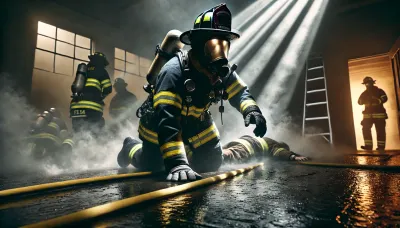
Search is one of the highest-value TIC applications. A victim who is alive produces body heat that stands out clearly against a cool floor in most fire environments. Key search techniques with TIC:
Sweep search with TIC
- Sweep the TIC in a systematic grid pattern: floor first (where victims will be), then mid-level, then upper areas
- Victims on the floor appear as a warm mass against a cool surface in smoke-cooled rooms, or as a slightly warmer shape in hot environments
- In fully involved rooms, the entire floor may be warm, reducing the victim's heat contrast. Physical search methods must supplement TIC in high-heat environments.
- Check under furniture, in closets, and behind doors — victims frequently hide in perceived safe locations
- Pets and children present smaller thermal signatures; scan carefully and at lower heights
Limitations in high-heat environments
In a post-flashover room where the entire floor is uniformly hot, the TIC's ability to distinguish a victim by heat signature is severely reduced. Every surface radiates at similar temperatures. In these conditions, physical search (crawling and sweeping with arm and leg) supplements the TIC rather than the TIC replacing physical search.
Locating Fire with the TIC
TIC excels at locating fire when there is smoke obscuring visibility. Technique:
- Follow the heat gradient. Move toward brighter areas in the TIC image to track toward the fire. The hottest areas in the image are the closest to the fire.
- Watch the ceiling. The hottest gases accumulate at the ceiling. A ceiling that is becoming uniformly bright in the TIC means heat is building throughout the room, not just near the fire origin.
- Check the floor for fire travel. Fire traveling under the floor (basement fire, floor void) will show as a warm floor surface with irregular bright areas at penetration points or floor register openings.
- Check above drop ceilings. Commercial buildings with suspended ceilings can conceal significant fire. Open a ceiling tile and scan with TIC before assuming the fire is contained to the visible area.
Navigation in Zero Visibility
In zero-visibility smoke, the TIC allows firefighters to navigate, identify egress, and avoid hazards they cannot see. Navigation techniques:
- Identify windows and doors from interior. Windows appear as distinctive cool rectangles (glass reflects IR; exterior cool air cools the glass surface from outside). In zero visibility, window shapes in the TIC can identify egress points.
- Identify floor hazards. Holes in the floor, debris, and obstacles appear as temperature changes. A floor hole may appear as a darker area (cooler air from below) or a brighter area (fire below). Always test floor integrity before committing weight.
- Maintain orientation. Use TIC to confirm your hose line direction and architectural features. The TIC does not replace tactile orientation (hand on wall, following the hose) — it supplements it.
TIC navigation does not eliminate floor testing. Even with a TIC, always test the floor before stepping into an unknown area in a burning building. Lightweight floor assemblies can appear structurally normal in a TIC image right up to the moment they fail. See the Building Construction guide for lightweight floor hazard indicators.
Using TIC for Structural Monitoring
TIC can provide early warning of structural compromise in some situations:
- Roof structural monitoring: From the exterior, pointing TIC at a roof surface — uneven hot spots may indicate fire involvement in roof structure below the surface. Uniform heat across the roof suggests the attic is fully involved.
- Floor monitoring from below: Scanning a ceiling with TIC from the floor below — irregular hot spots may indicate fire involvement in the floor assembly above.
- Steel member monitoring: Steel that appears bright and uniform in TIC while structural members in the same area appear cooler may indicate the steel is taking load heat. This is a warning to reassess offensive operations in Type II structures.
TIC in Overhaul
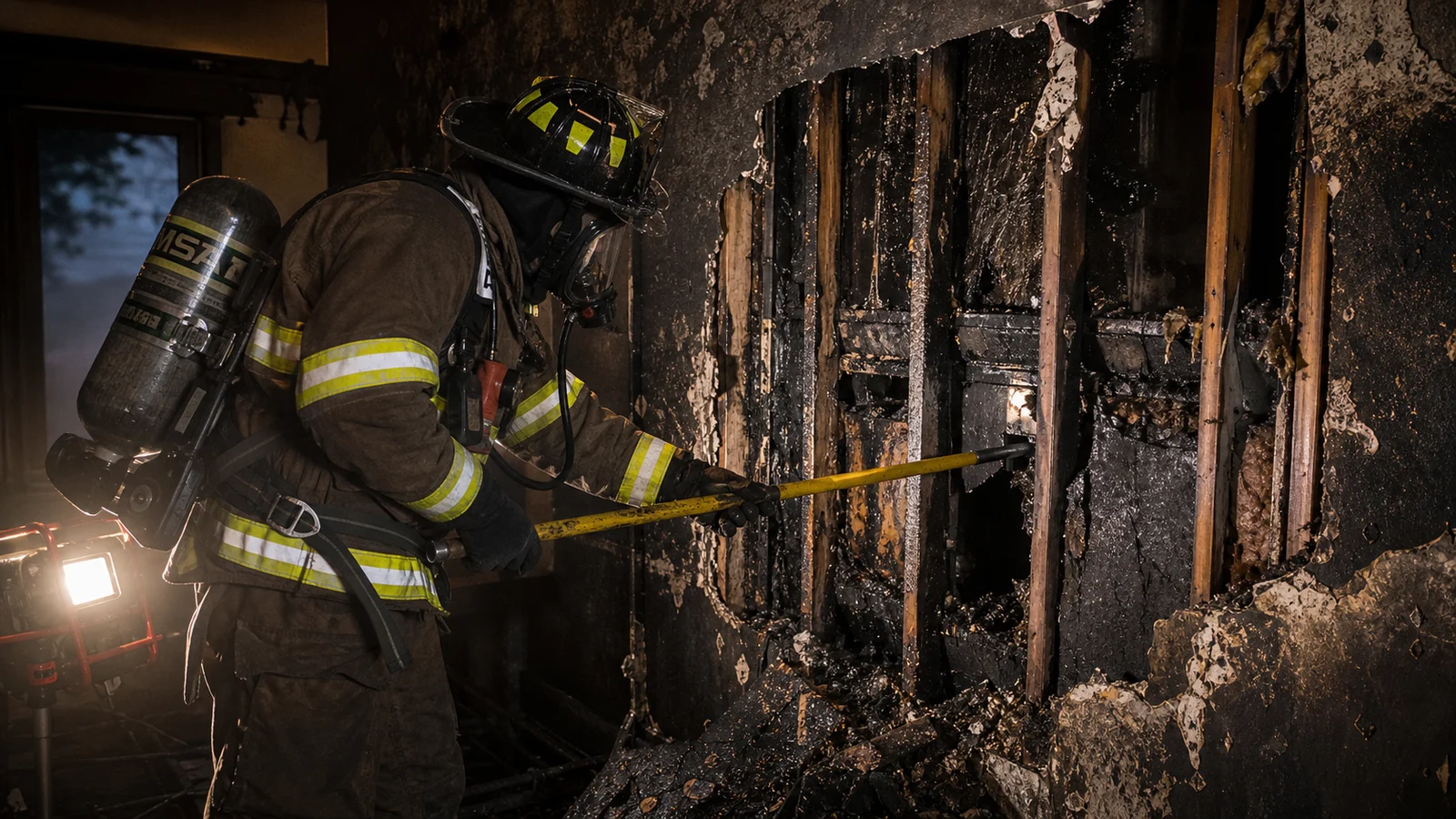
Overhaul is one of the highest-value TIC applications and one of the most straightforward. After suppression, scanning walls, ceilings, and floors for residual heat identifies extension that must be opened and extinguished before leaving the scene.
- Scan all wall surfaces, particularly around electrical panels, outlets, and any penetration where fire could have traveled in wall cavities
- Scan ceiling surfaces for hot spots indicating fire in attic or ceiling void space
- Scan floors adjacent to the primary fire area for conductive heat transfer indicating subfloor fire travel
- Scan structural members: exposed wood members that appear hot in TIC may be smoldering internally and will re-ignite after the company leaves
TIC Limitations: When Not to Trust the Image
- Lens contamination: Soot, water, or damage to the TIC lens significantly reduces image quality. Clean the lens before entry whenever possible.
- Saturation: In fully involved environments where all surfaces are at similar high temperatures, the TIC image may appear uniformly bright and provide little differentiation. This is a sign of extreme conditions, not a TIC failure.
- Cold environments: A TIC calibrated for typical structural fire temperatures may not effectively differentiate between objects in very cold environments.
- Battery life: Know your TIC's battery life and have charged spares available. A TIC that loses power in zero visibility is a significant hazard.
- False confidence: The most dangerous TIC limitation is the false sense of security it creates. Firefighters who trust the TIC image over their other senses and training make worse tactical decisions than those who use it as one tool among many.
Frequently Asked Questions
Can a thermal imaging camera see through smoke?
Yes. Smoke particles block visible light but do not significantly block infrared radiation. This is what makes TIC so valuable in structural firefighting — it provides usable images in smoke-filled environments where visible light provides no information.
Can a TIC see through walls?
No. TIC detects surface temperature, not what is behind a surface. A cool wall surface does not confirm the absence of fire behind it. However, heat conducting through wall materials can indicate hidden fire — a wall that is warmer than adjacent surfaces warrants investigation even if the TIC shows no flame.
How do you find victims with a thermal imaging camera?
Sweep the TIC systematically at floor level in a grid pattern. Living victims produce body heat that creates a warm signature against cooler floor and furniture surfaces. In high-heat post-flashover environments where every surface is hot, the victim's heat contrast is reduced and physical search must supplement the TIC.
What temperature does a TIC alarm at?
Alarm thresholds vary by manufacturer and model. Most fire service TICs have a temperature alarm that activates when the scene temperature reaches a pre-set threshold (commonly 260°C / 500°F or similar). Know your specific TIC's alarm behavior and what action it requires before using it in a working fire.
Comments 0
No comments yet. Be the first to share your thoughts!
Leave a Comment