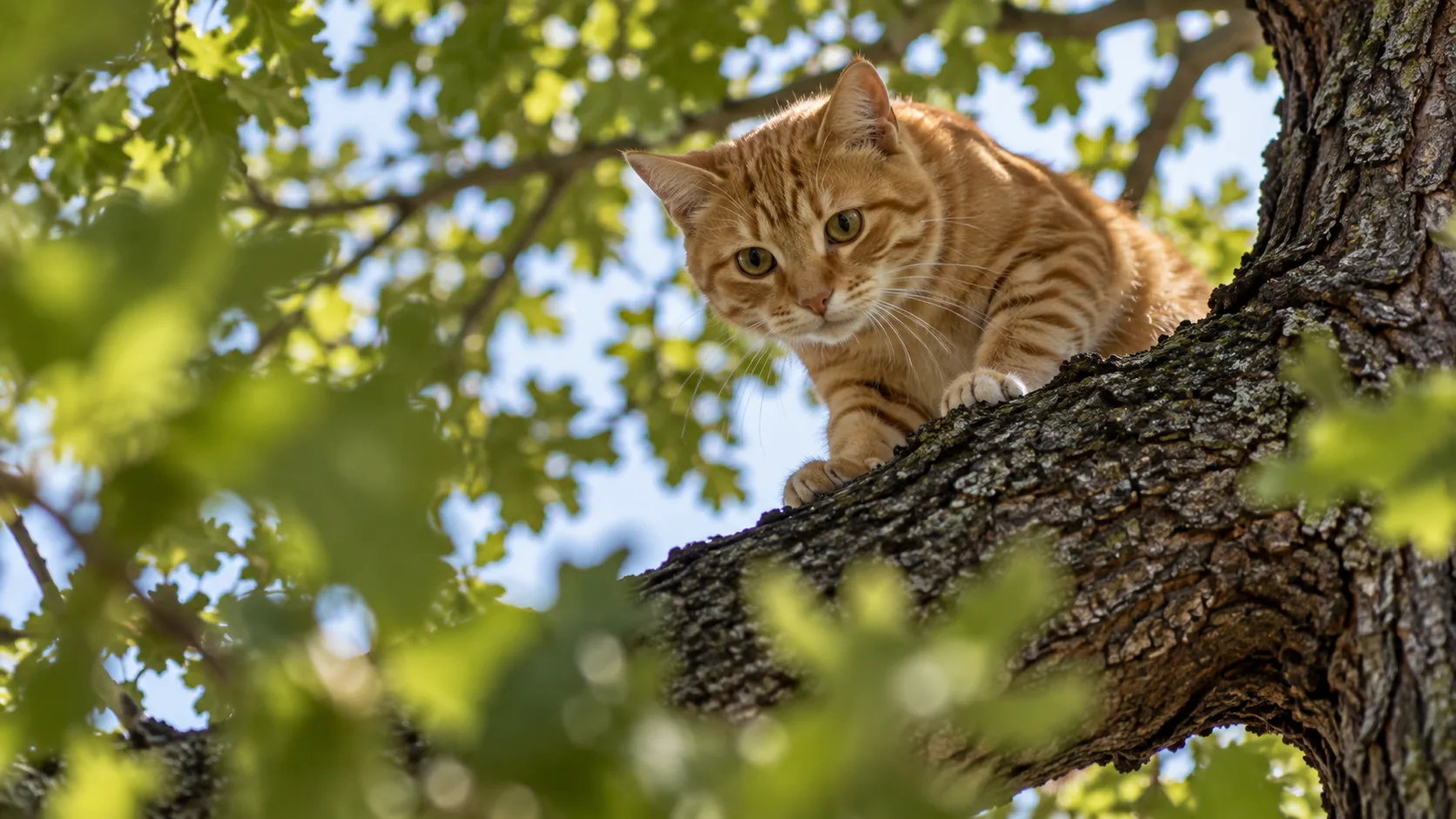

Do Firefighters Actually Rescue Cats From Trees?
Somewhere in Schenectady, New York, in the spring of 2021, a cat named Bae spent more than a week stuck up a park tree while her owner tried everything to get help. The local fire department said no. It took a private tree and crane company to finally bring Bae down. Her story went semi-viral for exactly the reason you'd expect: it runs against everything cartoons, kids' books, and decades of pop culture have told us fire departments are for. The uncomfortable truth is that Bae's experience is closer to the modern norm than the exception.
The Official Policy at Most Departments: No
A growing number of fire departments across the country have adopted blanket no-cat-rescue policies, and they say so plainly when residents call. Springfield's fire department has one. So does the department in a widely reported Indianapolis case, where crews rescued a teenager who'd gotten stuck trying to save her own cat, then packed up and left the cat exactly where it was. "They just told us no and packed up and left," the cat's owner told a local reporter. It wasn't personal. It was policy.
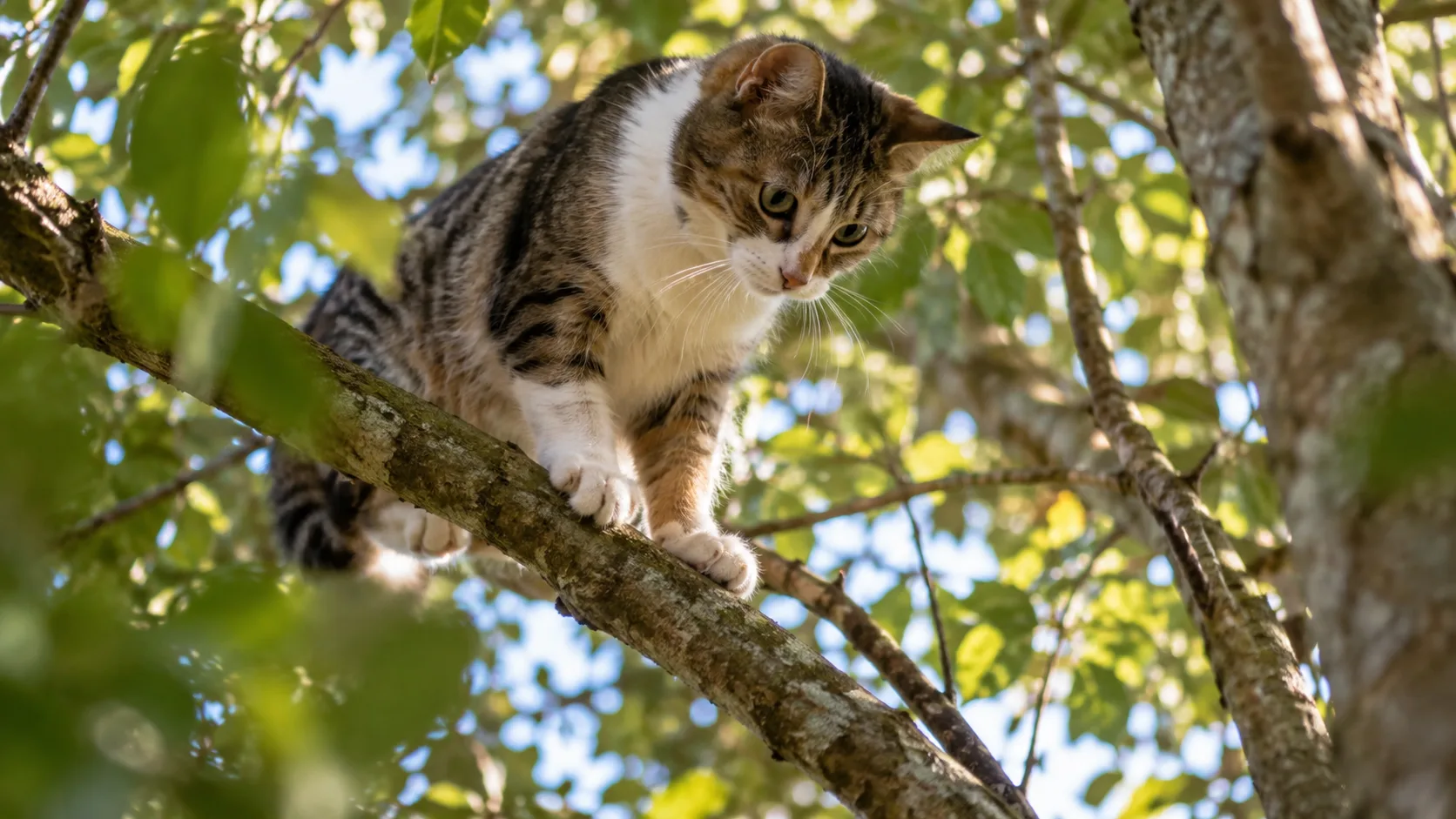
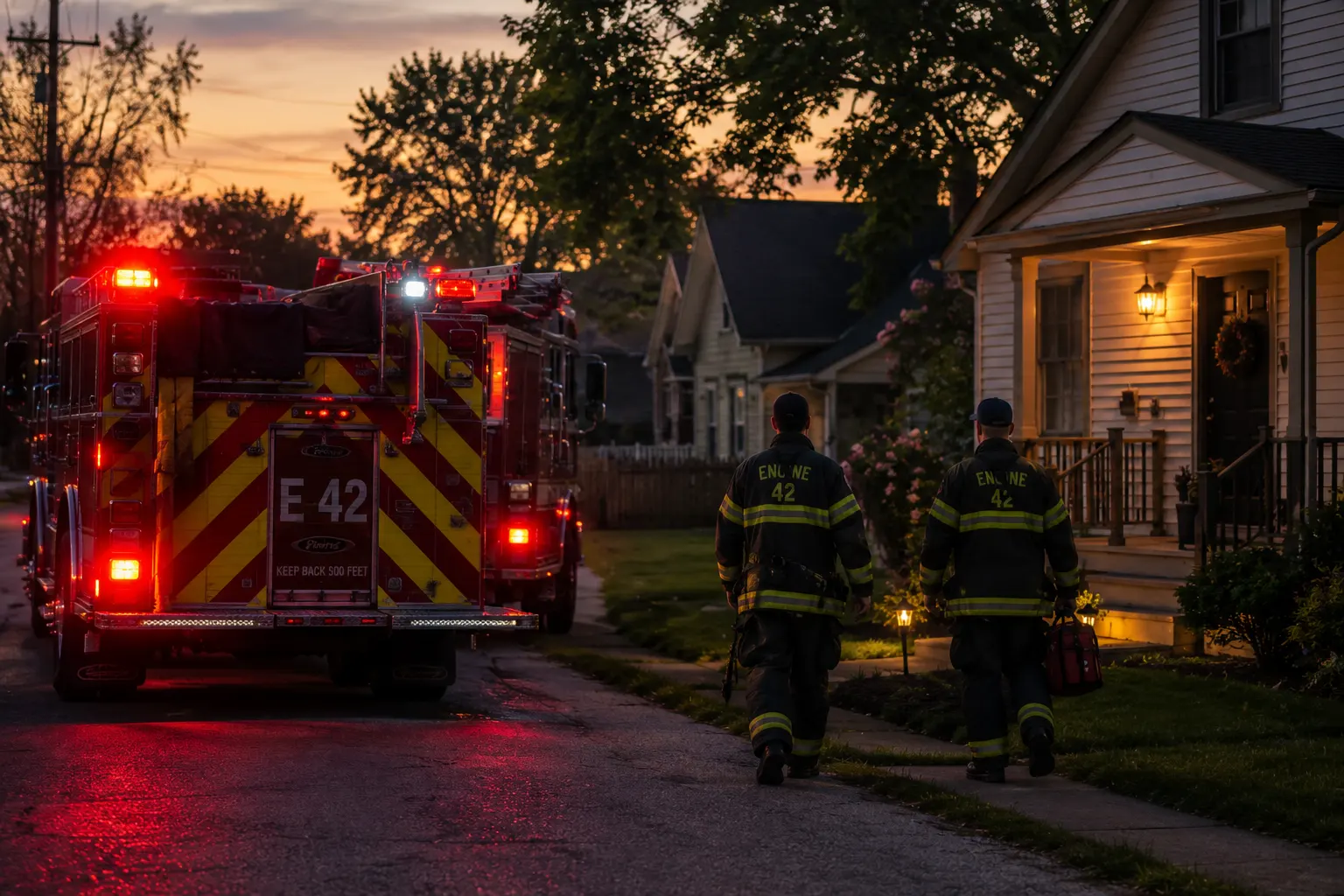
A growing number of fire departments have adopted formal no-cat-rescue policies, directing residents to tree services or animal control instead.
Why Departments Backed Away From It
The reasoning isn't about disliking cats. It's almost entirely about risk and resource allocation. A tree isn't a building: branches can be rotten or unstable in ways that aren't obvious from the ground, and a firefighter forty feet up on a ladder braced against a swaying limb is in a genuinely precarious spot. Fire officials who've spoken publicly about this point out that a panicked cat, confronted by a stranger reaching for it, is more likely to scratch, bolt, or jump than cooperate, and a fall from height is exactly the outcome the rescue was meant to prevent. There's also a documented history of firefighters being injured attempting these calls, including at least two on-record incidents of firefighters being shocked while working near power lines during cat rescues.
Then there's the staffing math. One Massachusetts fire chief put it bluntly to a local paper: if a ladder truck and crew are tied up getting a cat down and a call comes in for a heart attack, how do you explain that to the family? Departments that maintain the old policy of helping with cat rescues tend to be smaller, rural operations with more slack in their schedule; busier urban and suburban departments increasingly treat it as a mismatch between the job's core mission and a comparatively low-stakes situation.
Did you know? The Kansas City, Kansas fire department once calculated it spent exactly $57.26 in gas responding to 14 separate cat-in-tree calls over the course of a year — a number small enough to sound almost like a joke, and part of why some departments argue the real cost isn't money, but opportunity: the minutes those trucks weren't available for something else.
The Cat Problem Is Real, Just Rarely Fatal
There's a biological reason cats get stuck in the first place. A cat's claws curve backward, which is perfect for climbing up a trunk but nearly useless for climbing down head-first, forcing most cats to descend tail-first and blind to what's below them, a maneuver plenty of cats simply refuse to attempt out of fear. Left alone, most eventually get hungry, thirsty, or brave enough to work it out themselves, sometimes over hours, occasionally over days. Veterinarians and animal rescue groups generally agree there's no recorded case of a cat starving to death stuck in a tree, which is part of the argument departments make for stepping back and letting nature, and mild embarrassment, run its course.
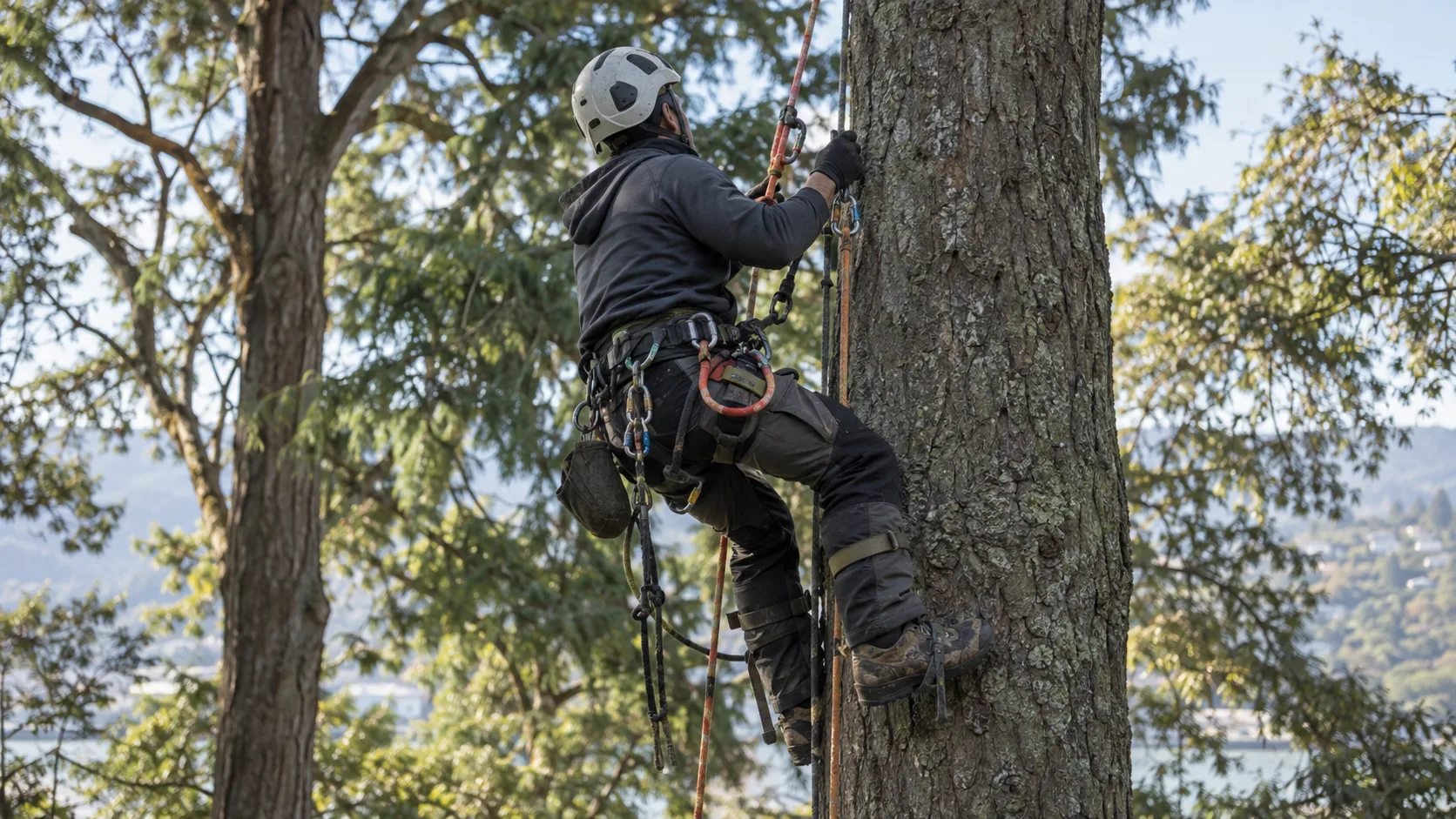
Professional tree services and animal control, equipped with climbing gear built specifically for the job, have increasingly taken over the role fire departments once played.
So It Never Happens?
It still happens, just less than the myth suggests. Smaller and rural departments with lighter call volumes occasionally step in, and there are plenty of documented cases, including firefighters in Michigan spending real effort coaxing two cats down from a 40-foot willow tree after days of failed attempts by the owner. Fire departments have also always drawn a clear line: if the animal itself is in immediate danger, like a fire, a flood, or a genuinely life-threatening situation, that's a different call entirely, and departments will respond. It's the routine "my cat won't come down and it's been a few hours" call that's largely fallen out of the job description.
Bottom Line
Fire departments haven't stopped caring about cats stuck in trees; most have simply concluded it's not a job suited to their equipment, staffing, or risk tolerance, and that a tree service or a little patience gets the same result without tying up a truck that might be needed for an actual emergency. If your cat's stuck, the advice from most departments is consistent: try food or a favorite toy at the base of the tree, give it time, and call a professional tree or wildlife service if it's still up there after a day or two.
Frequently Asked Questions
Will the fire department come if my cat is stuck in a tree?
It depends on the department. Many, especially in busier cities and suburbs, have adopted policies against cat-in-tree rescues and will direct you to a tree service or animal control instead. Smaller, rural departments are more likely to still help.
Why don't more fire departments rescue cats from trees?
Mainly liability and resource allocation: unstable branches make the rescue genuinely risky for firefighters, panicked cats can scratch or jump, and departments don't want a truck and crew tied up on a low-stakes call if a real emergency comes in.
Can cats actually get down from a tree on their own?
Usually, yes, eventually. A cat's claws curve backward, making descending harder than climbing up, which is why cats often hesitate, but most work up the courage or motivation to come down on their own given enough time.
What should I do if my cat won't come down from a tree?
Most fire departments recommend placing food or a favorite toy at the base of the tree and giving the cat time. If it's still stuck after a day or more, a professional tree service or animal control is generally the recommended next step.






Comments 0
No comments yet. Be the first to share your thoughts!
Leave a Comment