Koray Korkut is the Fire Department Director (İtfaiye Müdürü) of the Karabük Municipality Fire Department, appointed to the position in 2020. Born in 1984 in Karabük, Turkey, he began his career as a Firefighter with the Istanbul Metropolitan Municipality Fire Department in 2007, transferred to the Ankara Metropolitan Municipality Fire Department in 2010 where he served as Firefighter Sergeant and Fire Officer, and was appointed Fire Department Director at Karabük in 2020. He has responded to 1,000+ structural fires and 10+ major incidents including earthquakes, large wildland fires, and hazmat emergencies. He has been awarded the State Distinguished Service Medal of Turkey (Devlet Üstün Fedakarlık Madalyası). He holds an associate degree in Emergency and Disaster Management (Acil Durum ve Afet Yönetimi) and a bachelor\'s degree in Public Administration from Anadolu University. He is a certified Level 4 Fire Instructor and Level 2 Work at Heights Instructor.
Structural collapse rescue guide: collapse types and void spaces, survivor priorities, phased search approach, technical search methods, secondary collapse hazards, basic shoring concepts, and Operations-level vs USAR roles.
Trench rescue guide: why trenches collapse, OSHA soil classification (Type A/B/C), field testing, collapse patterns, protective systems (sloping, shoring, shielding, air shores), initial response actions, secondary collapse prevention, and victim care.
A cubic yard of soil weighs roughly 3,000 pounds. A partial trench collapse that buries a worker to chest depth applies approximately 700 to 1,000 pounds of pressure to the thorax — enough to prevent inhalation within seconds. Trench collapses continue to kill workers every year despite OSHA regulations that have been in place since 1989. This covers the five soil types and their collapse behavior, why cave-ins happen with no warning, the 1.5-minute burial threshold for survivability, the shoring sequence, why you cannot dig fast enough with your hands, and the specific reasons OSHA violations continue killing workers who believed their trench was safe.
Complete vehicle extrication guide: 7 phases of extrication, hydraulic rescue tools, vehicle stabilization, dash displacement, controlled vs rapid extraction, and modern vehicle hazards including EV and high-strength steel.
Cooking fires, heating equipment, electrical faults, and smoking materials account for the majority of home fires in the U.S. This breaks down the real causes by frequency, explains what specifically goes wrong in each category, and connects each cause to the specific prevention habits that actually reduce the risk.
Most people think they know what to do in a house fire. They don't know what not to do — and that gap is where most fire fatalities happen. These are the specific mistakes that turn survivable fires into fatal ones, and why each one makes sense in the moment even though it is wrong.
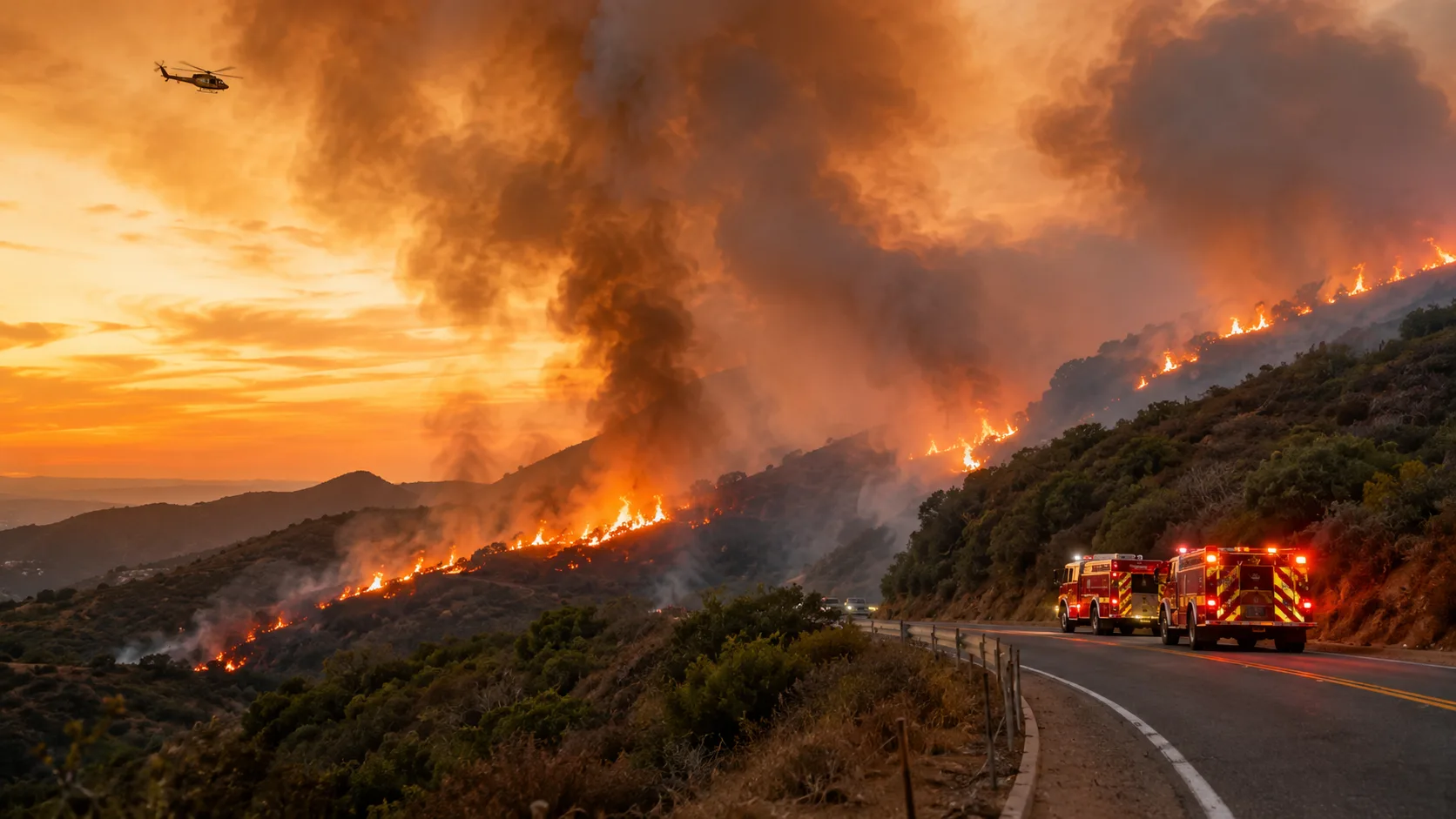
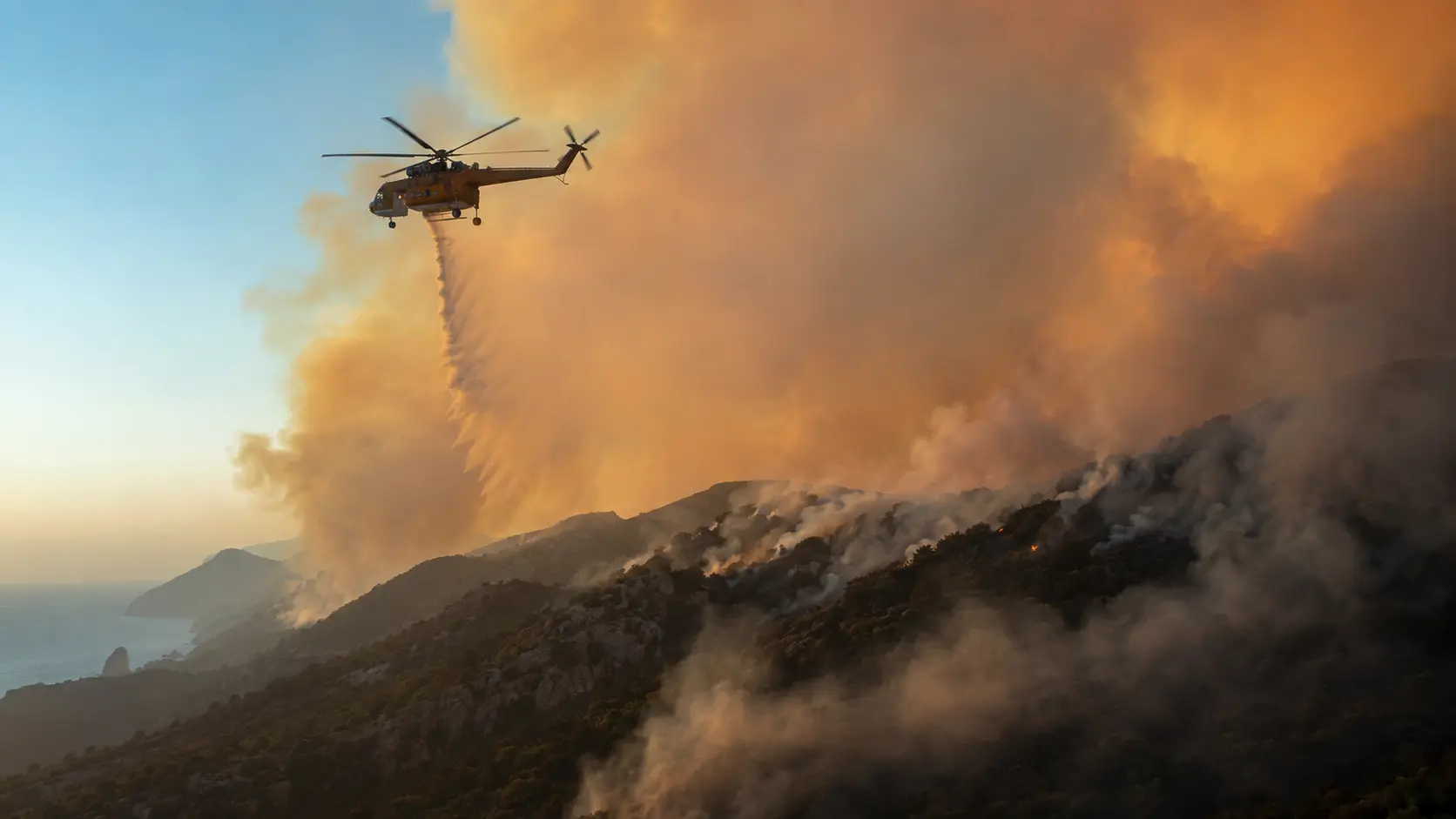
Air resources — single engine air tankers, large air tankers, very large air tankers, and helicopters — are the most visible and most misunderstood component of wildland fire suppression. They appear dramatically effective from the ground. Their actual suppression effect is bounded by physical limits: retardant disperses, wind affects drop accuracy, heat prevents low-altitude flying, and the tanker that just dropped must return to the airbase for reload. This covers the aircraft types, what retardant actually does to fire spread, drop accuracy and its limits, helicopter operations with buckets and fixed tanks, the air tactical group supervisor role, night flight limitations, and the specific scenarios where air resources genuinely change fire outcomes versus where they are less effective than they appear.
Wildfire evacuation guide: how evacuation zone levels work, what to prepare before fire season, go-bag essentials checklist, when to leave (don't wait for Level 3), how to drive out safely, final home prep, pets and livestock, and post-fire re-entry.
Most homes destroyed in wildfires are not burned by the flame front — they are ignited by embers landing on vulnerable surfaces, in gutters, through vents, and under eaves, sometimes hours before the fire arrives. Here's what structural and yard changes actually reduce the odds your home survives, based on what fire investigators find after major wildfires.
Wildfire structure defense guide: structure triage, survivable vs non-survivable assessment, LCES safety framework, structure preparation sequence, attack tactics, defensible space zones, home hardening, and WUI water supply.
Complete Pack Test (Work Capacity Test) guide: arduous, moderate, and light level standards, specific loaded hiking training program, 12-week periodized plan, test day pace strategy, and seasonal fitness for wildland firefighters.