
What Causes House Fires: The Real Numbers and What They Mean for Your Home

Published: · Safety · 14 min read

What Causes House Fires: The Real Numbers and What They Mean for Your Home
Koray Korkut — Firefighting Expert
By Koray Korkut

Fire Department Director, Karabük | Hazmat, Command & Wildland

Reviewed by Ertuğrul Öz — Firefighter Sergeant, Ankara Metropolitan Fire | Training & Operations

Published: · Reviewed by Ertuğrul Öz, Certified Fire Chief & Training Specialist

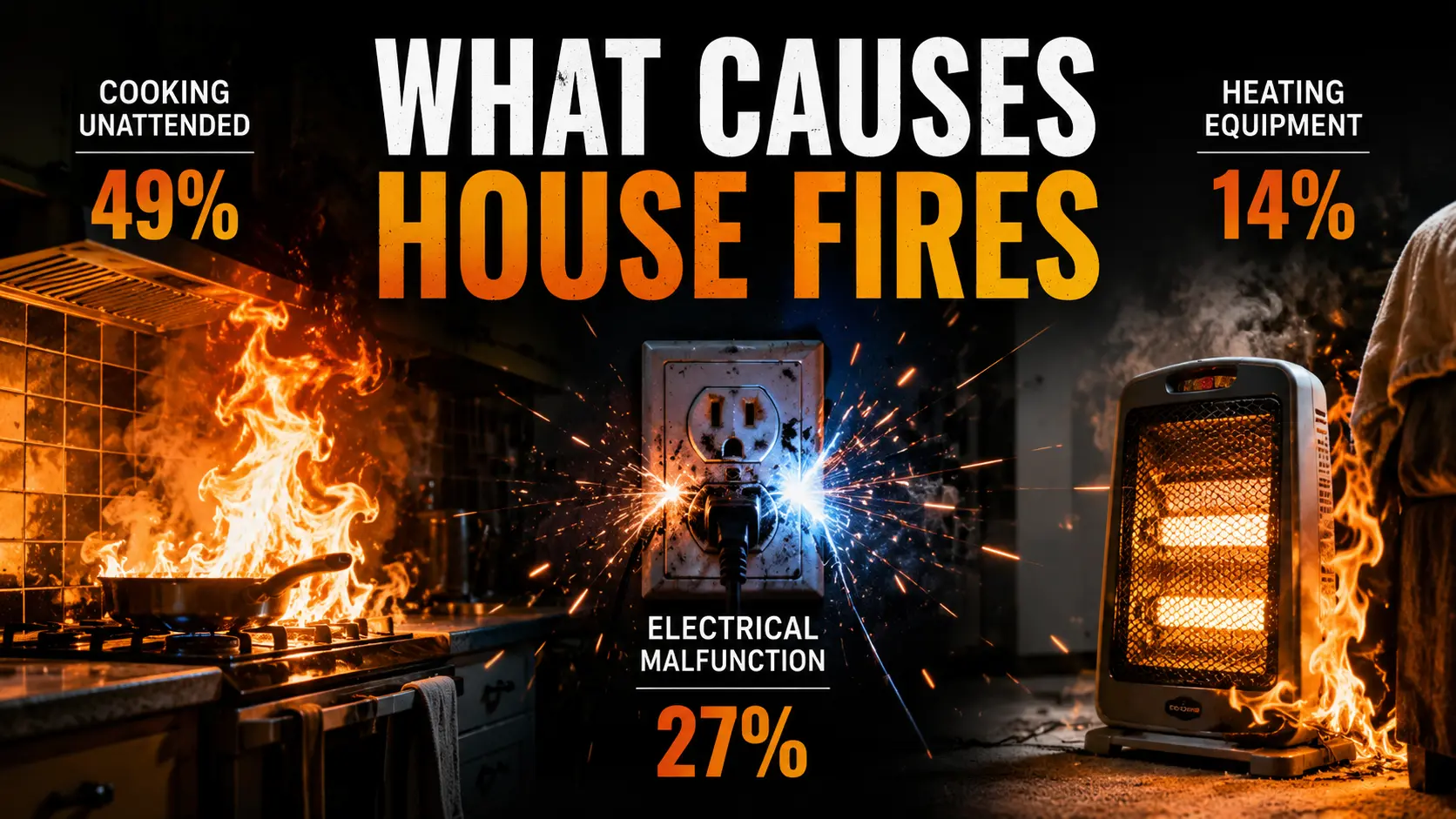
Understanding what actually causes house fires matters because prevention is specific. A general intention to "be more careful" around fire does not change behavior. Knowing that 49% of home fires start in the kitchen, and that the overwhelming majority of those start because someone left food unattended on the stove, changes something specific: you do not leave the kitchen while cooking on the stovetop. That is a habit with a mechanism and a result.

The data in this piece comes from NFPA (National Fire Protection Association) research, which tracks home fire causes across U.S. fire departments. The numbers are not guesses — they are compiled from incident reports filed by responding fire departments over multiple years. Here is what they show.

350,000+Home fires per year (U.S.)
2,550+Home fire deaths per year
49%Of fires start in the kitchen
3xDeadlier if no working smoke alarm

The Time Factor: When Fires Happen and Why It Matters

The time of day a fire starts is one of the most significant predictors of whether it will be fatal. Understanding the timing patterns is not just statistical trivia — it directly informs which prevention habits matter most.

Time PeriodFire FrequencyDeath Rate (relative)Why
5pm – 8pm (dinner hours)Highest — cooking peakLowerPeople are awake, present, respond quickly. Cooking fires are discovered fast.
8pm – midnightModerateModeratePeople still awake but winding down. Candle fires, smoking fires begin in this window.
Midnight – 8amLowest frequencyHighestOccupants asleep. Longer detection time. More CO exposure before alarm sounds. Hardest to escape from.

The overnight window accounts for a disproportionate share of fire deaths relative to its fire frequency. A fire that starts at 2am in a home with sleeping occupants has typically been burning for several minutes before the smoke alarm triggers. In those minutes, carbon monoxide may have already incapacitated some occupants. The person who wakes up to a smoke alarm in a smoke-filled room is in a worse position than the person who wakes up to an alarm in a room that has clear air but fire elsewhere — and the difference is almost entirely determined by where in the home the fire started and how long it burned before detection.

This timing analysis points directly at the specific fires that kill people: overnight space heater fires, overnight smoking material fires, and overnight candle fires. These three causes together account for a large fraction of the disproportionate death toll in the midnight-to-8am window. And all three are preventable with the same habit: before sleep, the heater goes off, the cigarette is extinguished properly, and every candle is confirmed out.


The Smoke Alarm Gap: Why Some Homes Still Die in Fires

NFPA data consistently shows that roughly three of every five home fire deaths occur in homes with no smoke alarms or with alarms that are not working. The technology to prevent the majority of fire deaths has existed for decades. The gap between available protection and actual protection is the behavioral problem that the data most clearly identifies.

The specific failure modes for smoke alarms in homes where fires kill people:

  • No alarm installed. Primarily affects older homes and low-income housing. The cost barrier is real but the math is stark — a $15 smoke alarm in a bedroom is the most evidence-supported life-safety investment available per dollar spent.
  • Alarm present but battery removed. The leading cause of alarm failure in homes that have them. The battery was removed when the alarm false-alarmed during cooking and was never replaced. See the smoke alarm beeping article for how to solve the underlying problem without removing the battery.
  • Alarm present but dead battery. Not tested monthly, dead battery went unnoticed. The alarm is in place but silent when the fire starts.
  • Alarm in the wrong location. In the hallway, not in the bedroom. A closed bedroom door dramatically attenuates the alarm sound. Code requires alarms inside each sleeping room, not just outside them. An alarm that cannot wake a sleeping person from behind a closed door is not providing the protection it appears to provide.

The practical action from this data: test every alarm in your home right now. Open every bedroom door and press the test button on the nearest alarm — then close the bedroom door and listen for whether you can clearly hear it from inside the bedroom. If you cannot, you need an alarm inside that bedroom.


Cause vs. Origin: Where Fires Start Is Not Always Where They Kill

The data on fire causes tells you where the fire started. But where a fire kills is often different from where it started. Most fire deaths occur in bedrooms — not because most fires start in bedrooms, but because that is where people are when fires spread from other areas and because smoke and CO reach sleeping people before they wake.

A kitchen cooking fire that is not contained can spread smoke through the home within minutes. The person asleep upstairs is exposed to CO from that fire before the smoke alarm on their floor activates, or before the alarm wakes them through a closed door. The fire started in the kitchen. The death occurred in the bedroom. This pattern is important because it means bedroom protection — working alarms inside each bedroom, closed bedroom doors at night — matters for fires that start anywhere in the home, not just bedroom fires.

A closed bedroom door is one of the most consistently undervalued pieces of passive fire protection in a home. In testing conducted by UL, a closed solid-core interior door maintains breathable air on its protected side for 10 to 15 minutes longer than an open doorway during a fire in the adjacent space. That interval — 10 to 15 minutes — is the difference between being found asleep and being found alive at a window when firefighters arrive.

The habits that connect: smoke alarms in every bedroom, bedroom doors closed at night, and an escape plan that accounts for the real possibility of fire originating in another part of the house. For building that plan, see the Home Fire Escape Plan article.


The Prevention Summary: What Actually Reduces Risk

Fire prevention guidance can expand to fill any amount of space, but the actions that address the most common causes of both fires and fire deaths are a short list:

  • Never leave stovetop cooking unattended. This single habit addresses the most common cause of home fires by a large margin. Every time. No exceptions.
  • Working smoke alarm in every bedroom and outside each sleeping area. Test monthly. Replace batteries annually. Replace units every 10 years. This is the protection that converts a fatal fire into a survivable one for nighttime incidents.
  • Space heaters off before sleep. Never left on overnight. Addresses the heating equipment category's disproportionate death toll.
  • No smoking in bed or sleeping areas. The single behavior that drives the smoking materials category's extreme death-to-fire ratio.
  • All candles confirmed out before sleep. A walk-through habit, not an intention.
  • Annual chimney inspection and cleaning. Addresses creosote buildup — the mechanism behind most chimney and fireplace fires.
  • Electrical warning signs addressed immediately. Burning smells, sparks, and flickering lights are not maintenance items for eventually. See the electrical fire warning signs article for what each sign means and when to act.
  • Bedroom door closed at night. Passive protection that adds 10–15 minutes of survivable conditions in a bedroom if fire occurs elsewhere in the home.

None of these are complicated. All of them require a decision and a habit, not expertise or expense. The fires in the data that kill people almost always bypassed one or more of these specifics — not all of them, just one. That is the margin between the fire that kills and the fire that does not.

Covered in this article:


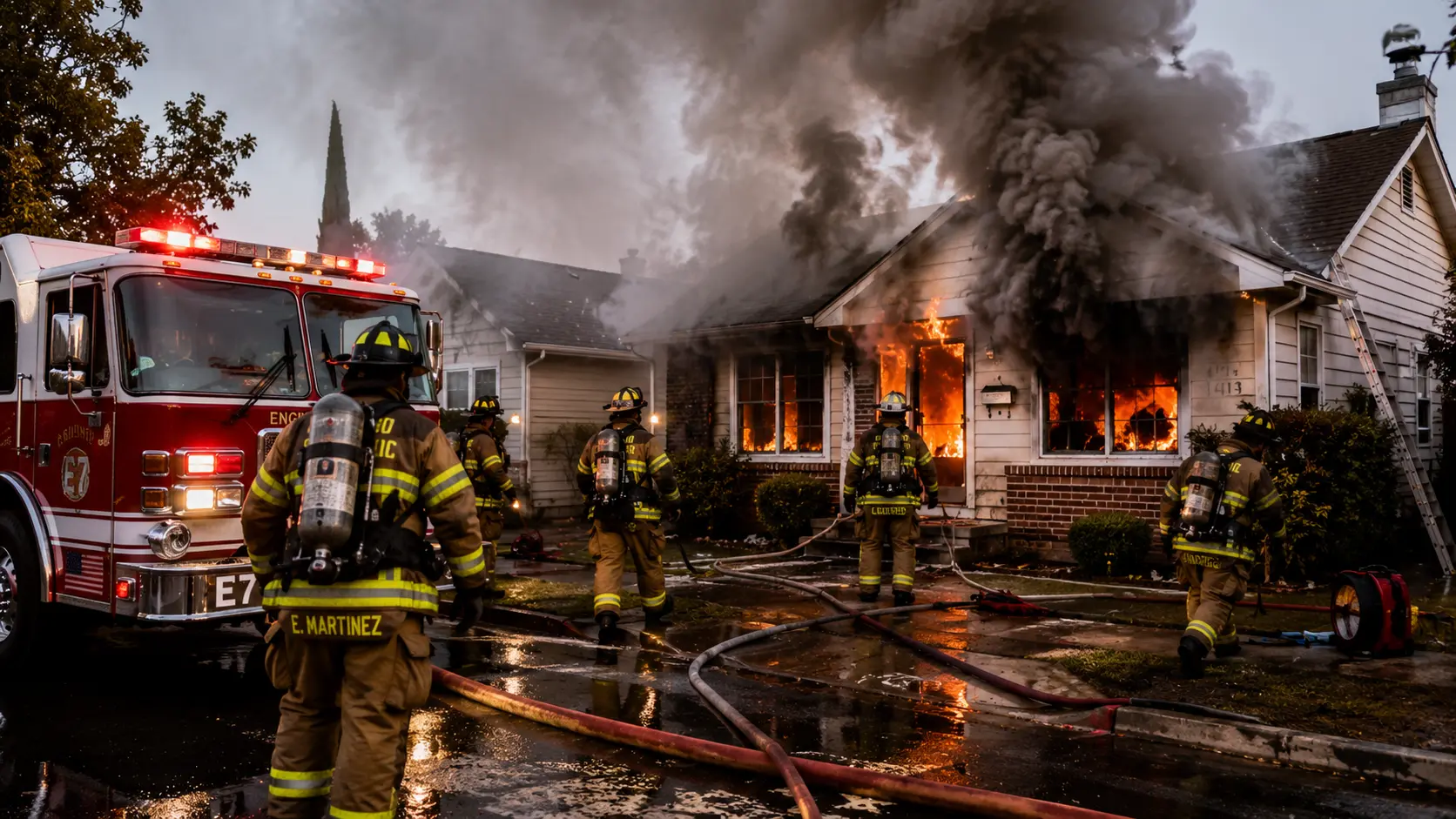
Firefighters responding to kitchen house fire at residential home with smoke pouring from windows — cooking left unattended the most common cause of home fires in the US
Cooking fires account for nearly half of all home fires in the United States. The overwhelming majority start on the stovetop, and the overwhelming majority of those involve unattended cooking. The prevention is simple: do not leave the kitchen while something is on the burner.
Cause #1Cooking Fires49% of reported home fires • ~166,000 fires per year • Peak hour: 5–8pm

Almost half of all home fires start in the kitchen, making cooking the single most significant fire risk in the American home by a substantial margin. Stovetop cooking causes the majority of these — specifically, food left unattended on a burner. The sequence is always the same: something is put on the stove, the person in the kitchen gets distracted or leaves, the food boils over or the oil gets too hot, and the fire starts. By the time they smell something or hear the smoke alarm, the kitchen has a fire that a pot lid would have stopped 30 seconds earlier.

The secondary cause within cooking fires is grease — specifically, cooking oil and animal fat heated to ignition temperature. This happens most frequently during high-heat frying and deep frying. Grease fires are particularly dangerous because the instinctive response (water) causes an explosion rather than extinguishing the fire. See the grease fire article for what to do instead.

Oven fires are less common than stovetop fires and are usually less severe — the oven is an enclosed space and a fire inside it is often self-limiting if the door stays closed. Range fires are the serious ones.

The single prevention that would eliminate most cooking fires: Never leave the stovetop unattended while a burner is on. If you have to leave the kitchen for any reason while something is cooking — turn off the burner. Every time.

Cause #2Heating Equipment14% of reported home fires • Responsible for 19% of home fire deaths • Peak: December–February

Heating equipment — space heaters, fireplaces, chimneys, central heating equipment, and wood stoves — is the second most common cause of home fires and is disproportionately deadly relative to its frequency. The death rate per fire is higher than for cooking fires, largely because heating fires are more likely to start when occupants are asleep.

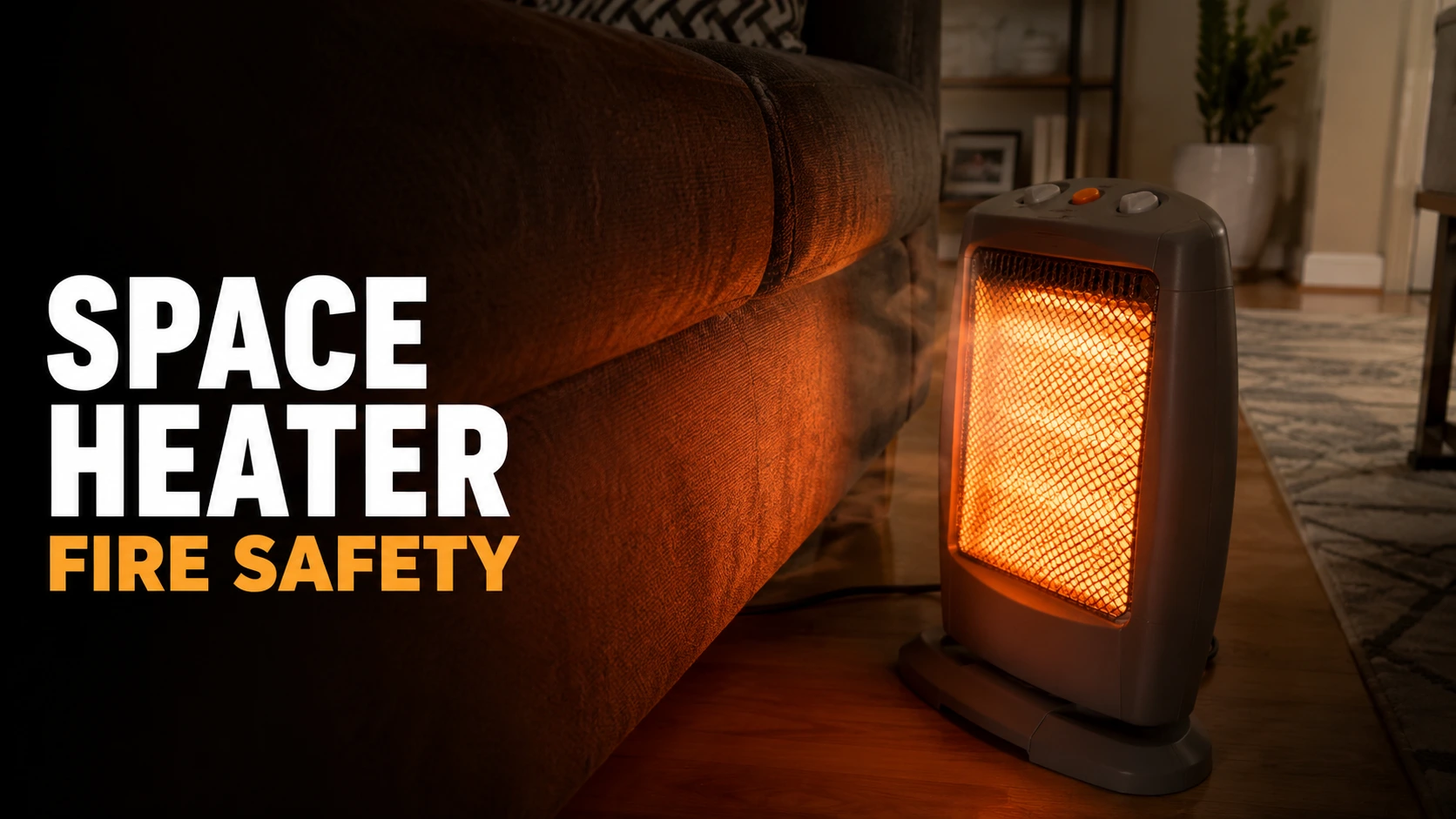
Space heaters alone account for about 43% of home heating fires despite being used in a minority of homes. The three causes are consistent: too close to combustibles (violating the three-foot clearance rule), left on unattended or overnight, and plugged into extension cords or overloaded circuits. Any one of those conditions increases risk significantly. All three together is the scenario that produces fatal fires.

Chimney and fireplace fires account for another significant portion of heating equipment fires. Most are creosote fires — accumulated combustion residue in the chimney igniting. These are almost entirely preventable with annual chimney cleaning and inspection. See the fireplace safety article for what inspection actually involves.

Fixed heating equipment — furnaces, boilers, heat pumps — causes a smaller proportion of fires but is responsible for most of the carbon monoxide incidents attributed to heating systems. A furnace with a cracked heat exchanger or a blocked flue sends CO into the home rather than up the vent. Annual furnace inspection is not a manufacturer suggestion — it is the maintenance that prevents CO from entering living spaces.

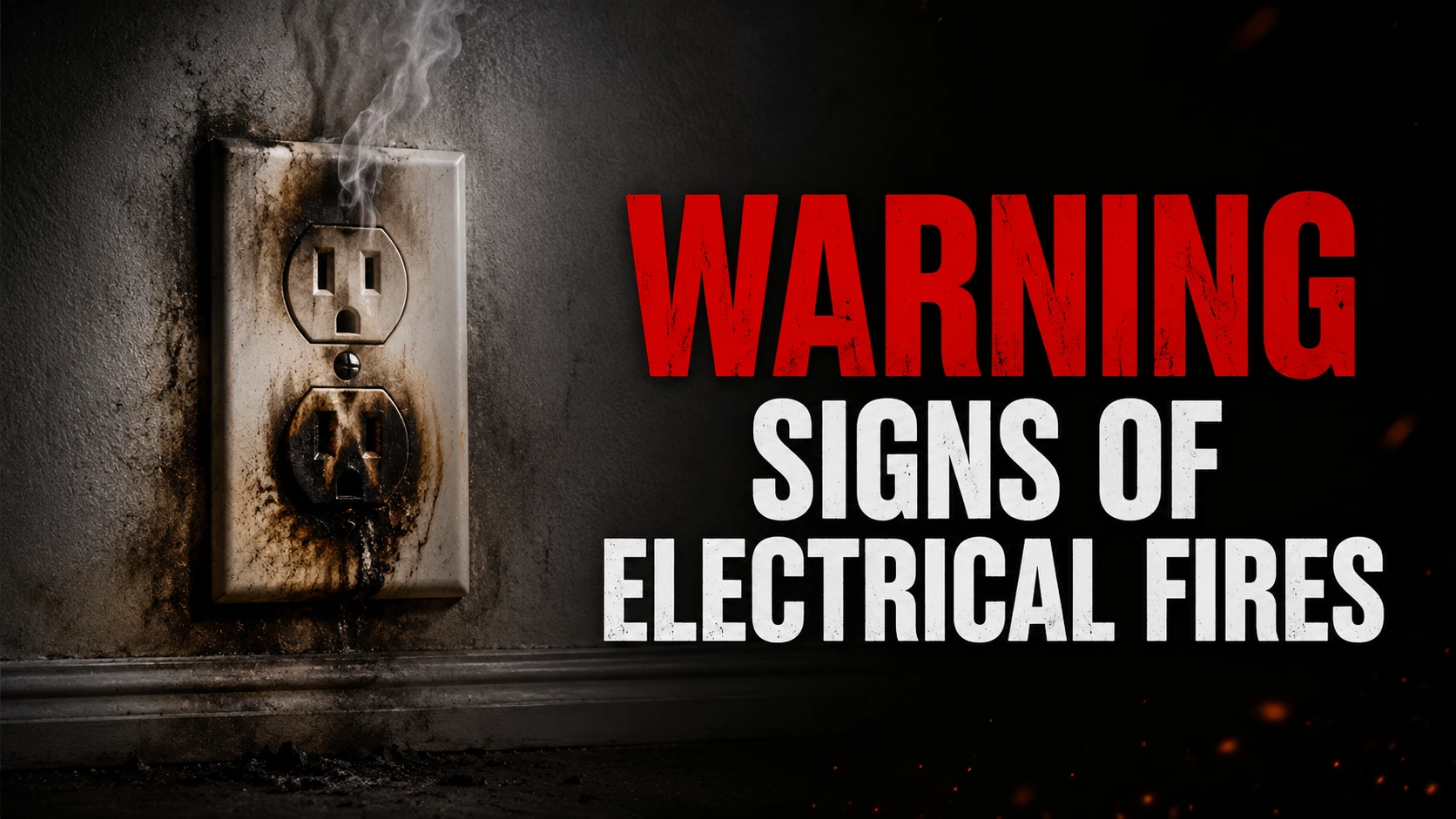
Cause #3Electrical Distribution and Lighting Equipment10% of reported home fires • Responsible for 18% of home fire deaths • Most fires start inside walls

Electrical fires are the third most common cause of home fires and, like heating fires, kill at a higher rate than their frequency suggests. The elevated death rate is partly because electrical fires often start inside walls, ceilings, or enclosed spaces where they can grow undetected for significant time before breaking into visible space and triggering smoke alarms.

Wiring and related equipment cause more electrical fires than appliances and lighting combined. The primary mechanisms are arc faults — electrical discharge through damaged, degraded, or improperly connected wiring — and overloaded circuits. Arc faults produce heat at the point of discharge. That heat ignites the insulation around the wire, and the fire travels along the wire path inside the wall. By the time the smoke alarm sounds, the fire may have been burning inside the wall for minutes.

Older homes carry higher electrical fire risk for documented structural reasons: knob-and-tube wiring without ground conductors, aluminum branch circuit wiring from the 1965–1973 period, fuse panels that have been improperly modified, and 60-amp service panels grossly undersized for modern electrical loads. If your home is more than 40 years old and has not had an electrical inspection, one is overdue.

Arc Fault Circuit Interrupters (AFCIs) — breakers that detect the electrical signature of arc faults and disconnect the circuit before ignition — are required by current NEC code in bedrooms and other areas of new construction. They are not required in older homes unless circuits are upgraded. Adding AFCI breakers to an older home's panel is one of the highest-value electrical safety upgrades available.

Causes #4–7Intentional Fires, Smoking, Candles, and ChildrenCombined: ~22% of home fires

Smoking materials — cigarettes, cigars, pipes — are responsible for roughly 5% of home fires but a disproportionate 23% of home fire deaths, making them the deadliest fire cause per incident. The reason is straightforward: smoking-related fires almost always start when a smoker falls asleep. A lit cigarette dropped onto upholstered furniture or bedding smolders for an extended period before producing visible flames. By the time there is an alarm-triggering fire, the sleeping person may already have been exposed to carbon monoxide. Smoking in bed is the specific behavior that drives this category. The habit most directly connected to smoking fire deaths is exactly that one.

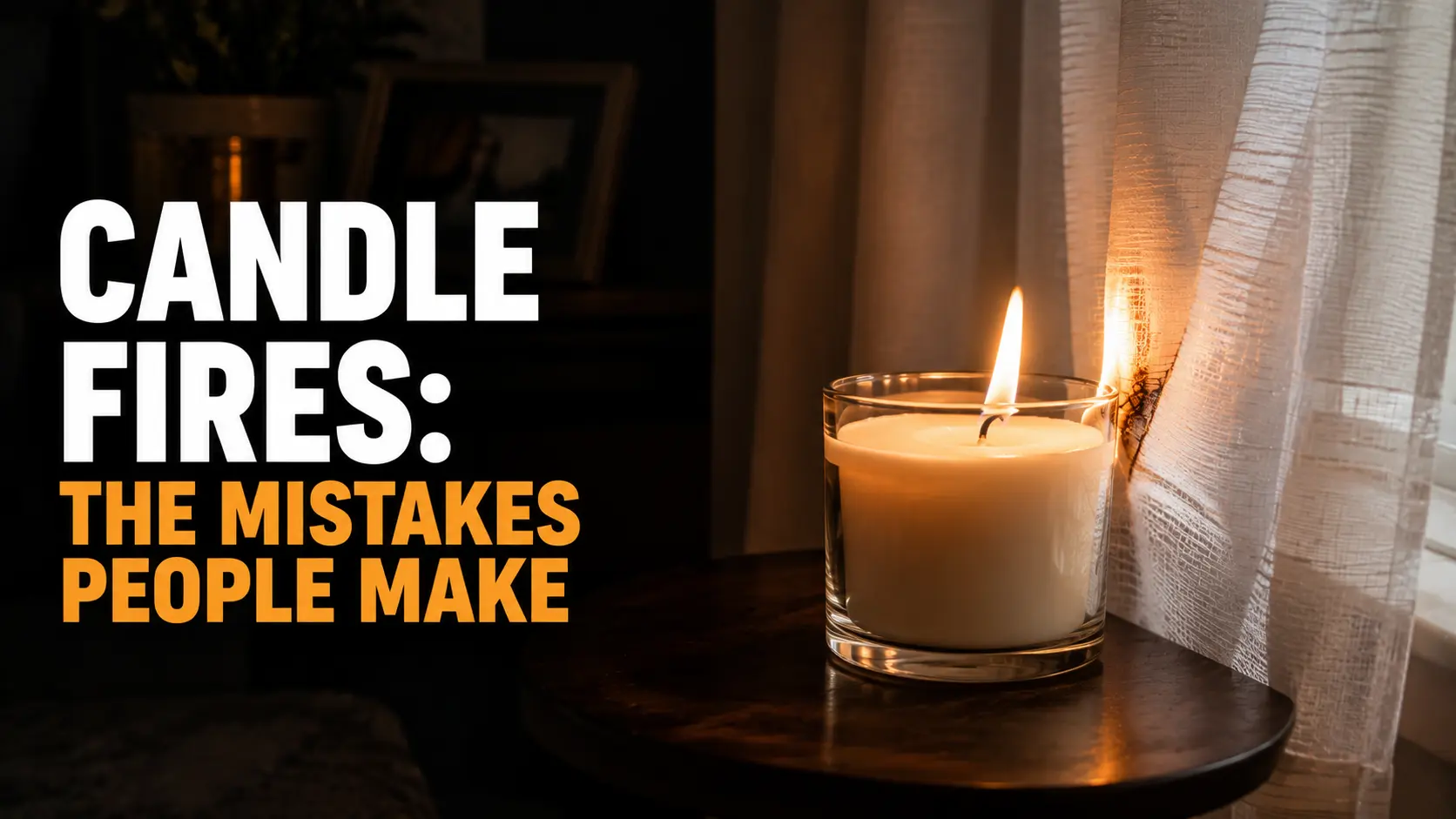
Candles account for about 2% of home fires but are involved in deaths and injuries at a rate disproportionate to their frequency, again because of the combination of candles and sleep. A candle lit in a bedroom before sleep and not extinguished is one of the most reliable residential fire scenarios in the data. The two-minute pre-sleep habit of walking through the home to confirm all candles are out would eliminate a meaningful fraction of candle fire deaths annually.

Children playing with fire — matches, lighters, stove controls — account for a small but significant proportion of home fires. This category is almost entirely preventable through access control: keep lighters and matches out of reach and out of sight, and use childproof lighters. Children's fire-setting is almost always exploratory rather than malicious, and the fires typically start in bedrooms or closets where the child is playing unseen. Smoke alarms in bedrooms — required by current code — are the last line of defense when prevention fails.


Why Fire Deaths Happen Where You Would Not Expect

The relationship between fire frequency and fire deaths is not proportional, and the mismatch reveals something important about where fire risk actually concentrates.

Cause% of Fires% of DeathsWhy the Gap
Cooking49%20%Most cooking fires are caught early — the person is present, fire is visible, response is fast. Fatal cooking fires are primarily grease fires that escalated before the person realized the severity.
Heating equipment14%19%Fires often start while occupants sleep (overnight space heater use, smoldering fires). More time to develop before detection.
Electrical10%18%Fires start inside walls, grow undetected. Occupants often do not know there is a fire until it is large.
Smoking5%23%Almost always involves sleeping or impaired occupants. Fire starts slowly, develops while occupant is unconscious.
Candles2%ElevatedBedroom fires with sleeping occupants. Same pattern as smoking.

The pattern across the high-death causes is the same: the fire starts, the occupant is asleep or impaired, the fire grows for an extended period before anyone responds. The fires that kill people are the ones that go undetected long enough to fill the bedroom with carbon monoxide before the smoke alarm triggers or the person wakes up.

This is why working smoke alarms in every bedroom, immediately outside sleeping areas, and on every floor matter so specifically. NFPA data shows that home fire deaths occur at three times the rate in homes with no working smoke alarms compared to homes with working alarms. The alarm does not prevent the fire — it compresses the time between fire start and occupant response, which is the difference between a survivable and an unsurvivable scenario in a nighttime fire.

The top five prevention habits that address the highest-death causes simultaneously:

1. Working smoke alarms in every bedroom and outside each sleeping area — tested monthly.
2. Never leave stovetop cooking unattended.
3. Turn off all space heaters before sleep.
4. No smoking in bed or in any sleeping area.
5. Extinguish all candles before sleep — walk through the home and confirm.

These five habits, applied consistently, address the circumstances of the majority of home fire deaths. None of them are complicated. All of them require making a decision once and building a habit, rather than repeated conscious effort.

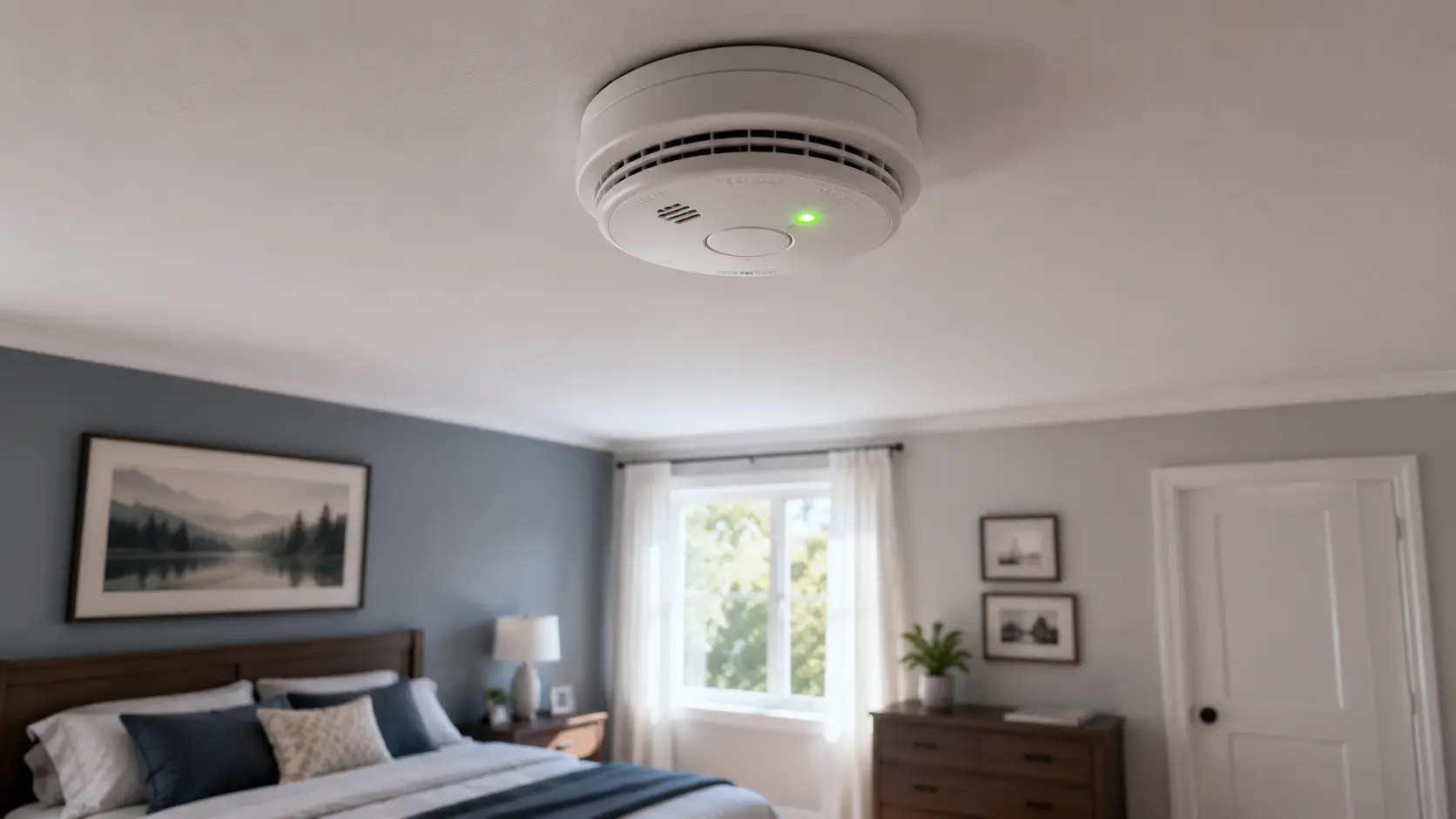
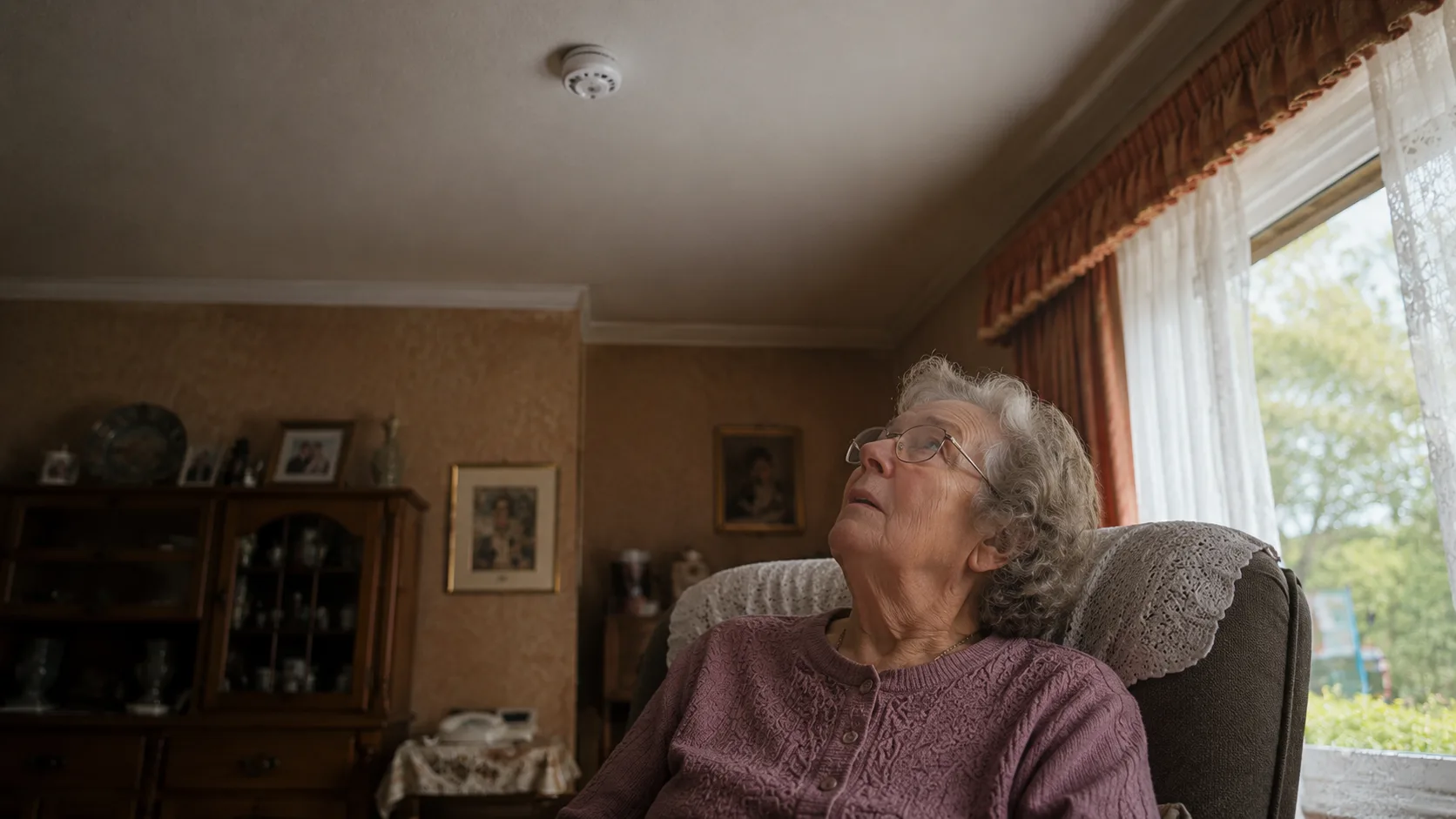
Working smoke alarm mounted on bedroom ceiling with green LED indicator light active — the most effective single home fire safety measure supported by fire death statistics
A working smoke alarm in the bedroom is the single most evidence-supported home fire safety measure. It does not prevent fires — it compresses the time between fire start and occupant response, which is what determines survival in a nighttime fire. The data on this is consistent across decades of NFPA research.

Related articles by cause

Each major cause has a dedicated article with specific prevention guidance: Grease firesSpace heater firesFireplace safetyElectrical fire warning signsCandle firesDryer firesSmoke alarm maintenance.


Comments 0

No comments yet. Be the first to share your thoughts!

Leave a Comment

Comments are reviewed before publishing. Off-topic or spam comments will not be approved.

Share this article


Related Videos

See all videos

Related Firefighter Articles

See all Safety articles